Qiao Qi, Liu Xiong, Yang Ting, Cui Kexin, Kong Li, Yang Conglian, Zhang Zhiping
Tongji School of Pharmacy, Huazhong University of Science and Technology, Wuhan 430030, China.
National Engineering Research Center for Nanomedicine, Huazhong University of Science and Technology, Wuhan 430030, China.
Acta Pharm Sin B. 2021 Oct;11(10):3060-3091. doi: 10.1016/j.apsb.2021.04.023. Epub 2021 May 7.
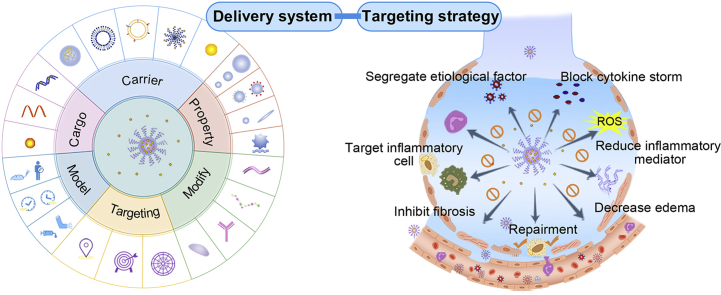
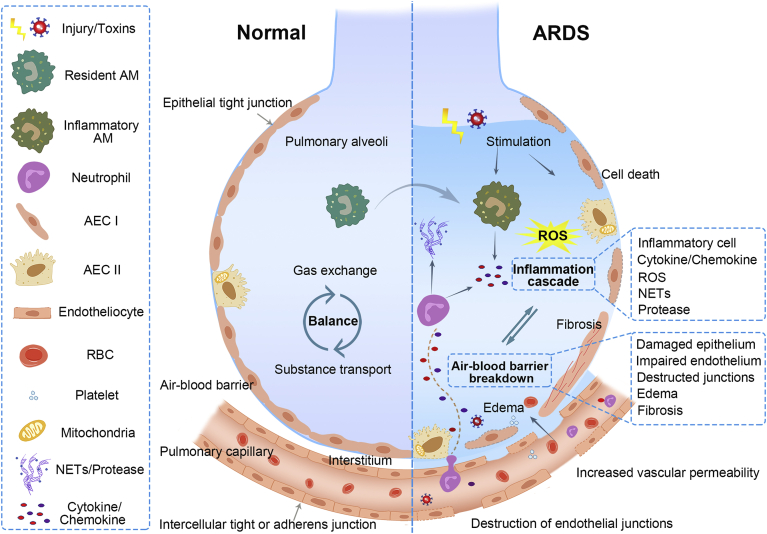
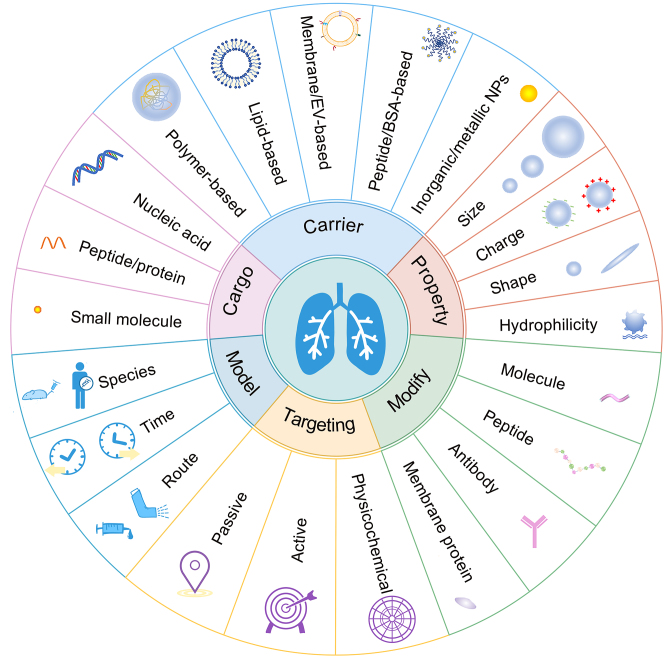
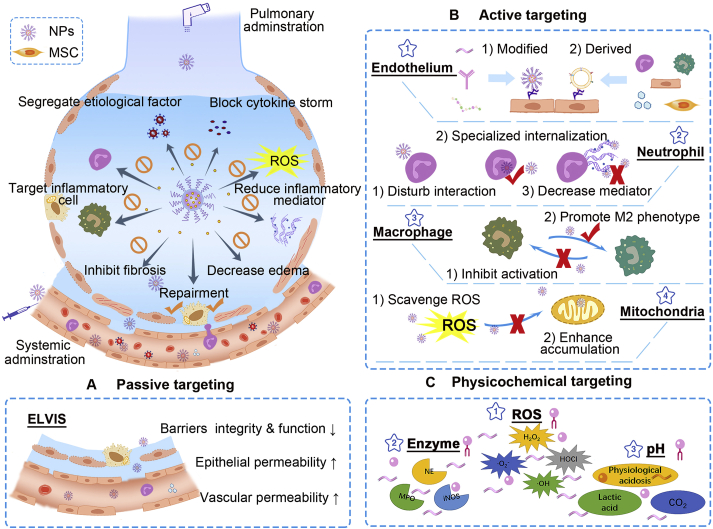
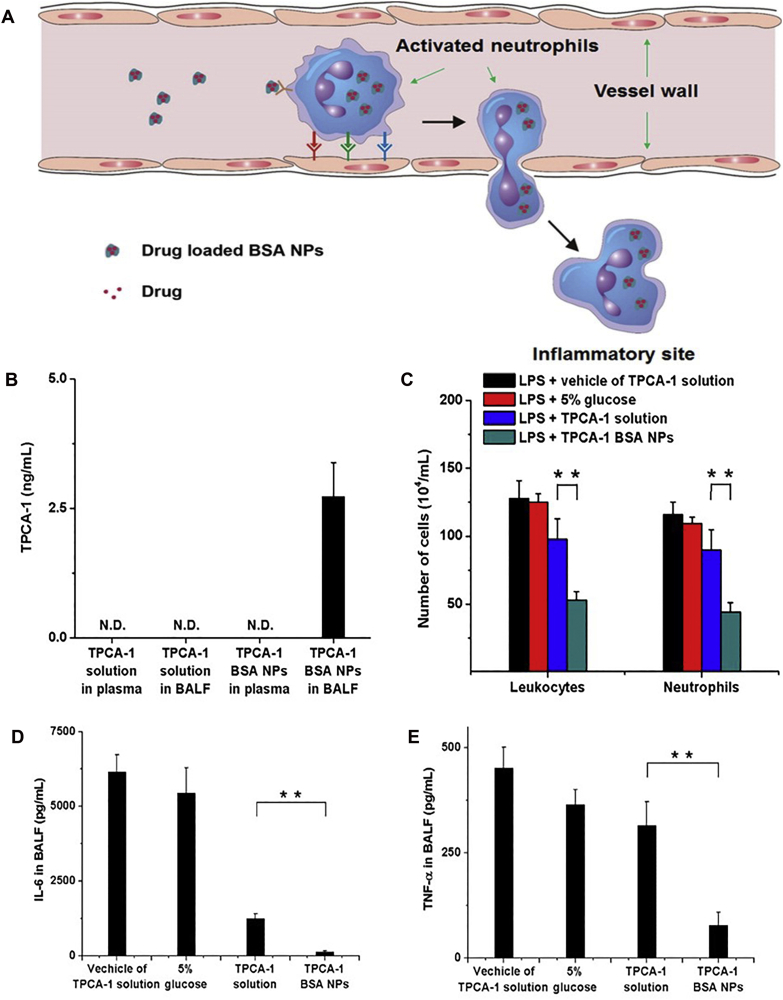
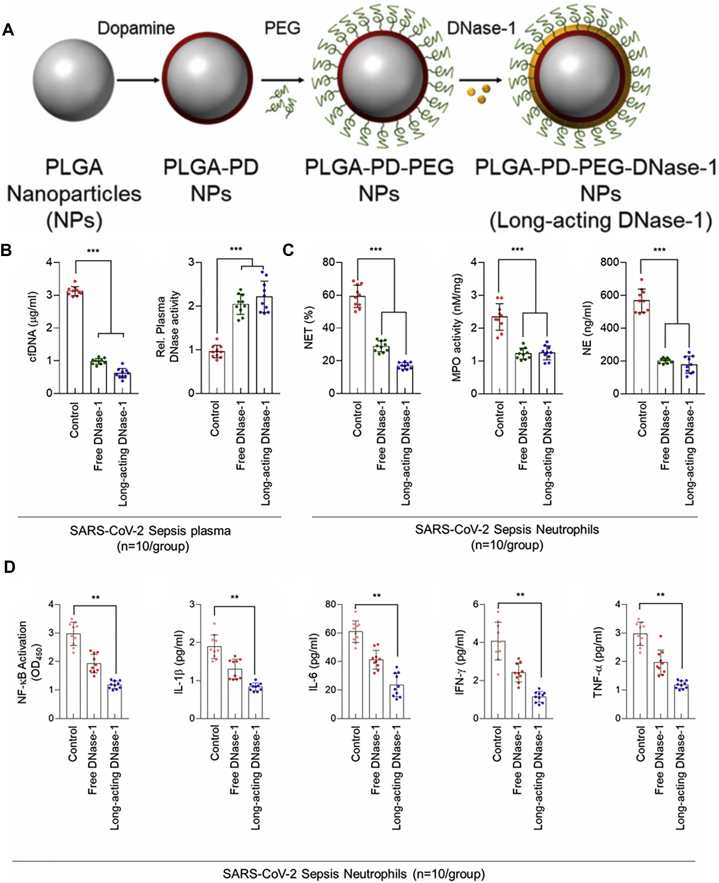
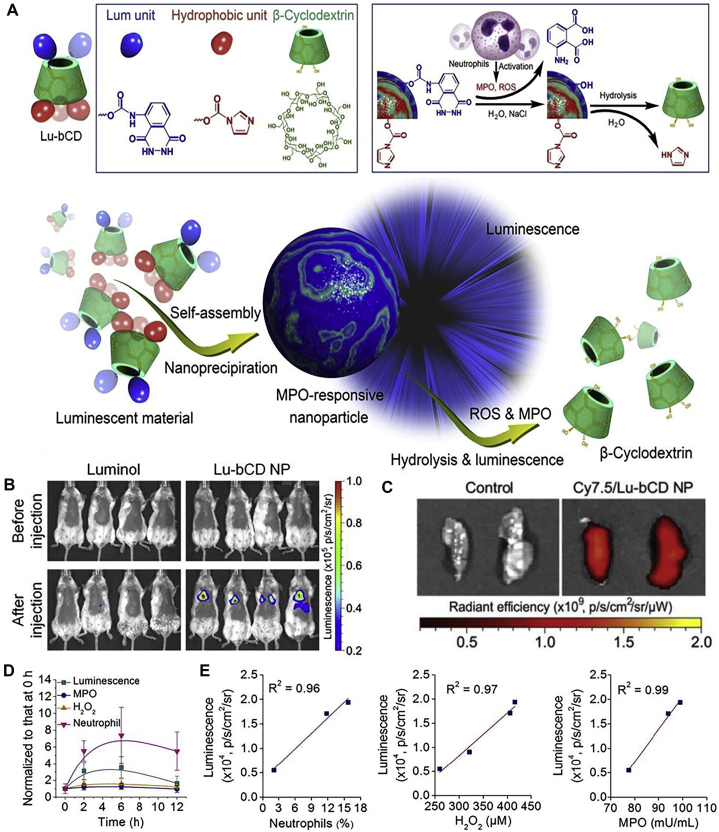
Acute respiratory distress syndrome (ARDS) is characterized by the severe inflammation and destruction of the lung air-blood barrier, leading to irreversible and substantial respiratory function damage. Patients with coronavirus disease 2019 (COVID-19) have been encountered with a high risk of ARDS, underscoring the urgency for exploiting effective therapy. However, proper medications for ARDS are still lacking due to poor pharmacokinetics, non-specific side effects, inability to surmount pulmonary barrier, and inadequate management of heterogeneity. The increased lung permeability in the pathological environment of ARDS may contribute to nanoparticle-mediated passive targeting delivery. Nanomedicine has demonstrated unique advantages in solving the dilemma of ARDS drug therapy, which can address the shortcomings and limitations of traditional anti-inflammatory or antioxidant drug treatment. Through passive, active, or physicochemical targeting, nanocarriers can interact with lung epithelium/endothelium and inflammatory cells to reverse abnormal changes and restore homeostasis of the pulmonary environment, thereby showing good therapeutic activity and reduced toxicity. This article reviews the latest applications of nanomedicine in pre-clinical ARDS therapy, highlights the strategies for targeted treatment of lung inflammation, presents the innovative drug delivery systems, and provides inspiration for strengthening the therapeutic effect of nanomedicine-based treatment.
急性呼吸窘迫综合征(ARDS)的特征是肺气血屏障严重炎症和破坏,导致不可逆且严重的呼吸功能损害。2019冠状病毒病(COVID-19)患者面临ARDS的高风险,这凸显了开发有效治疗方法的紧迫性。然而,由于药代动力学不佳、非特异性副作用、无法跨越肺屏障以及对异质性管理不足,ARDS的合适药物仍然缺乏。ARDS病理环境中肺通透性的增加可能有助于纳米颗粒介导的被动靶向递送。纳米医学在解决ARDS药物治疗困境方面已显示出独特优势,它可以解决传统抗炎或抗氧化药物治疗的缺点和局限性。通过被动、主动或物理化学靶向,纳米载体可以与肺上皮/内皮细胞和炎症细胞相互作用,以逆转异常变化并恢复肺环境的稳态,从而显示出良好的治疗活性并降低毒性。本文综述了纳米医学在临床前ARDS治疗中的最新应用,强调了针对肺部炎症的靶向治疗策略,介绍了创新的药物递送系统,并为增强基于纳米医学的治疗效果提供了思路。