Kim Hyeon Ji, Kim Tae-Jun, Kim Yu Gyung, Seong Chaeeun, Cho Jin-Hwa, Kim Wanil, Lee Kyung-Ha, Kim Do-Yeon
Department of Pharmacology, School of Dentistry, Kyungpook National University, Daegu 41940, Korea.
Department of Biochemistry, Department of Convergence Medical Science, Institute of Health Sciences, College of Medicine, Gyeongsang National University, Jinju 52727, Korea.
Pharmaceutics. 2021 Sep 6;13(9):1410. doi: 10.3390/pharmaceutics13091410.
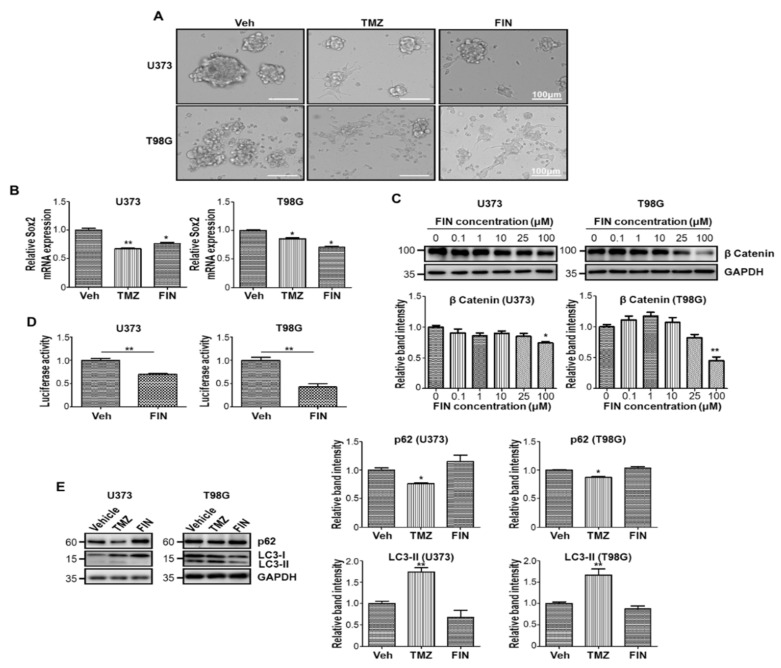
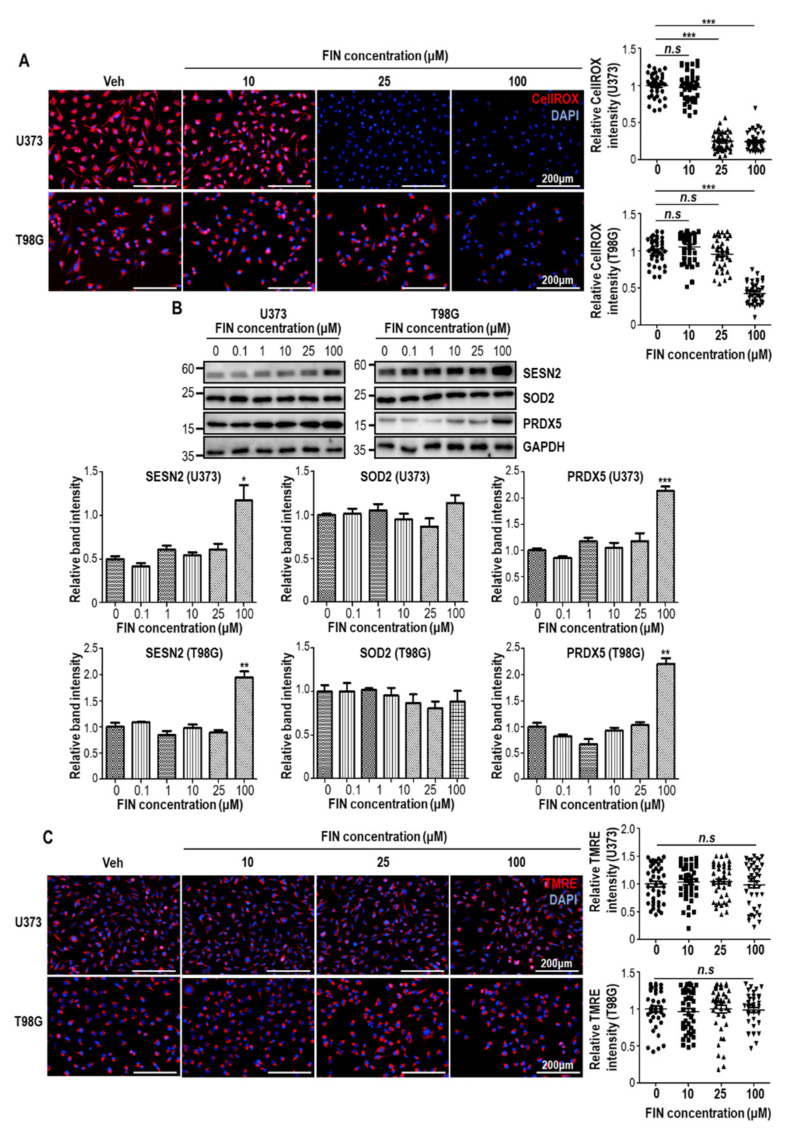
Glioblastoma is an actively growing and aggressive brain tumor with a high propensity of recurrence. Although the surgical removal of tumor mass is the primary therapeutic option against glioblastoma, supportive pharmacotherapy is highly essential due to incredibly infiltrative characteristic of glioblastoma. Temozolomide, an FDA-approved alkylating agent, has been used as a first-line standard pharmacological approach, but several evident limitations were repeatedly reported. Despite additional therapeutic options suggested, there are no medications that successfully prevent a recurrence of glioblastoma and increase the five-year survival rate. In this study, we tested the possibility that finasteride has the potential to be developed as an anti-glioblastoma drug. Finasteride, an FDA-approved medication for the treatment of benign prostate hyperplasia and androgenic alopecia, is already known to pass through the blood-brain barrier and possess antiproliferative activity of prostate epithelial cells. We showed that finasteride inhibited the maintenance of glioma stem-like cells and repressed the proliferation of glioblastoma. Mechanistically, finasteride lowered intracellular ROS level by upregulating antioxidant genes, which contributed to inefficient β-catenin accumulation. Downregulated β-catenin resulted in the reduction in stemness and cell growth in glioblastoma.
胶质母细胞瘤是一种生长活跃且具有侵袭性的脑肿瘤,复发倾向高。尽管手术切除肿瘤肿块是治疗胶质母细胞瘤的主要治疗选择,但由于胶质母细胞瘤具有难以置信的浸润性特征,支持性药物治疗至关重要。替莫唑胺是一种经美国食品药品监督管理局(FDA)批准的烷化剂,已被用作一线标准药物治疗方法,但多次报道了一些明显的局限性。尽管提出了其他治疗选择,但尚无药物能成功预防胶质母细胞瘤复发并提高五年生存率。在本研究中,我们测试了非那雄胺有潜力被开发为抗胶质母细胞瘤药物的可能性。非那雄胺是一种经FDA批准用于治疗良性前列腺增生和雄激素性脱发的药物,已知其可穿过血脑屏障并具有前列腺上皮细胞的抗增殖活性。我们表明,非那雄胺抑制胶质瘤干细胞样细胞的维持并抑制胶质母细胞瘤的增殖。从机制上讲,非那雄胺通过上调抗氧化基因降低细胞内活性氧水平,这导致β-连环蛋白积累效率低下。β-连环蛋白下调导致胶质母细胞瘤的干性和细胞生长减少。