Kim Jinman, Kim Haseog, Shin Sangchul
Department of Architectural Engineering, Kongju National University, 275 Cheonan-daero, Cheonan City 330-717, Chungcheongnam-do, Korea.
Environment-Friendly Concrete Research Institute, Kongju National University, 275 Cheonan-daero, Cheonan City 330-717, Chungcheongnam-do, Korea.
Materials (Basel). 2021 Sep 14;14(18):5291. doi: 10.3390/ma14185291.
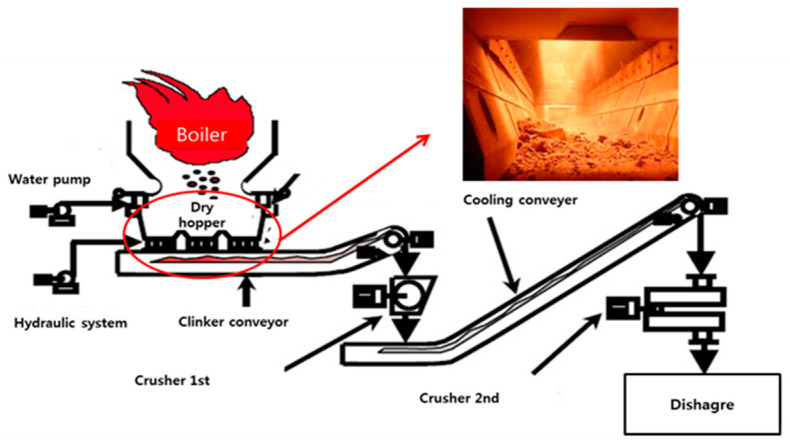
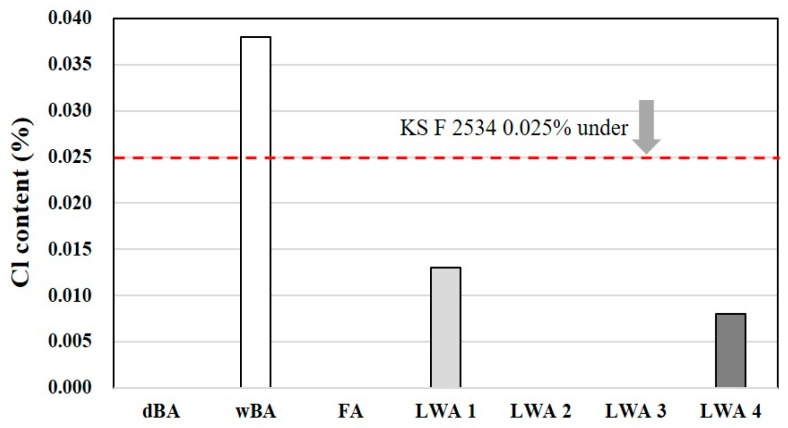
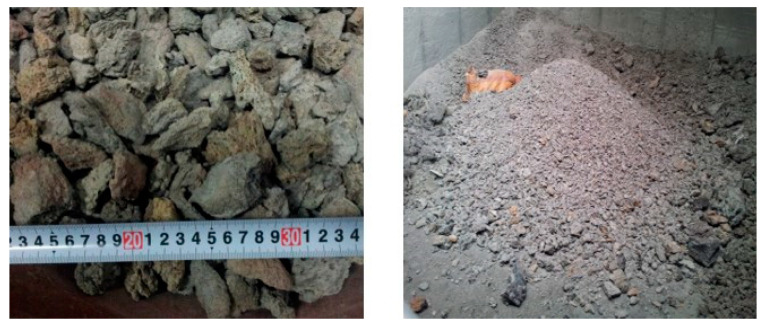
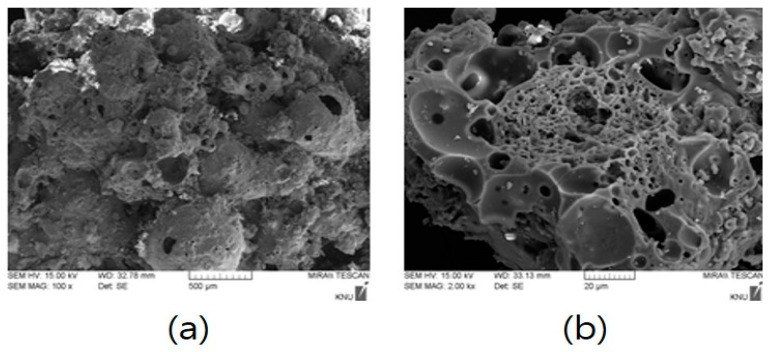
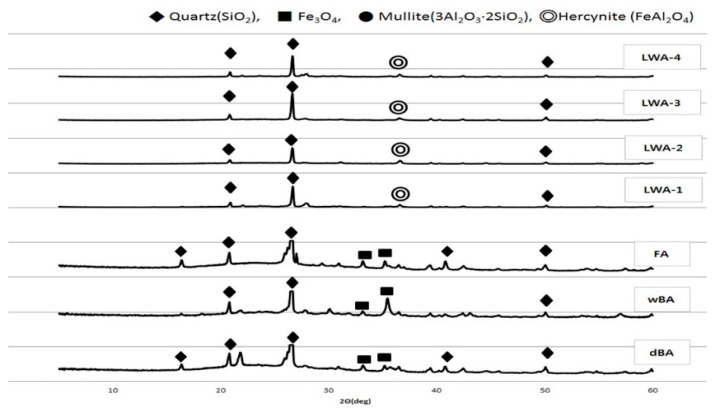
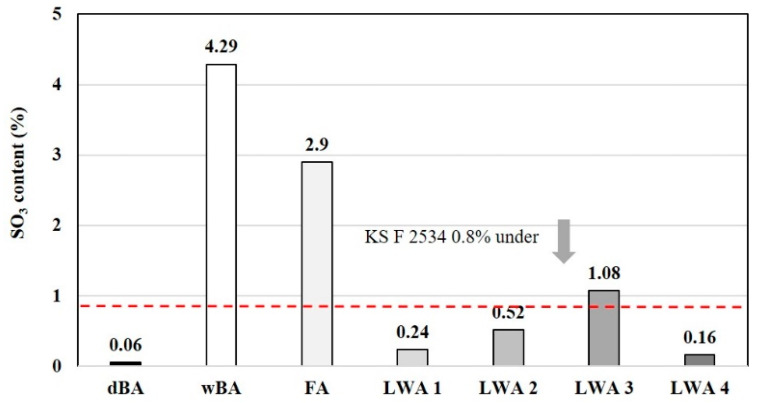
Compared to the bottom ash obtained by a water-cooling system (wBA), dry process bottom ash (dBA) makes hardly any unburnt carbon because of its stay time at the bottom of the boiler and contains less chloride because there is no contact with seawater. Accordingly, to identify the chemical stability of dBA as a lightweight aggregate for construction purposes, the chemical properties of dBA were evaluated through the following process of the reviewing engineering properties of a lightweight aggregate (LWA). Typically, river gravel and crushed gravel have been used as coarse aggregates due to their physical and chemical stability. The coal ash and LWA, however, have a variety of chemical compositions, and they have specific chemical properties including SO, unburnt coal and heavy metal content. As the minimum requirement to use the coal ash and lightweight aggregate with various chemical properties for concrete aggregate, the loss on ignition, the SO content and the amount of chloride should be examined, and it is also necessary to examine heavy metal leaching even though it is not included in the standard specifications in Korea. Based on the results, it is believed that there are no significant physical and chemical problems using dBA as a lightweight aggregate for concrete.
与水冷系统产生的底灰(wBA)相比,干法底灰(dBA)由于在锅炉底部的停留时间,几乎没有未燃尽的碳,并且由于不与海水接触,其氯化物含量较低。因此,为了确定dBA作为建筑用轻骨料的化学稳定性,通过以下评估轻骨料(LWA)工程性质的过程来评估dBA的化学性质。通常,河卵石和碎砾石因其物理和化学稳定性而被用作粗骨料。然而,煤灰和轻骨料具有多种化学成分,并且具有包括SO、未燃煤和重金属含量在内的特定化学性质。作为将具有各种化学性质的煤灰和轻骨料用作混凝土骨料的最低要求,应检查烧失量、SO含量和氯化物含量,并且即使韩国的标准规范中未包括重金属浸出,也有必要进行检查。基于这些结果,认为将dBA用作混凝土轻骨料不存在重大的物理和化学问题。