Unidad Académica Multidisciplinaria Mante, Universidad Autónoma de Tamaulipas, El Mante 89840, Tamaulipas, Mexico.
Centro de Biotecnología Genómica, Instituto Politécnico Nacional, Reynosa 88710, Tamaulipas, Mexico.
Molecules. 2021 Sep 15;26(18):5587. doi: 10.3390/molecules26185587.
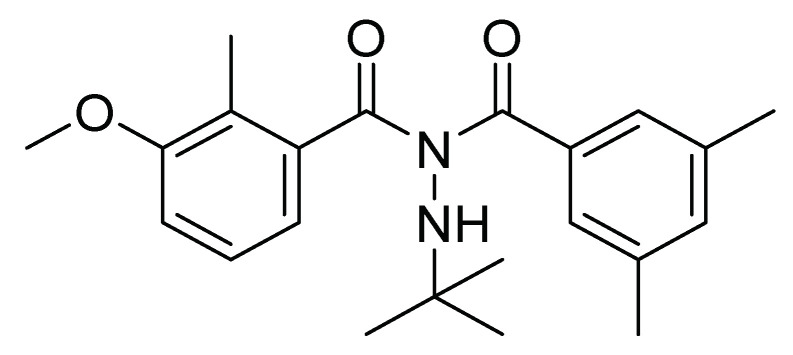
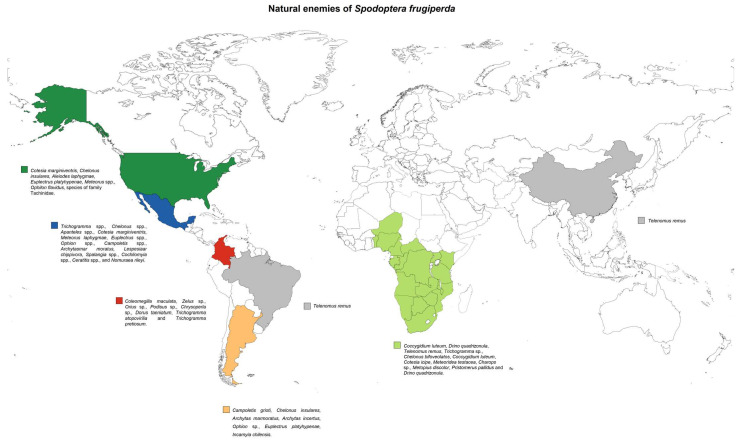
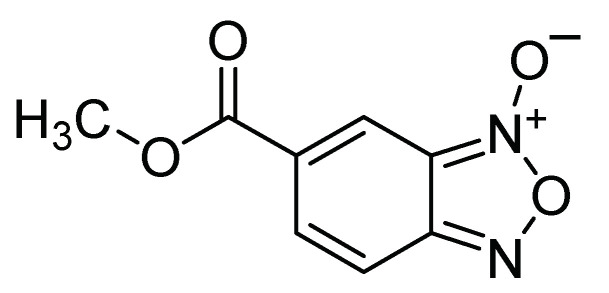
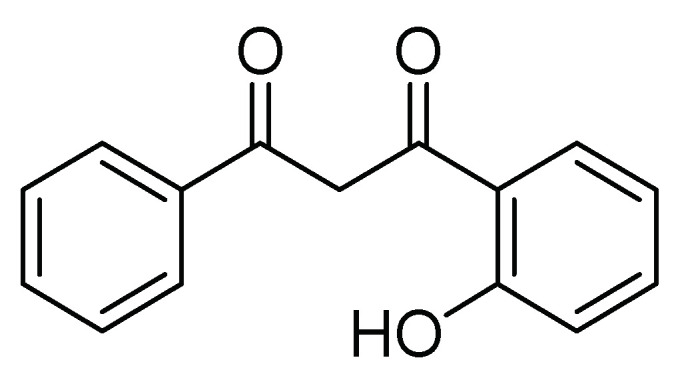
The strategies for controlling the insect pest have been developing over the past four decades; however, the insecticide resistance and the remarkable adaptability of this insect have hindered its success. This review first analyzes the different chemical compounds currently available and the most promising options to control . Then, we analyze the metabolites obtained from plant extracts with antifeedant, repellent, insecticide, or ovicide effects that could be environmentally friendly options for developing botanical insecticides. Subsequently, we analyze the biological control based on the use of bacteria, viruses, fungi, and parasitoids against this pest. Finally, the use of sex pheromones to monitor this pest is analyzed. The advances reviewed could provide a wide panorama to guide the search for new pesticidal strategies but focused on environmental sustainability against .
在过去的四十年中,已经开发出了许多控制这种虫害的策略;然而,这种昆虫的抗药性和显著的适应性阻碍了其成功应用。本综述首先分析了目前可用的不同化学化合物以及最有前途的控制选项。然后,我们分析了具有拒食、驱避、杀虫或杀卵作用的植物提取物中的代谢产物,这些代谢产物可能是开发植物性杀虫剂的环保选择。接下来,我们分析了基于使用细菌、病毒、真菌和寄生蜂对这种害虫进行生物防治的方法。最后,分析了利用性信息素来监测这种害虫的方法。综述中提到的进展可以提供广泛的视野,指导寻找新的农药策略,但重点是针对这种虫害的环境可持续性。