Clinical Department of Internal Disease, Dermatology and Allergology, Medical University of Silesia, 40-055 Katowice, Poland.
Medicina (Kaunas). 2021 Aug 27;57(9):881. doi: 10.3390/medicina57090881.
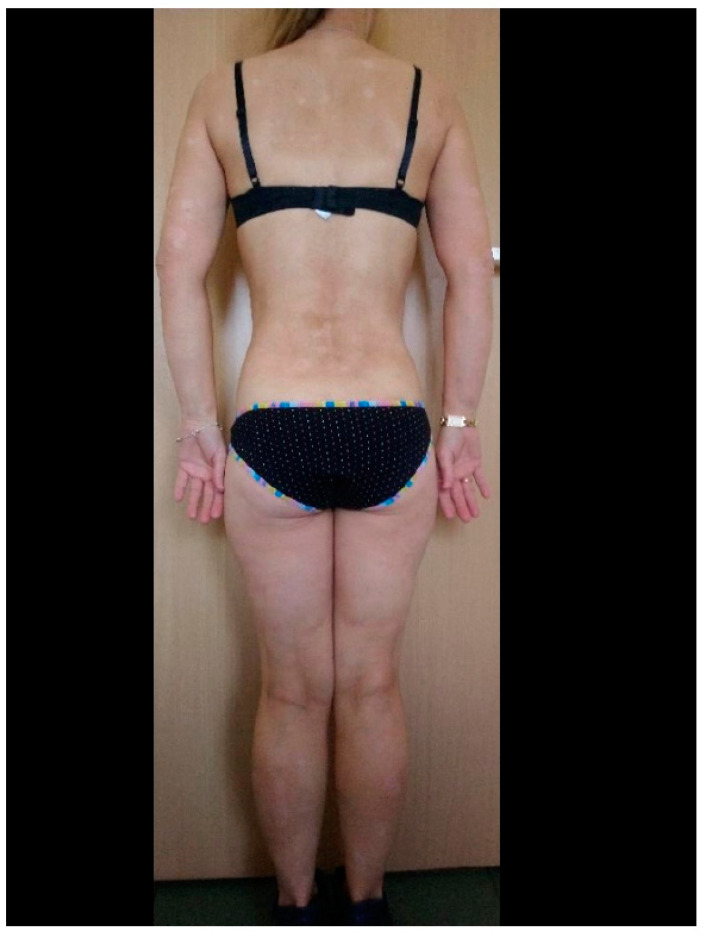
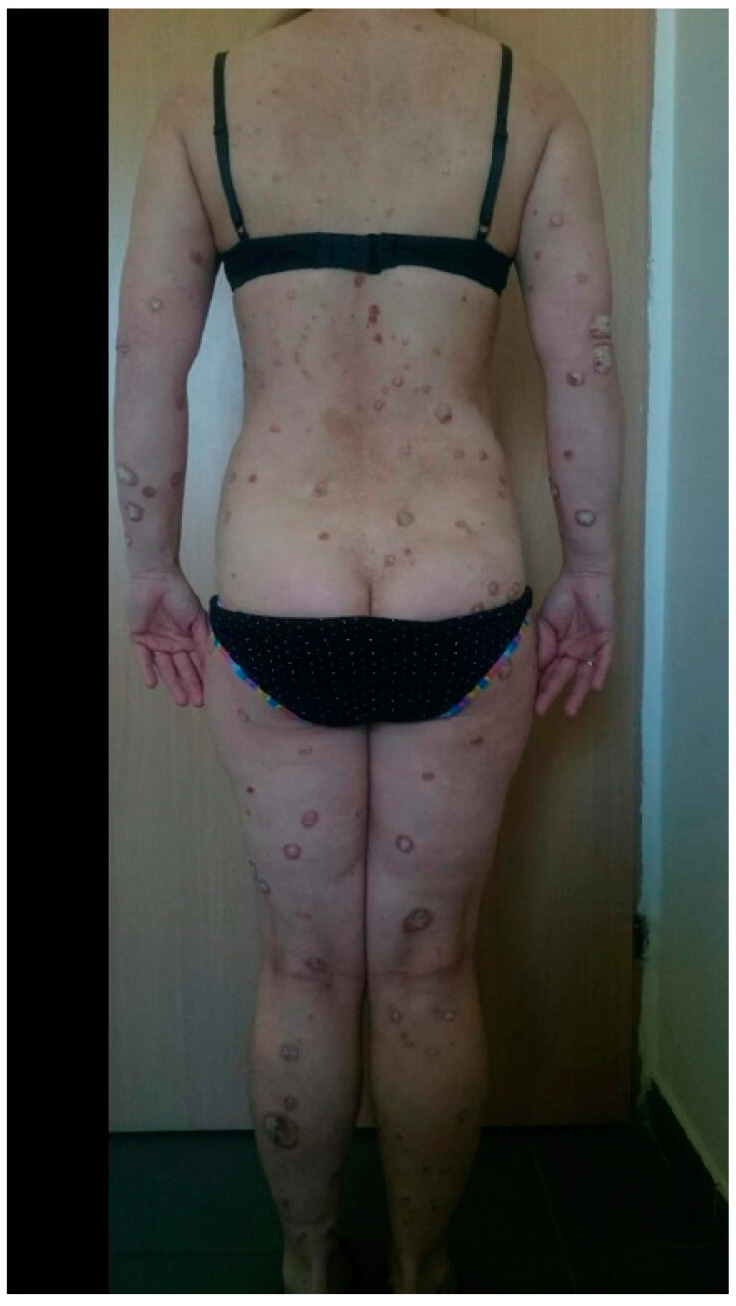
Biological treatment is an important and effective therapy for psoriasis. During the COVID-19 pandemic, it remains unclear whether this type of therapy affects the course of SARS-CoV-2 infection. The aim of the study was to observe patients with psoriasis undergoing biological or other systemic treatment in relation to the impact of SARS-CoV-2 infection on the course of psoriasis and the COVID-19 disease itself. A one-year observational study included 57 patients with diagnosed psoriasis who qualified for biological treatment and a group of 68 similar patients who were administered a different systemic treatment. Patients were analyzed monthly for psoriasis (including Psoriasis Area Severity Index (PASI) assessment) and constantly for SARS-CoV-2 infection (telephone contact). Cases of COVID-19 were confirmed by Polymerase Chain Reaction (PCR) at the study center. : SARS-CoV-2 infection was confirmed by a positive Real Time Polymerase Chain Reaction (RT-PCR) test in eight patients (14.0%) with psoriasis on biological therapy. None of the cases in this group required hospitalization for COVID-19. Similar data were obtained in the control group. Specifically, 11 (16%) patients were confirmed to be infected with SARS-CoV-2. These results were statistically comparable ( > 0.05). In the group of patients undergoing biological treatment, six (75%) of eight patients developed an exacerbation of psoriasis during SARS-CoV-2 infection, and similar results were noted in the control group, with eight (72%) patients experiencing an exacerbation of psoriasis. : Patients with psoriasis who were administered biological treatment or other systemic therapy may experience a mild course of SARS-CoV-2 infection but might also experience a temporary exacerbation of skin lesions.
生物治疗是治疗银屑病的一种重要且有效的方法。在 COVID-19 大流行期间,尚不清楚这种治疗方法是否会影响 SARS-CoV-2 感染的过程。本研究的目的是观察接受生物治疗或其他全身治疗的银屑病患者,了解 SARS-CoV-2 感染对银屑病病程和 COVID-19 疾病本身的影响。
一项为期一年的观察性研究纳入了 57 名符合生物治疗条件的确诊银屑病患者和 68 名接受不同全身治疗的相似患者。每月对患者的银屑病(包括银屑病面积和严重程度指数(PASI)评估)进行分析,并持续对 SARS-CoV-2 感染(电话联系)进行分析。在研究中心通过聚合酶链反应(PCR)确认 COVID-19 病例。结果:在接受生物治疗的银屑病患者中,有 8 例(14.0%)经聚合酶链反应(PCR)检测确诊 SARS-CoV-2 感染。该组无 1 例因 COVID-19 需要住院治疗。对照组获得了类似的数据。具体而言,有 11 例(16%)患者经聚合酶链反应(PCR)检测确诊 SARS-CoV-2 感染。这些结果在统计学上无差异(>0.05)。在接受生物治疗的患者组中,有 8 例(75%)在 SARS-CoV-2 感染期间银屑病加重,对照组中也有类似结果,8 例(72%)患者银屑病加重。
接受生物治疗或其他全身治疗的银屑病患者可能会经历 SARS-CoV-2 感染的轻度病程,但也可能会出现皮肤病变的暂时加重。