Department of Pharmacy, Second Affiliated Hospital of Wannan Medical College, Wuhu 241001, Anhui, China.
Department of Pharmacology, College of Pharmacy, Wannan Medical College, Wuhu 241002, Anhui, China.
Aging (Albany NY). 2021 Sep 28;13(18):22588-22610. doi: 10.18632/aging.203572.
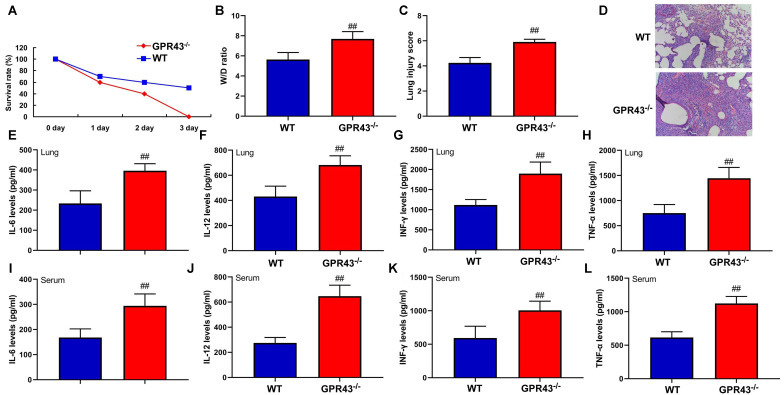
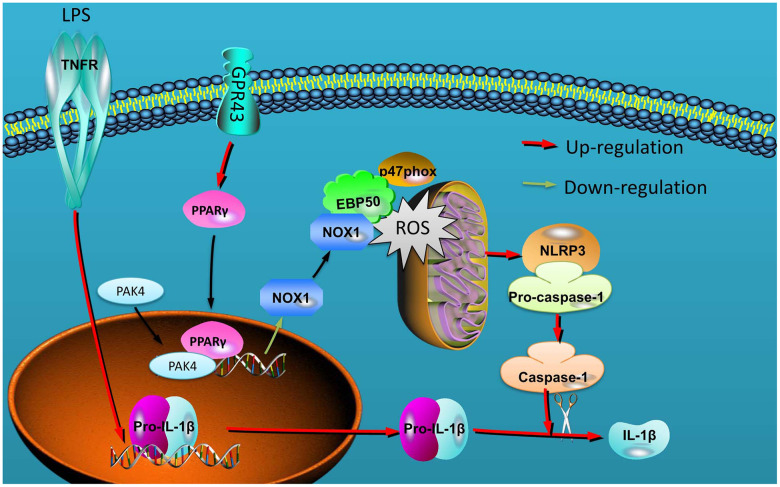
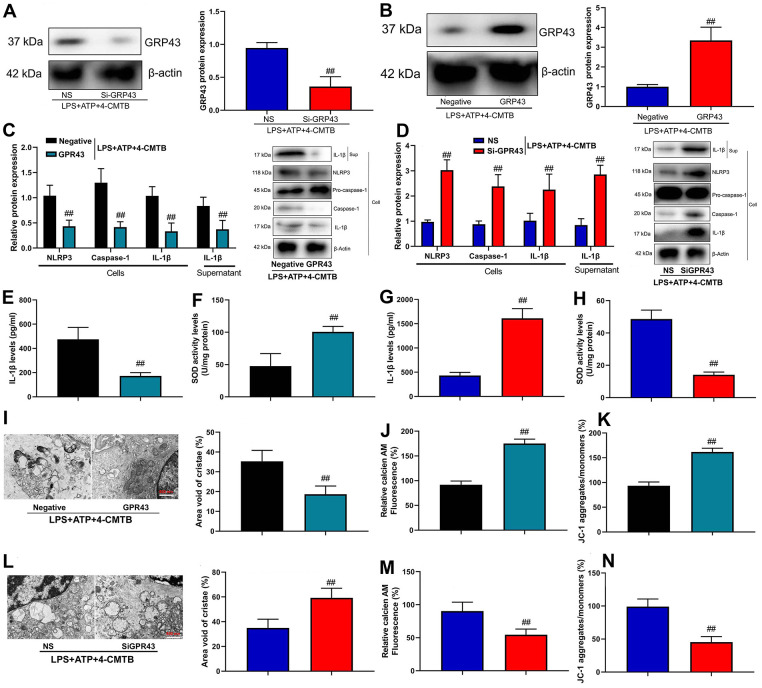
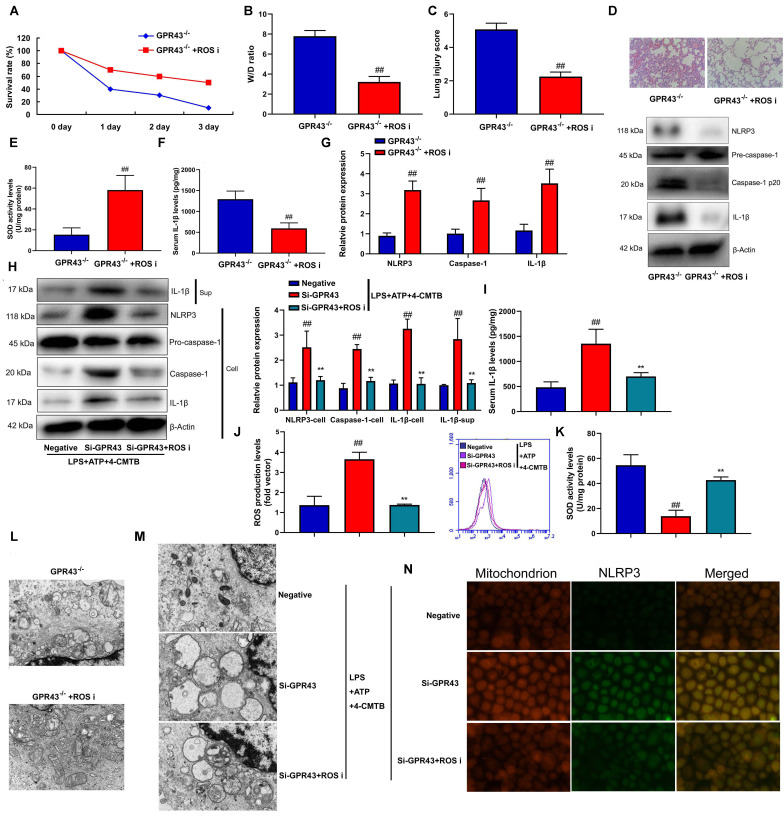
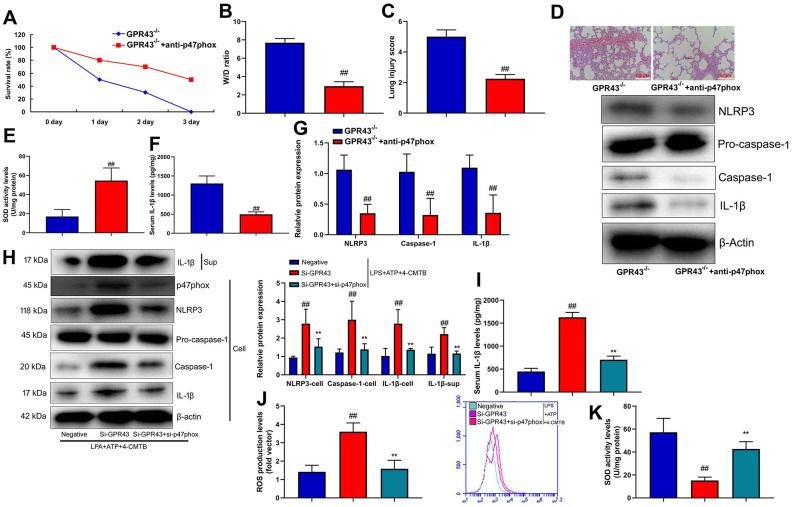
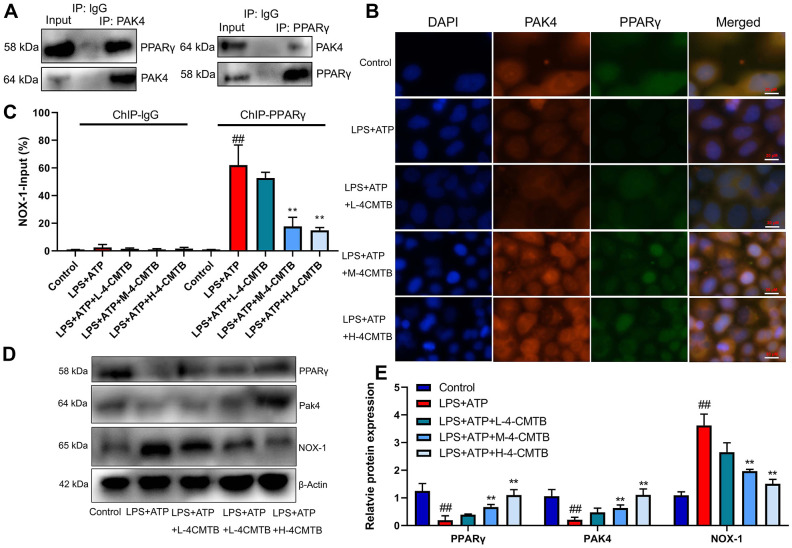
Sepsis is a common critical illness in ICU and always a great difficulty in clinical treatment. GPR43 (G protein-coupled receptor 43) participates in regulating appetite and gastrointestinal peptide secretion to modulate fat decomposition and formation. However, the biological contribution of GPR43 on inflammation of sepsis has not been previously investigated. We investigated the mechanisms of GPR43 gene, which plays a possible role in distinguishing sepsis and contributes to the pathogenesis of sepsis-induced inflammatory reaction. Furthermore, we performed studies with mice induced to sepsis by Cecal Ligation and Puncture (CLP), Knockout GPR43 (GPR43-/-) mice, and Wild Type (WT) mice induced with CLP. In addition, lung tissues and cell samples were analyzed by histology, Quantitative Polymerase Chain Reaction (Q-PCR), Enzyme-linked Immunosorbent (ELISA) Assay, and western blot. GPR43 agonist could significantly reduce inflammation reactions and trigger lung injury in mice with sepsis. As for GPR43-/- mice, the risks of sepsis-induced inflammatory reactions and corresponding lung injury were promoted. On the one hand, the up-regulation of GPR43 gene reduced ROS mitochondrial damage to inhibit inflammatory reactions via the inactivation of NLRP3 Inflammasome by PPARγ/ Nox1/EBP50/ p47phox signal channel. On the other hand, the down-regulation of GPR43 promoted inflammatory reactions model through the acceleration of ROS-dependently mitochondrial damage by PPARγ/ Nox1/EBP50/ p47phox/ NLRP3 signal channel. These findings indicate that the inhibition of GPR43 as a possible important factor of sepsis may shed lights on the mechanism of sepsis-induced inflammation reaction.
脓毒症是 ICU 中常见的危重病,一直是临床治疗的一大难题。GPR43(G 蛋白偶联受体 43)参与调节食欲和胃肠肽分泌,调节脂肪分解和形成。然而,GPR43 对脓毒症炎症的生物学贡献尚未得到研究。我们研究了 GPR43 基因的机制,该基因可能在区分脓毒症和促进脓毒症引起的炎症反应发病机制方面发挥作用。此外,我们对通过盲肠结扎和穿刺(CLP)诱导脓毒症的小鼠、GPR43 敲除(GPR43-/-)小鼠和 CLP 诱导的野生型(WT)小鼠进行了研究。此外,通过组织学、定量聚合酶链反应(Q-PCR)、酶联免疫吸附(ELISA)测定和 Western blot 分析肺组织和细胞样本。GPR43 激动剂可显著减轻脓毒症小鼠的炎症反应并引发肺损伤。对于 GPR43-/-小鼠,脓毒症引起的炎症反应和相应的肺损伤风险增加。一方面,GPR43 基因的上调通过 PPARγ/Nox1/EBP50/p47phox 信号通道使 NLRP3 炎性体失活,减少 ROS 线粒体损伤,从而抑制炎症反应。另一方面,GPR43 的下调通过 PPARγ/Nox1/EBP50/p47phox/NLRP3 信号通道加速 ROS 依赖性线粒体损伤,促进炎症反应模型。这些发现表明,抑制 GPR43 作为脓毒症的一个可能重要因素,可能为脓毒症引起的炎症反应机制提供线索。