Respiratory Medicine, Sir Charles Gairdner Hospital, Perth, Western Australia, Australia.
Medical School, Curtin University, Perth, Western Australia, Australia.
Respirology. 2021 Dec;26(12):1112-1130. doi: 10.1111/resp.14147. Epub 2021 Sep 29.
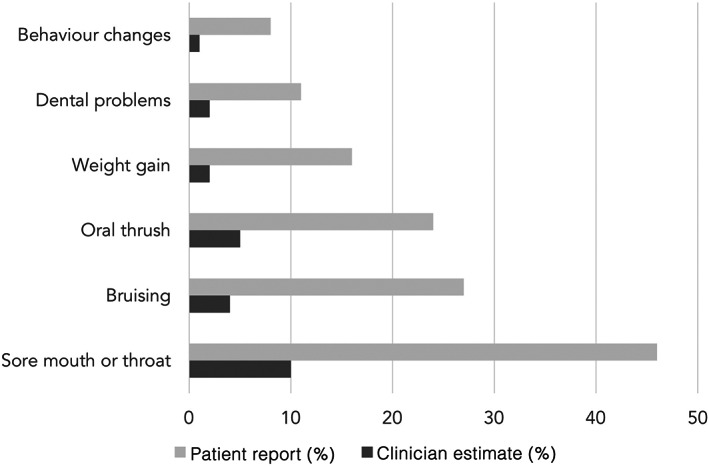
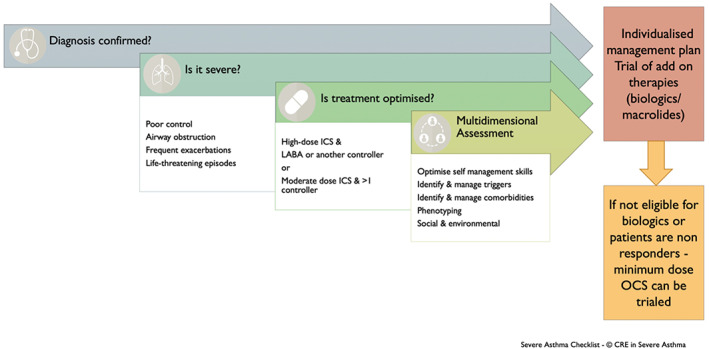
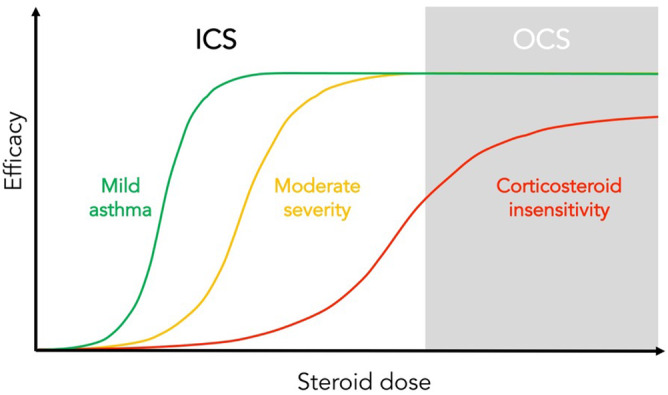
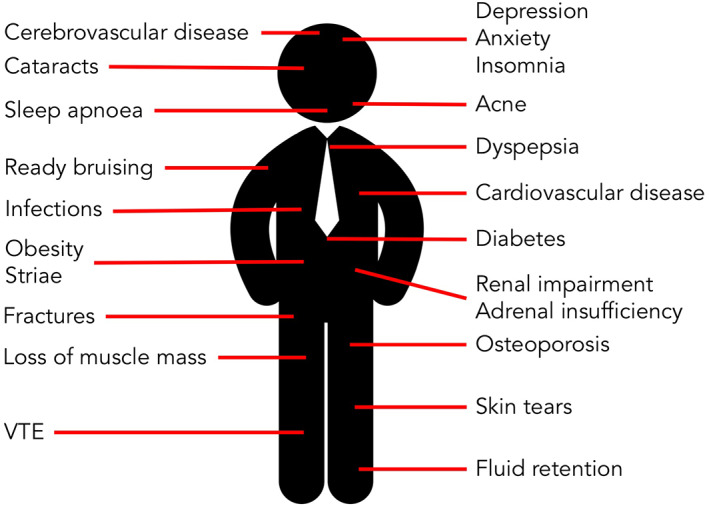
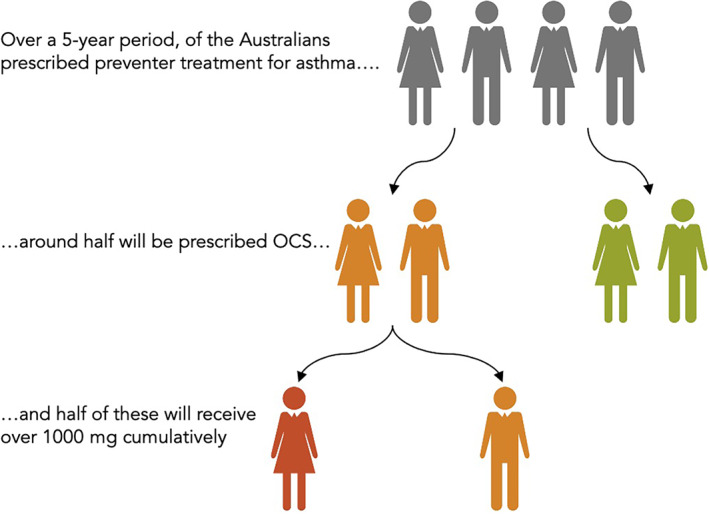
Oral corticosteroids (OCS) are frequently used for asthma treatment. This medication is highly effective for both acute and chronic diseases, but evidence indicates that indiscriminate OCS use is common, posing a risk of serious side effects and irreversible harm. There is now an urgent need to introduce OCS stewardship approaches, akin to successful initiatives that optimized appropriate antibiotic usage. The aim of this TSANZ (Thoracic Society of Australia and New Zealand) position paper is to review current knowledge pertaining to OCS use in asthma and then delineate principles of OCS stewardship. Recent evidence indicates overuse and over-reliance on OCS for asthma and that doses >1000 mg prednisolone-equivalent cumulatively are likely to have serious side effects and adverse outcomes. Patient perspectives emphasize the detrimental impacts of OCS-related side effects such as weight gain, insomnia, mood disturbances and skin changes. Improvements in asthma control and prevention of exacerbations can be achieved by improved inhaler technique, adherence to therapy, asthma education, smoking cessation, multidisciplinary review, optimized medications and other strategies. Recently, add-on therapies including novel biological agents and macrolide antibiotics have demonstrated reductions in OCS requirements. Harm reduction may also be achieved through identification and mitigation of predictable adverse effects. OCS stewardship should entail greater awareness of appropriate indications for OCS prescription, risk-benefits of OCS medications, side effects, effective add-on therapies and multidisciplinary review. If implemented, OCS stewardship can ensure that clinicians and patients with asthma are aware that OCS should not be used lightly, while providing reassurance that asthma can be controlled in most people without frequent use of OCS.
口服皮质类固醇(OCS)常用于哮喘治疗。这种药物对急性和慢性疾病都非常有效,但有证据表明,OCS 的滥用非常普遍,这会带来严重副作用和不可逆转伤害的风险。现在迫切需要引入 OCS 管理方法,就像成功优化抗生素使用的举措一样。这份澳大利亚和新西兰胸科协会(TSANZ)立场文件的目的是回顾目前关于哮喘中 OCS 使用的知识,然后阐述 OCS 管理的原则。最近的证据表明,OCS 在哮喘中的过度使用和过度依赖,累积剂量>1000mg 泼尼松等效剂量可能会产生严重的副作用和不良后果。患者观点强调了 OCS 相关副作用的不利影响,如体重增加、失眠、情绪紊乱和皮肤变化。通过改进吸入器技术、坚持治疗、哮喘教育、戒烟、多学科审查、优化药物和其他策略,可以改善哮喘控制和预防加重。最近,包括新型生物制剂和大环内酯类抗生素在内的附加疗法已证明可以减少 OCS 的需求。通过识别和减轻可预测的不良反应,也可以减少伤害。OCS 管理应包括提高对 OCS 处方适当指征、OCS 药物的风险效益、副作用、有效附加疗法和多学科审查的认识。如果实施,OCS 管理可以确保哮喘患者和临床医生意识到 OCS 不应轻易使用,同时让他们放心,在大多数人中,哮喘可以通过不频繁使用 OCS 来控制。