State Key Laboratory of Medical Neurobiology, MOE Frontier Center for Brain Science and Institutes of Brain Science, Fudan University, Shanghai, China.
Department of Anesthesiology and Critical Care, Perelman School of Medicine at the University of Pennsylvania, Philadelphia, PA19104, USA.
J Neuroimmune Pharmacol. 2022 Jun;17(1-2):350-366. doi: 10.1007/s11481-021-10025-4. Epub 2021 Oct 1.
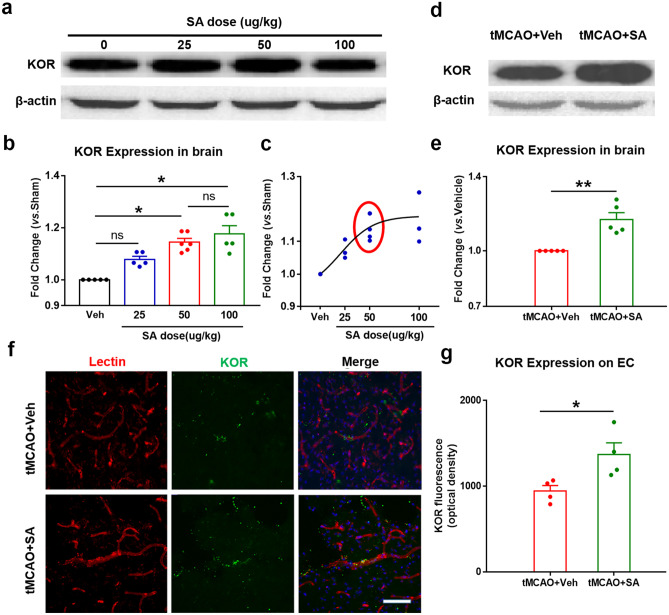
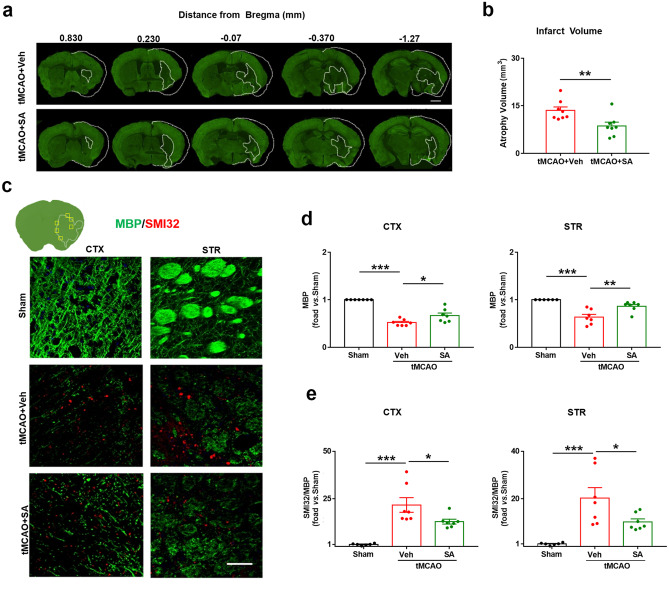
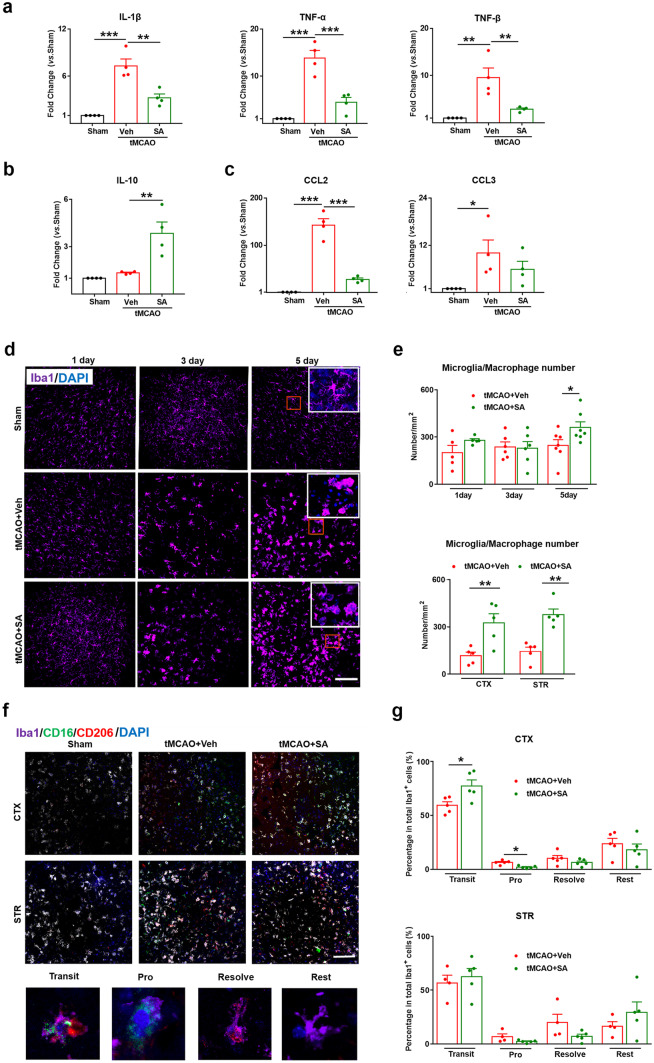
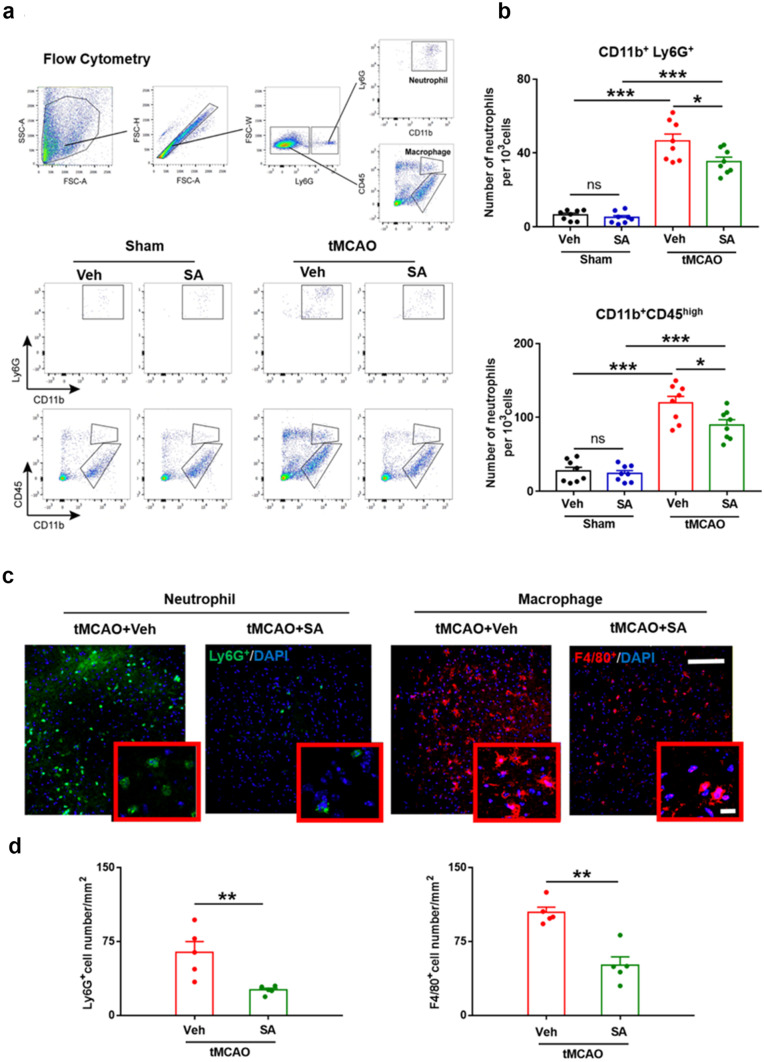
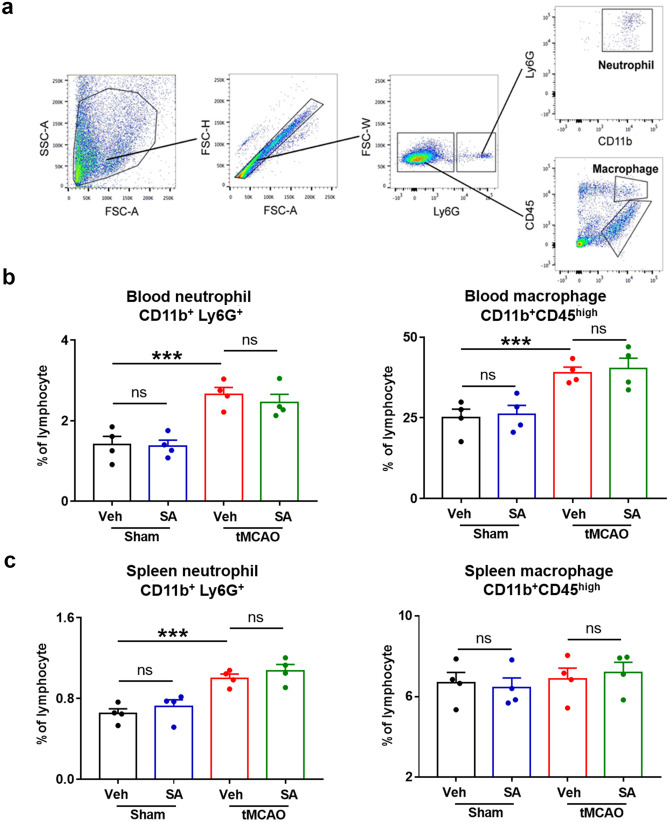
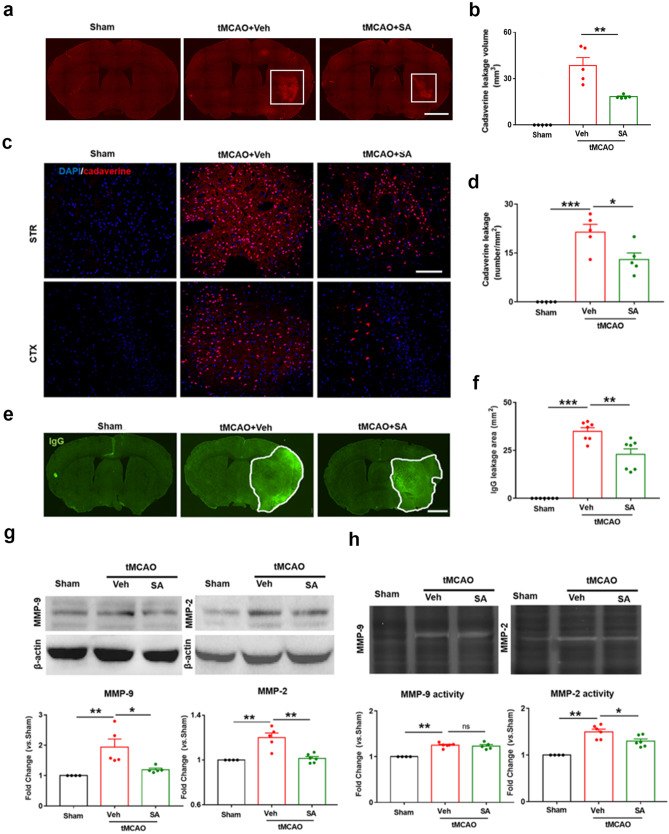
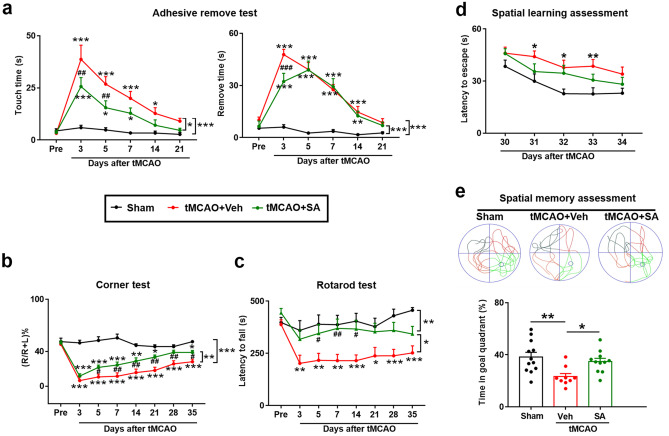
Salvinorin A (SA), a highly selective kappa opioid receptor agonist, has been shown to reduce brain infarct volume and improve neurological function after ischemic stroke. However, the underlying mechanisms have not been fully understood yet. Therefore, we explored whether SA provides neuroprotective effects by regulating the immune response after ischemic stroke both in the central nervous system (CNS) and peripheral circulation. In this study, adult male mice were subjected to transient Middle Cerebral Artery Occlusion (tMCAO) and then were treated intranasally with SA (50 μg/kg) or with the vehicle dimethyl sulfoxide (DMSO). Multiple behavioral tests were used to evaluate neurofunction. Flow cytometry and immunofluorescence staining were used to evaluate the infiltration of peripheral immune cells into the brain. The tracer cadaverine and endogenous immunoglobulin G (IgG) extravasation were used to detect blood brain barrier leakage. We observed that SA intranasal administration after ischemic stroke decreased the expression of pro-inflammatory factors in the brain. SA promoted the polarization of microglia/macrophages into a transitional phenotype and decreased the pro-inflammatory phenotype in the brain after tMCAO. Interestingly, SA treatment scarcely altered the number of peripheral immune cells but decreased the macrophage and neutrophil infiltration into the brain at 24 h after tMCAO. Furthermore, SA treatment also preserved BBB integrity, reduced long-term brain atrophy and white matter injury, as well as improved the long-term neurofunctional outcome in mice. In this study, intranasal administration of SA improved long-term neurological function via immuno-modulation and by preserving blood-brain barrier integrity in a mouse ischemic stroke model, suggesting that SA could potentially serve as an alternative treatment strategy for ischemic stroke.
Salvinorin A(SA)是一种高选择性κ阿片受体激动剂,已被证明可减少缺血性中风后的脑梗死体积并改善神经功能。然而,其潜在机制尚未完全阐明。因此,我们探讨了 SA 是否通过调节缺血性中风后中枢神经系统(CNS)和外周循环中的免疫反应来提供神经保护作用。在这项研究中,成年雄性小鼠接受短暂性大脑中动脉闭塞(tMCAO),然后经鼻腔给予 SA(50μg/kg)或载体二甲基亚砜(DMSO)治疗。多项行为测试用于评估神经功能。流式细胞术和免疫荧光染色用于评估外周免疫细胞向大脑的浸润。示踪尸胺和内源性免疫球蛋白 G(IgG)外渗用于检测血脑屏障渗漏。我们观察到缺血性中风后 SA 鼻腔给药可降低大脑中促炎因子的表达。SA 促进小胶质细胞/巨噬细胞向过渡表型极化,并减少 tMCAO 后大脑中的促炎表型。有趣的是,SA 治疗几乎不会改变外周免疫细胞的数量,但可减少 tMCAO 后 24 小时大脑中的巨噬细胞和中性粒细胞浸润。此外,SA 治疗还可保持 BBB 完整性,减少长期脑萎缩和白质损伤,并改善小鼠的长期神经功能预后。在这项研究中,SA 通过免疫调节和保护血脑屏障完整性改善了缺血性中风模型小鼠的长期神经功能,提示 SA 可能成为缺血性中风的一种替代治疗策略。