Department of Human Anatomy, Faculty of Medicine and Health Sciences, Universiti Putra Malaysia, 43400 UPM, Serdang, Selangor Darul Ehsan, Malaysia.
School of Science, RMIT University, Melbourne, VIC, 3001, Australia.
BMC Complement Med Ther. 2021 Oct 1;21(1):245. doi: 10.1186/s12906-021-03417-9.
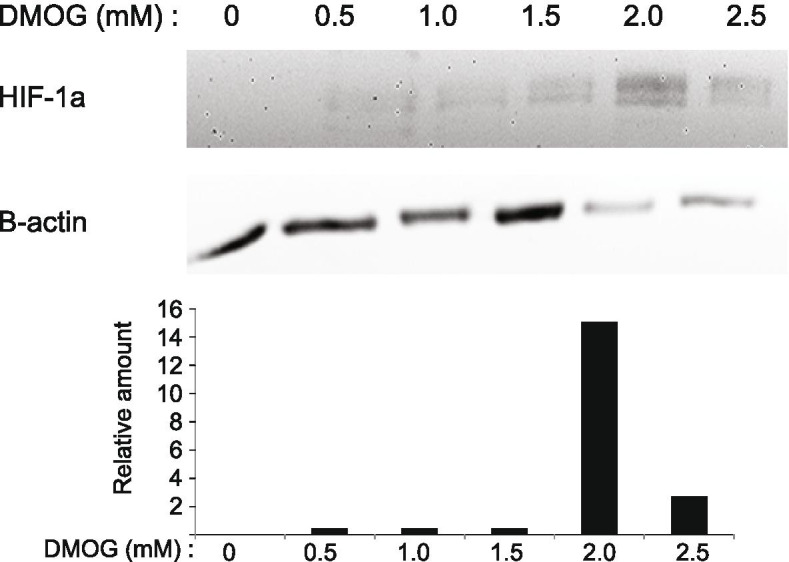
Adaptive metabolic response towards a low oxygen environment is essential to maintain rapid tumour proliferation and progression. The vascular network that surrounds the tumour develops an intermittent hypoxic condition and stimulates hypoxia-inducing factors. Baeckea frutescens is used in traditional medicine and known to possess antibacterial and cytoprotective properties. In this study, the cytotoxic effect of B. frutescens leaves and branches extracts against hypoxic human breast cancer (MCF-7) was investigated.
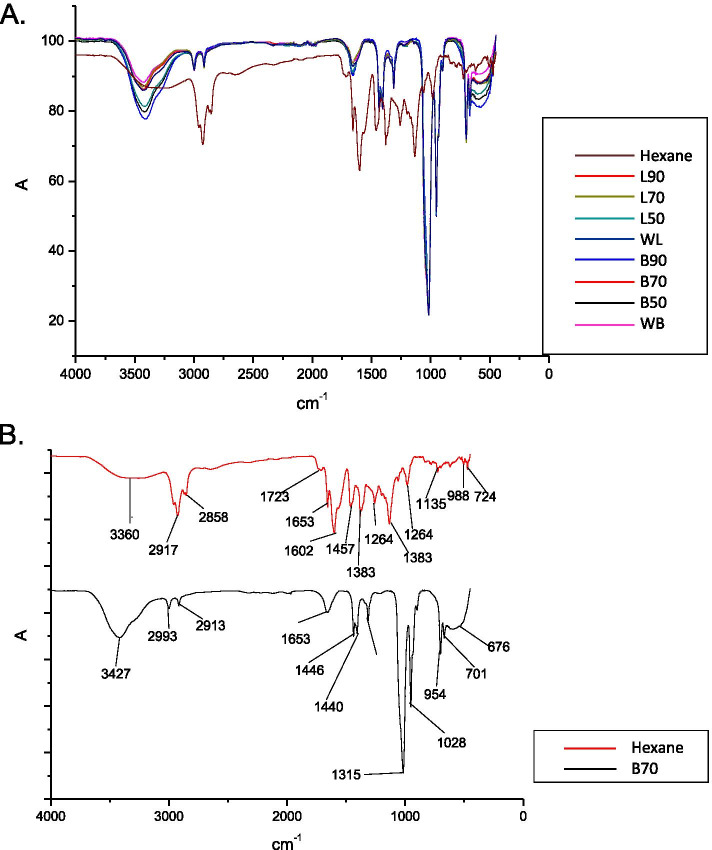
The extracts were prepared using Soxhlet apparatus for ethanol and hexane extracts while the water extracts were freeze-dried. In vitro cytotoxic activities of B. frutescens extracts of various concentrations (20 to 160 μg/mL) at 24, 48, and 72 hours time points were studied using MTT in chemically induced hypoxic condition and in 3-dimensional in vitro cell culture system. An initial characterisation of B. frutescens extracts was carried out using Fourier-transform Infrared- Attenuated Total Reflection (FTIR-ATR) to determine the presence of functional groups.
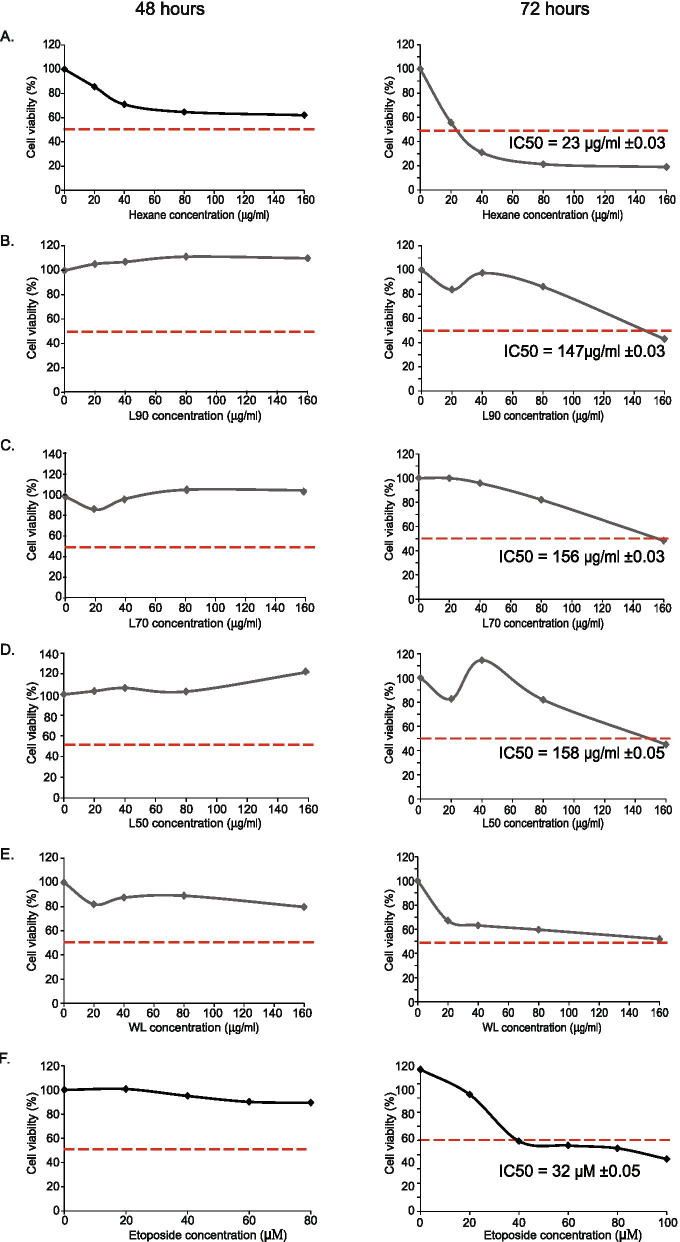
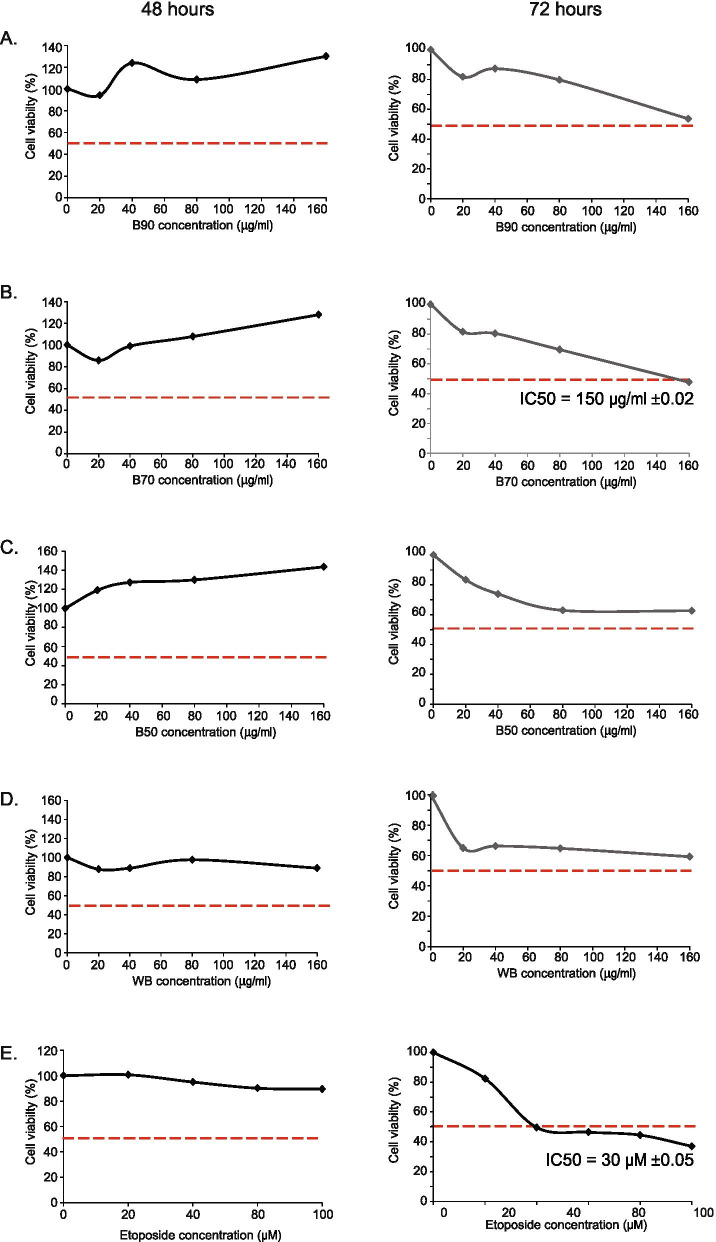
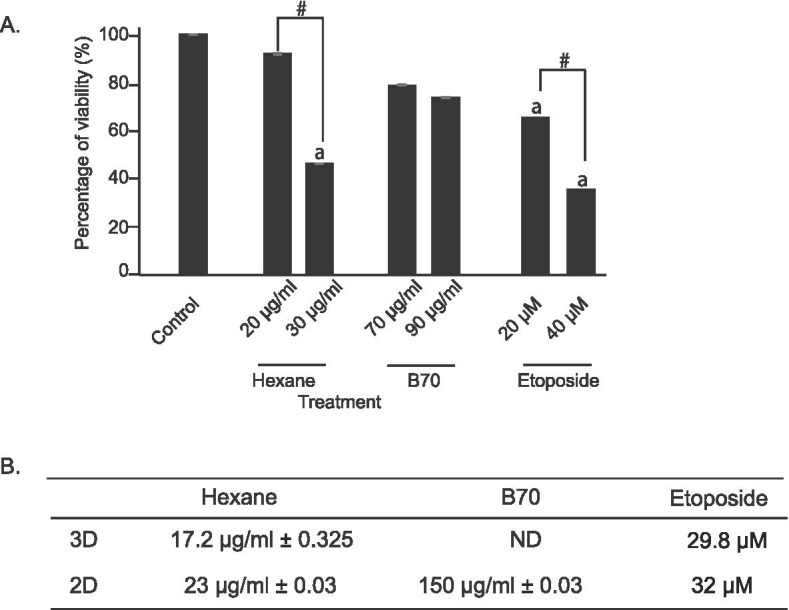
All leaf extracts except for water showed IC50 values ranging from 23 -158 μg/mL. Hexane extract showed the lowest IC50 value (23 μg/mL), indicating its potent cytotoxic activity. Among the branch extracts, only the 70% ethanolic extract (B70) showed an IC50 value. The hexane leaf extract tested on 3- dimensional cultured cells showed an IC50 value of 17.2 μg/mL. The FTIR-ATR spectroscopy analysis identified various characteristic peak values with different functional groups such as alcohol, alkenes, alkynes, carbonyl, aromatic rings, ethers, ester, and carboxylic acids. Interestingly, the FTIR-ATR spectra report a complex and unique profile of the hexane extract, which warrants further investigation.
Adaptation of tumour cells to hypoxia significantly contributes to the aggressiveness and chemoresistance of different tumours. The identification of B. frutescens and its possible role in eliminating breast cancer cells in hypoxic conditions defines a new role of natural product that can be utilised as an effective agent that regulates metabolic reprogramming in breast cancer.
适应低氧环境的代谢反应对于维持肿瘤的快速增殖和进展至关重要。围绕肿瘤的血管网络会发展出间歇性缺氧状态,并刺激缺氧诱导因子。山芝麻在传统医学中被使用,已知具有抗菌和细胞保护特性。在这项研究中,研究了山芝麻叶和枝提取物对缺氧人乳腺癌(MCF-7)的细胞毒性作用。
使用索氏提取器从乙醇和己烷提取物中制备提取物,而水提取物则通过冷冻干燥制备。在化学诱导的缺氧条件下和三维体外细胞培养系统中,研究了山芝麻提取物的各种浓度(20 至 160 μg/mL)在 24、48 和 72 小时时间点的体外细胞毒性活性,采用 MTT 测定。使用傅里叶变换红外衰减全反射(FTIR-ATR)对山芝麻提取物进行初步表征,以确定功能基团的存在。
除水提取物外,所有叶提取物均显示出 IC50 值范围为 23-158 μg/mL。己烷提取物显示出最低的 IC50 值(23 μg/mL),表明其具有很强的细胞毒性活性。在树枝提取物中,只有 70%乙醇提取物(B70)显示出 IC50 值。在三维培养细胞上测试的己烷叶提取物的 IC50 值为 17.2 μg/mL。FTIR-ATR 光谱分析确定了不同功能基团的各种特征峰值,如醇、烯烃、炔烃、羰基、芳环、醚、酯和羧酸。有趣的是,FTIR-ATR 光谱报告了己烷提取物的复杂而独特的特征,这需要进一步研究。
肿瘤细胞对缺氧的适应显著促进了不同肿瘤的侵袭性和化疗耐药性。山芝麻的鉴定及其在缺氧条件下消除乳腺癌细胞的可能作用定义了天然产物的新作用,可以用作调节乳腺癌代谢重编程的有效药物。