Shi Yueqi, Yu Yejia, Zhou Yuqiong, Zhao Jun, Zhang Wenjie, Zou Duohong, Song Weichen, Wang Shaoyi
Department of Oral Surgery, Shanghai Key Laboratory of Stomatology, National Center for Stomatology, National Clinical Research Center for Oral Diseases, College of Stomatology, Shanghai Ninth People's Hospital, Shanghai Jiao Tong University School of Medicine, Shanghai Jiao Tong University, Shanghai, China.
Department of Stomatology, Tongren Hospital, Shanghai Jiao Tong University School of Medicine, Shanghai, 200336, China.
Cell Biosci. 2021 Oct 2;11(1):178. doi: 10.1186/s13578-021-00691-5.
Development of dental tissue is regulated by extensive cell crosstalk based on various signaling molecules, such as bone morphogenetic protein (BMP) and fibroblast growth factor (FGF) pathways. However, an intact network of the intercellular regulation is still lacking.
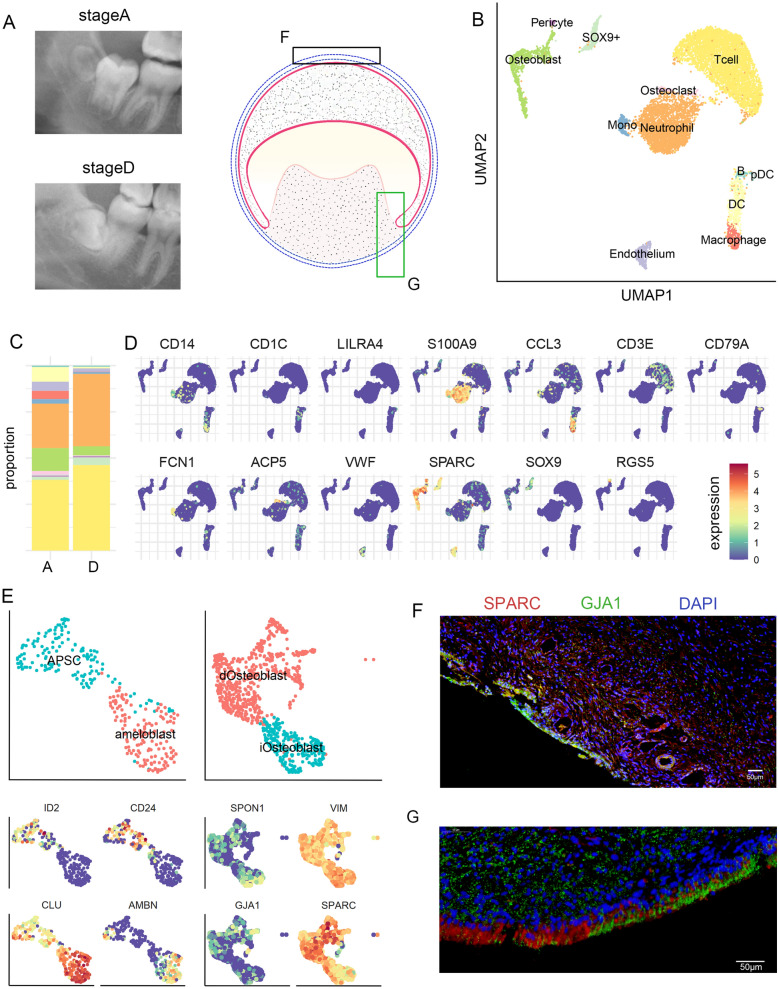
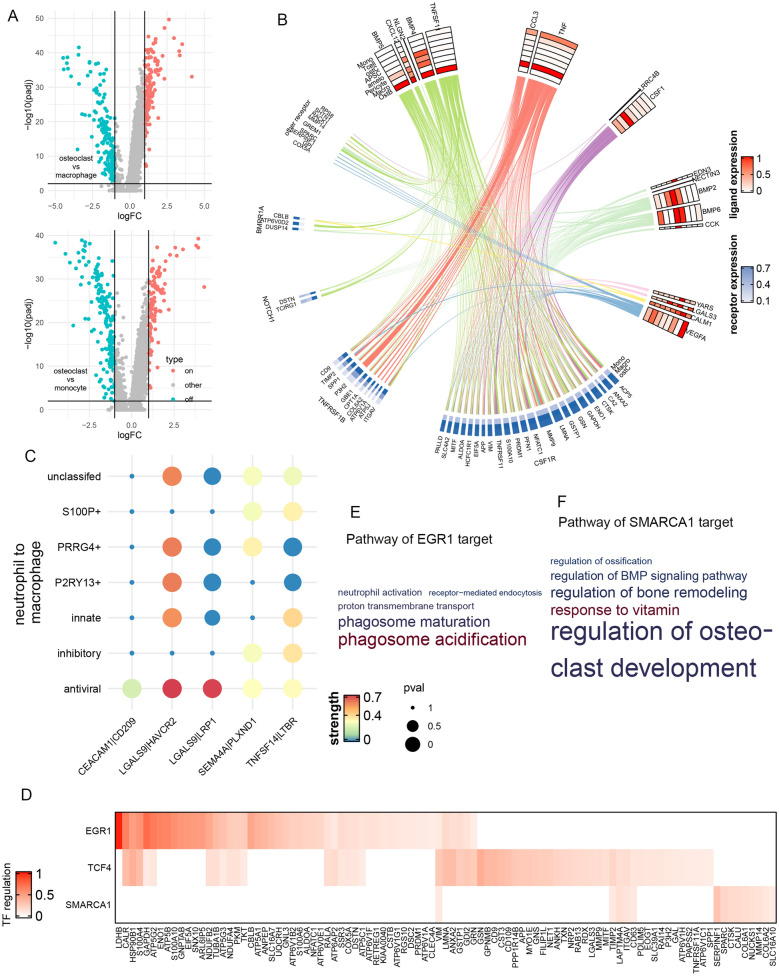
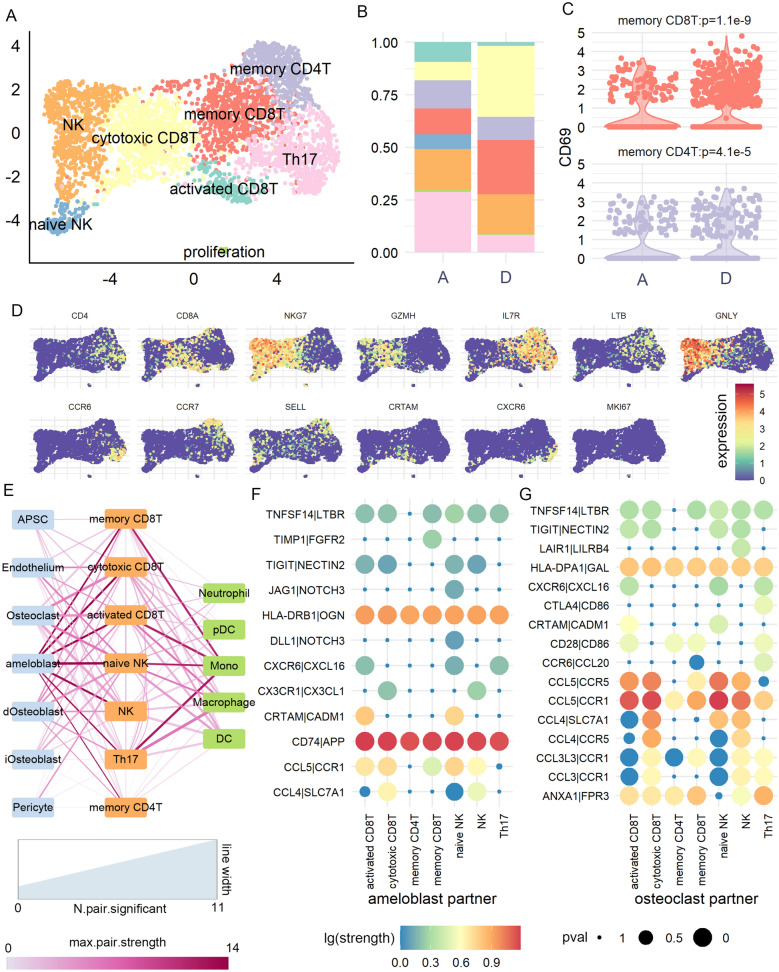
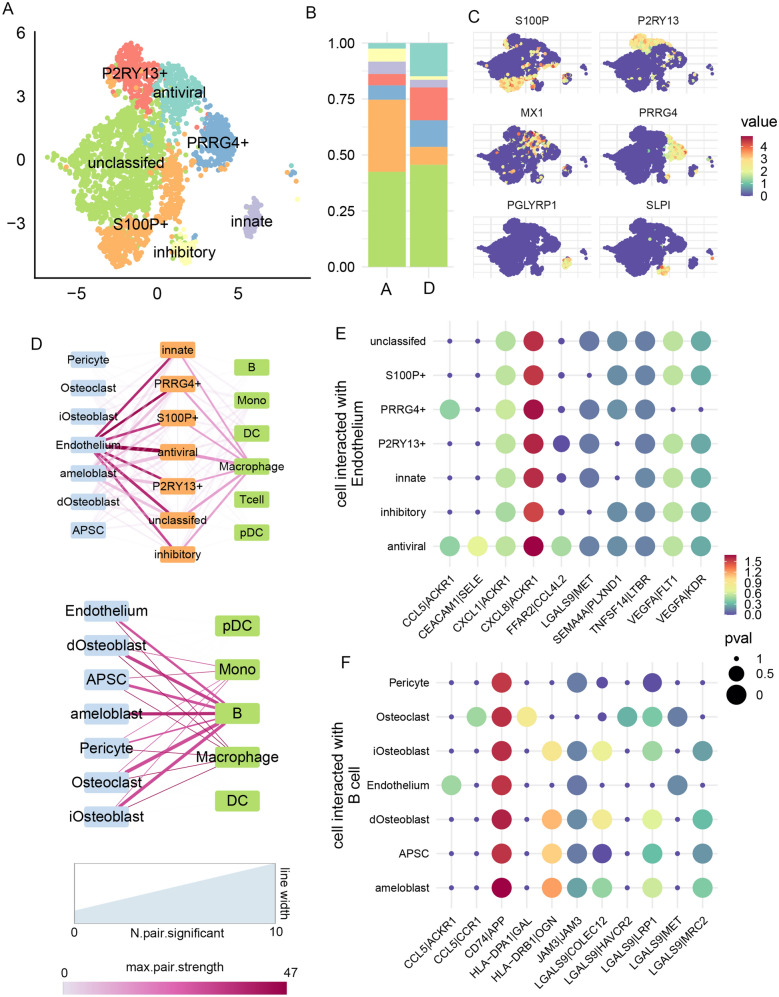
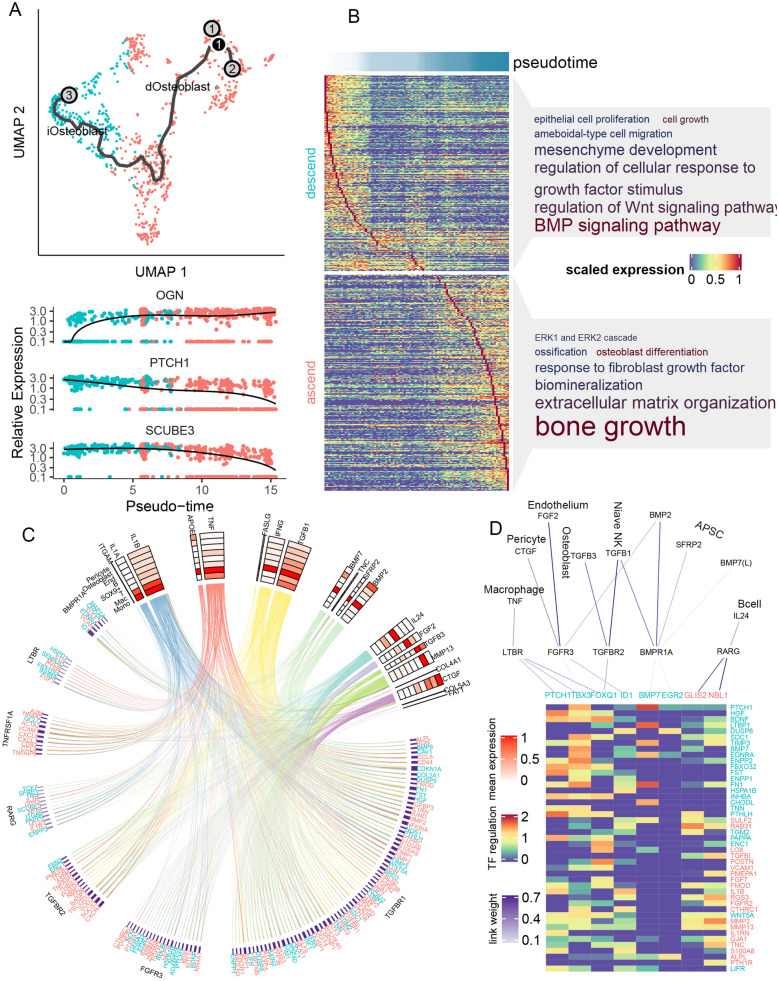
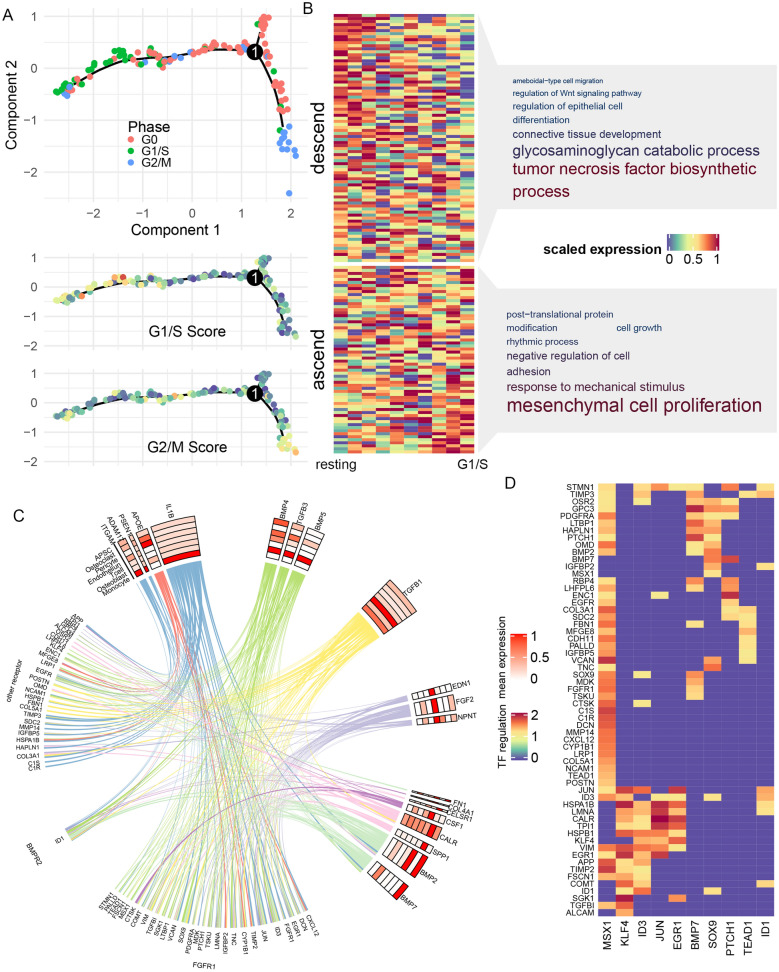
To gain an unbiased and comprehensive view of this dental cell interactome, we applied single-cell RNA-seq on immature human tooth germ of the growing third molar, discovered refined cell subtypes, and applied multiple network analysis to identify the central signaling pathways. We found that immune cells made up over 80% of all tooth germ cells, which exhibited profound regulation on dental cells via Transforming growth factor-β, Tumor necrosis factor (TNF) and Interleukin-1. During osteoblast differentiation, expression of genes related to extracellular matrix and mineralization was continuously elevated by signals from BMP and FGF family. As for the self-renewal of apical papilla stem cell, BMP-FGFR1-MSX1 pathway directly regulated the G0-to-S cell cycle transition. We also confirmed that Colony Stimulating Factor 1 secreted from pericyte and TNF Superfamily Member 11 secreted from osteoblast regulated a large proportion of genes related to osteoclast transformation from macrophage and monocyte.
We constructed the intercellular signaling networks that regulated the essential developmental process of human tooth, which served as a foundation for future dental regeneration engineering and the understanding of oral pathology.
牙组织的发育受基于多种信号分子(如骨形态发生蛋白(BMP)和成纤维细胞生长因子(FGF)信号通路)的广泛细胞间相互作用调控。然而,细胞间调控的完整网络仍未明确。
为了全面且无偏差地了解这种牙细胞相互作用组,我们对正在生长的第三磨牙的未成熟人牙胚进行了单细胞RNA测序,发现了精细的细胞亚群,并应用多种网络分析来确定核心信号通路。我们发现免疫细胞占所有牙胚细胞的80%以上,它们通过转化生长因子-β、肿瘤坏死因子(TNF)和白细胞介素-1对牙细胞表现出深远的调控作用。在成骨细胞分化过程中,细胞外基质和矿化相关基因的表达通过BMP和FGF家族的信号持续升高。至于根尖乳头干细胞的自我更新,BMP-FGFR1-MSX1信号通路直接调控G0到S期的细胞周期转换。我们还证实,周细胞分泌的集落刺激因子1和成骨细胞分泌的TNF超家族成员11调控了很大一部分与巨噬细胞和单核细胞向破骨细胞转化相关的基因。
我们构建了调控人牙基本发育过程的细胞间信号网络,这为未来的牙再生工程和口腔病理学研究奠定了基础。