National Engineering Research Center for Bioengineering Drugs and the Technologies, Institute of Translational Medicine, Nanchang University, Nanchang, China.
Harbin Meihua Biotechnology Co., Ltd, Research and Development Center, Haerbin, China.
Front Cell Infect Microbiol. 2021 Sep 17;11:719542. doi: 10.3389/fcimb.2021.719542. eCollection 2021.
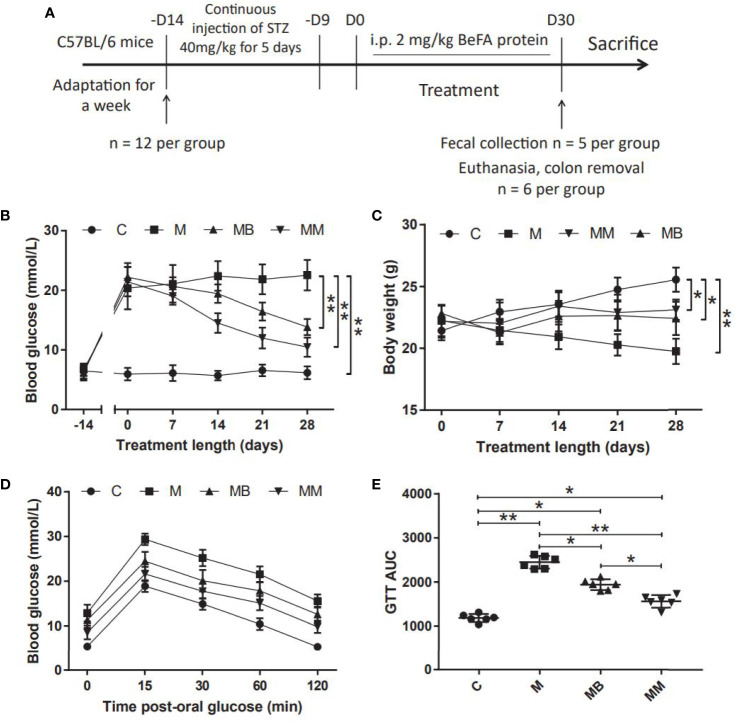
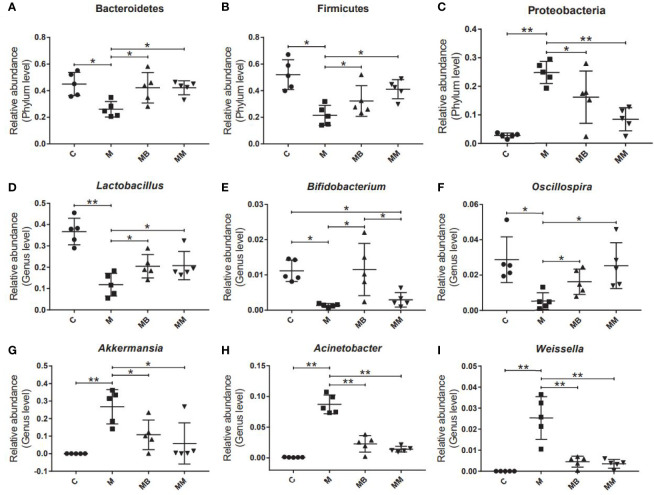
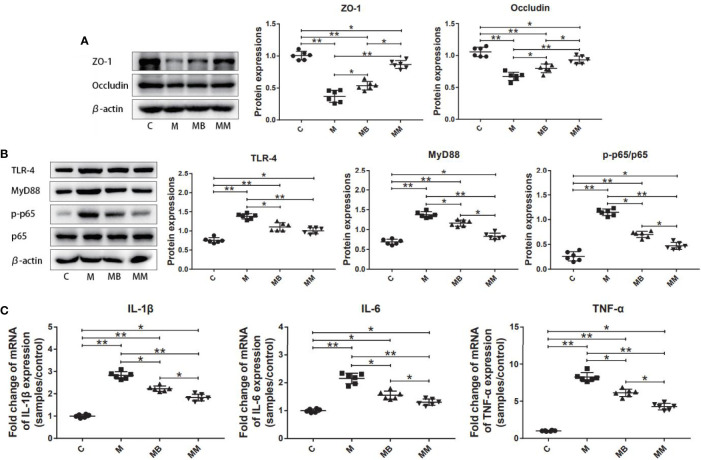
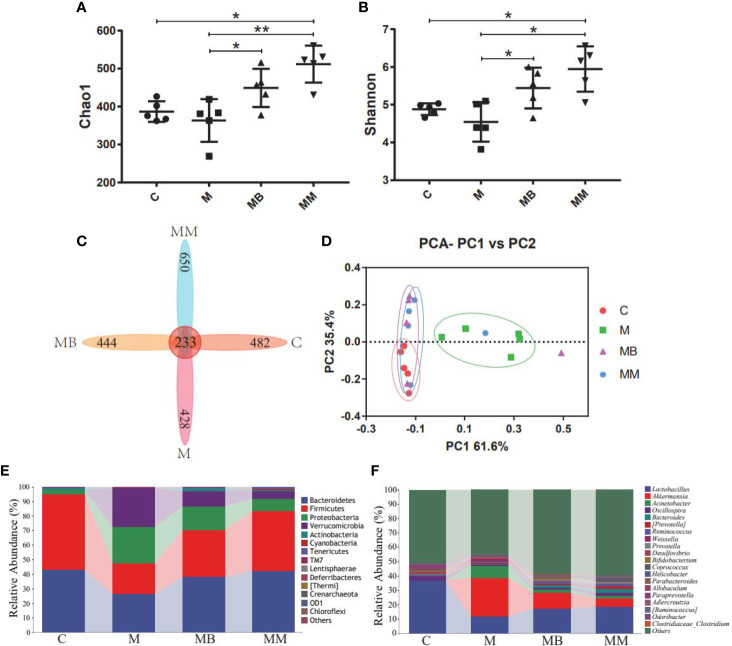
More and more studies have shown that the intestinal microbiota is the main factor in the pathogenesis of type 1 diabetes mellitus (T1DM). Beta cell expansion factor A (BefA) is a protein expressed by intestinal microorganisms. It has been proven to promote the proliferation of β-cells and has broad application prospects. However, as an intestinal protein, there have not been studies and reports on its application in diabetes and its mechanism of action. In this study, a T1DM model induced by multiple low-dose STZ (MLD-STZ) injections was established, and BefA protein was administered to explore its therapeutic effect in T1DM and the potential mechanism of intestinal microbiota. BefA protein significantly reduced the blood glucose, maintained the body weight, and improved the glucose tolerance of the mice. At the same time, the BefA protein significantly increased the expression of ZO-1, Occludin, and significantly reduced the expression of TLR-4, Myd88, and p-p65/p65. BefA protein significantly reduced the relative expression of pro-inflammatory cytokines IL-1β, IL-6 and TNF-α. In addition, our high-throughput sequencing shows for the first time that the good hypoglycemic effect of BefA protein is strongly related to the increase in the abundance of the beneficial gut bacteria , and and the decrease in the abundance of the opportunistic pathogen . Our group used animal models to verify the hypoglycemic effect of BefA protein, and first explored the potential mechanism of intestinal microbiota in BefA protein treatment.
越来越多的研究表明,肠道微生物群是 1 型糖尿病(T1DM)发病机制的主要因素。β细胞扩张因子 A(BefA)是一种由肠道微生物表达的蛋白质。它已被证明可促进β细胞的增殖,具有广阔的应用前景。然而,作为一种肠道蛋白,尚无关于其在糖尿病中的应用及其作用机制的研究和报道。在本研究中,建立了多次低剂量 STZ(MLD-STZ)注射诱导的 T1DM 模型,并给予 BefA 蛋白,以探索其在 T1DM 中的治疗作用及其对肠道微生物群的潜在机制。BefA 蛋白显著降低了血糖,维持了体重,并改善了小鼠的葡萄糖耐量。同时,BefA 蛋白显著增加了 ZO-1、Occludin 的表达,显著降低了 TLR-4、Myd88 和 p-p65/p65 的表达。BefA 蛋白显著降低了促炎细胞因子 IL-1β、IL-6 和 TNF-α的相对表达。此外,我们的高通量测序首次表明,BefA 蛋白的良好降血糖作用与有益肠道细菌的丰度增加和机会性病原体的丰度降低密切相关。我们小组使用动物模型验证了 BefA 蛋白的降血糖作用,并首次探索了肠道微生物群在 BefA 蛋白治疗中的潜在机制。