Chu Shufang, Liu Deliang, Zhao Hengxia, Shao Mumin, Liu Xuemei, Qu Xin, Li Zengying, Li Jinhua, Li Huilin
Department of Endocrinology, Shenzhen TCM Hospital, The Fourth Clinical Medical College of Guangzhou University of Chinese Medicine, Shenzhen 518033, China.
Department of Pathology, Shenzhen TCM Hospital, The Fourth Clinical Medical College of Guangzhou University of Chinese Medicine, Shenzhen 518033, China.
Evid Based Complement Alternat Med. 2021 Sep 24;2021:7383062. doi: 10.1155/2021/7383062. eCollection 2021.
To explore the effect and mechanism of ZJP on DOP rats by proteomic analysis.
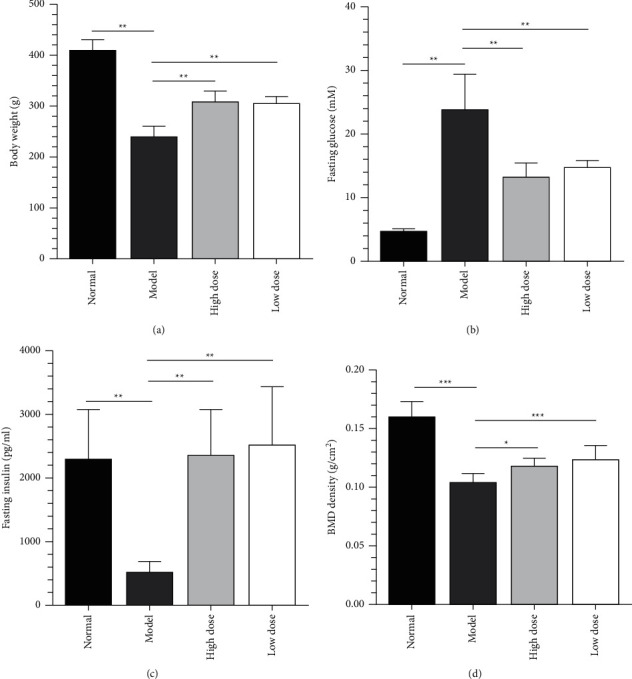
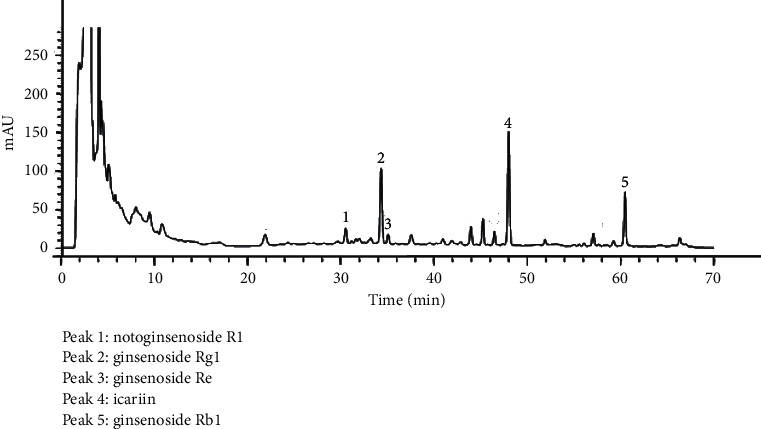
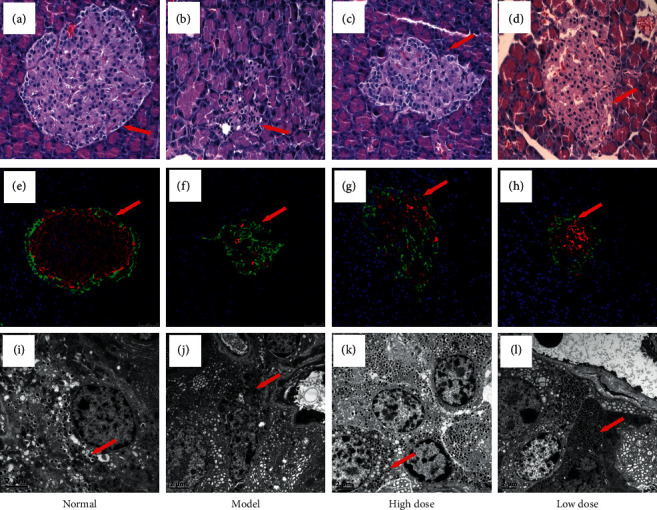
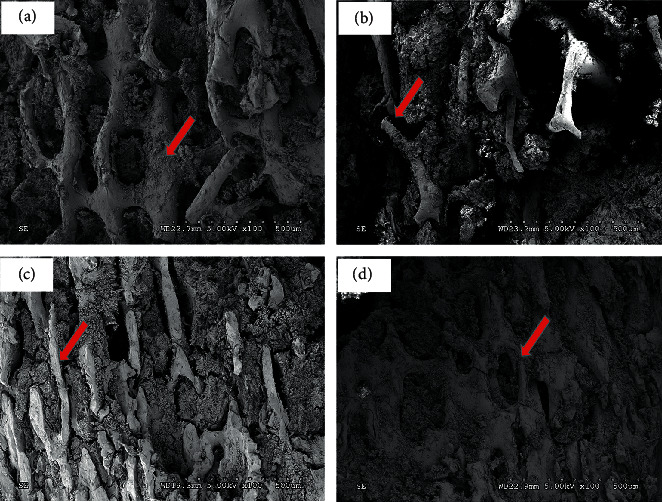
After the establishment of diabetes model by Streptozocin (STZ, 60 mg/kg), 40 Wistar rats were equally divided into normal group, model group (diabetic rats), high-dose group (3.0 g/kg/d ZJP), and low-dose group (1.5 g/kg/d ZJP) and received treatment for 3 months. Histological changes in bone and pancreas tissues were observed by hematoxylin and eosin staining, electron microscopy, and immunofluorescence. Proteomic and bioinformatic analyses were performed to identify the differentially expressed proteins. The fingerprint and active ingredients of ZJP were identified via high-performance liquid chromatography (HPLC).
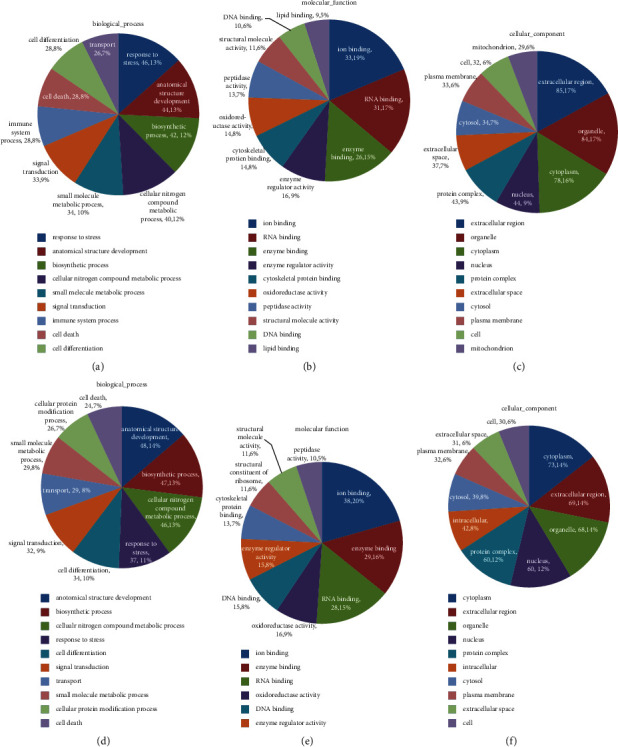
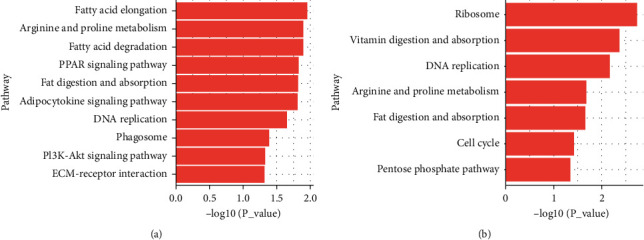
Compared with the model group, ZJP could rescue the weight, fasting blood glucose, and fasting insulin of rats in both high-dose and low-dose group. ZJP could also improve the microstructures of pancreatic islet cells, bone mass, and trabecular and marrow cavities in DOP rats. Bioinformatic analysis suggested that ZJP might influence DOP via multiple pathways, mainly including ribosomes, vitamin digestion and absorption, and fat digestion and absorption. The primary active ingredients, including notoginsenoside R1, ginsenoside Rg1, ginsenoside Re, icariin, and ginsenoside Rb1, were detected.
ZJP could significantly improve the histomorphology and ultrastructure of bone and islets tissues and might serve as an effective alternative medicine for the treatment of DOP.
通过蛋白质组学分析探讨贞芪扶正颗粒(ZJP)对糖尿病骨质疏松(DOP)大鼠的作用及机制。
采用链脲佐菌素(STZ,60 mg/kg)建立糖尿病模型后,将40只Wistar大鼠平均分为正常组、模型组(糖尿病大鼠)、高剂量组(3.0 g/kg/d ZJP)和低剂量组(1.5 g/kg/d ZJP),并接受治疗3个月。通过苏木精-伊红染色、电子显微镜和免疫荧光观察骨和胰腺组织的组织学变化。进行蛋白质组学和生物信息学分析以鉴定差异表达的蛋白质。通过高效液相色谱(HPLC)鉴定ZJP的指纹图谱和活性成分。
与模型组相比,ZJP可使高剂量组和低剂量组大鼠的体重、空腹血糖和空腹胰岛素恢复正常。ZJP还可改善DOP大鼠胰岛细胞的微观结构、骨量以及小梁和骨髓腔。生物信息学分析表明,ZJP可能通过多种途径影响DOP,主要包括核糖体、维生素消化吸收和脂肪消化吸收。检测到主要活性成分,包括三七皂苷R1、人参皂苷Rg1、人参皂苷Re、淫羊藿苷和人参皂苷Rb1。
ZJP可显著改善骨和胰岛组织的组织形态学和超微结构,可能成为治疗DOP的有效替代药物。