Kaczmarczyk Jan A, Roberts Rhonda R, Luke Brian T, Chan King C, Van Wagoner Carly M, Felder Robin A, Saul Richard G, Simona Colantonio, Blonder Josip
Antibody Characterization Laboratory, Cancer Research Technology Program, Frederick National Laboratory for Cancer Research, Frederick, MD 21701, USA.
Advanced Biomedical Computational Science, Frederick National Laboratory for Cancer Research, Frederick, MD 21701, USA.
Oncotarget. 2021 Sep 28;12(20):2022-2038. doi: 10.18632/oncotarget.28072.
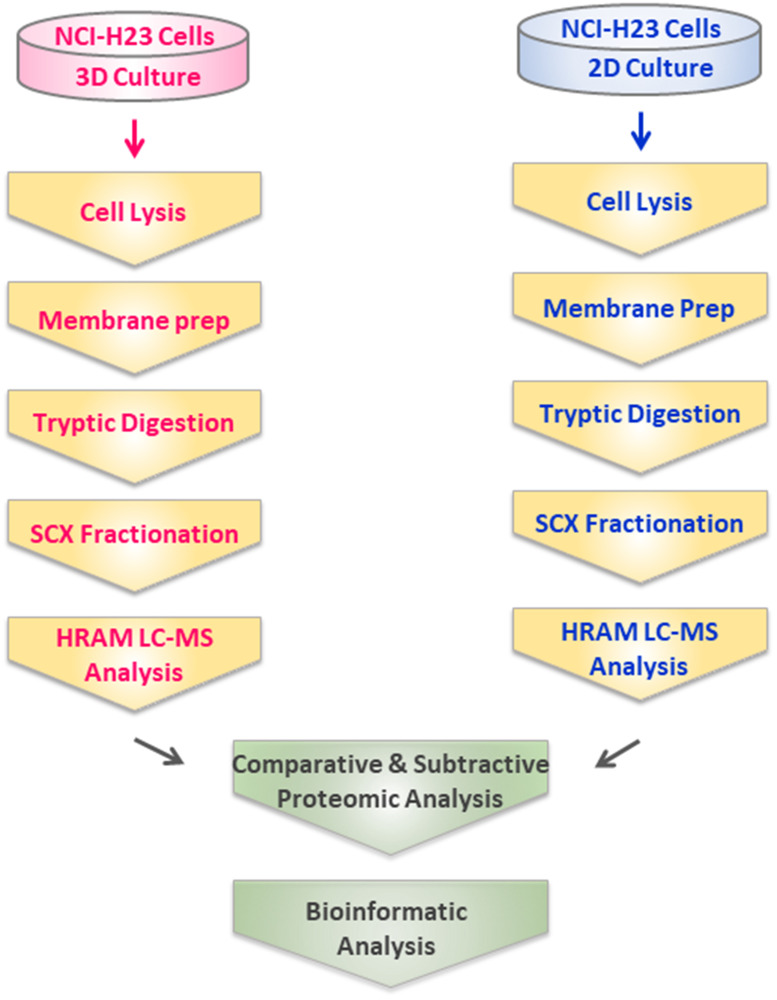
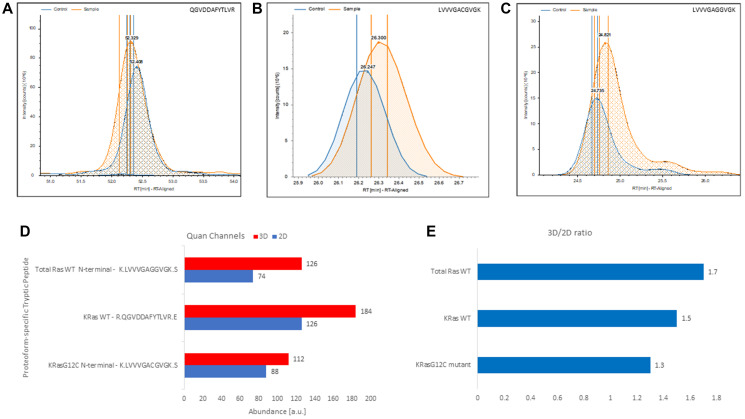
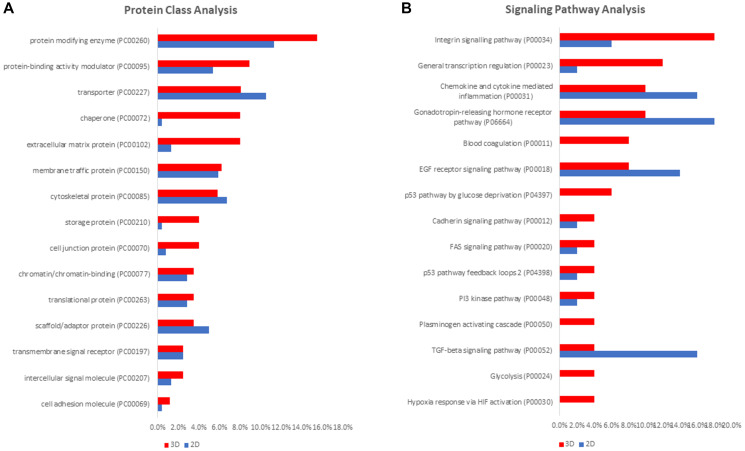
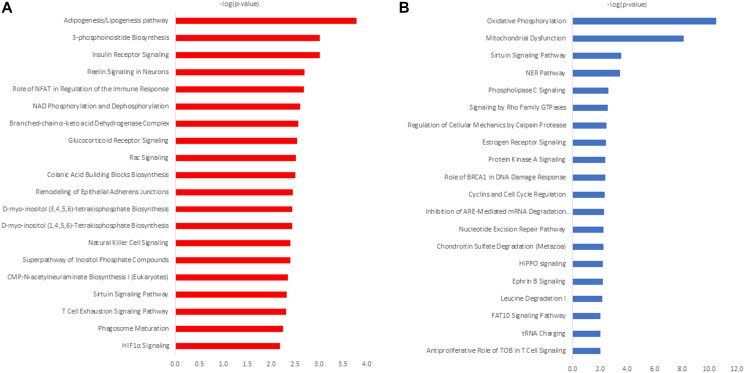
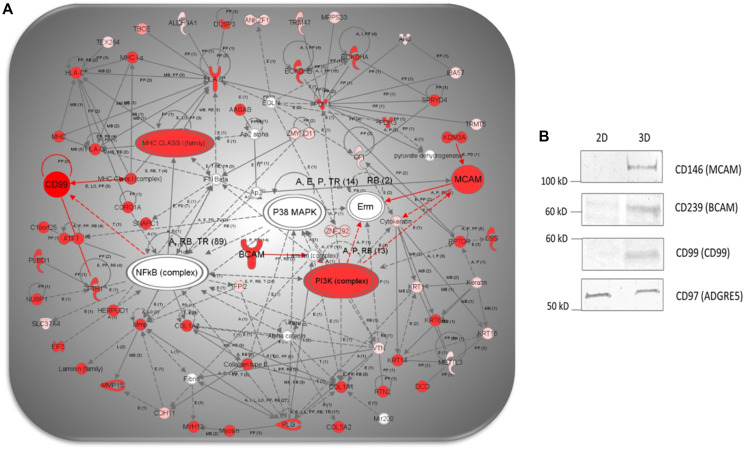
Lung cancer is the leading cause of cancer-related deaths in the USA and worldwide. Yet, about 95% of new drug candidates validated in preclinical phase eventually fail in clinical trials. Such a high attrition rate is attributed mostly to the inability of conventional two-dimensionally (2D) cultured cancer cells to mimic native three-dimensional (3D) growth of malignant cells in human tumors. To ascertain phenotypical differences between these two distinct culture conditions, we carried out a comparative proteomic analysis of a membrane fraction obtained from 3D- and 2D-cultured NSCLC model cell line NCI-H23. This analysis revealed a map of 1,166 (24%) protein species regulated in culture dependent manner, including differential regulation of a subset of cell surface-based CD molecules. We confirmed exclusive expression of CD99, CD146 and CD239 in 3D culture. Furthermore, label-free quantitation, targeting KRas proteoform-specific peptides, revealed upregulation of both wild type and monoallelic KRas4B mutant at the surface of 3D cultured cells. In order to reduce the high attrition rate of new drug candidates, the results of this study strongly suggests exploiting base-line molecular profiling of a large number of patient-derived NSCLC cell lines grown in 2D and 3D culture, prior to actual drug candidate testing.
肺癌是美国和全球癌症相关死亡的主要原因。然而,在临床前阶段验证的新药候选物中,约95%最终在临床试验中失败。如此高的损耗率主要归因于传统二维(2D)培养的癌细胞无法模拟人类肿瘤中恶性细胞的天然三维(3D)生长。为了确定这两种不同培养条件之间的表型差异,我们对从3D和2D培养的非小细胞肺癌(NSCLC)模型细胞系NCI-H23获得的膜组分进行了比较蛋白质组学分析。该分析揭示了1166种(24%)以培养依赖性方式调节的蛋白质种类图谱,包括基于细胞表面的CD分子亚群的差异调节。我们证实了CD99、CD146和CD239在3D培养中的特异性表达。此外,针对KRas蛋白亚型特异性肽的无标记定量显示,在3D培养细胞表面,野生型和单等位基因KRas4B突变体均上调。为了降低新药候选物的高损耗率,本研究结果强烈建议在实际测试候选药物之前,对大量在2D和3D培养中生长的患者来源的NSCLC细胞系进行基线分子分析。