Department of Gastroenterology, Institute of Liver and Gastrointestinal Diseases, Tongji Hospital of Tongji Medical College, Huazhong University of Science and Technology, Wuhan, China.
Hubei Key Laboratory of Hepato-Pancreato Biliary Diseases, Tongji Hospital, Tongji Medical College, Huazhong University of Science and Technology, Wuhan, China.
Front Immunol. 2021 Sep 20;12:739768. doi: 10.3389/fimmu.2021.739768. eCollection 2021.
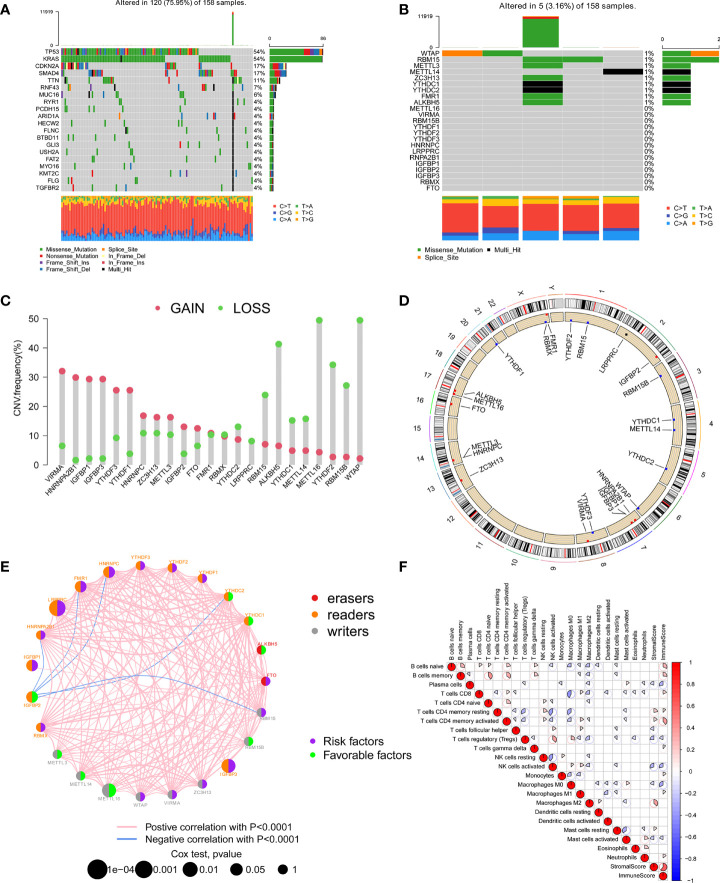
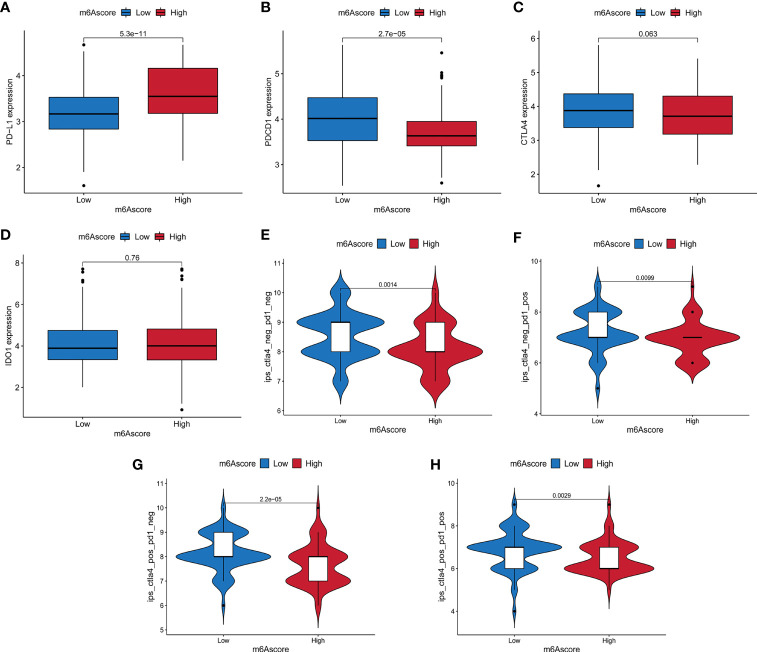
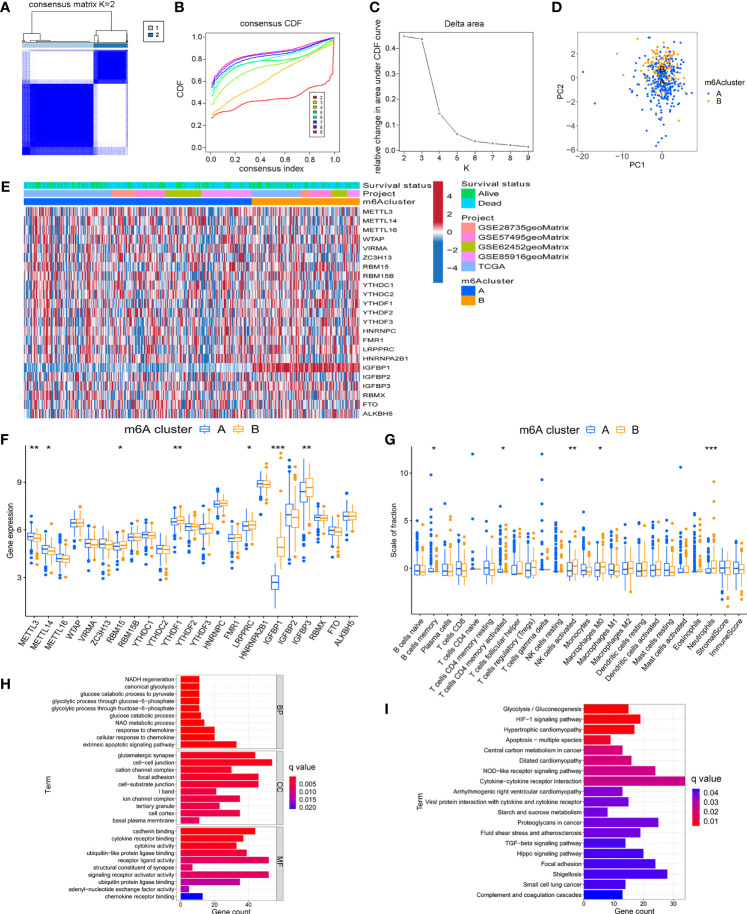
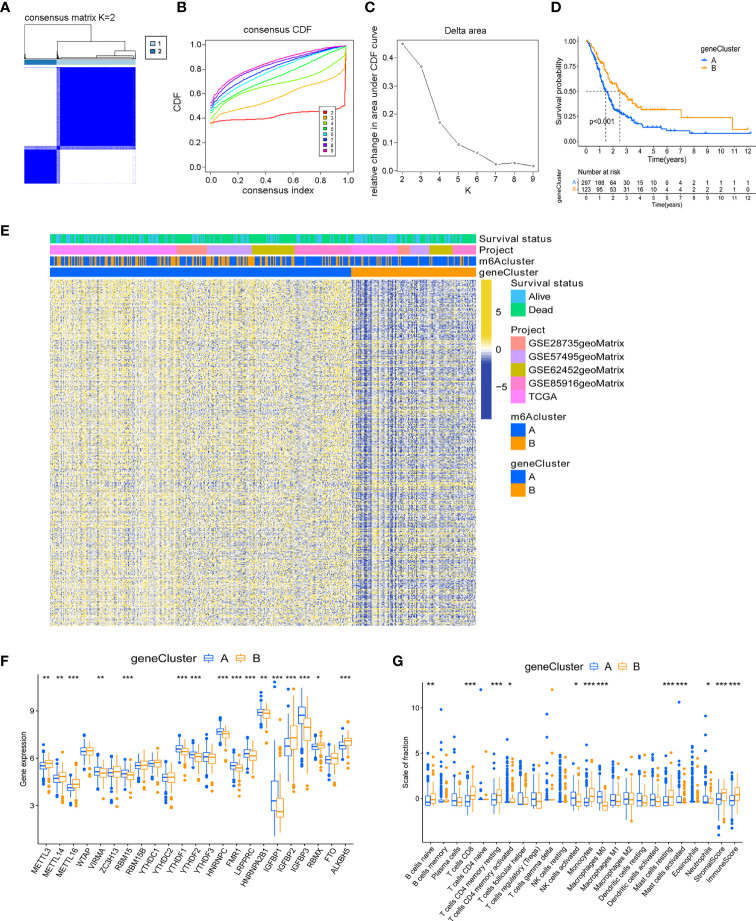
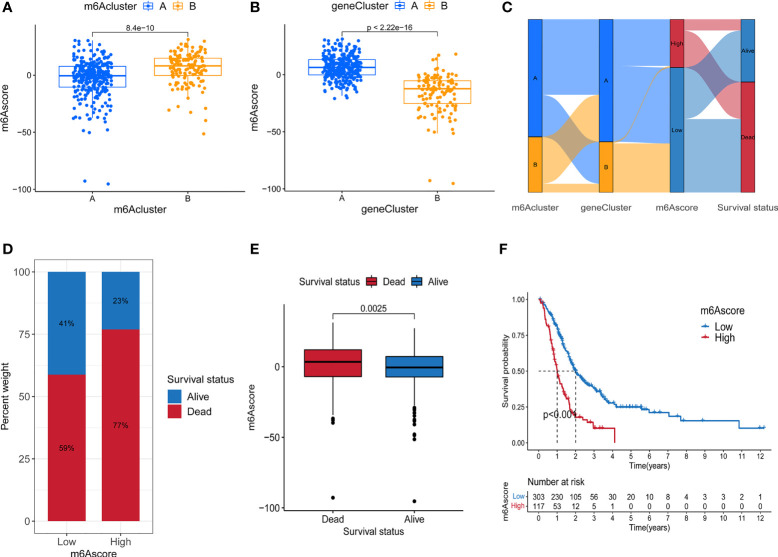
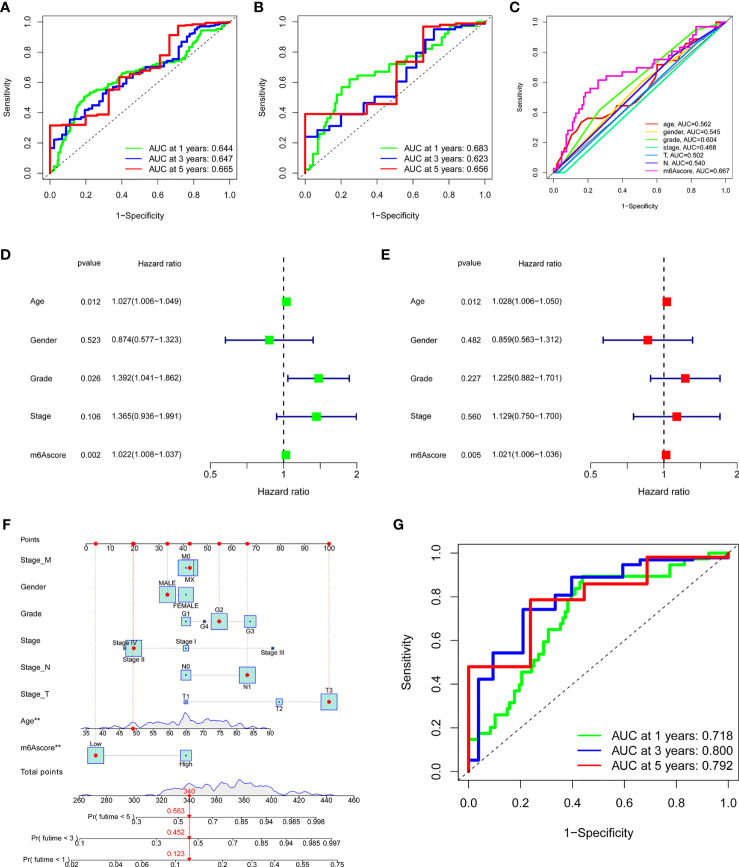
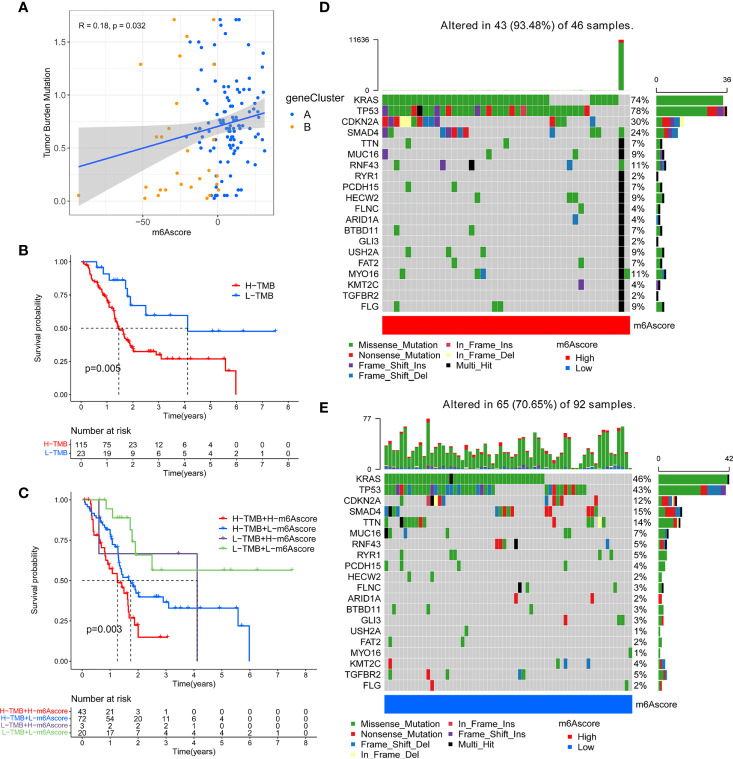
Recent studies have shown that RNA N-methyladenosine (mA) modification plays an important part in tumorigenesis and immune-related biological processes. However, the comprehensive landscape of immune cell infiltration characteristics in the tumor microenvironment (TME) mediated by mA methylation modification in pancreatic cancer has not yet been elucidated. Based on consensus clustering algorithm, we identified two mA modification subtypes and then determined two mA-related gene subtypes among 434 pancreatic cancer samples. The TME characteristics of the identified gene subtypes were highly consistent with the immune-hot phenotype and the immune-cold phenotype respectively. According to the mA score extracted from the mA-related signature genes, patients can be divided into high and low mA score groups. The low score group displayed a better prognosis and relatively strong immune infiltration. Further analysis showed that low mA score correlated with lower tumor mutation burden and PD-L1 expression, and indicated a better response to immunotherapy. In general, mA methylation modification is closely related to the diversity and complexity of immune infiltration in TME. Evaluating the mA modification pattern and immune infiltration characteristics of individual tumors can help deepen our understanding of the tumor microenvironment landscape and promote a more effective clinical practice of immunotherapy.
最近的研究表明,RNA N6-甲基腺苷(mA)修饰在肿瘤发生和免疫相关的生物过程中起着重要作用。然而,胰腺癌中 mA 甲基化修饰介导的肿瘤微环境(TME)中免疫细胞浸润特征的综合全景尚未阐明。基于共识聚类算法,我们在 434 个胰腺癌样本中鉴定出两种 mA 修饰亚型,然后确定了两种 mA 相关基因亚型。鉴定出的基因亚型的 TME 特征分别与免疫热表型和免疫冷表型高度一致。根据从 mA 相关特征基因中提取的 mA 评分,患者可分为高 mA 评分组和低 mA 评分组。低评分组显示出更好的预后和相对较强的免疫浸润。进一步分析表明,低 mA 评分与较低的肿瘤突变负担和 PD-L1 表达相关,提示对免疫治疗有更好的反应。总的来说,mA 甲基化修饰与 TME 中免疫浸润的多样性和复杂性密切相关。评估个体肿瘤的 mA 修饰模式和免疫浸润特征有助于加深我们对肿瘤微环境景观的理解,并促进免疫治疗的更有效临床实践。