The Department of Immunology and Microbiology, The Scripps Research Institute, La Jolla, CA, 92037, USA.
Laboratory of Pharmacotherapy, Faculty of Pharmacy, Musashino University, Tokyo, Japan.
Nat Commun. 2021 Oct 7;12(1):5874. doi: 10.1038/s41467-021-26150-w.
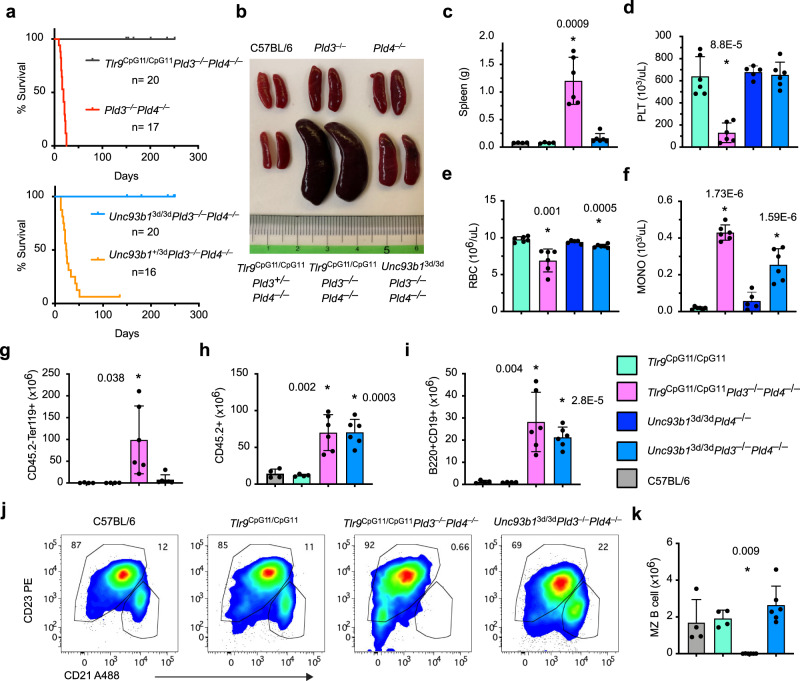
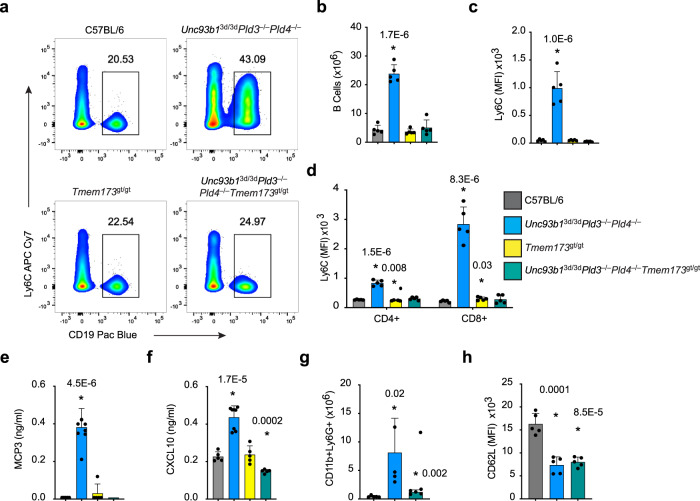
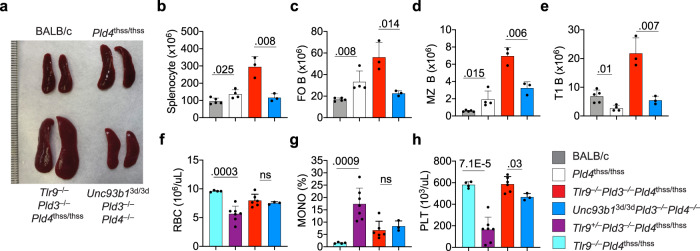
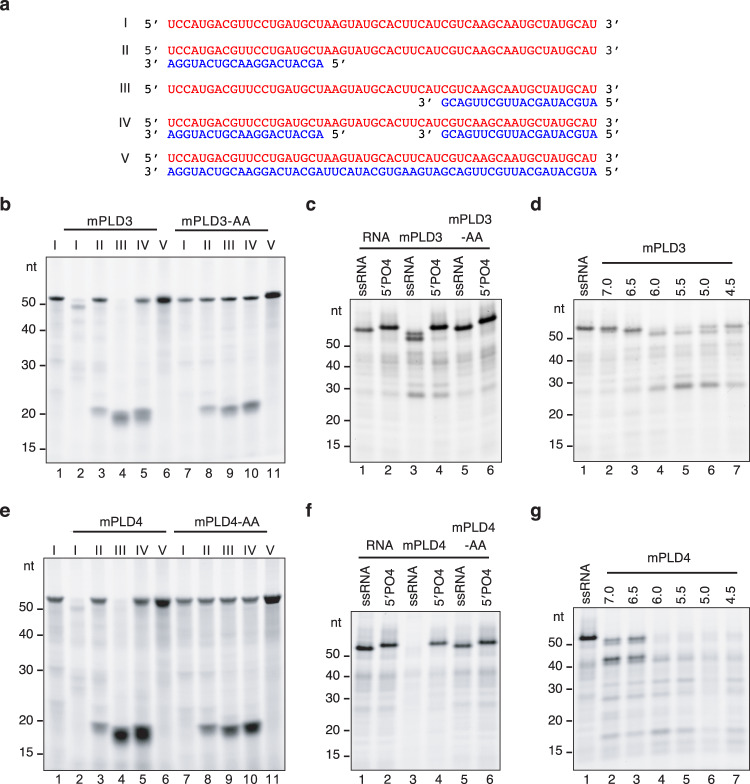
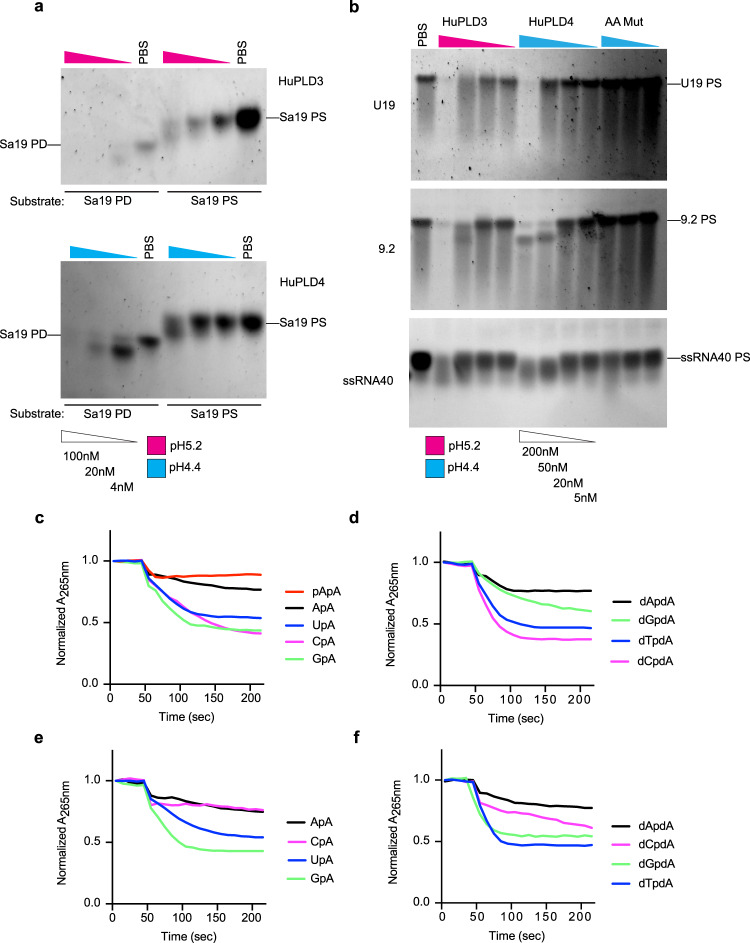
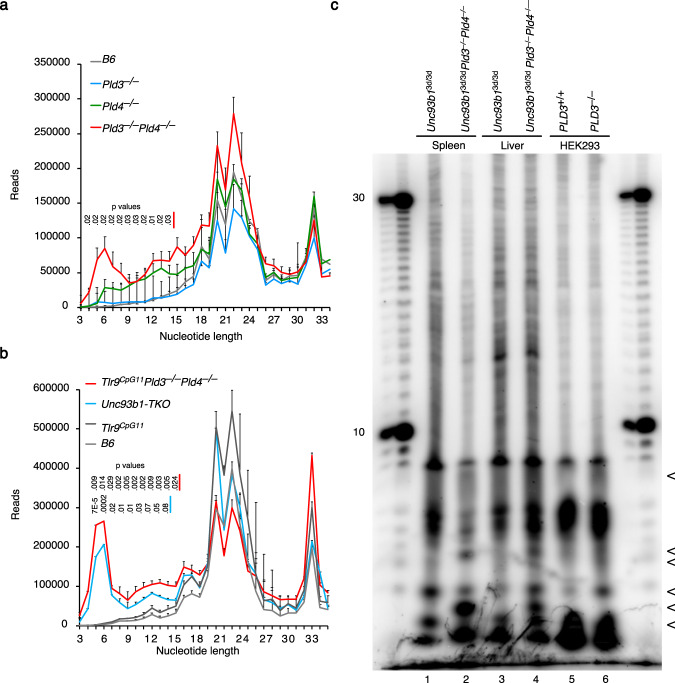
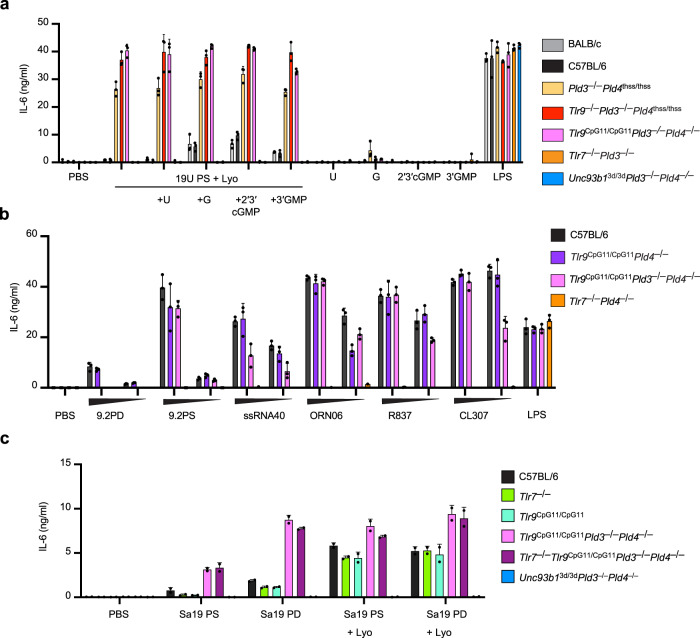
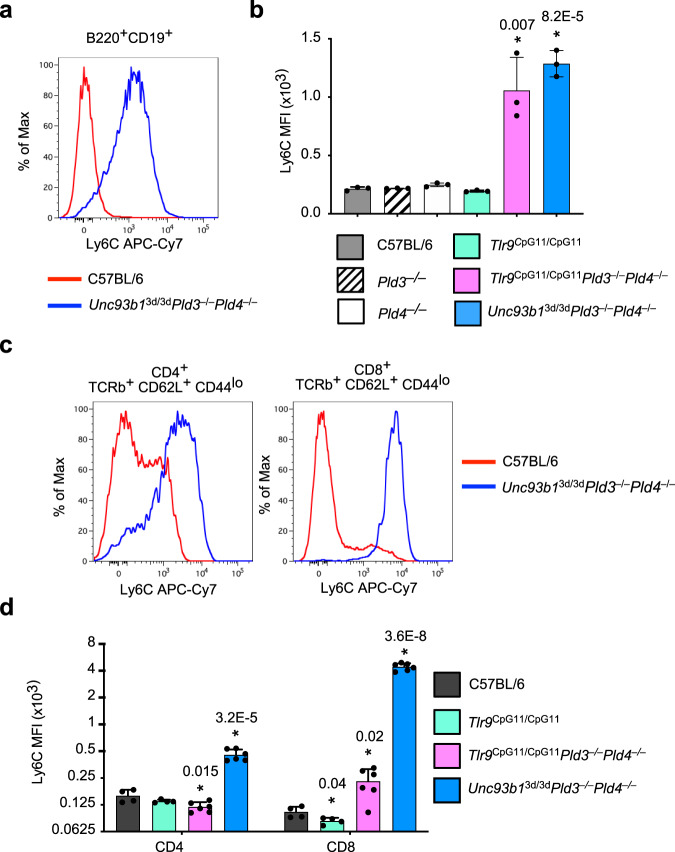
Phospholipase D3 (PLD3) and PLD4 polymorphisms have been associated with several important inflammatory diseases. Here, we show that PLD3 and PLD4 digest ssRNA in addition to ssDNA as reported previously. Moreover, Pld3Pld4 mice accumulate small ssRNAs and develop spontaneous fatal hemophagocytic lymphohistiocytosis (HLH) characterized by inflammatory liver damage and overproduction of Interferon (IFN)-γ. Pathology is rescued in Unc93b1Pld3Pld4 mice, which lack all endosomal TLR signaling; genetic codeficiency or antibody blockade of TLR9 or TLR7 ameliorates disease less effectively, suggesting that both RNA and DNA sensing by TLRs contributes to inflammation. IFN-γ made a minor contribution to pathology. Elevated type I IFN and some other remaining perturbations in Unc93b1Pld3Pld4 mice requires STING (Tmem173). Our results show that PLD3 and PLD4 regulate both endosomal TLR and cytoplasmic/STING nucleic acid sensing pathways and have implications for the treatment of nucleic acid-driven inflammatory disease.
磷脂酶 D3(PLD3)和 PLD4 多态性与几种重要的炎症性疾病有关。在这里,我们证明 PLD3 和 PLD4 除了先前报道的 ssDNA 之外,还可以消化 ssRNA。此外,Pld3Pld4 小鼠积累小 ssRNA,并自发发生致命的噬血细胞性淋巴组织细胞增生症(HLH),其特征为炎症性肝损伤和干扰素(IFN)-γ的过度产生。Unc93b1Pld3Pld4 小鼠(缺乏所有内体 TLR 信号)中挽救了病理学;TLR9 或 TLR7 的遗传缺陷或抗体阻断的效果较差,表明 TLR 对 RNA 和 DNA 的感知均有助于炎症。IFN-γ对病理学的贡献较小。Unc93b1Pld3Pld4 小鼠中升高的 I 型 IFN 和一些其他剩余的扰动需要 STING(Tmem173)。我们的结果表明,PLD3 和 PLD4 调节内体 TLR 和细胞质/STING 核酸感应途径,并对核酸驱动的炎症性疾病的治疗具有重要意义。