Division of Cardiology HCM Institute Tufts Medical Center Boston MA.
Cardiac Amyloidosis Center Columbia University Irving Medical CenterNew York-Presbyterian Hospital New York NY.
J Am Heart Assoc. 2021 Oct 19;10(20):e021095. doi: 10.1161/JAHA.121.021095. Epub 2021 Oct 8.
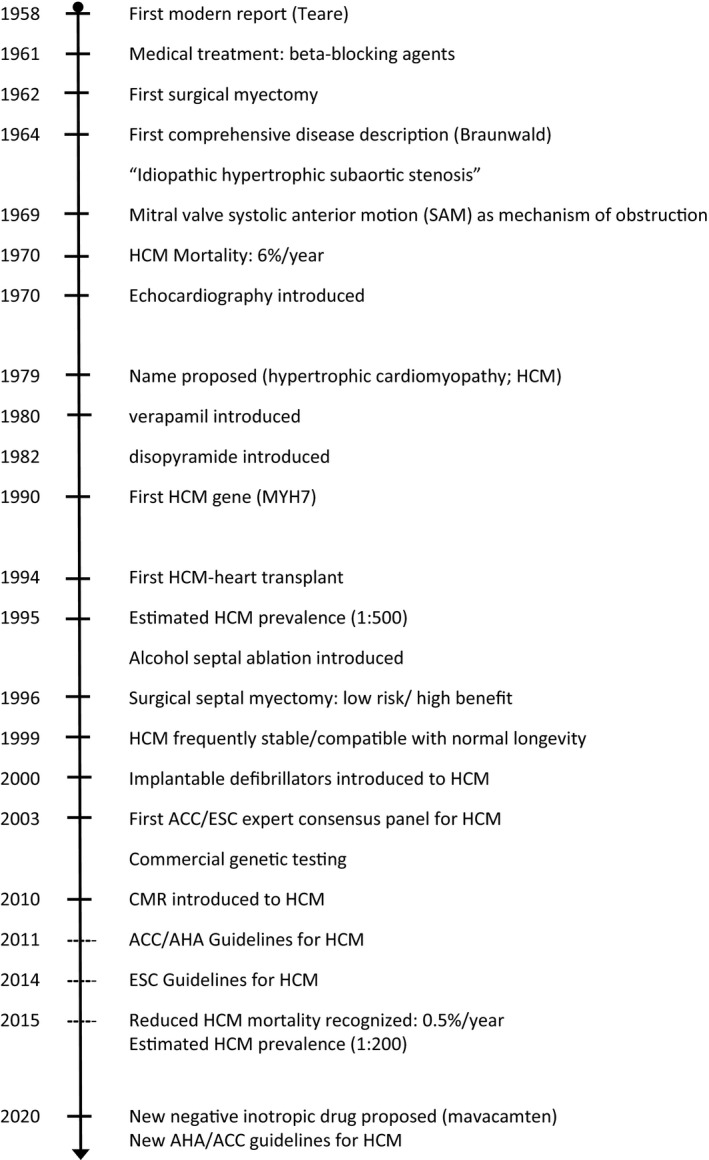
It is important for both the patient and physician communities to have timely access to information recognizing rapid progress in the diagnosis and treatment of familiar but relatively uncommon cardiovascular diseases. Patients with 3 cardiovascular diseases (ie, hypertrophic cardiomyopathy, pulmonary arterial hypertension, and transthyretin (TTR) cardiac amyloidosis (ATTR)]), once considered rare without effective management options and associated with malignant prognosis, have now benefited substantially from the development of a variety of innovative therapeutic strategies. In addition, in each case, enhanced diagnostic testing has expanded the patient population and allowed for more widespread administration of contemporary treatments. In hypertrophic cardiomyopathy, introduction of implantable defibrillators to prevent sudden death as well as high-benefit:low-risk septal reduction therapies to reverse heart failure have substantially reduced morbidity and disease-related mortality (to 0.5% per year). For pulmonary arterial hypertension, a disease once characterized by a particularly grim prognosis, prospective randomized drug trials with aggressive single (or combined) pharmacotherapy have measurably improved survival and quality of life for many patients. In cardiac amyloidosis, development of disease-specific drugs can for the first time reduce morbidity and mortality, prominently with breakthrough ATTR-protein-stabilizing tafamidis. In conclusion, in less common and visible cardiovascular diseases, it is crucial to recognize substantial progress and achievement, given that penetration of such information into clinical practice and the patient community can be inconsistent. Diseases such as hypertrophic cardiomyopathy, pulmonary arterial hypertension, and ATTR cardiac amyloidosis, once linked to a uniformly adverse prognosis, are now associated with the opportunity for patients to experience satisfactory quality of life and extended longevity.
对于患者和医生群体来说,及时获取信息以认识到熟悉但相对罕见的心血管疾病的诊断和治疗方面的快速进展非常重要。患有 3 种心血管疾病(即肥厚型心肌病、肺动脉高压和转甲状腺素蛋白(TTR)心脏淀粉样变性(ATTR))的患者,曾经被认为是罕见的,没有有效的治疗方法,预后不良,但现在已经从各种创新治疗策略的发展中受益良多。此外,在每种情况下,增强的诊断测试都扩大了患者群体,并允许更广泛地使用现代治疗方法。在肥厚型心肌病中,植入式除颤器的引入可预防猝死,以及高获益/低风险的间隔减少疗法可逆转心力衰竭,大大降低了发病率和与疾病相关的死亡率(降至每年 0.5%)。对于肺动脉高压,这种疾病曾经以预后特别恶劣为特征,具有侵略性的单一(或联合)药物治疗的前瞻性随机药物试验已显著改善了许多患者的生存和生活质量。在心脏淀粉样变性中,专门针对疾病的药物的开发首次可以降低发病率和死亡率,尤其是突破性的 ATTR-蛋白稳定剂塔法米迪。总之,在不太常见和可见的心血管疾病中,鉴于此类信息在临床实践和患者群体中的渗透可能不一致,认识到实质性的进展和成就至关重要。肥厚型心肌病、肺动脉高压和ATTR 心脏淀粉样变性等疾病曾经与一致的不良预后相关,现在为患者提供了体验满意的生活质量和延长寿命的机会。