Zhao Man, Yao Yuan, Du Jingyi, Kong Liang, Zhao Tiantian, Wu Dong, Man Lajie, Zhou Wenjuan
Key Laboratory for Experimental Teratology of Ministry of Education, Shandong Key Laboratory of Mental Disorders, Key Laboratory of Birth Regulation and Control Technology of National Health Commission of China, Department of Anatomy and Histoembryology, School of Basic Medical Sciences, Cheeloo College of Medicine, Shandong University, Jinan, China.
Centre for Sports and Exercise Science, School of Sport, Rehabilitation and Exercise Sciences, University of Essex, Colchester, United Kingdom.
Front Pharmacol. 2021 Sep 22;12:707772. doi: 10.3389/fphar.2021.707772. eCollection 2021.
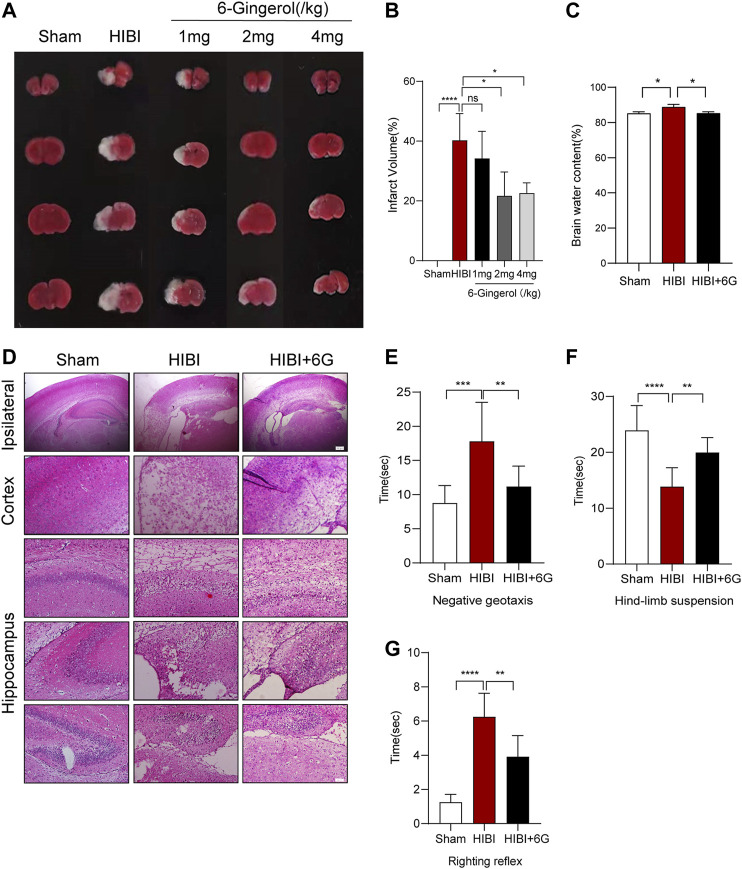
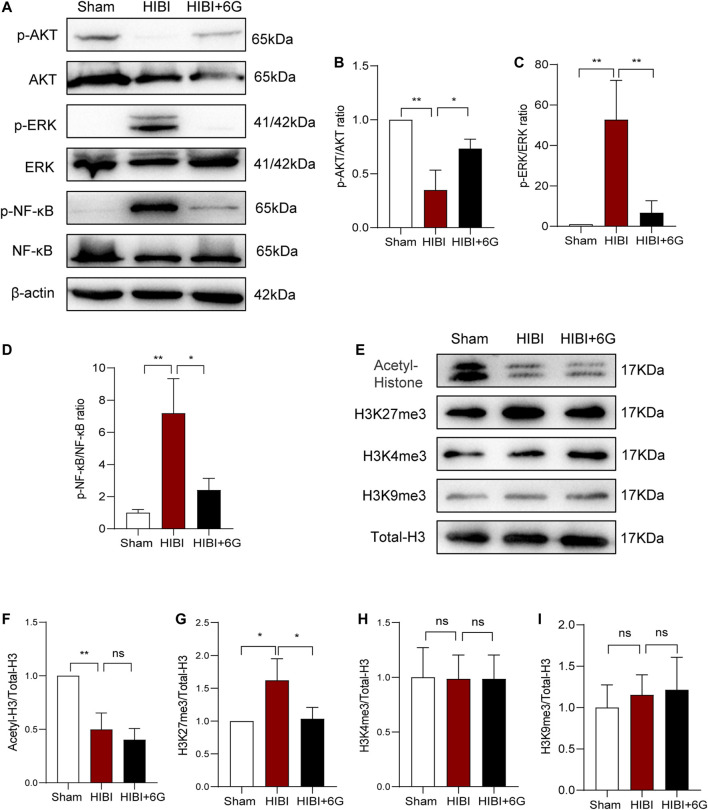
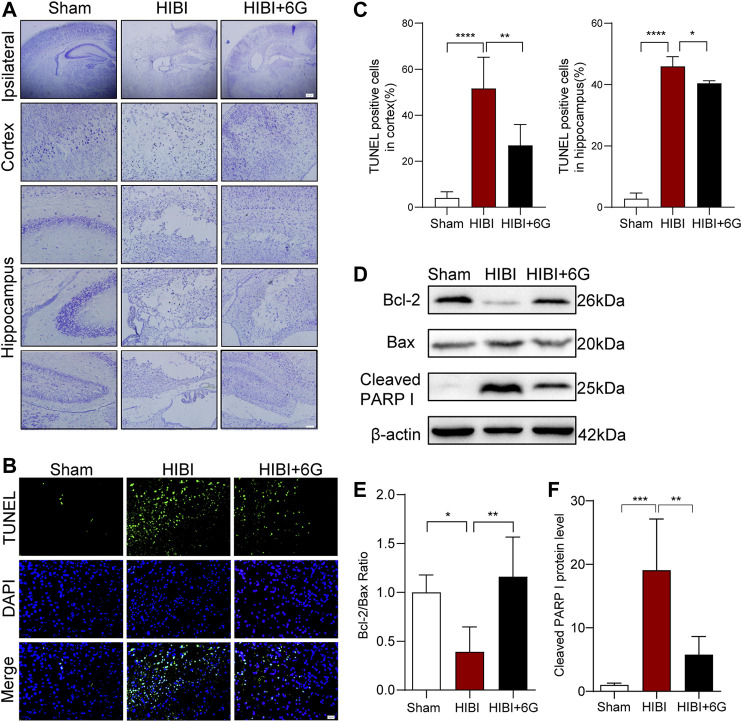
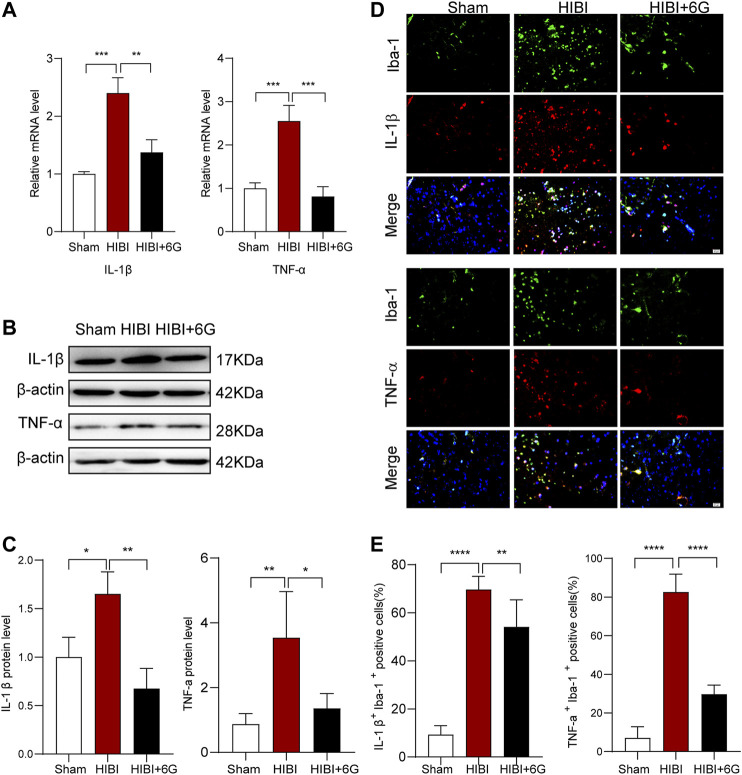
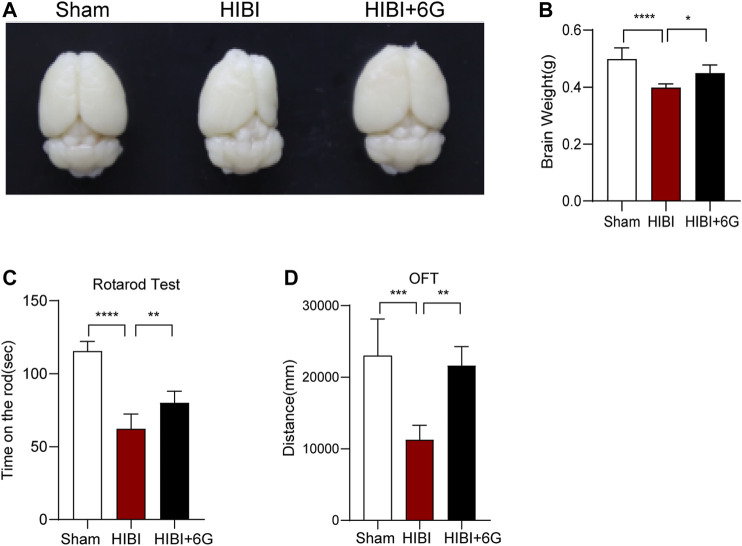
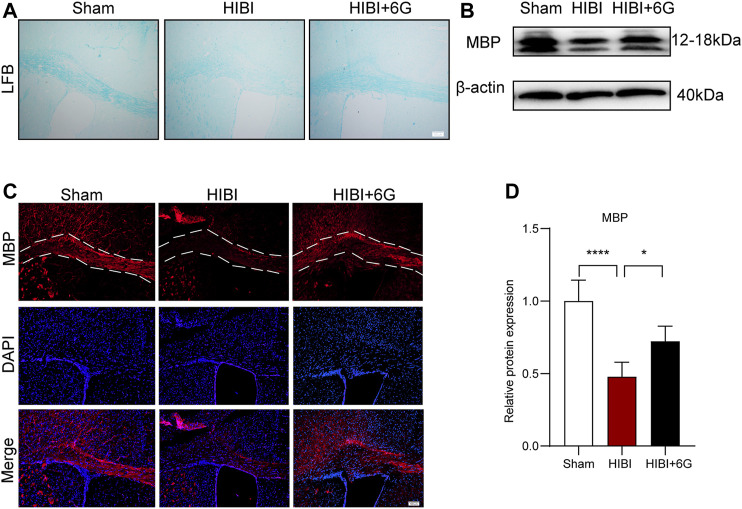
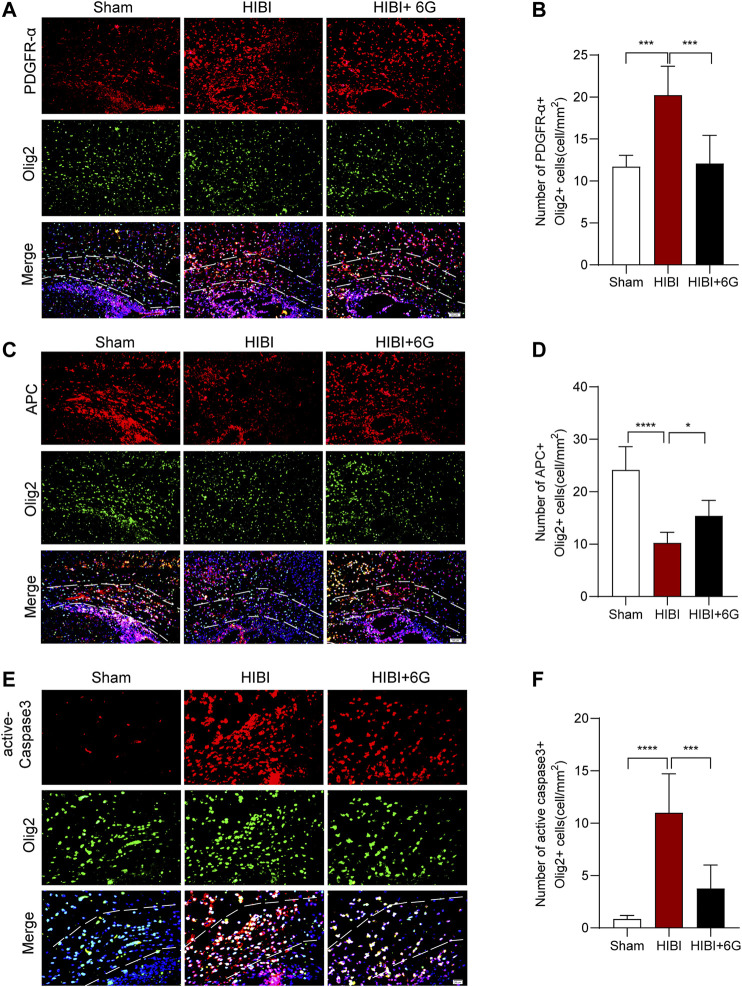
Hypoxic-ischemic encephalopathy (HIE) is one main cause of neonatal death and disability, causing substantial injury to white and gray matter, which can lead to severe neurobehavioral dysfunction, including intellectual disability and dyskinesia. Inflammation, nerve cell death, and white matter injury are important factors in the pathological process of HIE. 6-Gingerol is a ginger extract, which reduces inflammatory response and cell death. However, the role of 6-Gingerol in neonatal hypoxic-ischemic brain injury (HIBI) remains unknown. In this study, we constructed a mouse HIBI model and analyzed the protective effect of 6-Gingerol on HIBI by using behavioral tests, histological staining, qPCR and western blot. Here, we found that 6-Gingerol treatment could alleviate HIBI and improve short-term reflex performance, which is closely related to cell death and neuroinflammation. Additionally, 6-Gingerol reduced neuronal apoptosis, pro-inflammatory factor release, as well as microglial activation. Furthermore, 6-Gingerol significantly improved motor disability, which is associated with white matter damage. Thus, our results showed that 6-Gingerol could reduce the loss of myelin sheaths, alleviate cell death of oligodendrocytes, and stimulate the maturation of oligodendrocytes. In terms of mechanism, we found that 6-Gingerol decreased histone H3K27me3 levels, activated AKT pathway and inhibited the activation of ERK and NF-κB pathway at 3 days post-HIBI. Taken together, our data clearly indicate that 6-Gingerol plays a neuroprotective role against HIBI by epigenetic modification and regulation of AKT, ERK, and NF-κB pathways, inhibiting inflammatory responses and reducing cell death.
缺氧缺血性脑病(HIE)是新生儿死亡和残疾的主要原因之一,会对白质和灰质造成严重损伤,进而导致严重的神经行为功能障碍,包括智力残疾和运动障碍。炎症、神经细胞死亡和白质损伤是HIE病理过程中的重要因素。6-姜酚是一种生姜提取物,可减轻炎症反应和细胞死亡。然而,6-姜酚在新生儿缺氧缺血性脑损伤(HIBI)中的作用尚不清楚。在本研究中,我们构建了小鼠HIBI模型,并通过行为测试、组织学染色、qPCR和蛋白质免疫印迹分析了6-姜酚对HIBI的保护作用。在此,我们发现6-姜酚治疗可减轻HIBI并改善短期反射性能,这与细胞死亡和神经炎症密切相关。此外,6-姜酚减少了神经元凋亡、促炎因子释放以及小胶质细胞激活。此外,6-姜酚显著改善了与白质损伤相关的运动障碍。因此,我们的结果表明,6-姜酚可减少髓鞘损失,减轻少突胶质细胞的细胞死亡,并刺激少突胶质细胞成熟。在机制方面,我们发现6-姜酚在HIBI后3天降低了组蛋白H3K27me3水平,激活了AKT通路,并抑制了ERK和NF-κB通路的激活。综上所述,我们的数据清楚地表明,6-姜酚通过表观遗传修饰以及对AKT、ERK和NF-κB通路的调节发挥对HIBI的神经保护作用,抑制炎症反应并减少细胞死亡。