Laboratory of Biomedical Microbiology and Immunology, The University of Veterinary Medicine and Pharmacy in Košice, Komenského 73, 04181, Košice, Slovakia.
Institute of Neuroimmunology of Slovak Academy of Sciences, Dubravska cesta 9, 84510, Bratislava, Slovakia.
Sci Rep. 2021 Oct 11;11(1):20131. doi: 10.1038/s41598-021-99696-w.
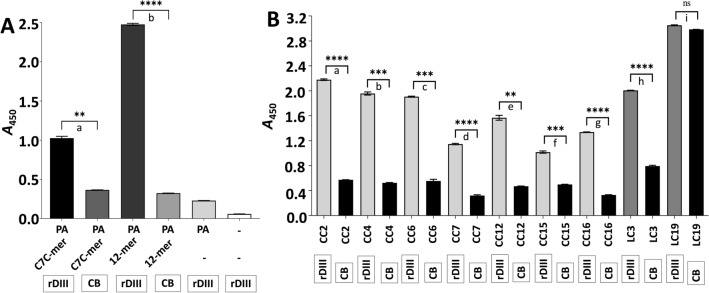
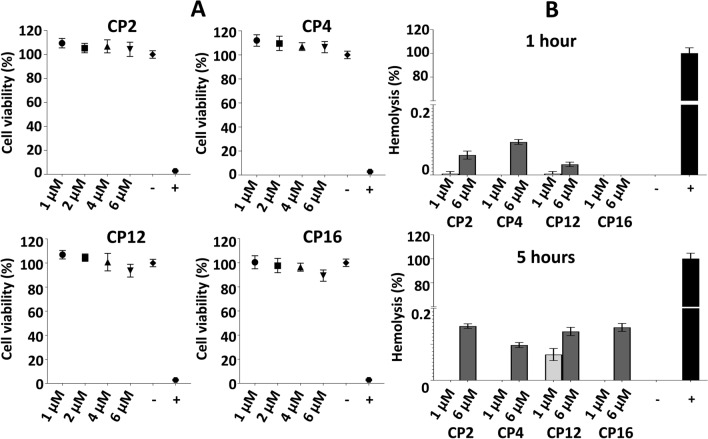
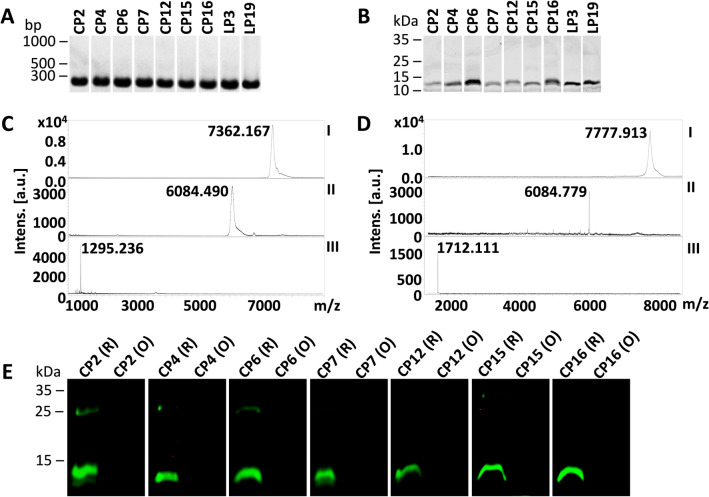
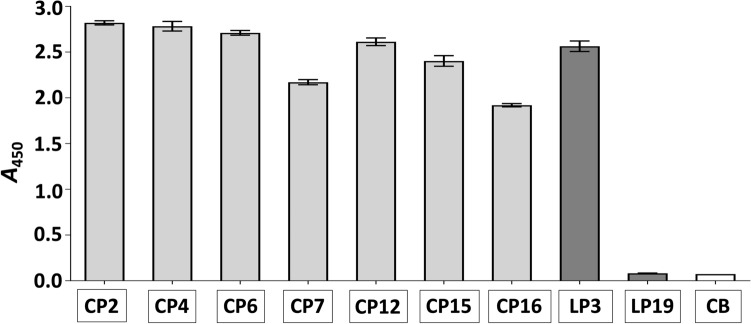
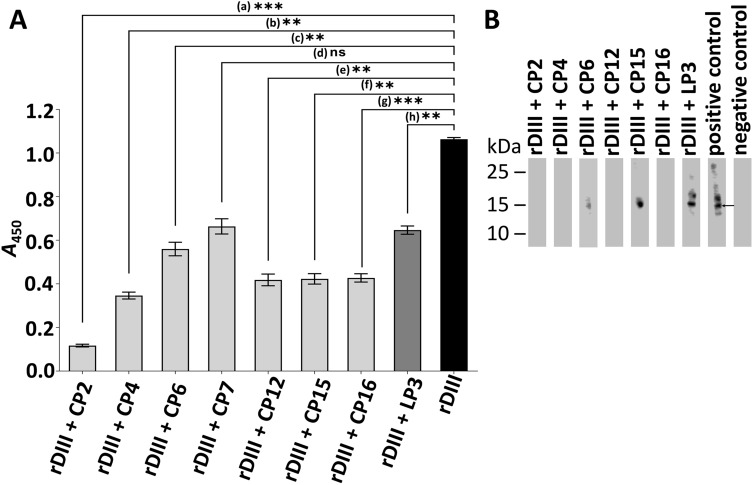
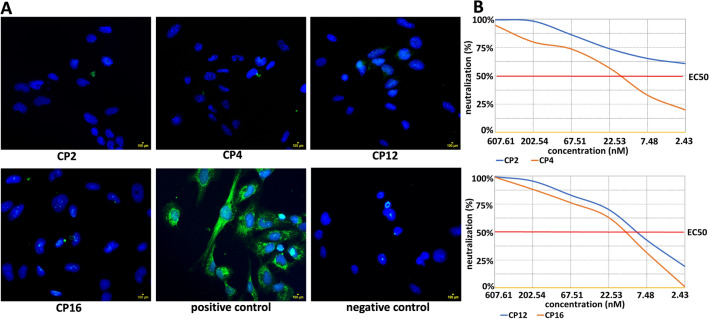
West Nile virus (WNV), re-emerging neurotropic flavivirus, can cross the blood-brain barrier (BBB) and cause fatal encephalitis and meningitis. Infection of the human brain microvascular endothelial cells (hBMECs), building blocks of the BBB, represents the pivotal step in neuroinvasion. Domain III (DIII) of the envelope (E) glycoprotein is a key receptor-binding domain, thus, it is an attractive target for anti-flavivirus strategies. Here, two combinatorial phage display peptide libraries, Ph.D.-C7C and Ph.D.-12, were panned against receptor-binding site (RBS) on DIII to isolate peptides that could block DIII. From series of pannings, nine peptides (seven 7-mer cyclic and two 12-mer linear) were selected and overexpressed in E. coli SHuffle T5. Presence of disulfide bond in 7-mer peptides was confirmed with thiol-reactive maleimide labeling. Except for linear peptide 19 (HYSWSWIAYSPG), all peptides proved to be DIII binders. Among all peptides, 4 cyclic peptides (CTKTDVHFC, CIHSSTRAC, CTYENHRTC, and CLAQSHPLC) showed significant blocking of the interaction between DIII and hBMECs, and ability to neutralize infection in cultured cells. None of these peptides showed toxic or hemolytic activity. Peptides identified in this study may serve as potential candidates for the development of novel antiviral therapeutics against WNV.
西尼罗河病毒(WNV)是一种重新出现的神经嗜性黄病毒,能够穿透血脑屏障(BBB),导致致命性脑炎和脑膜炎。感染人类脑微血管内皮细胞(hBMECs)是神经入侵的关键步骤,hBMECs 是 BBB 的组成部分。包膜(E)糖蛋白的结构域 III(DIII)是关键的受体结合域,因此,它是抗黄病毒策略的有吸引力的靶标。在这里,两个组合噬菌体展示肽文库 Ph.D.-C7C 和 Ph.D.-12 针对 DIII 上的受体结合位点(RBS)进行了淘选,以分离能够阻断 DIII 的肽。经过一系列淘选,从 7 个 7 -mer 环肽和 2 个 12-mer 线性肽中选择了 9 个肽,并在 E. coli SHuffle T5 中过表达。用硫醇反应性马来酰亚胺标记证实了 7-mer 肽中存在二硫键。除了线性肽 19(HYSWSWIAYSPG)外,所有肽都被证明是 DIII 结合物。在所有肽中,4 个环肽(CTKTDVHFC、CIHSSTRAC、CTYENHRTC 和 CLAQSHPLC)显示出对 DIII 与 hBMECs 之间相互作用的显著阻断作用,并具有中和培养细胞中感染的能力。这些肽没有表现出毒性或溶血活性。本研究中鉴定的肽可能成为开发针对 WNV 的新型抗病毒治疗药物的潜在候选物。