Department of Molecular Cell Biology, Sungkyunkwan University School of Medicine, Suwon, South Korea.
Single Cell Network Research Center, Sungkyunkwan University School of Medicine, Suwon, South Korea.
Exp Mol Med. 2021 Oct;53(10):1569-1579. doi: 10.1038/s12276-021-00684-x. Epub 2021 Oct 11.
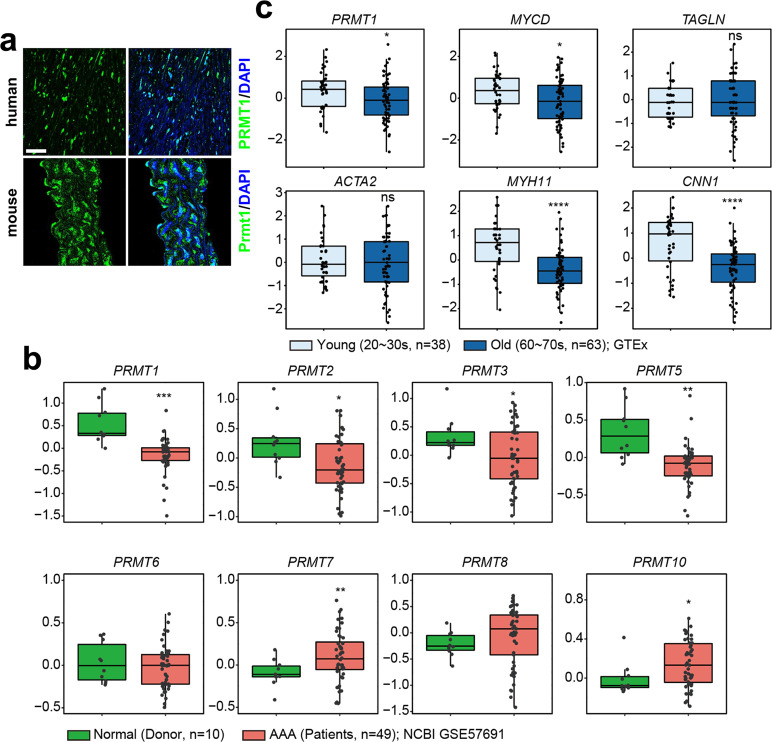
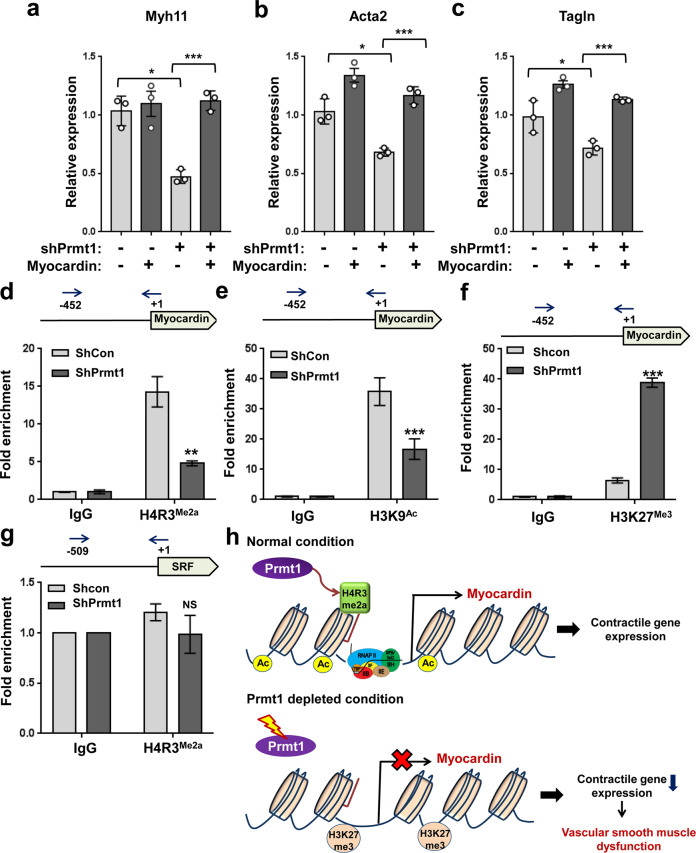
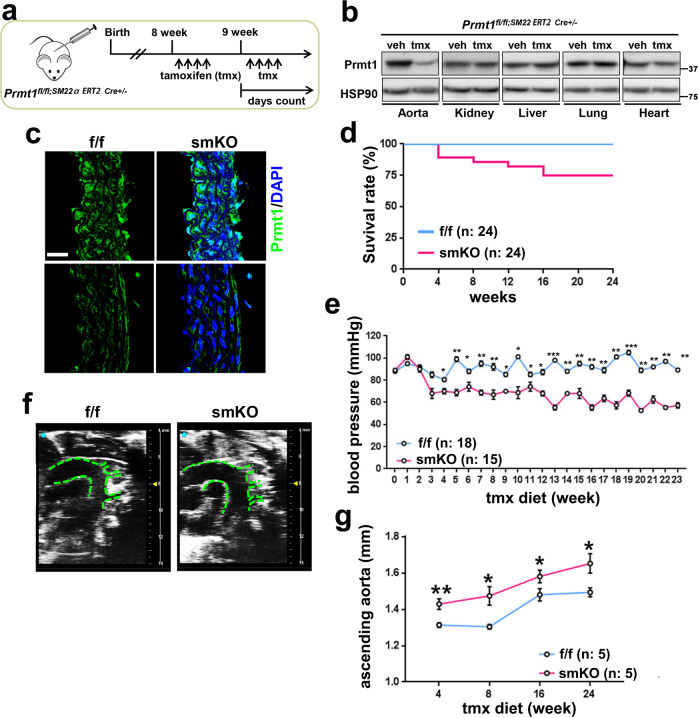
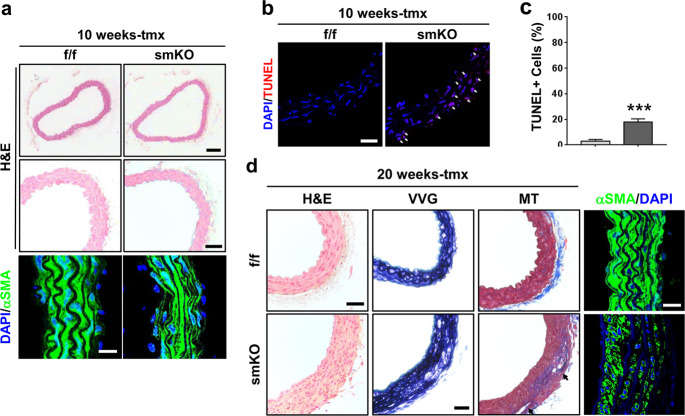
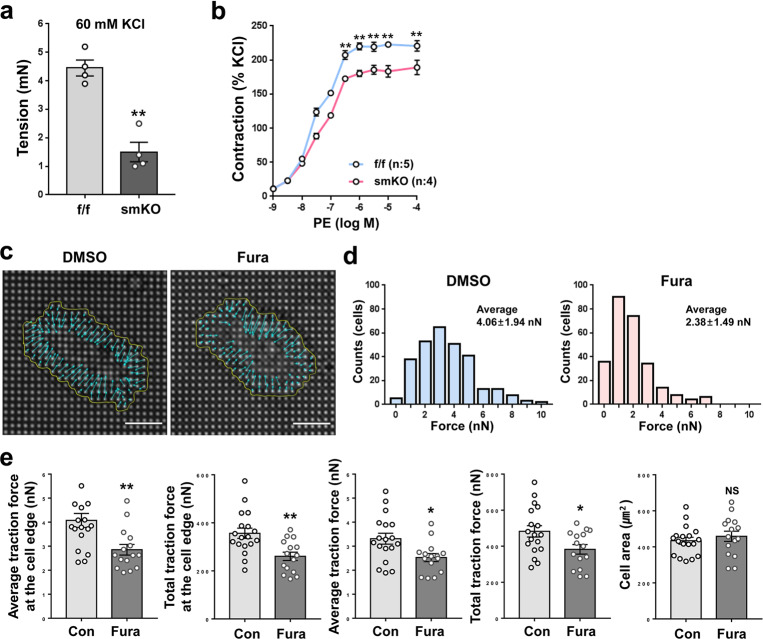
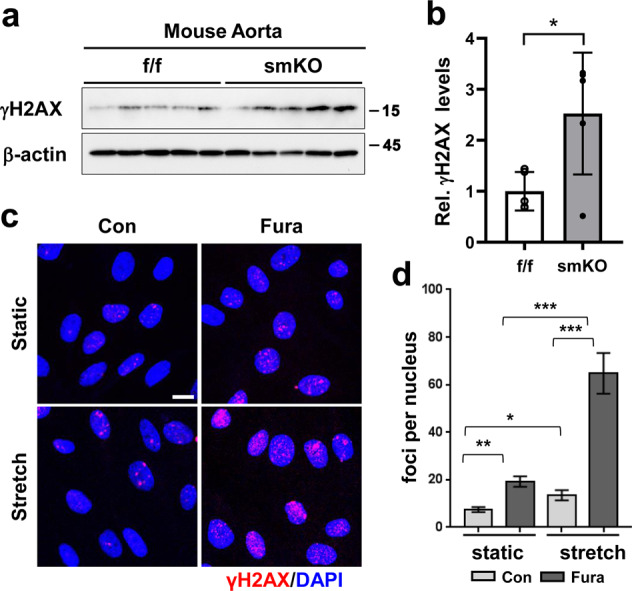
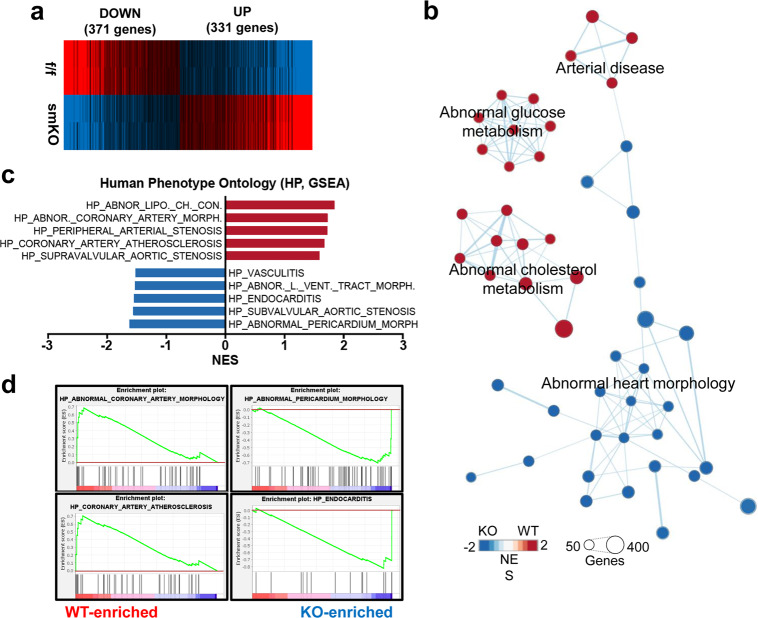
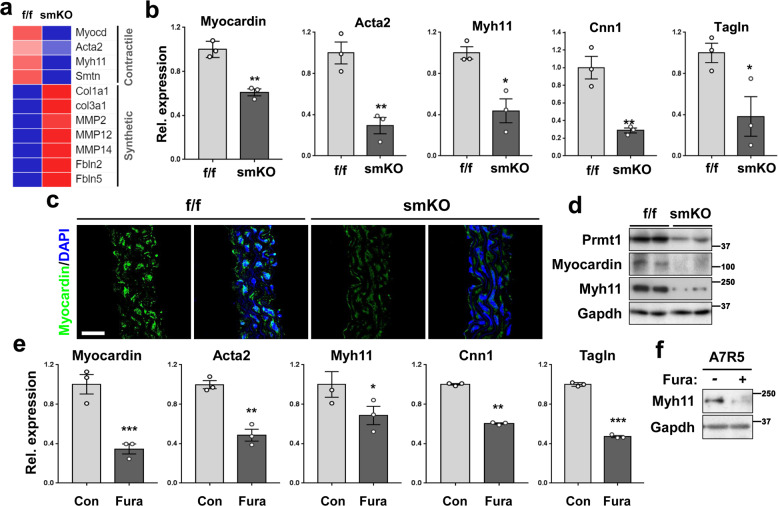
Vascular smooth muscle cells (VSMCs) have remarkable plasticity in response to diverse environmental cues. Although these cells are versatile, chronic stress can trigger VSMC dysfunction, which ultimately leads to vascular diseases such as aortic aneurysm and atherosclerosis. Protein arginine methyltransferase 1 (Prmt1) is a major enzyme catalyzing asymmetric arginine dimethylation of proteins that are sources of asymmetric dimethylarginine (ADMA), an endogenous inhibitor of nitric oxide synthase. Although a potential role of Prmt1 in vascular pathogenesis has been proposed, its role in vascular function has yet to be clarified. Here, we investigated the role and underlying mechanism of Prmt1 in vascular smooth muscle contractility and function. The expression of PRMT1 and contractile-related genes was significantly decreased in the aortas of elderly humans and patients with aortic aneurysms. Mice with VSMC-specific Prmt1 ablation (smKO) exhibited partial lethality, low blood pressure and aortic dilation. The Prmt1-ablated aortas showed aortic dissection with elastic fiber degeneration and cell death. Ex vivo and in vitro analyses indicated that Prmt1 ablation significantly decreased the contractility of the aorta and traction forces of VSMCs. Prmt1 ablation downregulated the expression of contractile genes such as myocardin while upregulating the expression of synthetic genes, thus causing the contractile to synthetic phenotypic switch of VSMCs. In addition, mechanistic studies demonstrated that Prmt1 directly regulates myocardin gene activation by modulating epigenetic histone modifications in the myocardin promoter region. Thus, our study demonstrates that VSMC Prmt1 is essential for vascular homeostasis and that its ablation causes aortic dilation/dissection through impaired myocardin expression.
血管平滑肌细胞 (VSMCs) 对各种环境线索具有显著的可塑性。尽管这些细胞具有多功能性,但慢性应激会引发 VSMC 功能障碍,最终导致血管疾病,如主动脉瘤和动脉粥样硬化。蛋白精氨酸甲基转移酶 1 (Prmt1) 是一种主要的酶,可催化蛋白质的不对称精氨酸二甲基化,这些蛋白质是不对称二甲基精氨酸 (ADMA) 的来源,ADMA 是一氧化氮合酶的内源性抑制剂。尽管已经提出了 Prmt1 在血管发病机制中的潜在作用,但它在血管功能中的作用仍有待阐明。在这里,我们研究了 Prmt1 在血管平滑肌收缩和功能中的作用和潜在机制。老年人和主动脉瘤患者的主动脉中 PRMT1 和收缩相关基因的表达明显降低。血管平滑肌细胞特异性 Prmt1 缺失 (smKO) 的小鼠表现出部分致死性、低血压和主动脉扩张。Prmt1 缺失的主动脉表现出主动脉夹层,弹性纤维退化和细胞死亡。离体和体外分析表明,Prmt1 缺失显著降低了主动脉的收缩性和 VSMCs 的牵引力。Prmt1 缺失下调了肌球蛋白等收缩基因的表达,同时上调了合成基因的表达,从而导致 VSMCs 的收缩到合成表型转换。此外,机制研究表明,Prmt1 通过调节肌球蛋白启动子区域的表观遗传组蛋白修饰来直接调节肌球蛋白基因的激活。因此,我们的研究表明,VSMC Prmt1 对血管稳态至关重要,其缺失通过肌球蛋白表达受损导致主动脉扩张/夹层。