Biotherapeutics Translational Research Center, Korea Research Institute of Bioscience and Biotechnology (KRIBB), 125 Gwahak-ro, Yuseong-gu, Daejeon, 34141, Republic of Korea.
Department of Biomedical Laboratory Science, Jungwon University, 85 Munmu-ro, Goesan-eup, Goesan-gun, Chungbuk, 28024, Republic of Korea.
Exp Mol Med. 2023 Dec;55(12):2519-2530. doi: 10.1038/s12276-023-01130-w. Epub 2023 Dec 1.
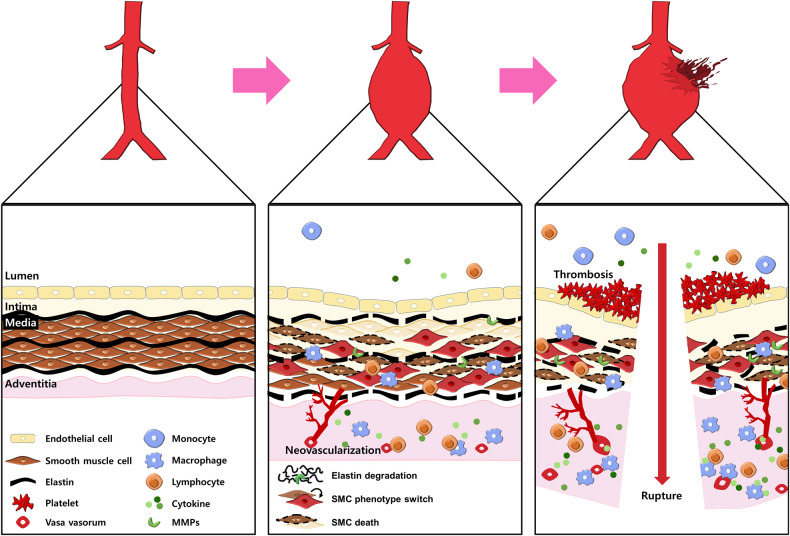
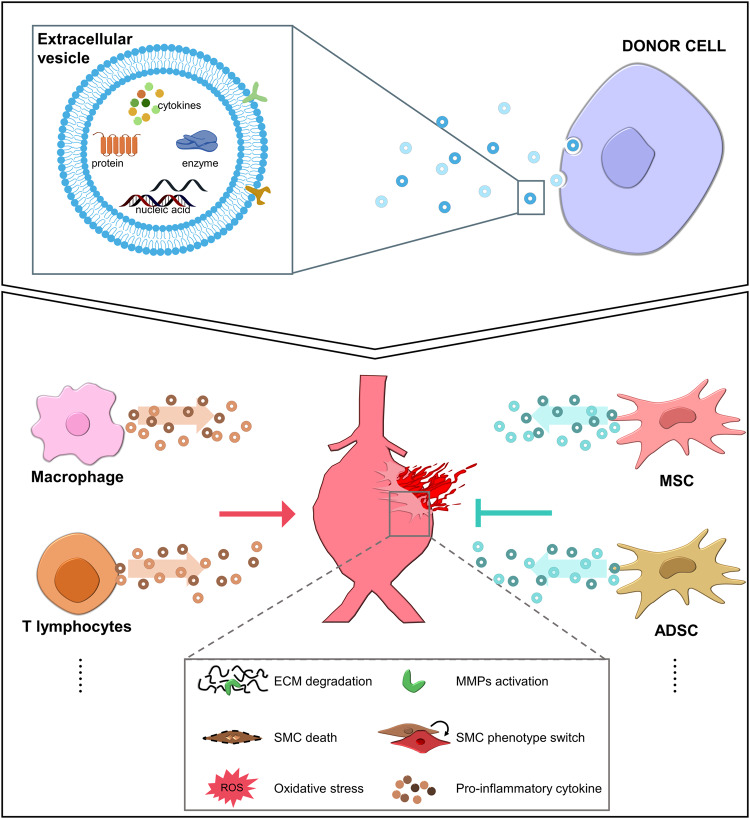
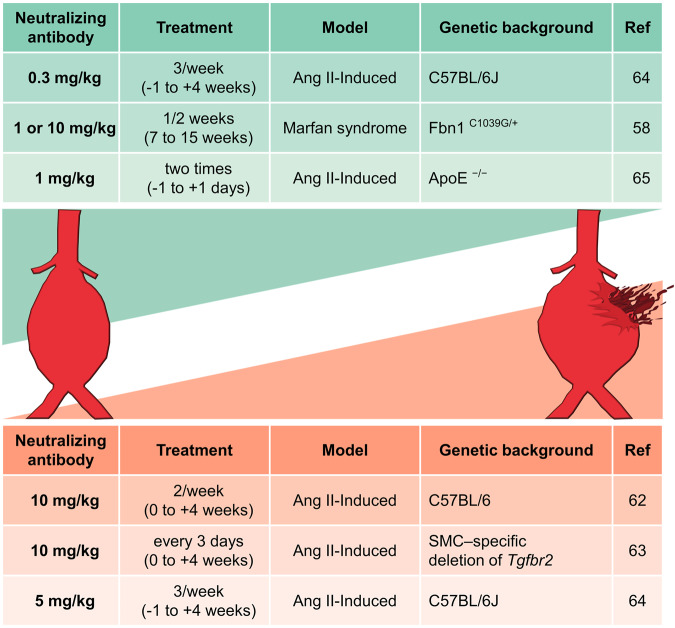
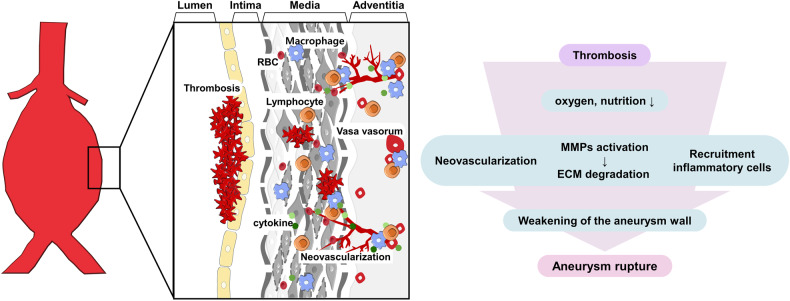
Aortic aneurysm is a chronic disease characterized by localized expansion of the aorta, including the ascending aorta, arch, descending aorta, and abdominal aorta. Although aortic aneurysms are generally asymptomatic, they can threaten human health by sudden death due to aortic rupture. Aortic aneurysms are estimated to lead to 150,000 ~ 200,000 deaths per year worldwide. Currently, there are no effective drugs to prevent the growth or rupture of aortic aneurysms; surgical repair or endovascular repair is the only option for treating this condition. The pathogenic mechanisms and therapeutic targets for aortic aneurysms have been examined over the past decade; however, there are unknown pathogenic mechanisms involved in cellular heterogeneity and plasticity, the complexity of the transforming growth factor-β signaling pathway, inflammation, cell death, intramural neovascularization, and intercellular communication. This review summarizes the latest research findings and current pathogenic mechanisms of aortic aneurysms, which may enhance our understanding of aortic aneurysms.
主动脉瘤是一种慢性疾病,其特征为主动脉局部扩张,包括升主动脉、弓部、降主动脉和腹主动脉。尽管主动脉瘤通常没有症状,但由于主动脉破裂,它们可能会突然导致人类死亡,从而威胁到人类健康。据估计,全球每年有 15 万至 20 万人死于主动脉瘤。目前,尚无有效药物可预防主动脉瘤的生长或破裂;手术修复或血管内修复是治疗这种疾病的唯一选择。在过去的十年中,人们已经研究了主动脉瘤的发病机制和治疗靶点;然而,细胞异质性和可塑性、转化生长因子-β信号通路的复杂性、炎症、细胞死亡、壁内新生血管形成和细胞间通讯等方面的发病机制仍不清楚。本综述总结了主动脉瘤的最新研究发现和当前发病机制,这可能有助于我们加深对主动脉瘤的理解。