Department of Community Medicine, Army Medical College, National University of Medical Sciences, Rawalpindi 46000, Pakistan.
Department of Public Health, Health Services Academy, Opposite National Institute of Health, Islamabad 44000, Pakistan.
Int J Environ Res Public Health. 2021 Oct 4;18(19):10442. doi: 10.3390/ijerph181910442.
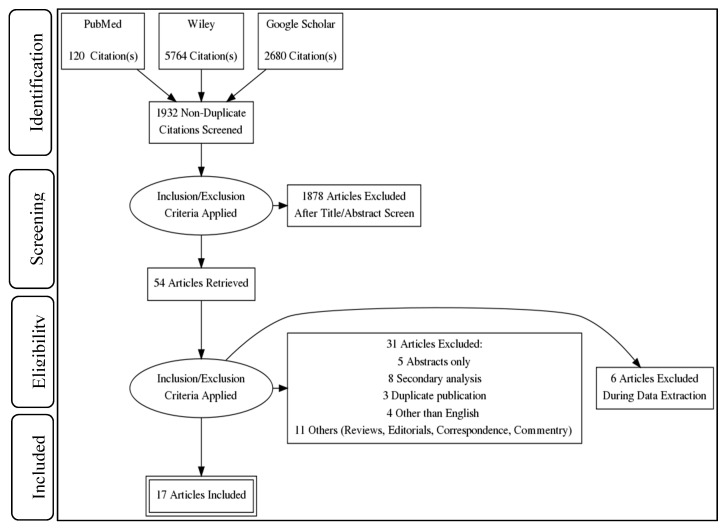
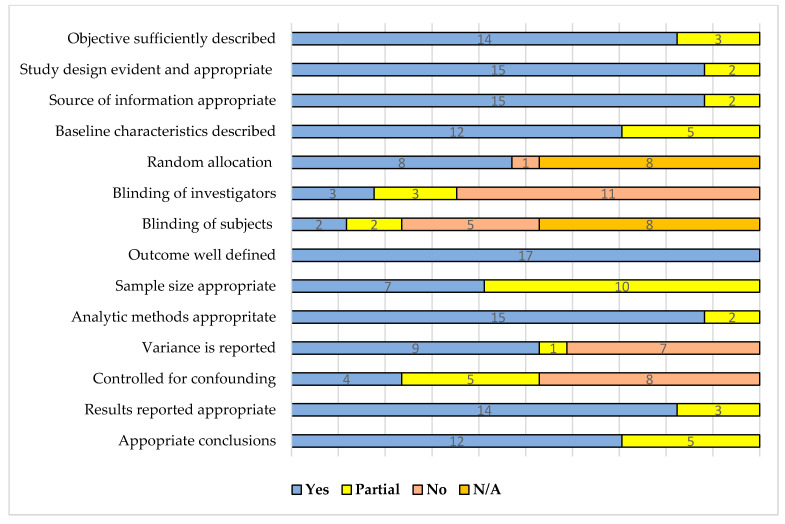
Hospital readmissions pose a threat to the constrained health resources, especially in resource-poor low-and middle-income countries. In such scenarios, appropriate technologies to reduce avoidable readmissions in hospitals require innovative interventions. mHealth and teach-back communication are robust interventions, utilized for the reduction in preventable hospital readmissions. This review was conducted to highlight the effectiveness of mHealth and teach-back communication in hospital readmission reduction with a view to provide the best available evidence on such interventions. Two authors independently searched for appropriate MeSH terms in three databases (PubMed, Wiley, and Google Scholar). After screening the titles and abstracts, shortlisted manuscripts were subjected to quality assessment and analysis. Two authors checked the manuscripts for quality assessment and assigned scores utilizing the QualSyst tool. The average of the scores assigned by the reviewers was calculated to assign a summary quality score (SQS) to each study. Higher scores showed methodological vigor and robustness. Search strategies retrieved a total of 1932 articles after the removal of duplicates. After screening titles and abstracts, 54 articles were shortlisted. The complete reading resulted in the selection of 17 papers published between 2002 and 2019. Most of the studies were interventional and all the studies focused on hospital readmission reduction as the primary or secondary outcome. mHealth and teach-back communication were the two most common interventions that catered for the hospital readmissions. Among mHealth studies (11 out of 17), seven studies showed a significant reduction in hospital readmissions while four did not exhibit any significant reduction. Among the teach-back communication group (6 out of 17), the majority of the studies (5 out of 6) showed a significant reduction in hospital readmissions while one publication did not elicit a significant hospital readmission reduction. mHealth and teach-back communication methods showed positive effects on hospital readmission reduction. These interventions can be utilized in resource-constrained settings, especially low- and middle-income countries, to reduce preventable readmissions.
医院再入院对有限的卫生资源构成威胁,尤其是在资源匮乏的中低收入国家。在这种情况下,需要创新干预措施来利用适当的技术减少医院的可避免再入院。移动医疗和回授式沟通是减少可预防医院再入院的有力干预措施。本综述旨在强调移动医疗和回授式沟通在减少医院再入院方面的有效性,以期提供此类干预措施的最佳现有证据。两位作者独立在三个数据库(PubMed、Wiley 和 Google Scholar)中搜索了适当的 MeSH 术语。在筛选标题和摘要后,对入选的手稿进行了质量评估和分析。两位作者使用 QualSyst 工具检查手稿的质量评估并打分。将审稿人分配的分数的平均值计算出来,为每项研究分配一个综合质量评分(SQS)。较高的分数表明方法学的活力和稳健性。搜索策略在去除重复项后共检索到 1932 篇文章。在筛选标题和摘要后,有 54 篇文章入选。完整阅读后,选择了 2002 年至 2019 年期间发表的 17 篇论文。大多数研究为干预性研究,所有研究均将减少医院再入院作为主要或次要结局。移动医疗和回授式沟通是两种最常见的干预措施,旨在减少医院再入院。在移动医疗研究中(17 项研究中有 11 项),有 7 项研究显示医院再入院显著减少,而有 4 项研究没有显示出显著减少。在回授式沟通组(17 项研究中有 6 项)中,大多数研究(6 项研究中有 5 项)显示医院再入院显著减少,而有 1 项研究没有引起显著的医院再入院减少。移动医疗和回授式沟通方法对减少医院再入院有积极影响。这些干预措施可以在资源有限的环境中,特别是在中低收入国家,用于减少可预防的再入院。