Faculty of Education, UIN Syarif Hidayatullah, Jakarta 15412, Indonesia.
Institute for Social Science Studies (IPSAS), Universiti Putra Malaysia, Selangor 43400, Malaysia.
Int J Environ Res Public Health. 2021 Oct 6;18(19):10489. doi: 10.3390/ijerph181910489.
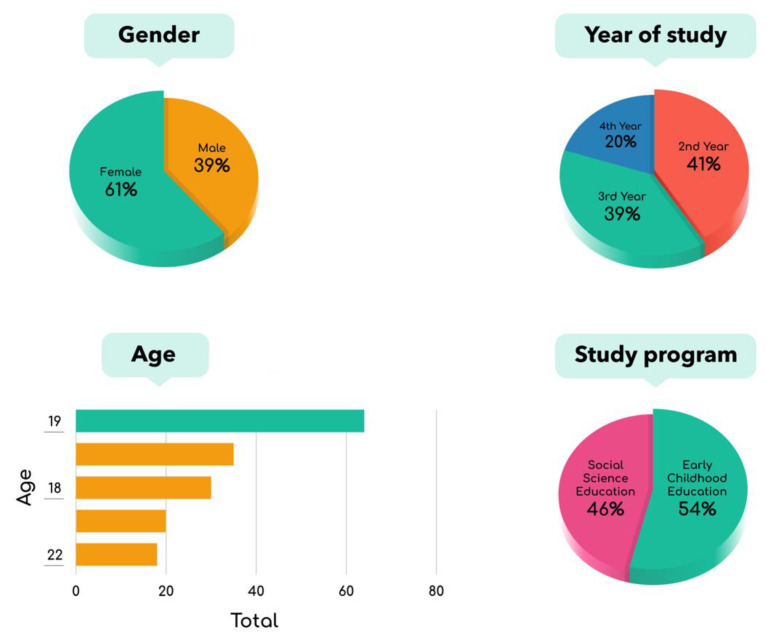
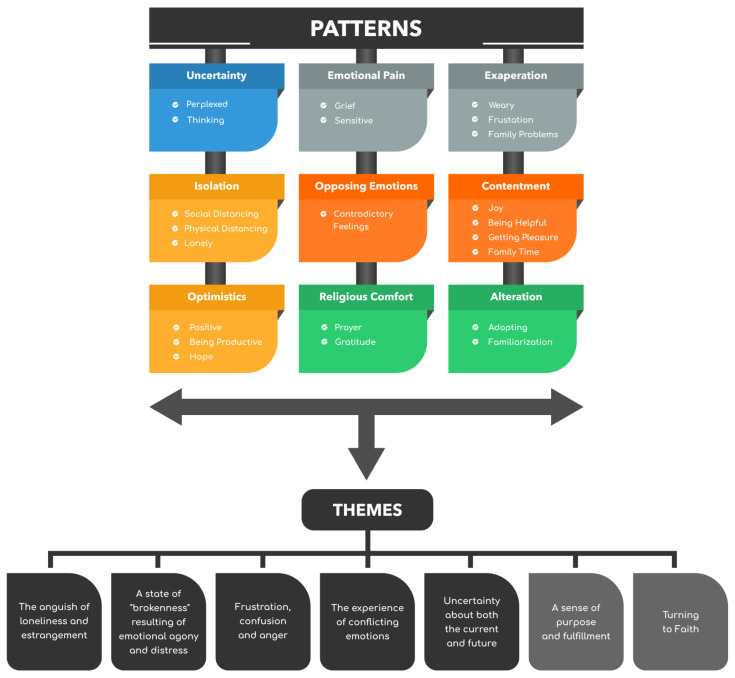
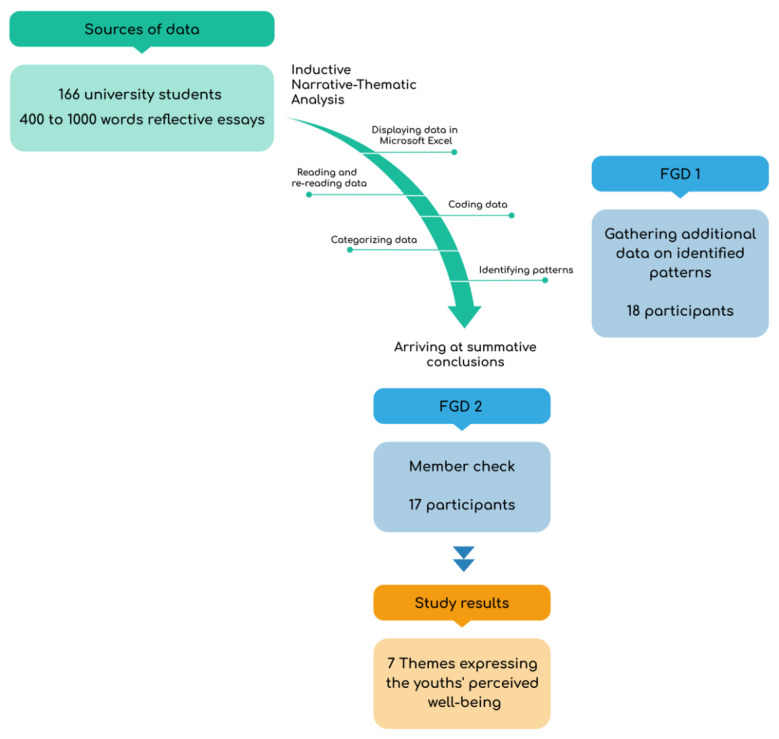
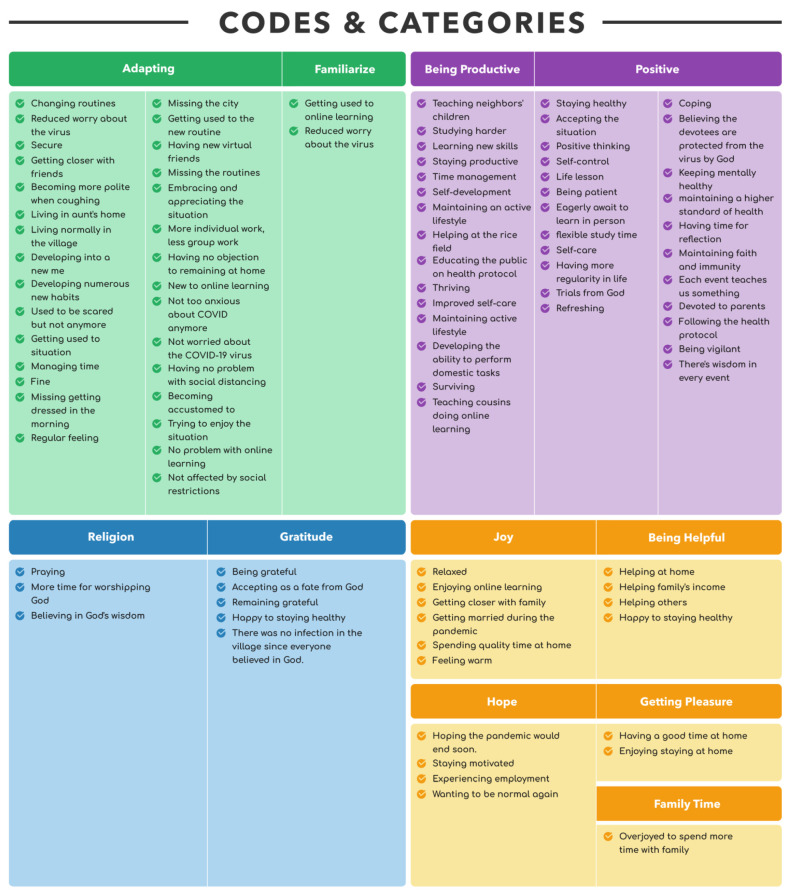
Despite several recent studies reporting on young people's well-being during COVID-19, few large-scale qualitative studies have been carried out that capture the experiences of young people from low- and middle-income countries (LMICs) undergoing extended social restrictions. The challenges faced by young people from LMICs during COVID-19 are likely to be amplified by their countries' large populations, resource constraints, lack of access to health care, living conditions, socio-spatial contexts, and the pandemic's ramifications for communities. This study explored how youths perceived their well-being after being isolated for one-and-a-half years during the COVID-19 pandemic. Qualitative narrative research was employed as a method of inquiry. One-hundred and sixty-six university students in Jakarta, Indonesia, between the ages of 17 and 22 wrote reflective online essays on the consequences of extended pandemic isolation on their mental health. This data collection strategy offered an in-depth understanding of the phenomenon through the narratives of those who experienced it. Seven themes expressing the youths' perceived well-being were identified through inductive reflective thematic analysis: (1) the anguish of loneliness and estrangement; (2) a state of "brokenness" resulting from emotional agony and distress; (3) frustration, confusion, and anger; (4) the experience of conflicting emotions; (5) uncertainty about both the present and future; (6) a sense of purpose and fulfillment; and (7) turning to faith. The findings provide important insights into Indonesian youths' well-being following extended social restrictions following the outbreak. Their collective experiences can be used to inform policy and practice regarding the nature of support mechanisms required both during and following the pandemic, and in the future if such a situation were to occur again.
尽管最近有几项研究报告了 COVID-19 期间年轻人的幸福感,但很少有大规模的定性研究捕捉到在经历长时间社会限制的来自中低收入国家(LMICs)的年轻人的体验。来自 LMICs 的年轻人在 COVID-19 期间面临的挑战可能因他们的国家人口众多、资源有限、缺乏医疗保健、生活条件、社会空间背景以及大流行对社区的影响而加剧。这项研究探讨了年轻人在 COVID-19 大流行期间被隔离一年半后如何看待自己的幸福感。定性叙事研究被用作一种探究方法。印度尼西亚雅加达的 166 名 17 至 22 岁的大学生在网上撰写了关于延长大流行隔离对他们心理健康影响的反思性文章。这种数据收集策略通过经历过这种情况的人的叙述,深入了解了这一现象。通过归纳性反思主题分析,确定了七个表达年轻人感知幸福感的主题:(1)孤独和疏远的痛苦;(2)情感痛苦和困扰导致的“破碎”状态;(3)沮丧、困惑和愤怒;(4)冲突情绪的体验;(5)对现在和未来的不确定;(6)目的感和成就感;(7)转向信仰。研究结果为了解印度尼西亚年轻人在疫情爆发后长时间社会限制下的幸福感提供了重要的见解。他们的集体经历可以为政策和实践提供信息,了解在大流行期间和之后以及未来如果再次发生这种情况所需的支持机制的性质。