Jiangsu Provincial Key Laboratory of Geographic Information Science and Technology, Key Laboratory for Land Satellite Remote Sensing Applications of Ministry of Natural Resources, Collaborative Innovation Center for the South Sea Studies, School of Geography and Ocean Science, Nanjing University, Nanjing, Jiangsu, 210023, People's Republic of China.
School of Earth Sciences and Engineering, Hohai University, Nanjing, 211100, People's Republic of China.
BMC Health Serv Res. 2021 Oct 12;21(1):1084. doi: 10.1186/s12913-021-07119-3.
Spatial allocation of medical resources is closely related to people's health. Thus, it is important to evaluate the abundance of medical resources regionally and explore the spatial heterogeneity of medical resource allocation.
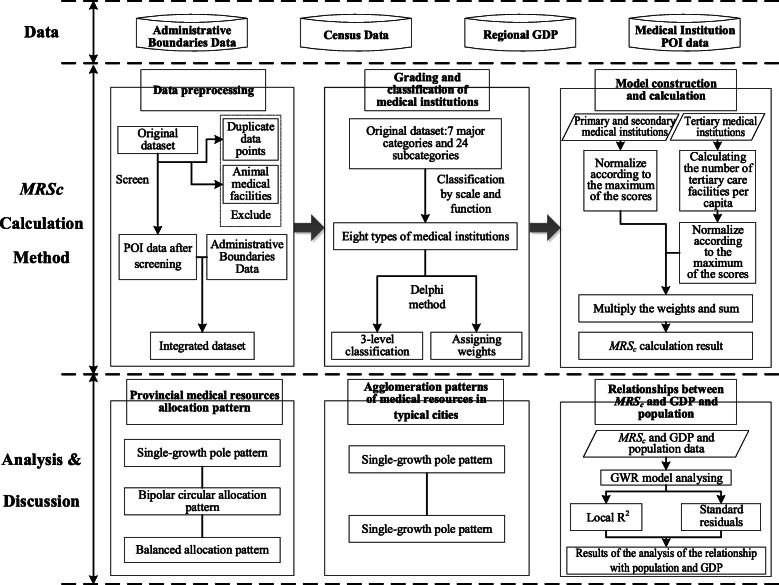
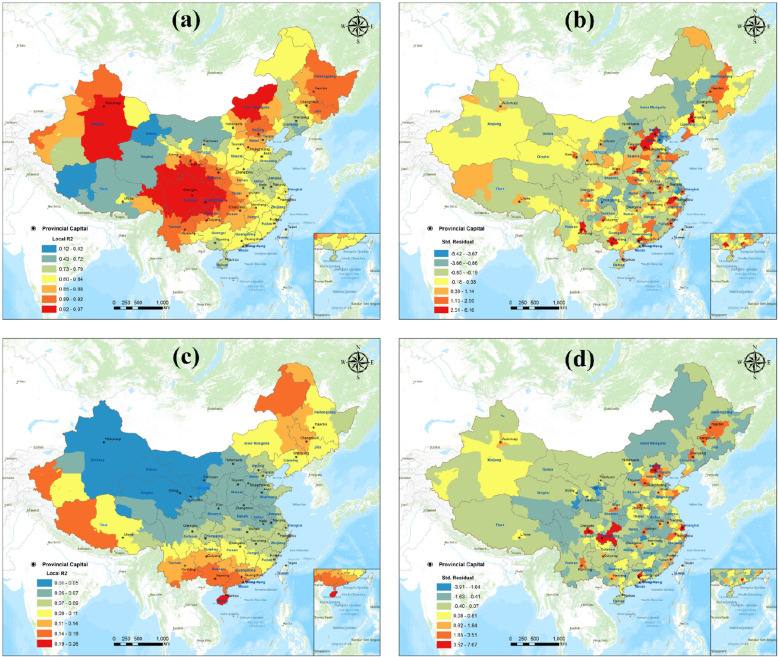
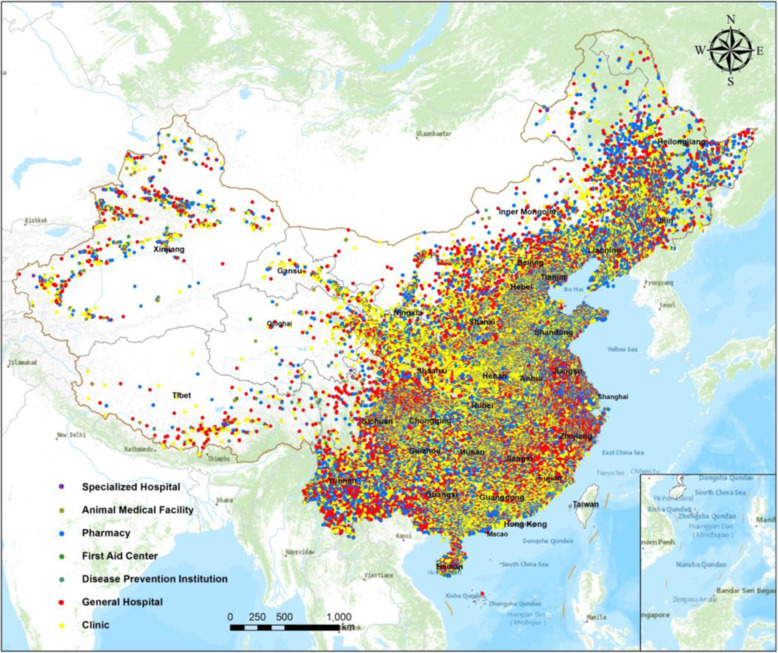
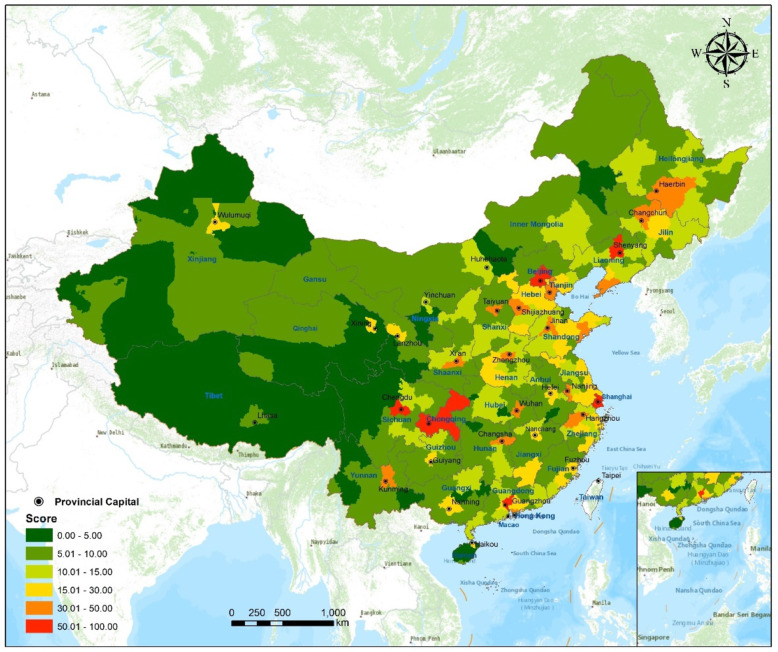
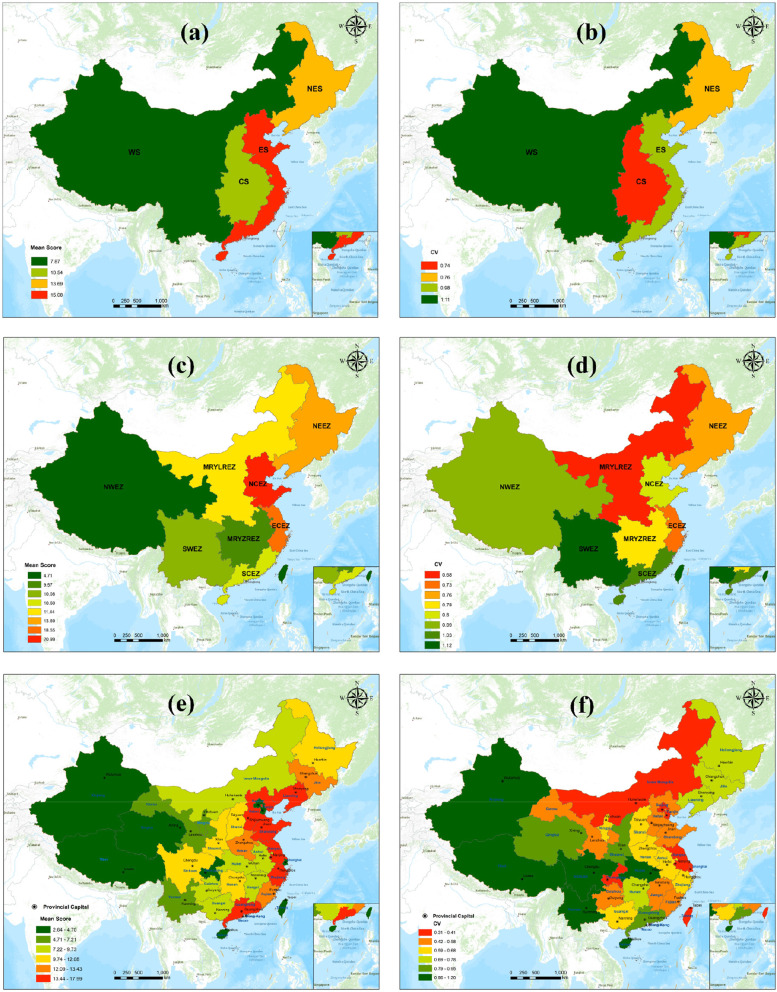
Using medical geographic big data, this study analyzed 369 Chinese cities and constructed a medical resource evaluation model based on the grading of medical institutions using the Delphi method. It evaluated China's medical resources at three levels (economic sectors, economic zones, and provinces) and discussed their spatial clustering patterns. Geographically weighted regression was used to explore the correlations between the evaluation results and population and gross domestic product (GDP).
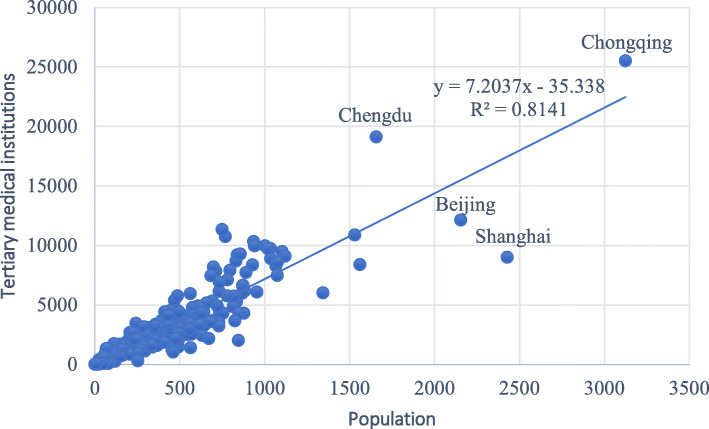
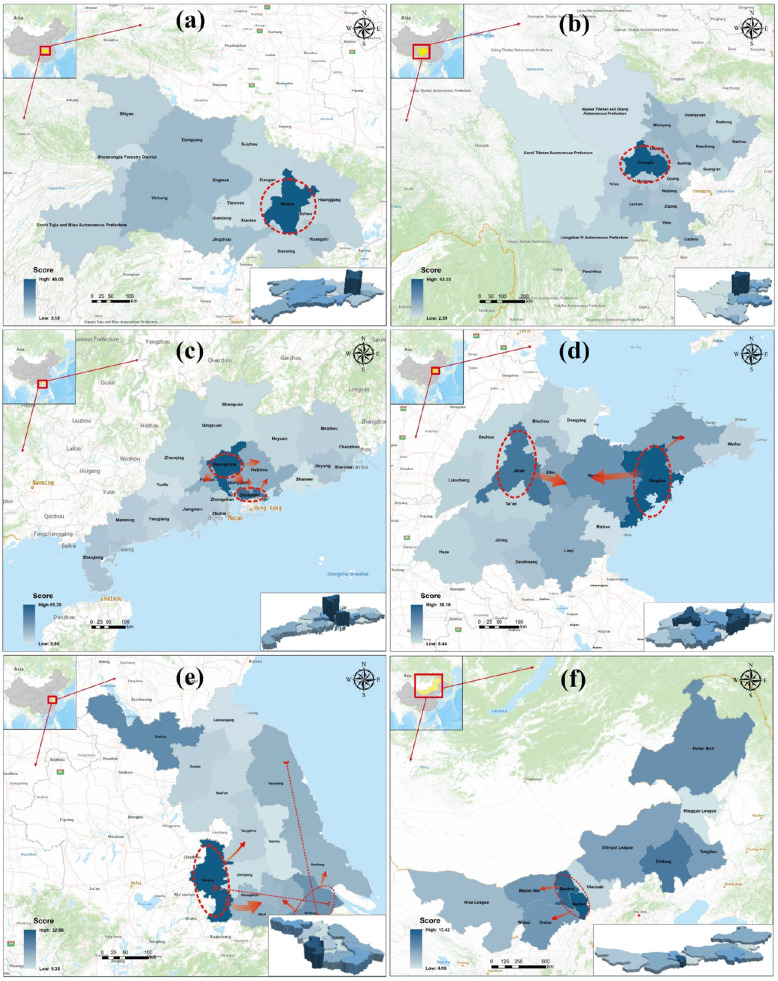
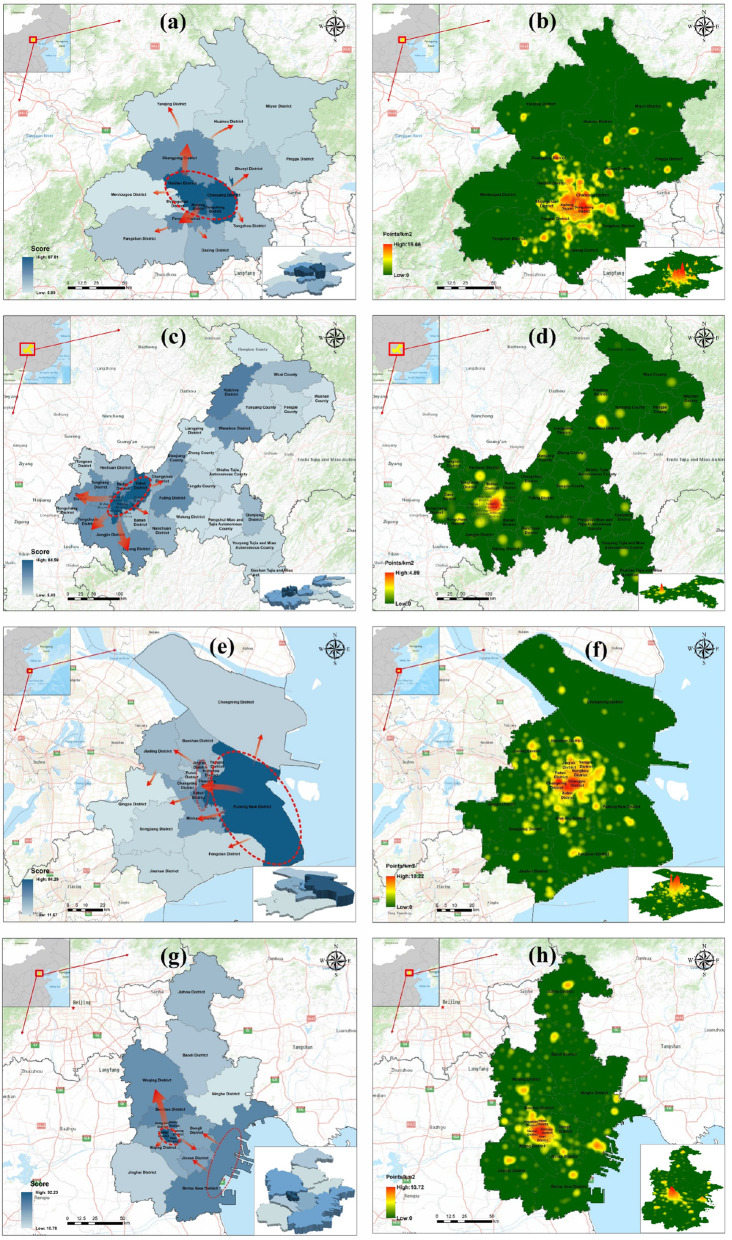
The spatial heterogeneity of medical resource allocation in China was significant, and the following general regularities were observed: 1) The abundance and balance of medical resources were typically better in the east than in the west, and in coastal areas compared to inland ones. 2) The average primacy ratio of medical resources in Chinese cities by province was 2.30. The spatial distribution of medical resources in the provinces was unbalanced, showing high concentrations in the primate cities. 3) The allocation of medical resources at the provincial level in China was summarized as following a single-growth pole pattern supplemented by bipolar circular allocation and balanced allocation patterns. The agglomeration patterns of medical resources in typical cities were categorized into single-center and balanced development patterns. GDP was highly correlated to the medical evaluation results, while demographic factors showed, low correlations. Large cities and their surrounding areas exhibited obvious response characteristics.
These findings provide policy-relevant guidance for improving the spatial imbalance of medical resources, strengthening regional public health systems, and promoting government coordination efforts for medical resource allocation at different levels to improve the overall functioning of the medical and health service system and bolster its balanced and synergistic development.
医疗资源的空间配置与人们的健康密切相关。因此,评估区域内医疗资源的丰富程度,探讨医疗资源配置的空间异质性具有重要意义。
本研究利用医疗地理大数据,采用德尔菲法对全国 369 个城市的医疗机构等级进行赋值,构建医疗资源评价模型,从经济带、经济区和省份三个层面评价我国医疗资源的分布,并探讨其空间集聚模式。运用地理加权回归分析方法,探讨评价结果与人口和国内生产总值(GDP)之间的相关性。
中国医疗资源配置的空间异质性显著,总体呈现出东部优于西部、沿海优于内陆的规律:1) 各省医疗资源丰裕度和均衡度普遍呈现东部优于西部、沿海优于内陆的特征;2) 全国城市医疗资源平均首位度为 2.30,省级医疗资源空间分布不均衡,存在明显的首位城市集聚现象;3) 全国省级医疗资源配置格局呈现出单增长极模式为主,双极循环模式和均衡模式为辅的格局,典型城市的医疗资源集聚模式分为单中心和均衡发展模式。人口对医疗评价结果的相关性较低,GDP 与医疗评价结果的相关性较高,大城市及其周边地区表现出明显的响应特征。
本研究为优化医疗资源空间分布不平衡、加强区域公共卫生体系建设、促进政府在不同层面协调医疗资源配置提供了政策参考,有助于提升医疗服务体系的整体运行效率,促进其均衡协同发展。