Department of Translational Genomics, Center for Genomic Medicine, King Faisal Specialist Hospital and Research Center, Riyadh, Saudi Arabia.
Department of Zoology, College of Science, King Saud University, Riyadh, Saudi Arabia.
Genome Med. 2021 Oct 13;13(1):161. doi: 10.1186/s13073-021-00973-0.
Molecular autopsy refers to DNA-based identification of the cause of death. Despite recent attempts to broaden its scope, the term remains typically reserved to sudden unexplained death in young adults. In this study, we aim to showcase the utility of molecular autopsy in defining lethal variants in humans.
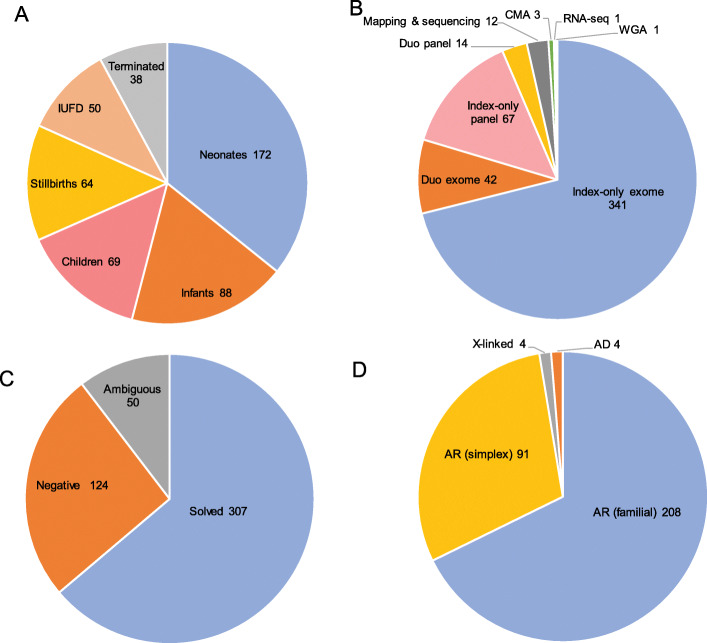
We describe our experience with a cohort of 481 cases in whom the cause of premature death was investigated using DNA from the index or relatives (molecular autopsy by proxy). Molecular autopsy tool was typically exome sequencing although some were investigated using targeted approaches in the earlier stages of the study; these include positional mapping, targeted gene sequencing, chromosomal microarray, and gene panels.
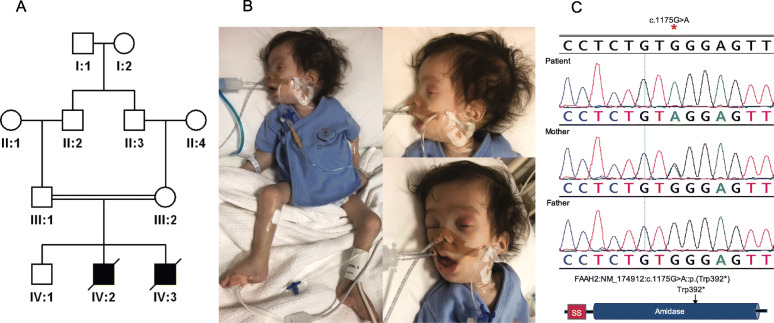
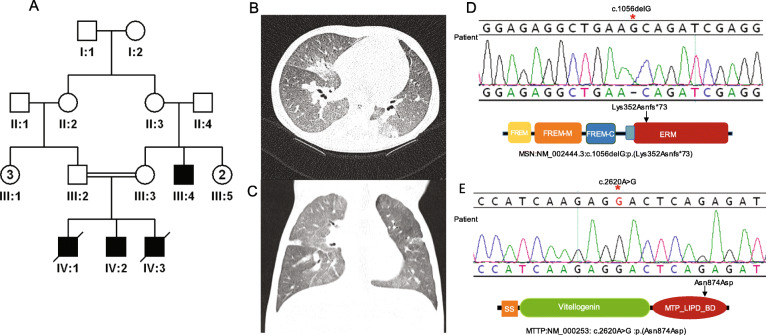
The study includes 449 cases from consanguineous families and 141 lacked family history (simplex). The age range was embryos to 18 years. A likely causal variant (pathogenic/likely pathogenic) was identified in 63.8% (307/481), a much higher yield compared to the general diagnostic yield (43%) from the same population. The predominance of recessive lethal alleles allowed us to implement molecular autopsy by proxy in 55 couples, and the yield was similarly high (63.6%). We also note the occurrence of biallelic lethal forms of typically non-lethal dominant disorders, sometimes representing a novel bona fide biallelic recessive disease trait. Forty-six disease genes with no OMIM phenotype were identified in the course of this study. The presented data support the candidacy of two other previously reported novel disease genes (FAAH2 and MSN). The focus on lethal phenotypes revealed many examples of interesting phenotypic expansion as well as remarkable variability in clinical presentation. Furthermore, important insights into population genetics and variant interpretation are highlighted based on the results.
Molecular autopsy, broadly defined, proved to be a helpful clinical approach that provides unique insights into lethal variants and the clinical annotation of the human genome.
分子尸检是指基于 DNA 的死因鉴定。尽管最近有人试图扩大其范围,但该术语通常仍保留用于年轻成年人的不明原因猝死。在这项研究中,我们旨在展示分子尸检在确定人类致死变异中的效用。
我们描述了使用来自索引或亲属的 DNA(代理分子尸检)调查 481 例过早死亡原因的经验。分子尸检工具通常是外显子组测序,尽管在研究的早期阶段,有些是使用靶向方法进行调查的;这些方法包括定位映射、靶向基因测序、染色体微阵列和基因面板。
该研究包括 449 例来自近亲家庭的病例和 141 例无家族史(单病例)。年龄范围从胚胎到 18 岁。在 481 例中,有 63.8%(307/481)确定了可能的致病变异(致病性/可能致病性),与同一人群的一般诊断率(43%)相比,这一比例要高得多。隐性致死等位基因的优势使我们能够在 55 对夫妇中实施代理分子尸检,其产量也同样高(63.6%)。我们还注意到通常非致死显性疾病的双等位基因致死形式的发生,有时代表新的真正双等位基因隐性疾病特征。在这项研究中,确定了 46 个没有 OMIM 表型的疾病基因。所提供的数据支持另外两个先前报道的新疾病基因(FAAH2 和 MSN)的候选资格。对致死表型的关注揭示了许多有趣的表型扩展以及临床表现的显著变异性的例子。此外,基于结果强调了对人群遗传学和变异解释的重要见解。
广义定义的分子尸检被证明是一种有用的临床方法,它为致死变异和人类基因组的临床注释提供了独特的见解。