Medical School of Chinese PLA, Beijing, China.
Faculty of Hepato-Pancreato-Biliary Surgery, The First Medical Center of Chinese People's Liberation Army (PLA) General Hospital, Beijing, China.
Bioengineered. 2021 Dec;12(1):9006-9020. doi: 10.1080/21655979.2021.1992331.
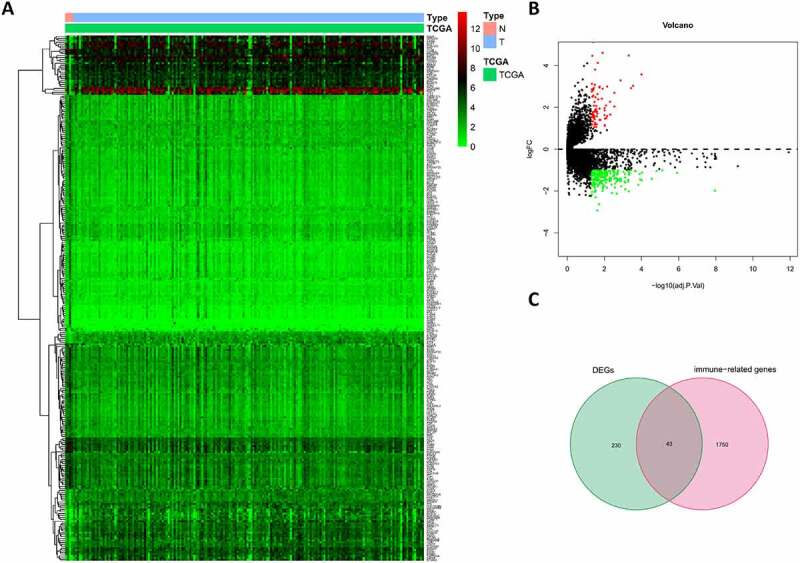
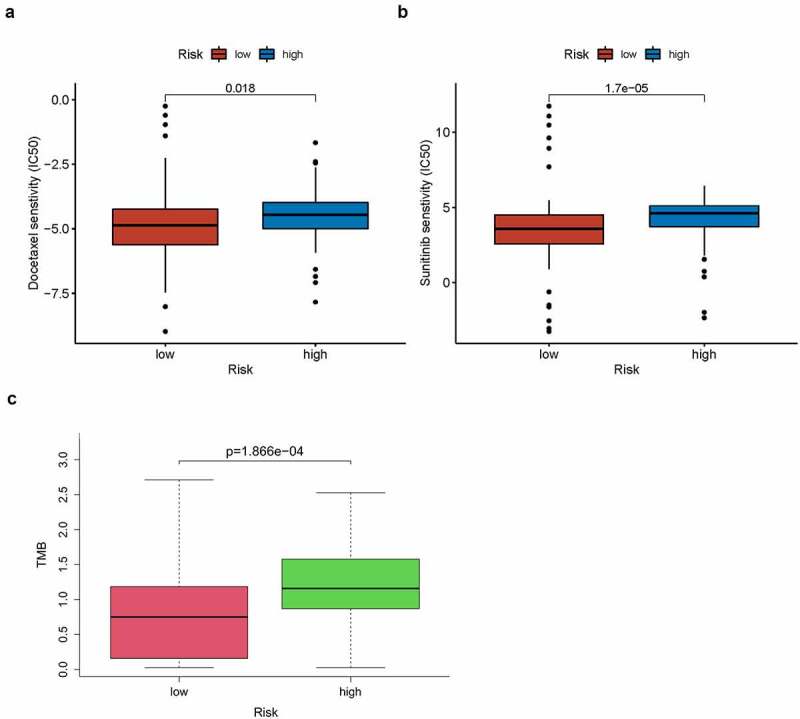
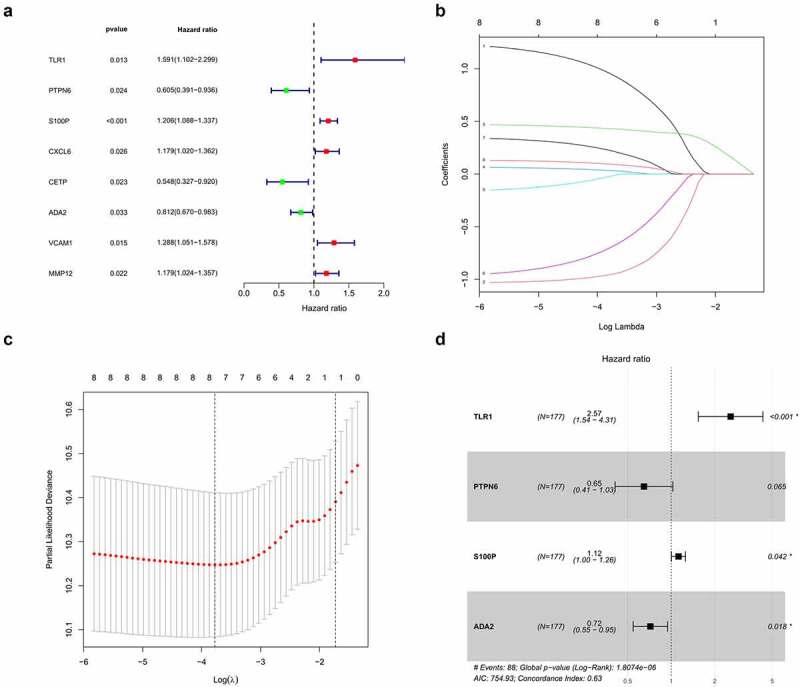
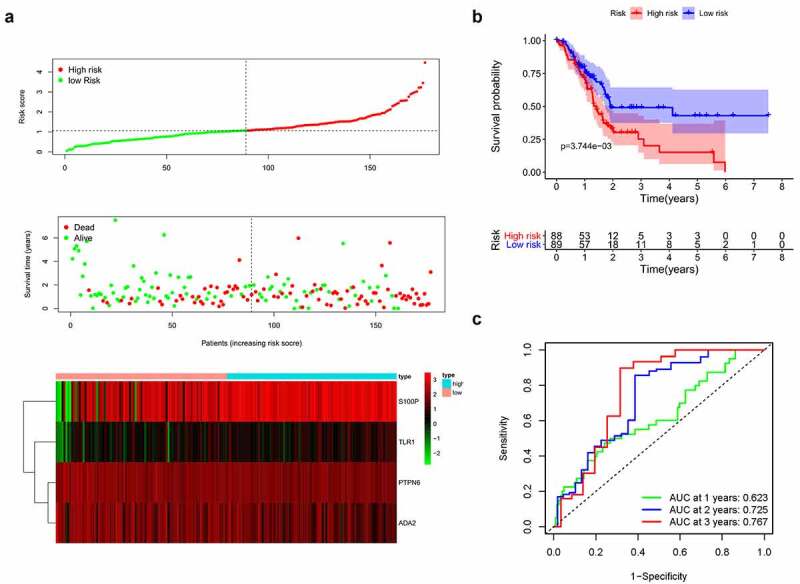
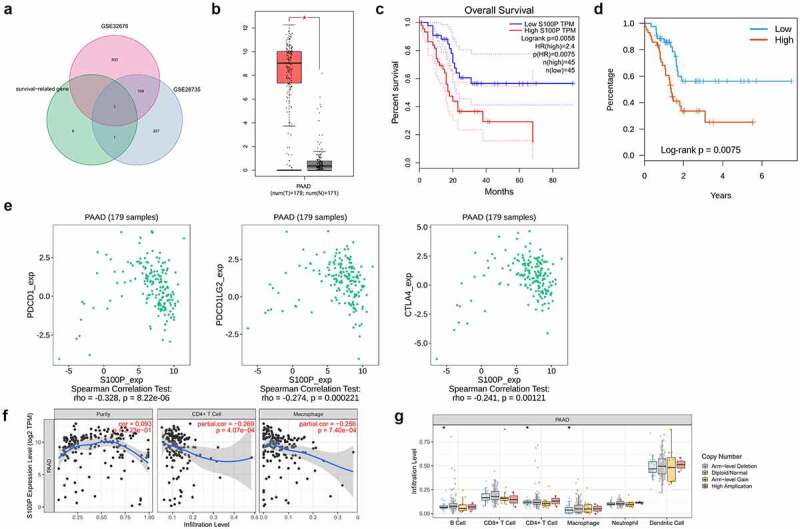
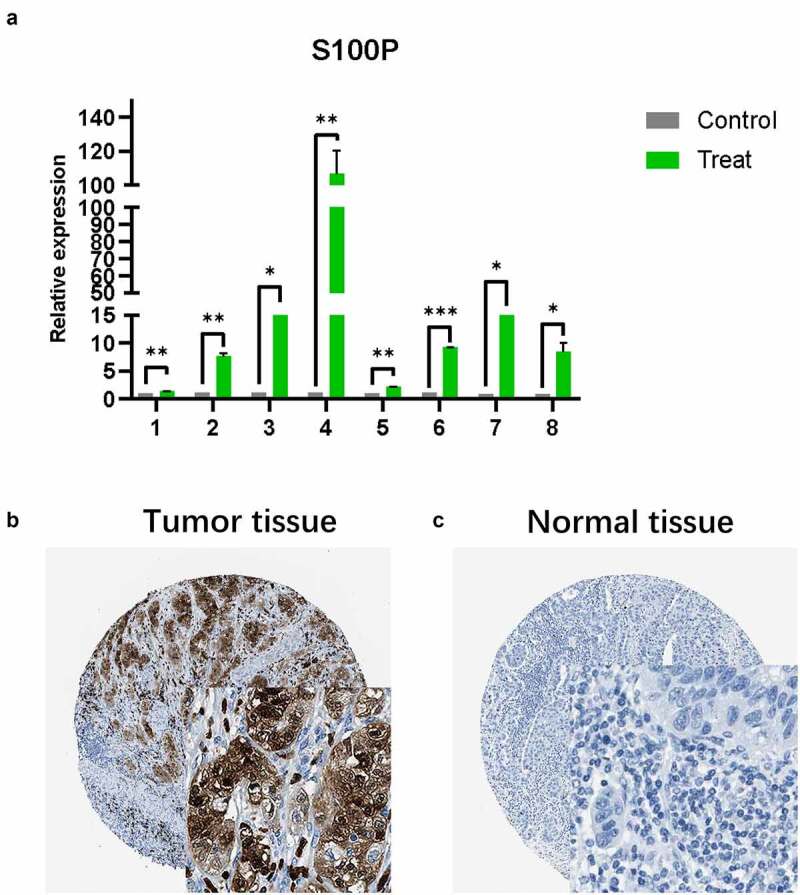
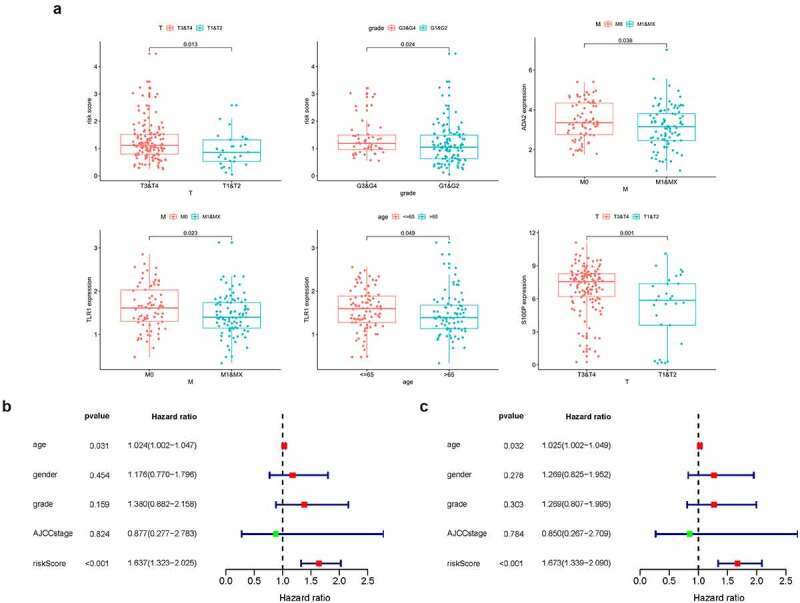
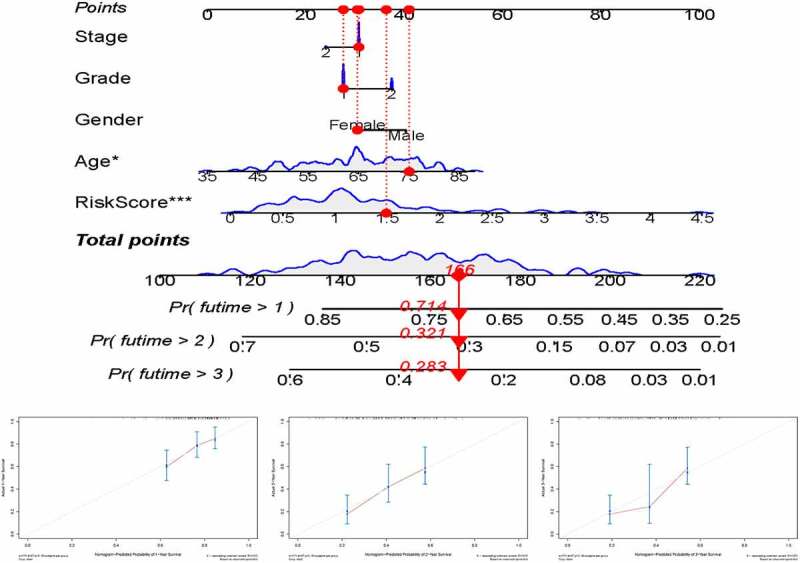
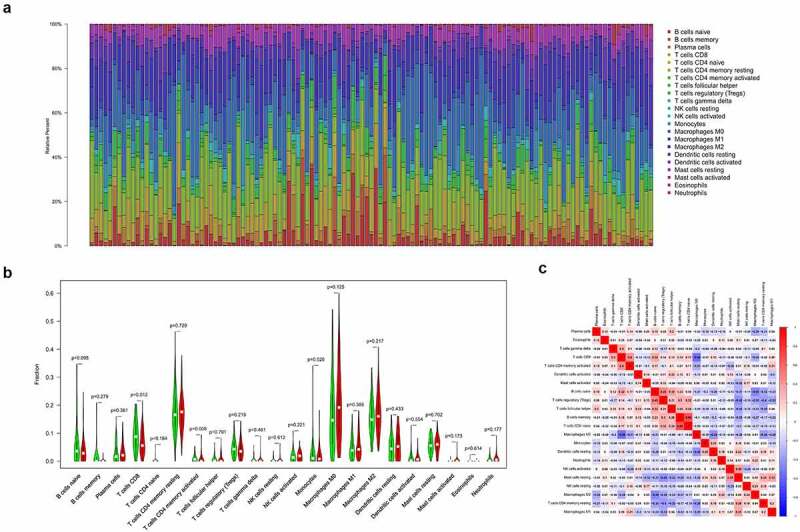
Pancreatic cancer is associated with a high mortality rate, and the prognosis is positively related to immune status. In this study, we constructed a prognostic signature from survival- and immune-related genes (IRGs) to guide treatment and assess prognosis of patients with pancreatic cancer. The transcriptomic data were obtained from The Cancer Genome Atlas (TCGA) database, and IRGs were extracted from the ImmPort database. Univariate and LASSO regression analysis were used to obtain survival-related IRGs. Finally, the prognostic signature was constructed using multivariate regression analysis. The laboratory experiments were conducted to verify the key IRG expression. Immune cells infiltration was analyzed using the CIBERSORT algorithm and TIMER database. Prognostic signature containing four IRGs (ADA2, TLR1, PTPN6, S100P) was constructed with good predictive performance; in particular, S100P played a significant role in the immune microenvironment, and tumorigenesis of pancreatic cancer. Moreover, we found that CD8 T cell and activated CD4 memory T cell tumor infiltration was lower in the high-risk group, while high-risk score correlated positively with higher tumor mutational burden, and the higher half inhibitory centration 50 of chemotherapeutic agents Docetaxel and Sunitinib. In summary, this study identified and constructed an immune-related prognostic signature that can predict overall survival, besides suggests that S100P was a novel immune-related biomarker. We hope that this signature will aid the identification of new biomarkers for the individualized immunotherapy of pancreatic cancer.
胰腺癌死亡率高,预后与免疫状态呈正相关。本研究构建了一个基于生存和免疫相关基因(IRGs)的预后标志物,以指导治疗和评估胰腺癌患者的预后。转录组数据来自癌症基因组图谱(TCGA)数据库,IRGs 从 ImmPort 数据库中提取。采用单因素和 LASSO 回归分析获得与生存相关的 IRGs。最后,采用多因素回归分析构建预后标志物。通过实验室实验验证关键 IRG 的表达。使用 CIBERSORT 算法和 TIMER 数据库分析免疫细胞浸润。构建了包含 4 个 IRG(ADA2、TLR1、PTPN6、S100P)的预后标志物,具有良好的预测性能;特别是 S100P 在免疫微环境和胰腺癌发生中起重要作用。此外,我们发现高危组 CD8 T 细胞和激活的 CD4 记忆 T 细胞肿瘤浸润较低,而高危评分与较高的肿瘤突变负担呈正相关,并且半数抑制浓度 50 的化疗药物多西他赛和舒尼替尼较高。总之,本研究鉴定并构建了一个与免疫相关的预后标志物,可预测总生存期,此外表明 S100P 是一种新的免疫相关生物标志物。我们希望这个标志物将有助于识别胰腺癌个体化免疫治疗的新生物标志物。