Shen Yu Zhou, Li Hai Li, Hu Ying Chun
Department of Emergency Medicine, The Affiliated Hospital of Southwest Medical University, No. 25, Taiping Road, Sichuan, Lu Zhou, People's Republic of China.
Sci Rep. 2025 Feb 25;15(1):6718. doi: 10.1038/s41598-025-90858-8.
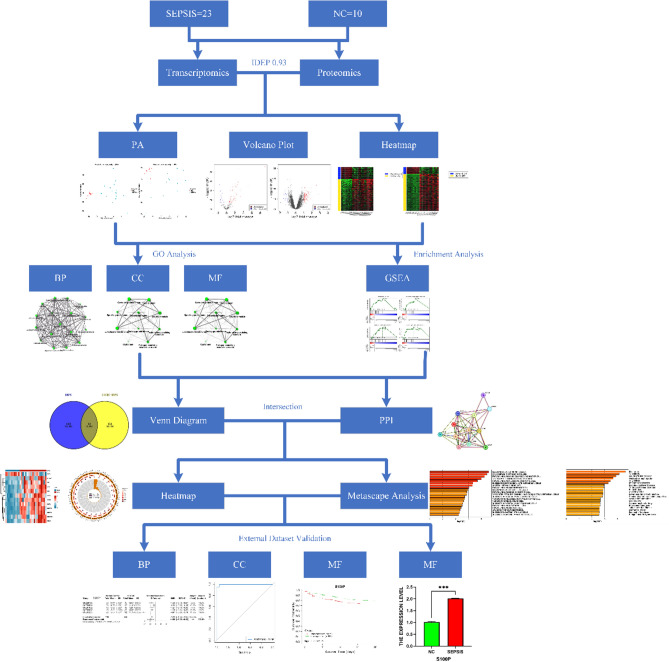
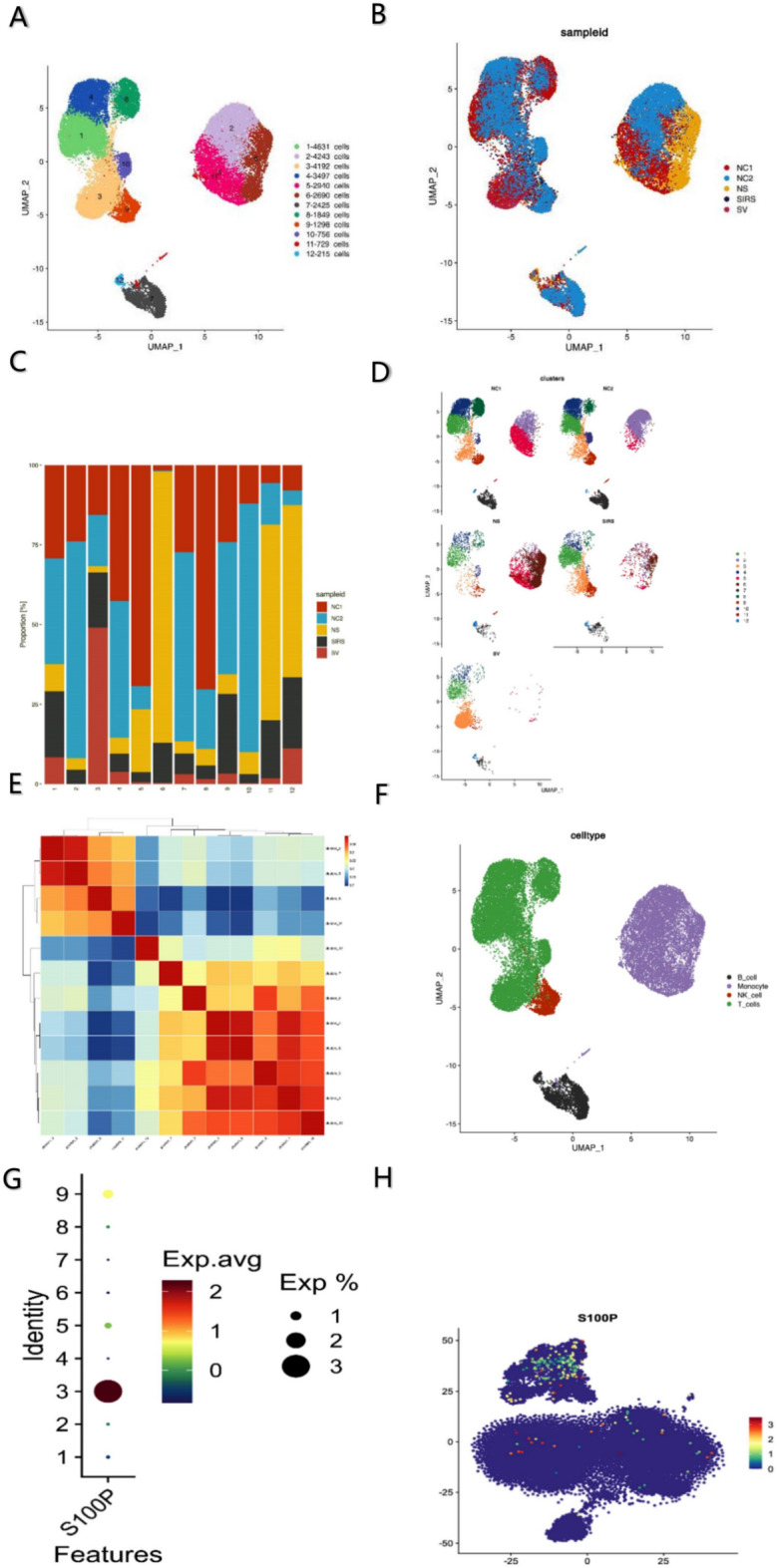
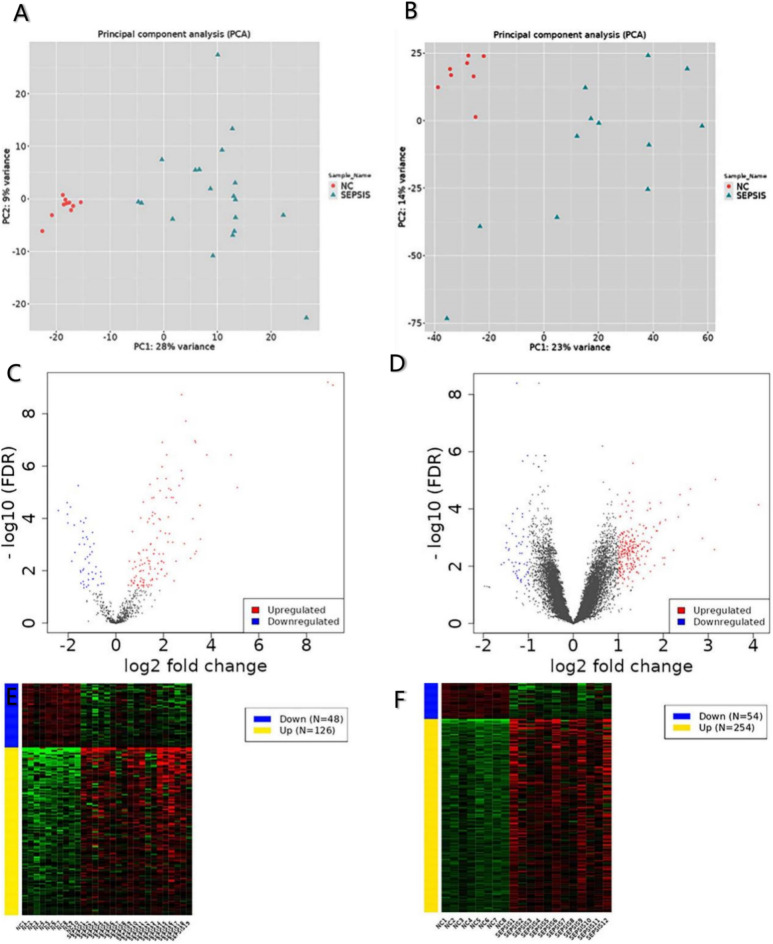
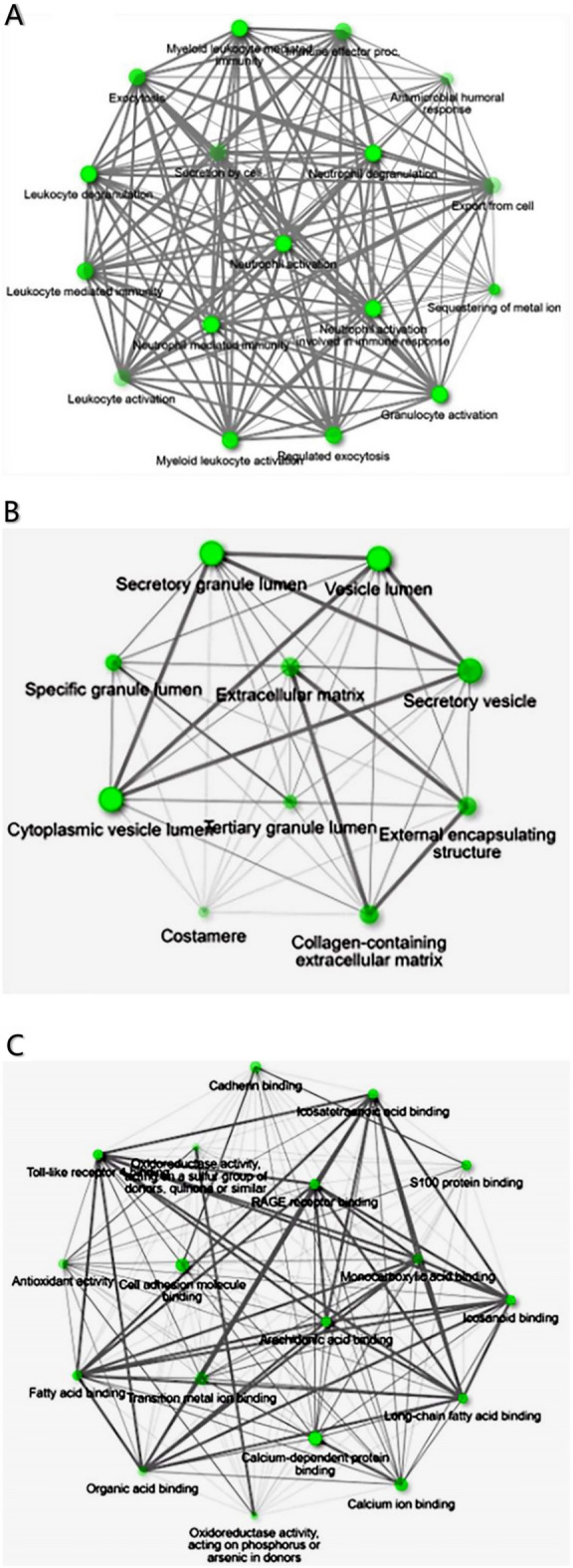
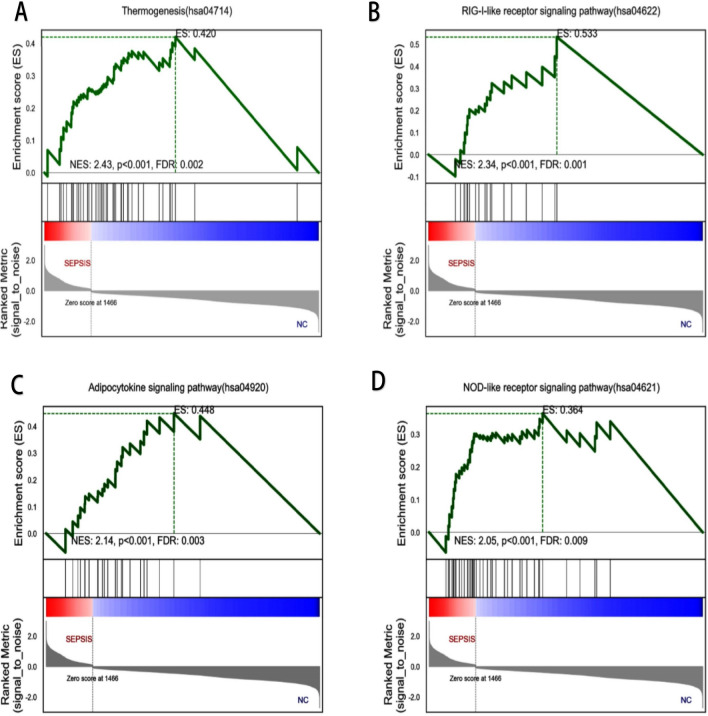
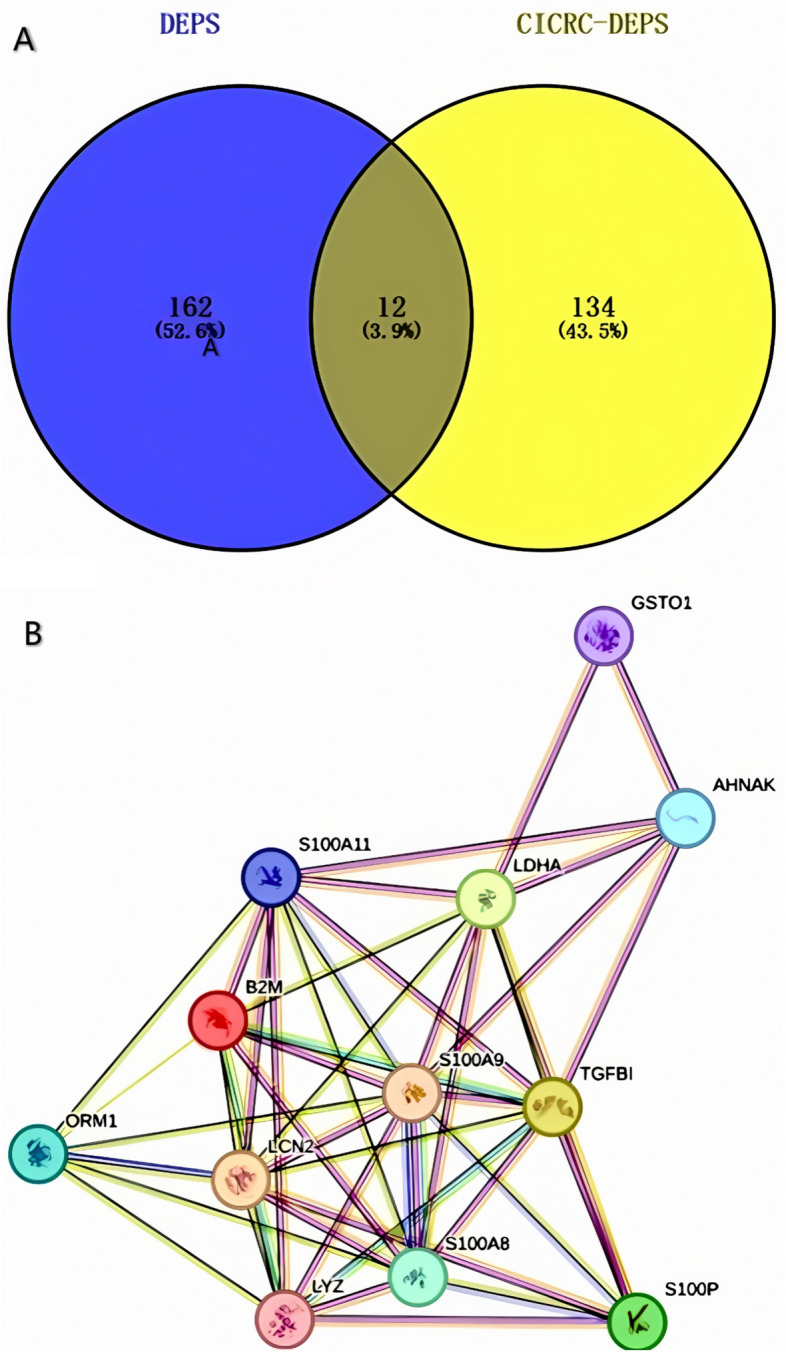
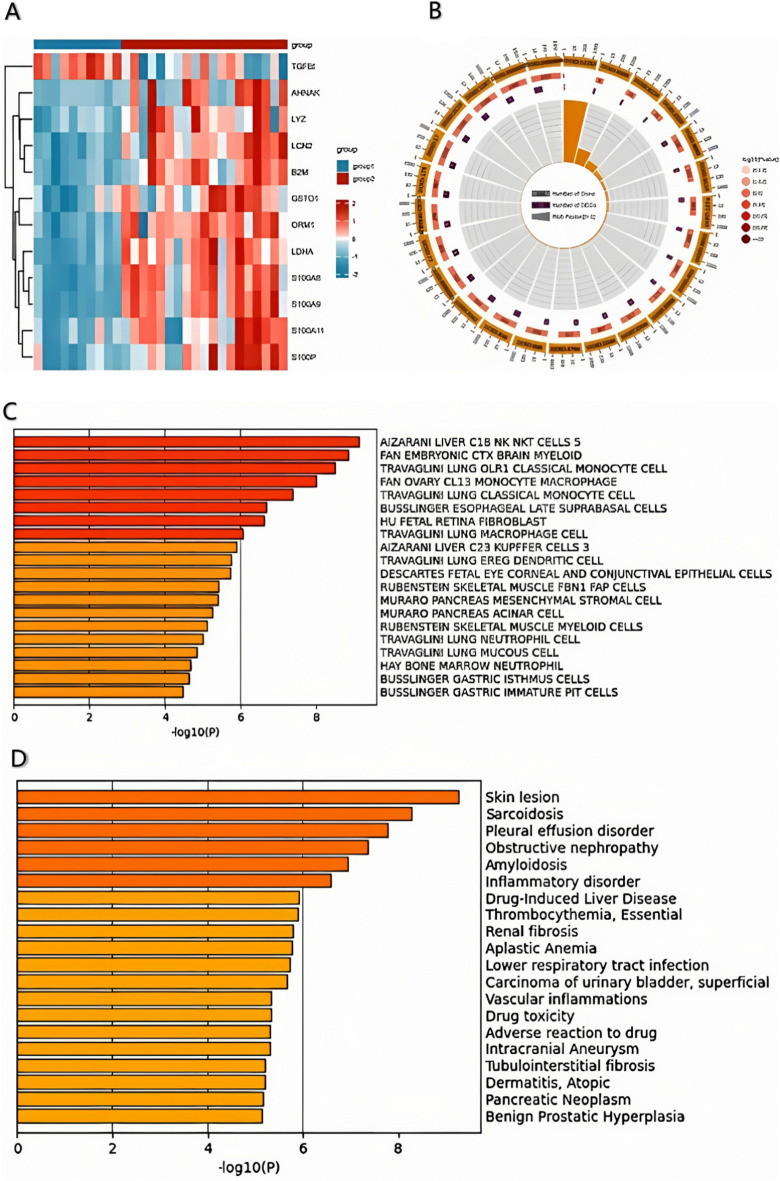
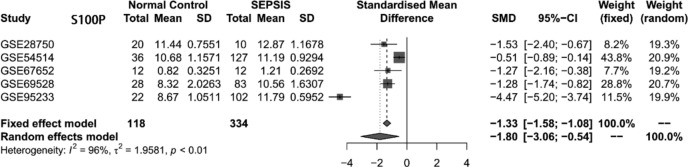
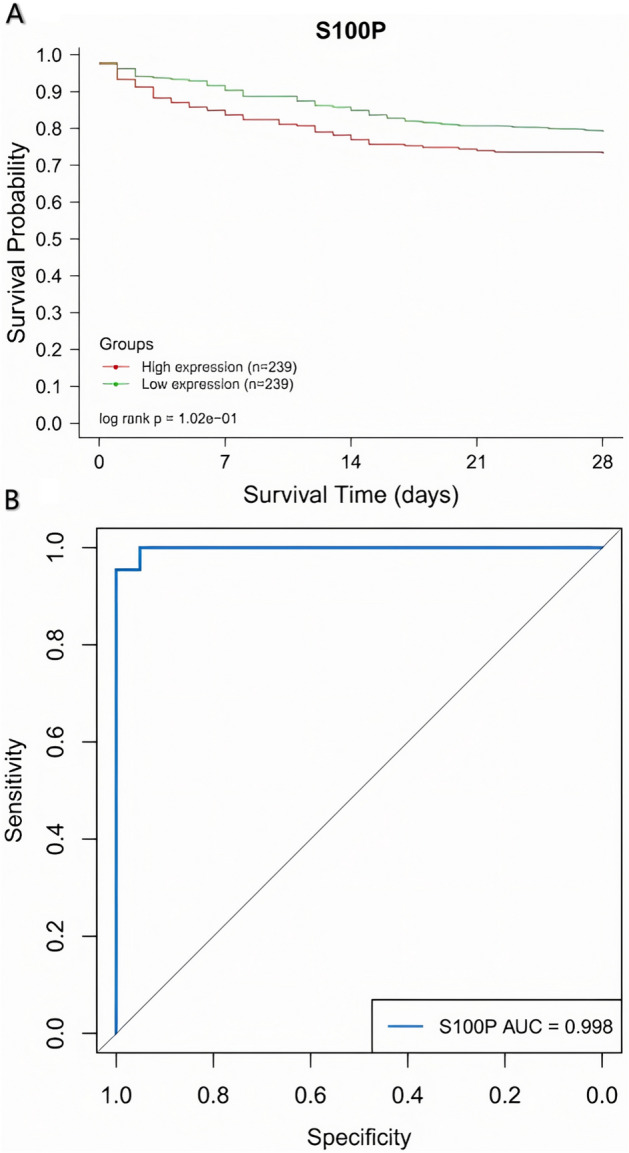
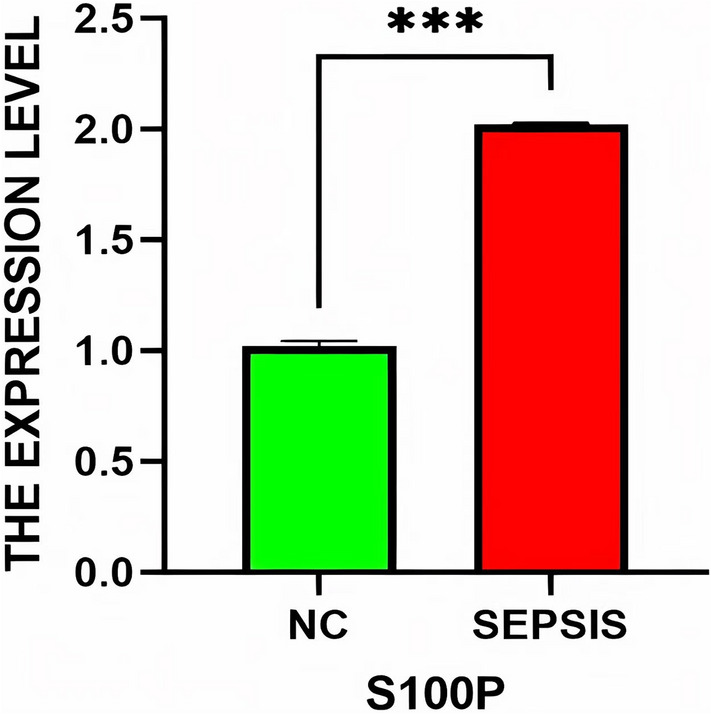
Sepsis, characterized as a severe systemic inflammatory response syndrome, typically originates from an exaggerated immune response to infection that gives rise to organ dysfunction. Serving as one of the predominant causes of death among critically ill patients, it's pressing to acquire an in-depth understanding of its intricate pathological mechanisms to strengthen diagnostic and therapeutic strategies. By integrating genomic, transcriptomic, proteomic, and metabolomic data across multiple biological levels, multi-omics research analysis has emerged as a crucial tool for unveiling the complex interactions within biological systems and unraveling disease mechanisms in recent years. Samples were collected from 23 cases of sepsis patients and 10 healthy volunteers from January 2019 to December 2020. The protein components in the samples were explored by independent data acquisition (DIA) analysis method, while Circular RNA (circRNA) categories were usually identified by RNA sequencing (RNA-seq) technology. Subsequent to the above steps, data quality monitoring was performed by employing software, and unqualified sequences were excluded, and conditions were set for differential expression network analysis (protein group and circRNA group were separately used log |FC|≥ 1 and log |FC|≥ 2, P < 0.050). Gene Ontology (GO) enrichment analysis and gene set enrichment analysis (GSEA) analysis were performed on common differentially expressed proteins, followed by protein-protein interaction between common differentially expressed genes and cytoscape software enrichment analysis, and subsequently its association with associated diseases (Disease Ontology (DO)) was investigated in an all-round manner. Afterwards, the distribution distinction of common differentially expressed genes in sepsis group and healthy volunteer group was displayed by heat map after Meta-analysis. Subsequent to the above procedures, pivotal targets with noticeable survival curve distinctions in two states were screened out after Meta-analysis. At last, their potential value was verified by in vitro cell experiment, which provided reference for further discussion of the diagnostic value and prognostic effect of target gene. A total of 174 DEPs and 308 DEcircRNAs were identified in the proteomics analysis, while a total of 12 common differentially expressed genes were identified after joint analysis. The protein-protein interaction (PPI) network suggested the degree of interaction between the dissimilar genes, and the heat map demonstrated their specific distribution in distinct groups. Through enrichment analysis, these proteins predominantly participated in a sequence of crucial processes such as intracellular material synthesis and secretion, changes in inflammatory receptors and immune inflammatory response. The meta-analysis identified that S100P is highly expressed in sepsis. As illustrated by the ROC curve, this gene has high clinical diagnostic value, and utimately confirmed its expression in sepsis through in vitro cell experiments. In these two groups of healthy people and septic patients, S100P demonstrated a more obvious trend of differential expression; Cell experiments also proved its value in diagnosis and prognosis judgment in sepsis; As a result, they may become diagnostic and prognostic markers for sepsis in clinical practice.
脓毒症,其特征为严重的全身炎症反应综合征,通常源于对感染的过度免疫反应,进而导致器官功能障碍。作为重症患者主要的死亡原因之一,深入了解其复杂的病理机制对于加强诊断和治疗策略至关重要。近年来,通过整合多个生物学层面的基因组、转录组、蛋白质组和代谢组数据,多组学研究分析已成为揭示生物系统内复杂相互作用及阐明疾病机制的关键工具。在2019年1月至2020年12月期间,从23例脓毒症患者和10名健康志愿者中采集样本。样本中的蛋白质成分通过独立数据采集(DIA)分析方法进行探究,而环状RNA(circRNA)类别通常通过RNA测序(RNA-seq)技术进行鉴定。在上述步骤之后,使用软件进行数据质量监测,排除不合格序列,并设定差异表达网络分析的条件(蛋白质组和circRNA组分别使用log |FC|≥1和log |FC|≥2,P < 0.050)。对共同差异表达的蛋白质进行基因本体(GO)富集分析和基因集富集分析(GSEA)分析,随后对共同差异表达基因之间的蛋白质-蛋白质相互作用以及细胞图谱软件进行富集分析,并全面研究其与相关疾病(疾病本体(DO))的关联。之后,通过Meta分析后用热图展示脓毒症组和健康志愿者组中共同差异表达基因的分布差异。在上述程序之后,通过Meta分析筛选出在两种状态下具有明显生存曲线差异的关键靶点。最后,通过体外细胞实验验证其潜在价值,为进一步探讨靶基因的诊断价值和预后效果提供参考。在蛋白质组学分析中总共鉴定出174个差异表达蛋白质(DEP)和308个差异表达环状RNA(DEcircRNA),而联合分析后总共鉴定出12个共同差异表达基因。蛋白质-蛋白质相互作用(PPI)网络表明不同基因之间的相互作用程度,热图展示了它们在不同组中的具体分布。通过富集分析,这些蛋白质主要参与一系列关键过程,如细胞内物质合成与分泌、炎症受体变化和免疫炎症反应。Meta分析确定S100P在脓毒症中高表达。如ROC曲线所示,该基因具有较高的临床诊断价值,并最终通过体外细胞实验证实其在脓毒症中的表达。在这两组健康人和脓毒症患者中,S100P表现出更明显的差异表达趋势;细胞实验也证明了其在脓毒症诊断和预后判断中的价值;因此,它们可能成为临床实践中脓毒症的诊断和预后标志物。