Wei Boyuan, Liu Zhe, Fan Yue, Wang Shuwei, Dong Chao, Rao Wei, Yang Fan, Cheng Gang, Zhang Jianning
Department of Neurosurgery, The First Medical Center of People's Liberation Army General (PLA) Hospital, Beijing, China.
Department of Computer Science, City University of Hong Kong, Hong Kong, Hong Kong, SAR China.
Front Oncol. 2021 Oct 4;11:683007. doi: 10.3389/fonc.2021.683007. eCollection 2021.
Primary central nervous system lymphoma (PCNSL) is characterized by a lack of specificity and poor prognosis. Further understanding of the tumor heterogeneity and molecular phenotype of PCNSL is of great significance for improving the diagnosis and treatment of this disease.
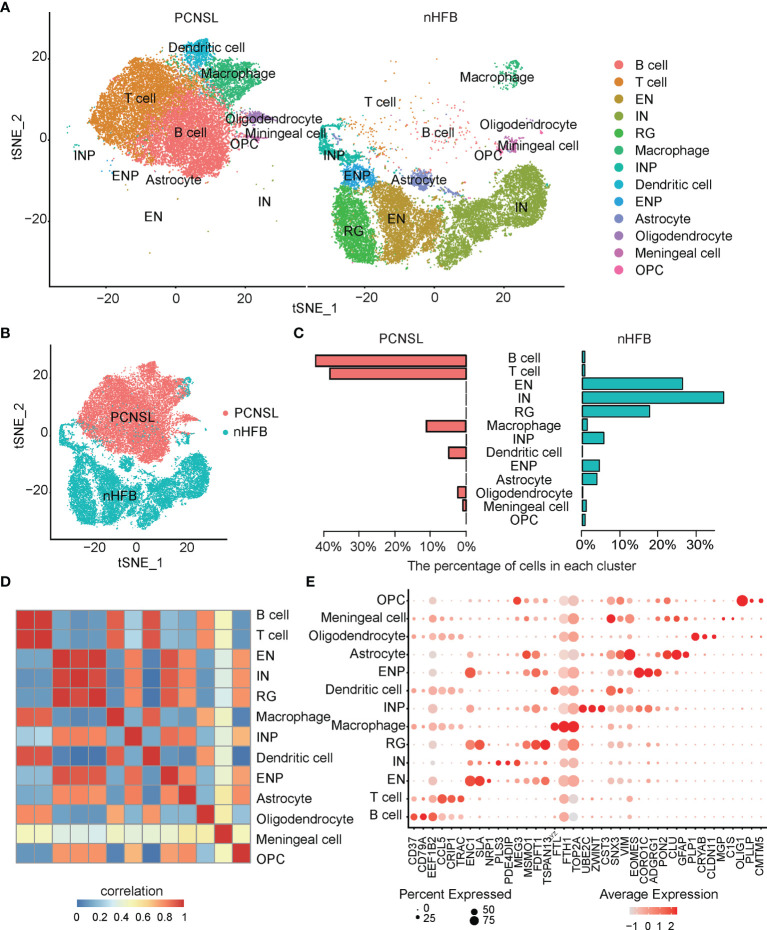
To explore the distinct phenotypic states of PCNSL, transcriptome-wide single-cell RNA sequencing was performed on 34,851 PCNSL cells from patients. The cell types, heterogeneity, and gene subset enrichment of PCNSL were identified. A comparison of the PCNSL cells with 21,250 normal human fetal brain (nHFB) cells was further analyzed to reveal the differences between PCNSL and normal sample.
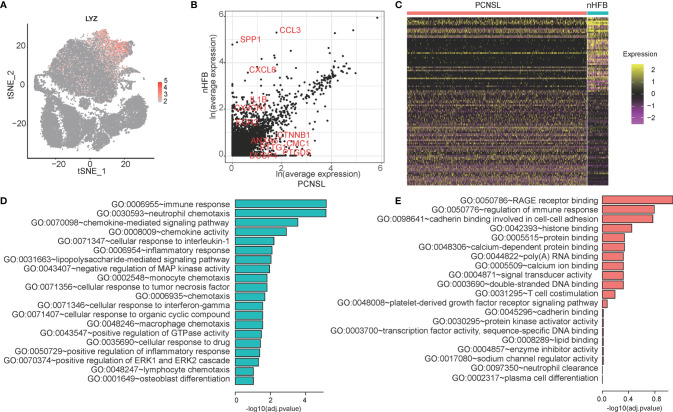
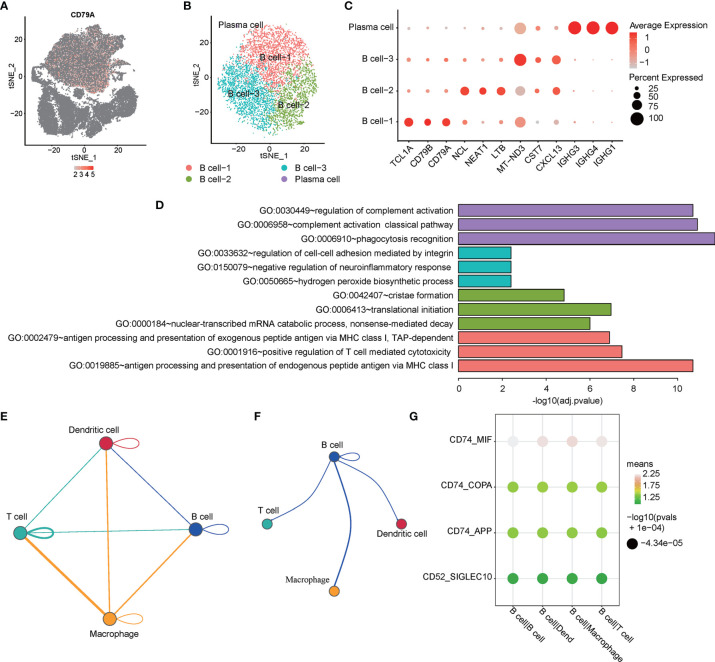
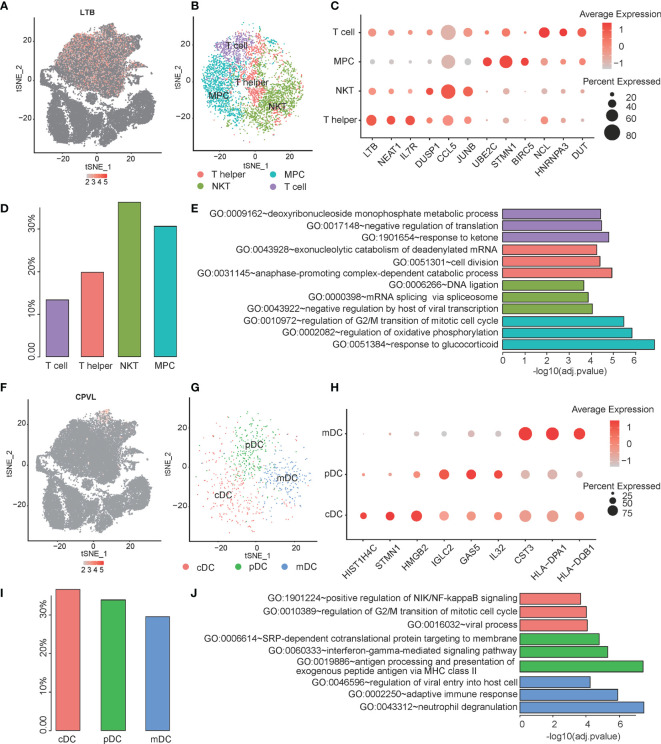
Six cell populations were mainly identified in the PCNSL tissue, including four types of immune cells-B cell, T cell, macrophage and dendritic cell-and two types of stromal cells: oligodendrocyte and meningeal cell. There are significant cellular interactions between B cells and several other cells. Three subpopulations of B cells indicating diffident functions were identified, as well as a small number of plasma cells. Different subtypes of T cells and dendritic cells also showed significant heterogeneity. It should be noted that, compared with normal, the gene expression and immune function of macrophages in PCNSL were significantly downregulated, which may be another important feature of PCNSL in addition to B cell lesions and may be a potential target for PCNSL therapy.
原发性中枢神经系统淋巴瘤(PCNSL)具有缺乏特异性和预后差的特点。进一步了解PCNSL的肿瘤异质性和分子表型对改善该疾病的诊断和治疗具有重要意义。
为了探索PCNSL不同的表型状态,对来自患者的34,851个PCNSL细胞进行了全转录组单细胞RNA测序。确定了PCNSL的细胞类型、异质性和基因子集富集情况。进一步分析了PCNSL细胞与21,250个正常人类胎儿脑(nHFB)细胞的差异,以揭示PCNSL与正常样本之间的区别。
在PCNSL组织中主要鉴定出六个细胞群体,包括四种免疫细胞——B细胞、T细胞、巨噬细胞和树突状细胞——以及两种基质细胞:少突胶质细胞和脑膜细胞。B细胞与其他几种细胞之间存在显著的细胞间相互作用。鉴定出了具有不同功能的三个B细胞亚群以及少量浆细胞。不同亚型的T细胞和树突状细胞也表现出显著的异质性。需要注意的是,与正常情况相比,PCNSL中巨噬细胞的基因表达和免疫功能显著下调,这可能是除B细胞病变外PCNSL的另一个重要特征,并且可能是PCNSL治疗的潜在靶点。