Institute for Experimental and Clinical Pharmacology and Toxicology, Center of Brain, Behavior and Metabolism (CBBM), University of Lübeck, Lübeck, Germany.
DZHK (German Research Centre for Cardiovascular Research), Hamburg-Lübeck-Kiel and Frankfurt, Germany.
Nat Neurosci. 2021 Nov;24(11):1522-1533. doi: 10.1038/s41593-021-00926-1. Epub 2021 Oct 21.
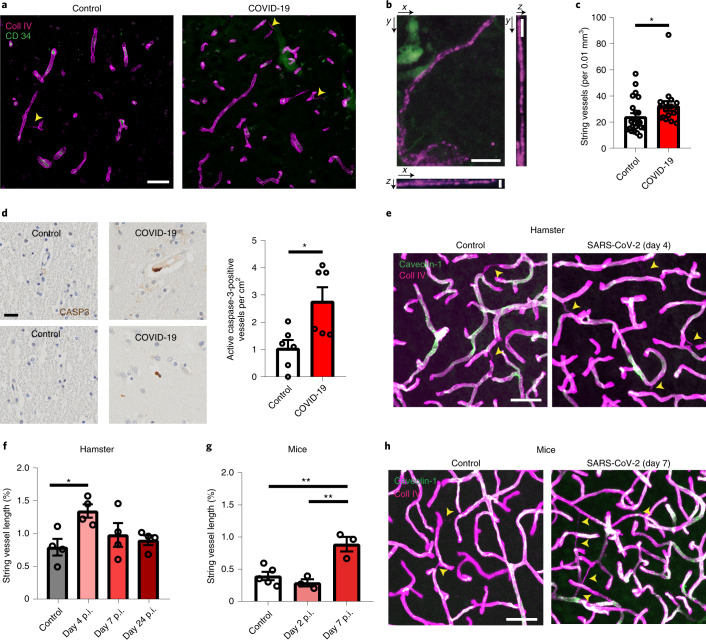
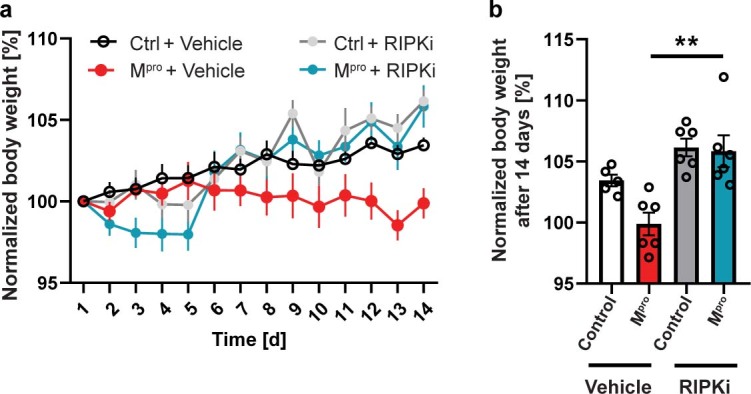
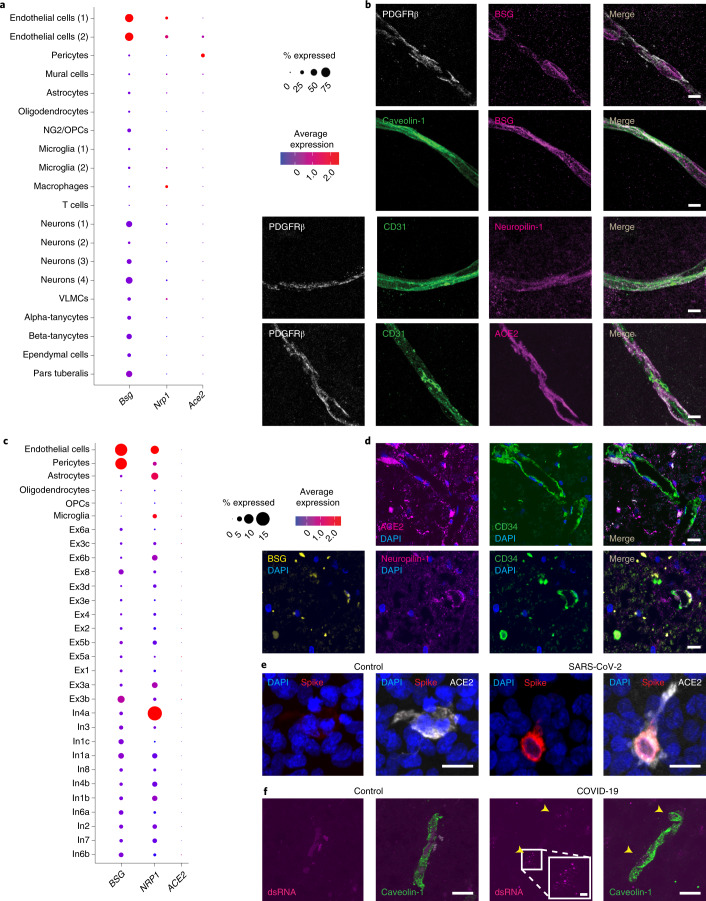
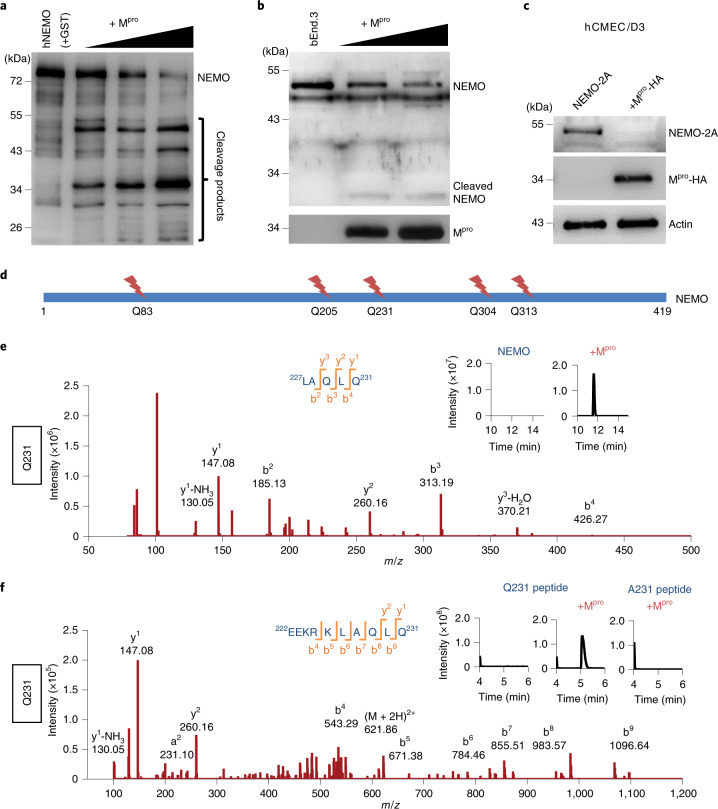
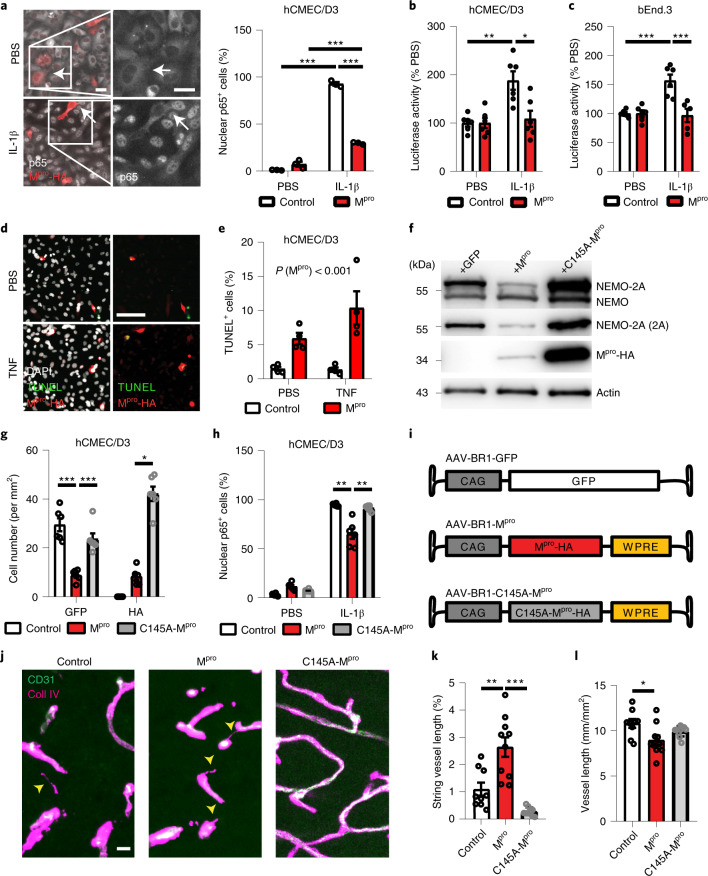
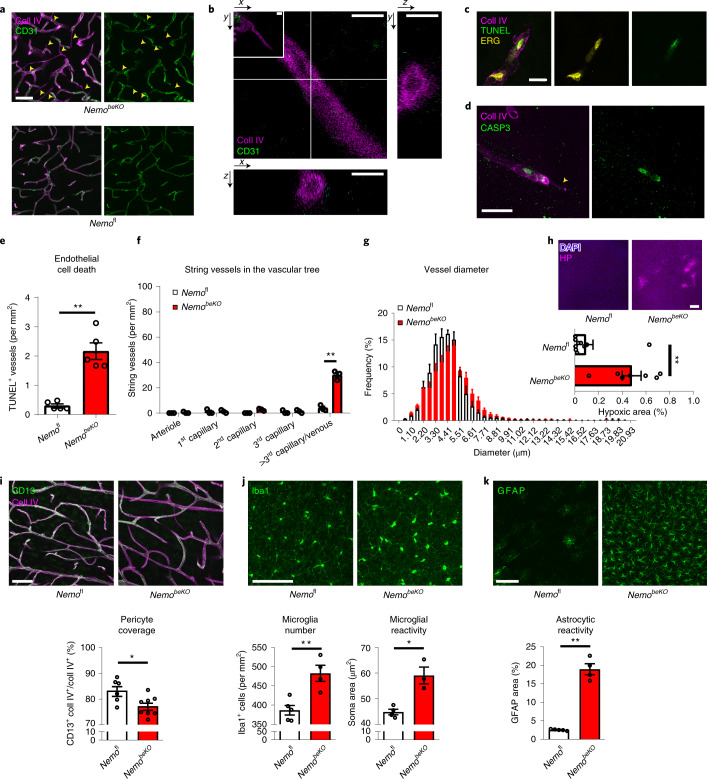
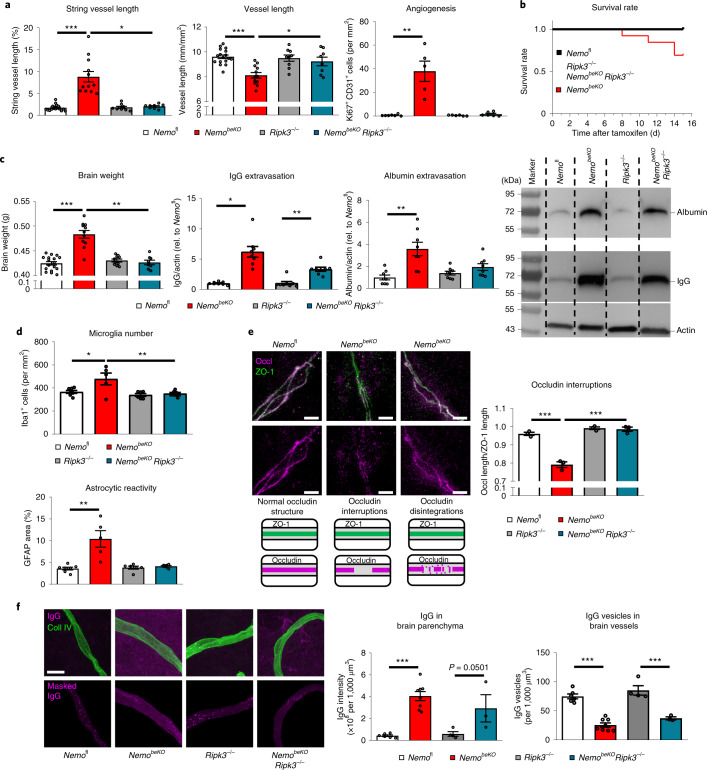
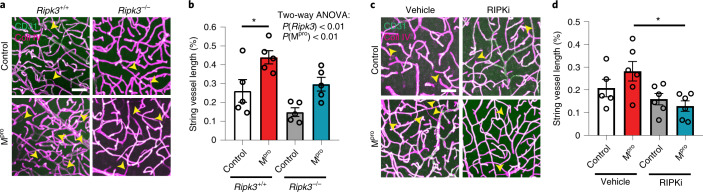
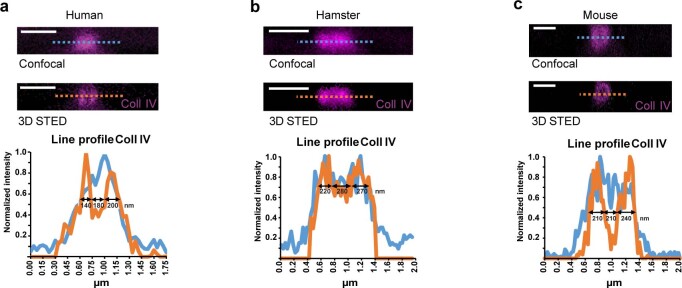
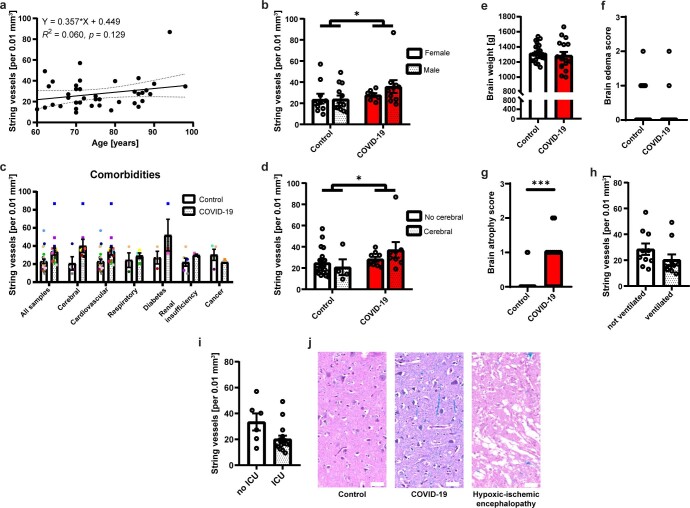
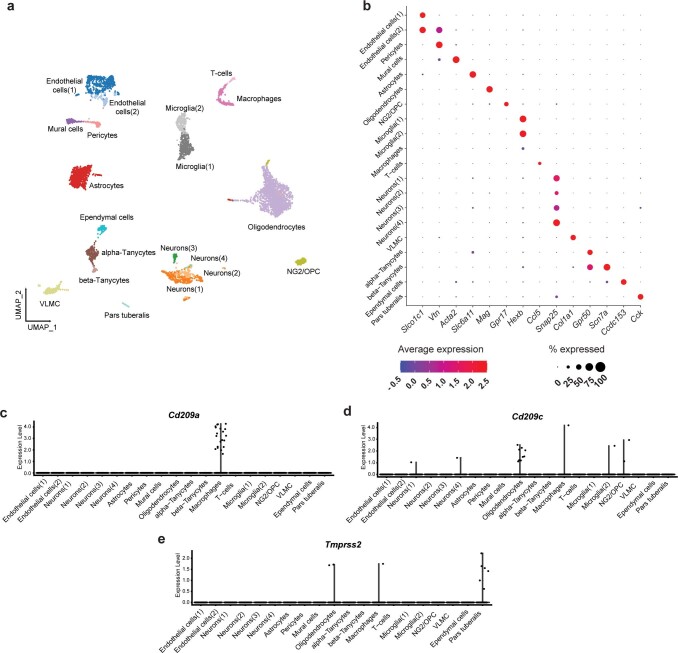
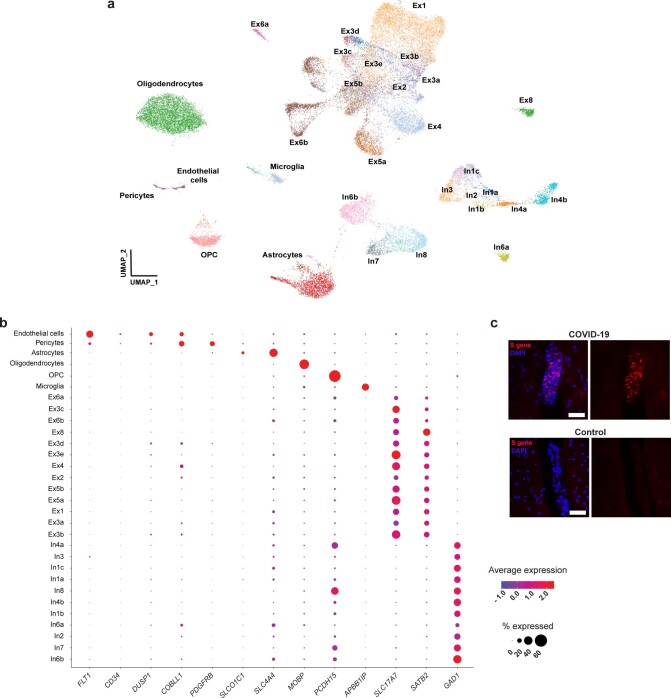
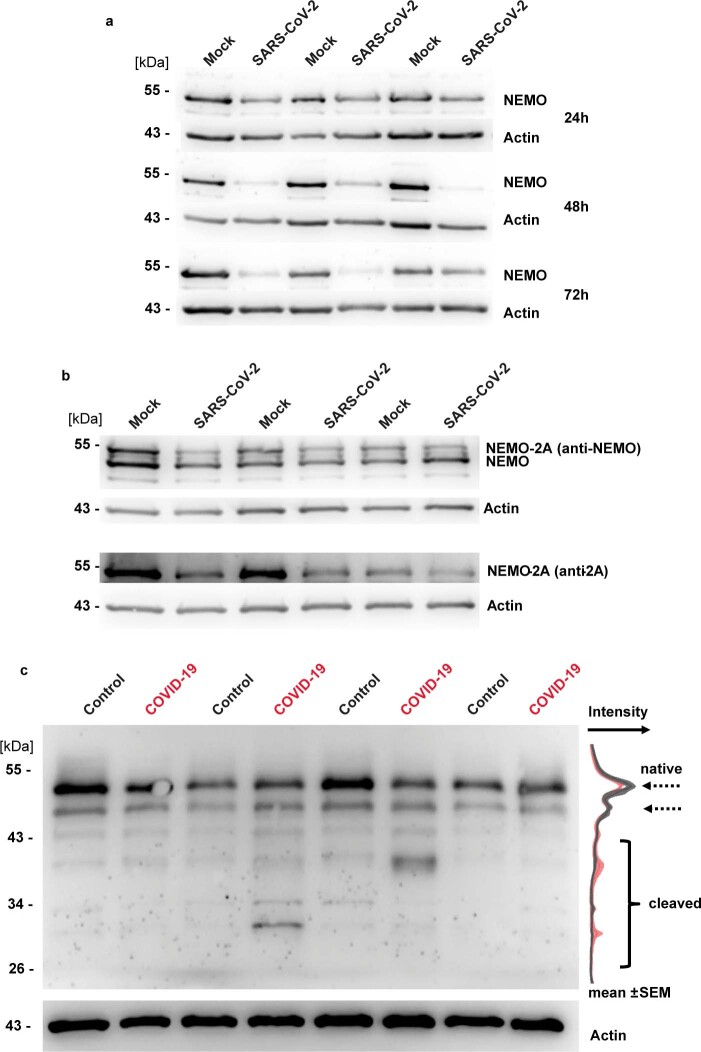
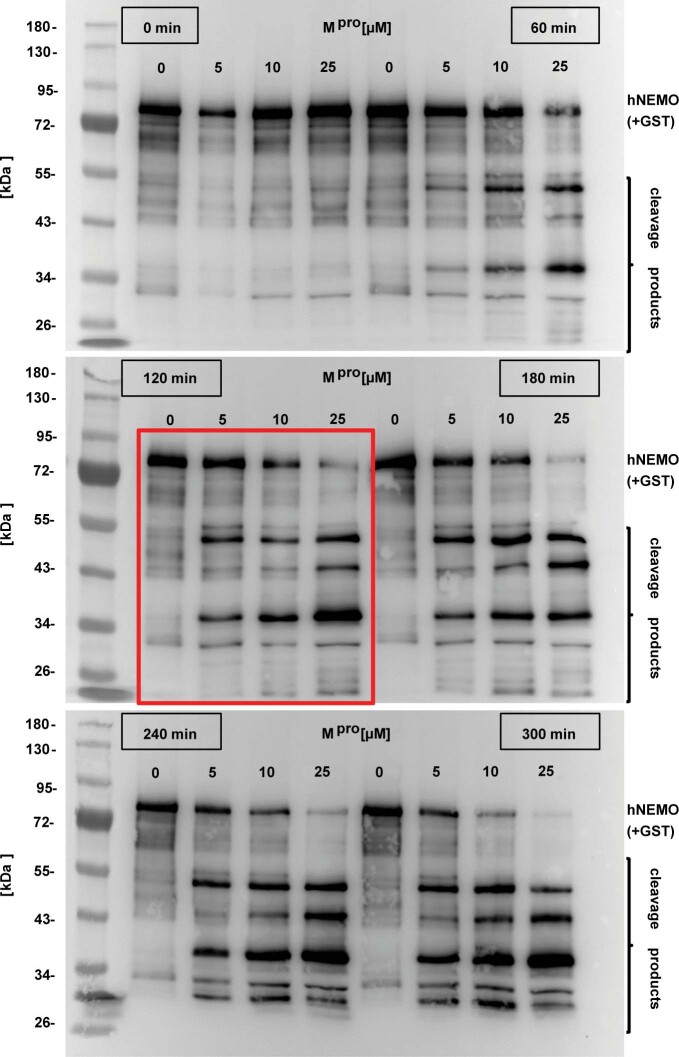
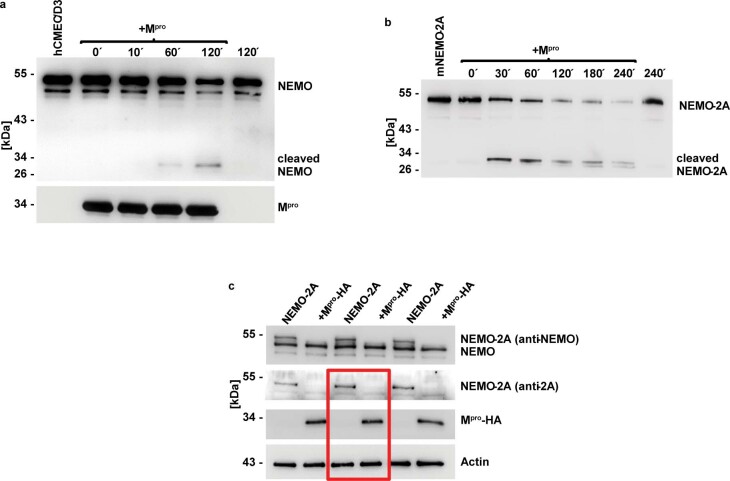
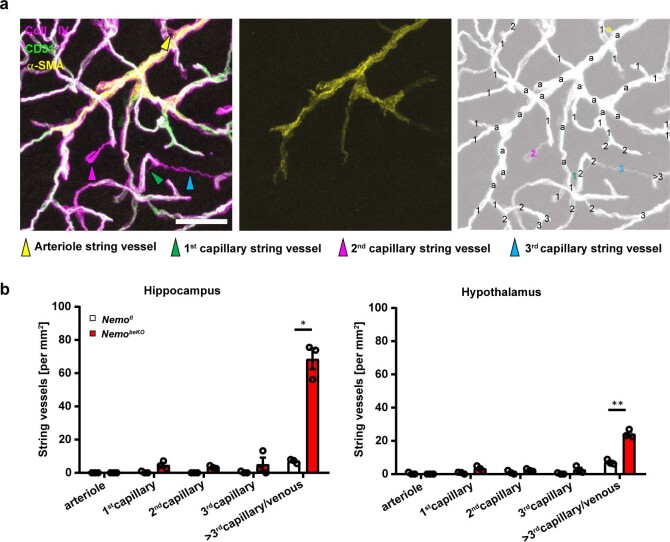
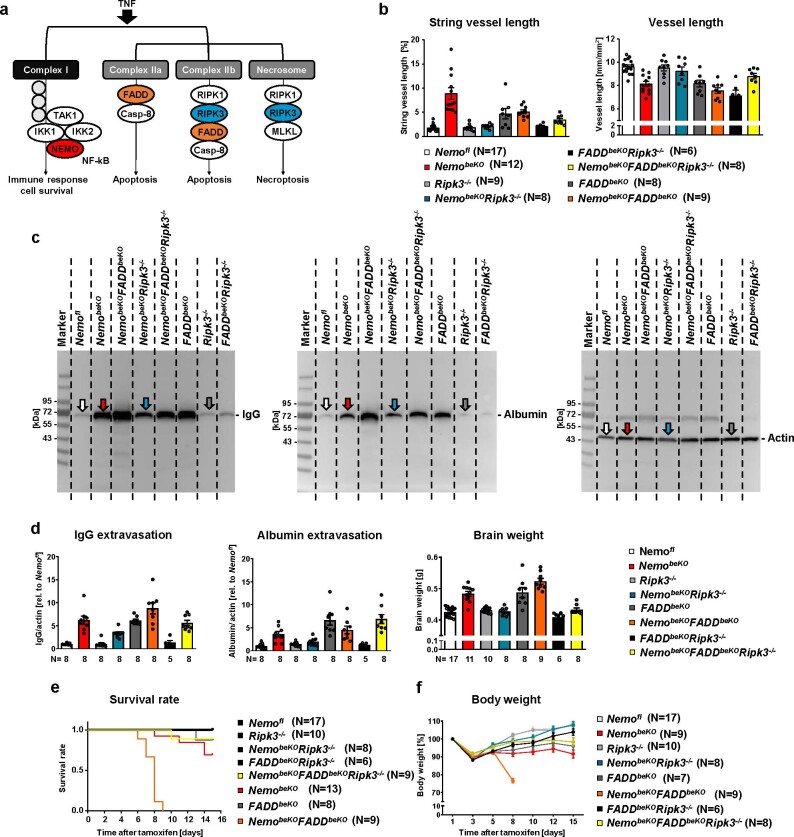
Coronavirus disease 2019 (COVID-19) can damage cerebral small vessels and cause neurological symptoms. Here we describe structural changes in cerebral small vessels of patients with COVID-19 and elucidate potential mechanisms underlying the vascular pathology. In brains of severe acute respiratory syndrome coronavirus 2 (SARS-CoV-2)-infected individuals and animal models, we found an increased number of empty basement membrane tubes, so-called string vessels representing remnants of lost capillaries. We obtained evidence that brain endothelial cells are infected and that the main protease of SARS-CoV-2 (M) cleaves NEMO, the essential modulator of nuclear factor-κB. By ablating NEMO, M induces the death of human brain endothelial cells and the occurrence of string vessels in mice. Deletion of receptor-interacting protein kinase (RIPK) 3, a mediator of regulated cell death, blocks the vessel rarefaction and disruption of the blood-brain barrier due to NEMO ablation. Importantly, a pharmacological inhibitor of RIPK signaling prevented the M-induced microvascular pathology. Our data suggest RIPK as a potential therapeutic target to treat the neuropathology of COVID-19.
新型冠状病毒病 2019(COVID-19)可损害脑小血管并引起神经系统症状。在此,我们描述了 COVID-19 患者脑小血管的结构变化,并阐明了潜在的血管病理学机制。在严重急性呼吸综合征冠状病毒 2(SARS-CoV-2)感染个体和动物模型的大脑中,我们发现空的基底膜管(所谓的串珠血管,代表丢失的毛细血管的残留物)数量增加。我们获得的证据表明脑内皮细胞被感染,并且 SARS-CoV-2 的主要蛋白酶(M)切割 NEMO,即核因子-κB 的必需调节剂。通过敲除 NEMO,M 诱导人脑内皮细胞死亡,并在小鼠中发生串珠血管。调节性细胞死亡的介质受体相互作用蛋白激酶 3(RIPK)的缺失阻断了由于 NEMO 缺失引起的血管稀疏和血脑屏障破坏。重要的是,RIPK 信号的药理学抑制剂可预防 M 诱导的微血管病理。我们的数据表明 RIPK 是治疗 COVID-19 神经病理学的潜在治疗靶点。