Ferrera-González Juan, Francés-Soriano Laura, Galiana-Roselló Cristina, González-Garcia Jorge, González-Béjar María, Fröhlich Eleonore, Pérez-Prieto Julia
Instituto de Ciencia Molecular (ICMol), Departamento de Química Orgánica, University of Valencia, Catedrático José Beltrán, 2, Paterna, 46980 Valencia, Spain.
nanoFRET.com, Laboratoire COBRA (Chimie Organique, Bioorganique: Réactivité et Analyse), UMR 6014, CNRS, Université de Rouen Normandie, INSA, CEDEX, 76821 Mont-Saint-Aignan, France.
Biomedicines. 2021 Oct 9;9(10):1419. doi: 10.3390/biomedicines9101419.
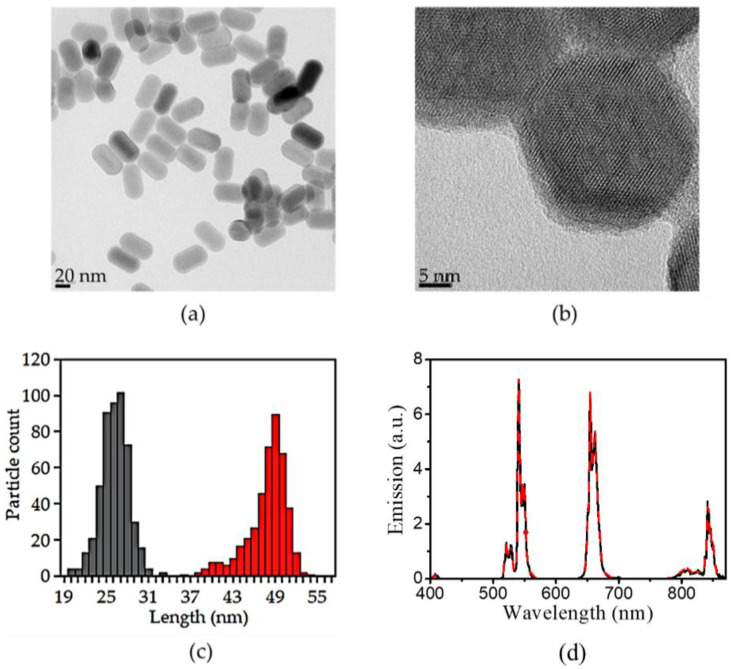
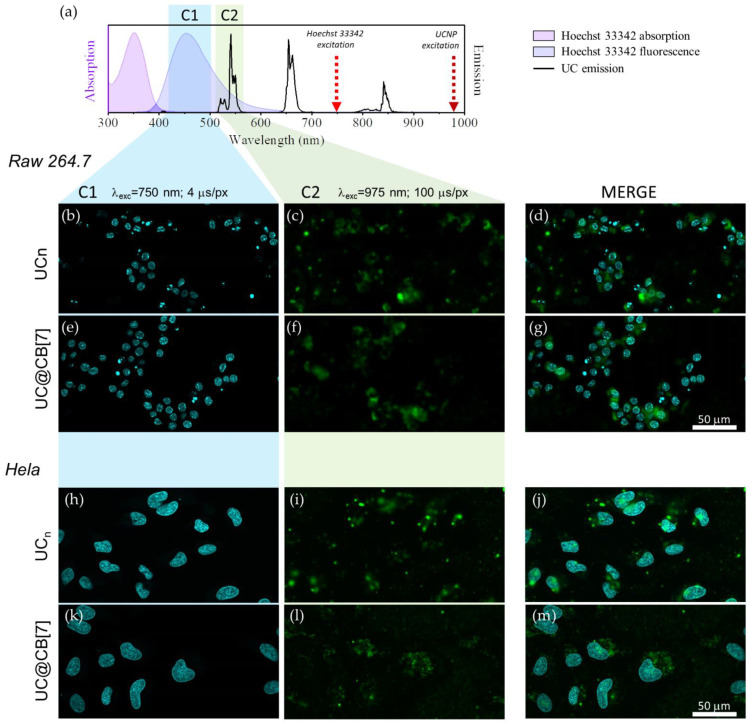
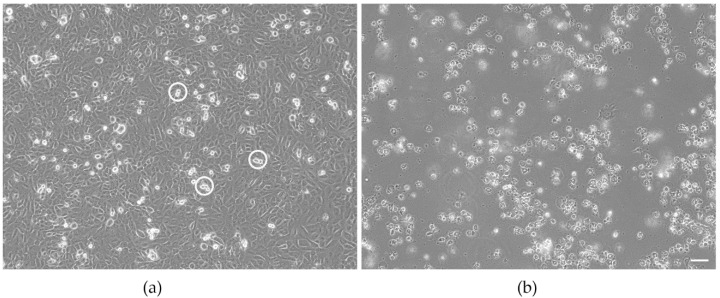
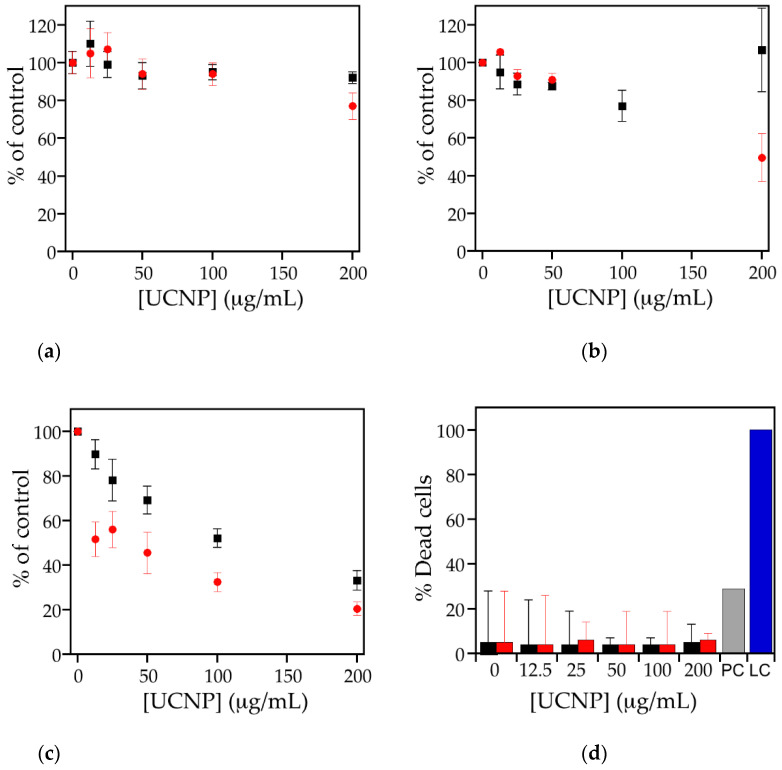
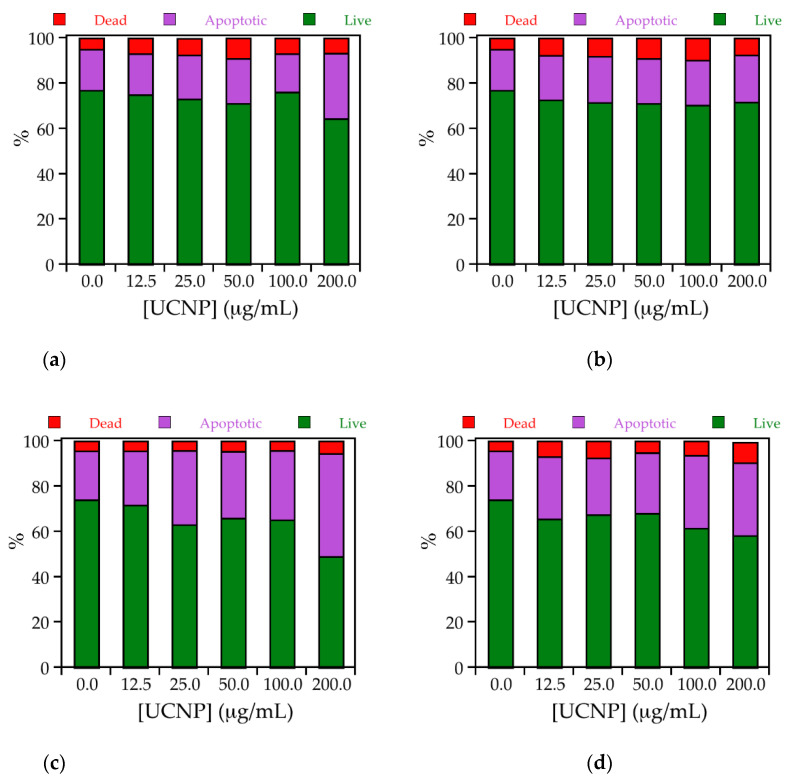
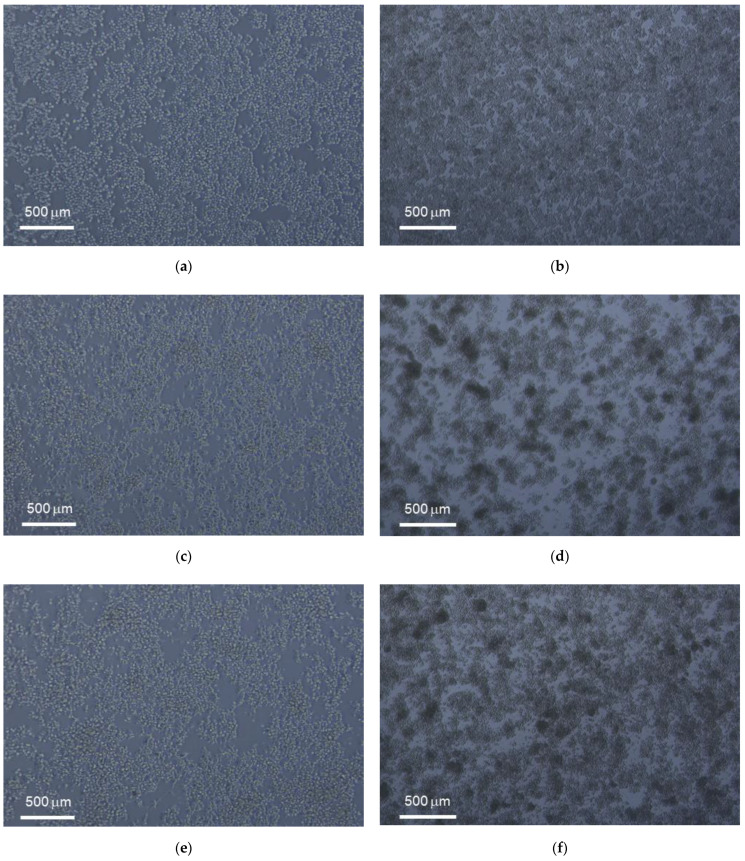
Nanoparticles for medical use should be non-cytotoxic and free of bacterial contamination. Upconversion nanoparticles (UCNPs) coated with cucurbit[7]uril (CB[7]) made by combining UCNPs free of oleic acid, here termed bare UCNPs (UC), and CB[7], i.e., UC@CB[7] nanohybrids, could be used as photoactive inorganic-organic hybrid scaffolds for biological applications. UCNPs, in general, are not considered to be highly toxic materials, but the release of fluorides and lanthanides upon their dissolution may cause cytotoxicity. To identify potential adverse effects of the nanoparticles, dehydrogenase activity of endothelial cells, exposed to various concentrations of the UCNPs, was determined. Data were verified by measuring lactate dehydrogenase release as the indicator of loss of plasma membrane integrity, which indicates necrotic cell death. This assay, in combination with calcein AM/Ethidium homodimer-1 staining, identified induction of apoptosis as main mode of cell death for both particles. The data showed that the UCNPs are not cytotoxic to endothelial cells, and the samples did not contain endotoxin contamination. Higher cytotoxicity, however, was seen in HeLa and RAW 264.7 cells. This may be explained by differences in lysosome content and particle uptake rate. Internalization of UC and UC@CB[7] nanohybrids by cells was demonstrated by NIR laser scanning microscopy.
医用纳米颗粒应无细胞毒性且无细菌污染。通过将不含油酸的上转换纳米颗粒(UCNPs,此处称为裸UCNPs,即UC)与葫芦[7]脲(CB[7])结合制备的包覆有CB[7]的上转换纳米颗粒(UC@CB[7]纳米杂化物)可作为用于生物应用的光活性无机 - 有机杂化支架。一般而言,UCNPs不被认为是高毒性材料,但它们溶解时氟化物和镧系元素的释放可能会导致细胞毒性。为了确定纳米颗粒的潜在不利影响,测定了暴露于不同浓度UCNPs的内皮细胞的脱氢酶活性。通过测量乳酸脱氢酶释放作为质膜完整性丧失的指标来验证数据,这表明细胞坏死性死亡。该测定与钙黄绿素AM/碘化丙啶同型二聚体-1染色相结合,确定凋亡诱导是两种颗粒细胞死亡的主要模式。数据表明,UCNPs对内皮细胞无细胞毒性,且样品不含内毒素污染。然而,在HeLa细胞和RAW 264.7细胞中观察到更高的细胞毒性。这可能是由于溶酶体含量和颗粒摄取率的差异所致。通过近红外激光扫描显微镜证明了细胞对UC和UC@CB[7]纳米杂化物的内化。