Shanghai Key Laboratory of Psychotic Disorders, Shanghai Mental Health Center, Shanghai Jiao Tong University School of Medicine, Shanghai, China.
School of Computing and Mathematical Sciences, University of Leicester, Leicester, LE1 7RH, UK.
BMC Psychiatry. 2021 Oct 22;21(1):522. doi: 10.1186/s12888-021-03452-3.
Individuals with psychiatric disorders perceive the world differently. Previous studies indicated impaired color vision and weakened color discrimination ability in psychotic patients. Examining the paintings from psychotic patients can measure the visual-motor function. However, few studies examined the potential changes in the color painting behavior in these individuals. The current study aims to discriminate schizophrenia patients from healthy controls (HCs) and predict PANSS scores of schizophrenia patients according to their paintings.
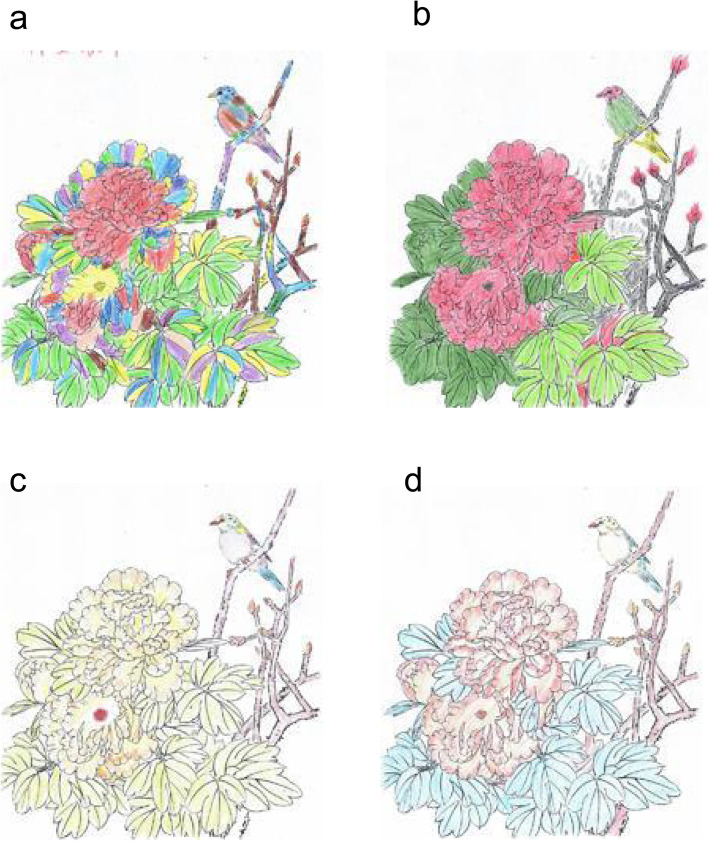
In the present study, we retrospectively analyzed the paintings colored by 281 chronic schizophrenia patients and 35 HCs. The images were scanned and processed using series of computational analyses.
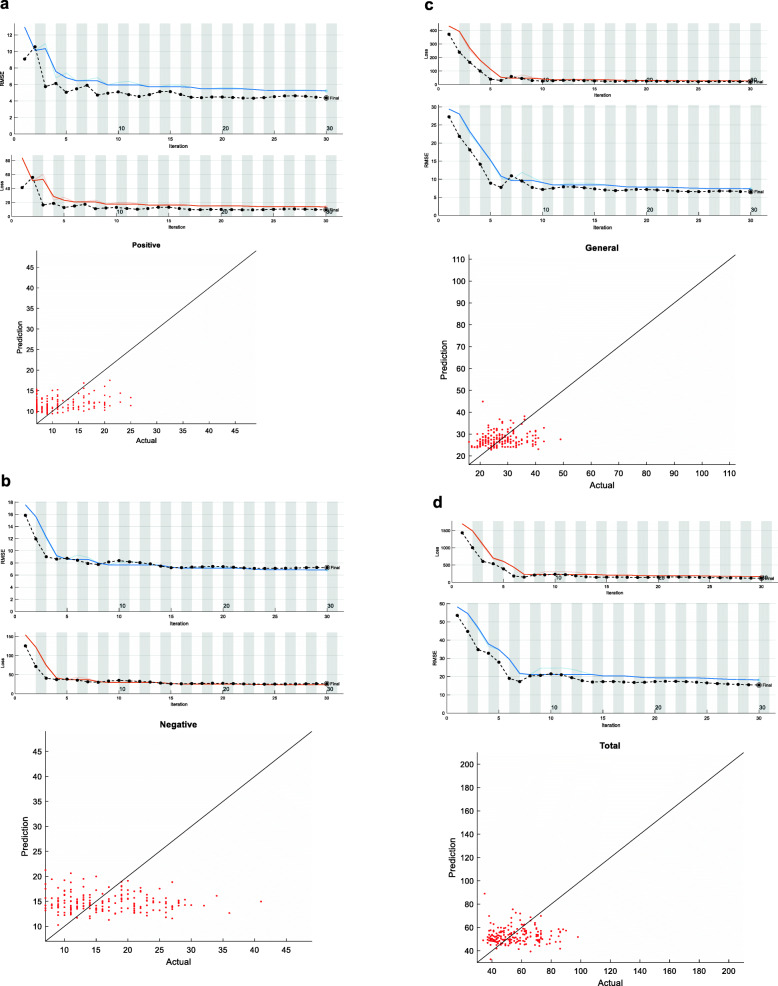
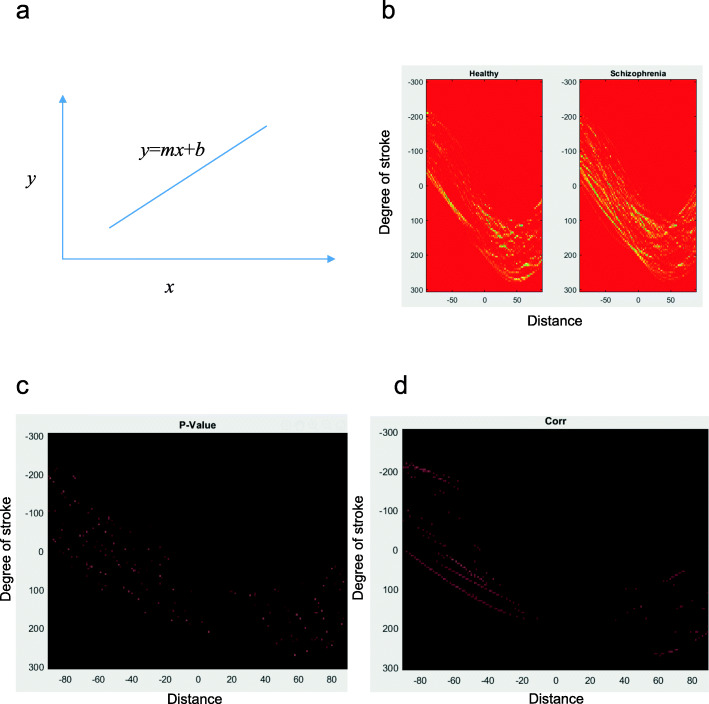
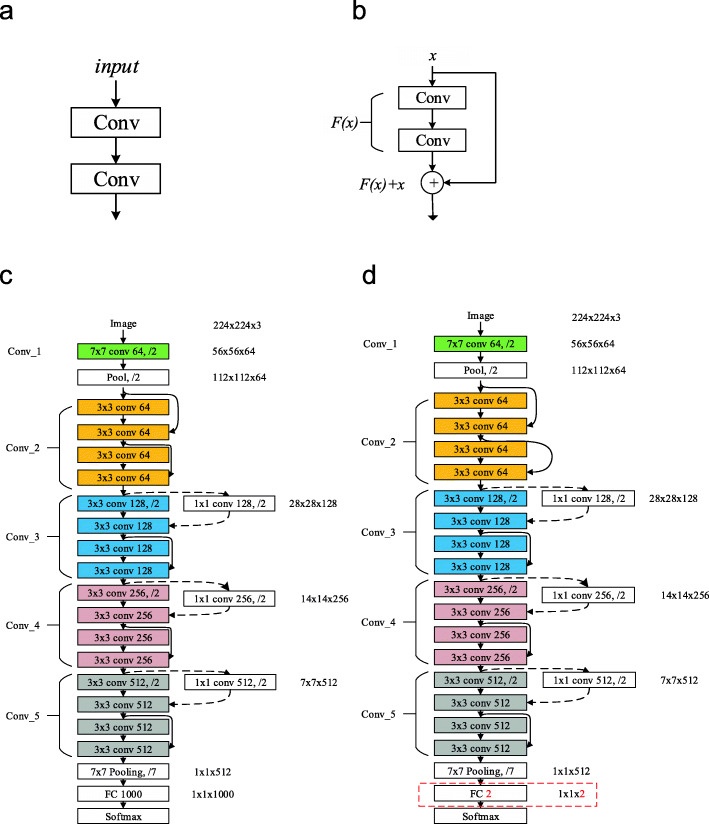
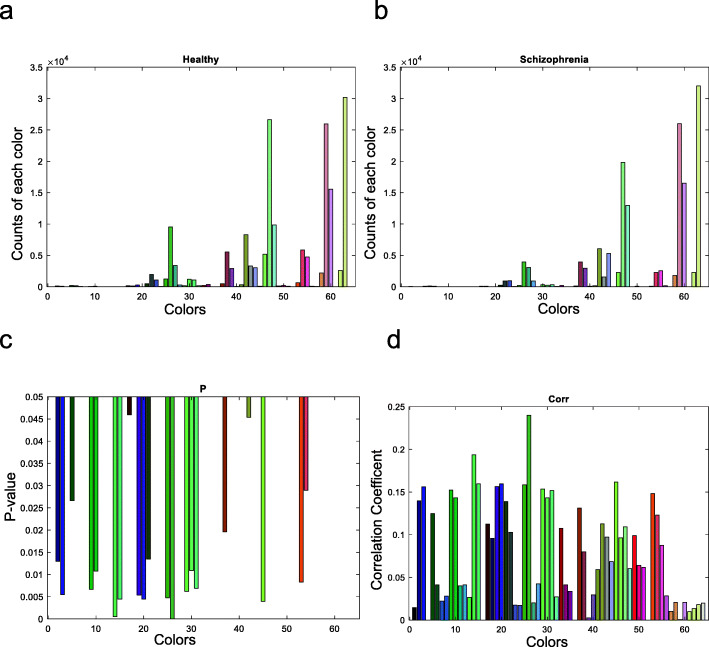
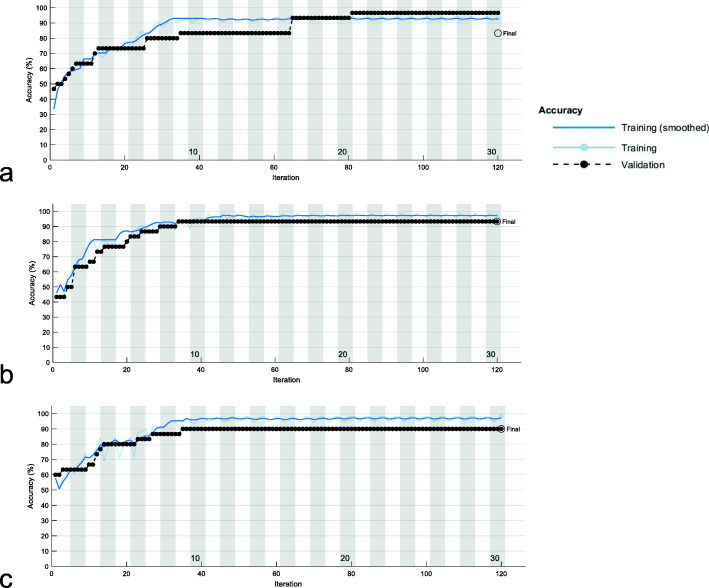
The results showed that schizophrenia patients tend to use less color and exhibit different strokes compared to HCs. Using a deep learning residual neural network (ResNet), we were able to discriminate patients from HCs with over 90% accuracy. Further, we developed a novel convolutional neural network to predict PANSS positive, negative, general psychopathology, and total scores. The Root Mean Square Error (RMSE) of the prediction was low, which indicates higher accuracy of prediction.
In conclusion, the deep learning paradigm showed the large potential to discriminate schizophrenia patients from HCs based on color paintings. Besides, this color painting-based paradigm can effectively predict clinical symptom severity for chronic schizophrenia patients. The color paintings by schizophrenia patients show potential as a tool for clinical diagnosis and prognosis. These findings show potential as a tool for clinical diagnosis and prognosis among schizophrenia patients.
精神障碍个体对世界的感知不同。既往研究表明,精神病患者存在色觉障碍和色觉辨别能力减弱。通过检查精神病患者的绘画可以衡量视觉运动功能。然而,很少有研究检测这些个体的色彩绘画行为的潜在变化。本研究旨在根据绘画区分精神分裂症患者和健康对照者(HCs),并预测精神分裂症患者的 PANSS 评分。
在本研究中,我们回顾性分析了 281 例慢性精神分裂症患者和 35 例 HCs 的彩色绘画。使用一系列计算分析对图像进行扫描和处理。
结果表明,与 HCs 相比,精神分裂症患者倾向于使用较少的颜色和呈现不同的笔触。使用深度学习残差神经网络(ResNet),我们能够以超过 90%的准确率区分患者和 HCs。此外,我们开发了一种新的卷积神经网络来预测 PANSS 阳性、阴性、一般精神病理学和总分。预测的均方根误差(RMSE)较低,这表明预测的准确性更高。
总之,深度学习范式显示出基于彩色绘画区分精神分裂症患者和 HCs 的巨大潜力。此外,这种基于色彩绘画的范式可以有效地预测慢性精神分裂症患者的临床症状严重程度。精神分裂症患者的绘画具有作为临床诊断和预后工具的潜力。这些发现为精神分裂症患者的临床诊断和预后提供了一种潜在的工具。