Wall Diana A, Tarrant Seanan P, Wang Chunyu, Mills Kenneth V, Lennon Christopher W
Department of Chemistry, College of the Holy Cross, Worcester, MA, United States.
Department of Biological Sciences, Center for Biotechnology and Interdisciplinary Studies, Rensselaer Polytechnic Institute, Troy, NY, United States.
Front Mol Biosci. 2021 Oct 7;8:752824. doi: 10.3389/fmolb.2021.752824. eCollection 2021.
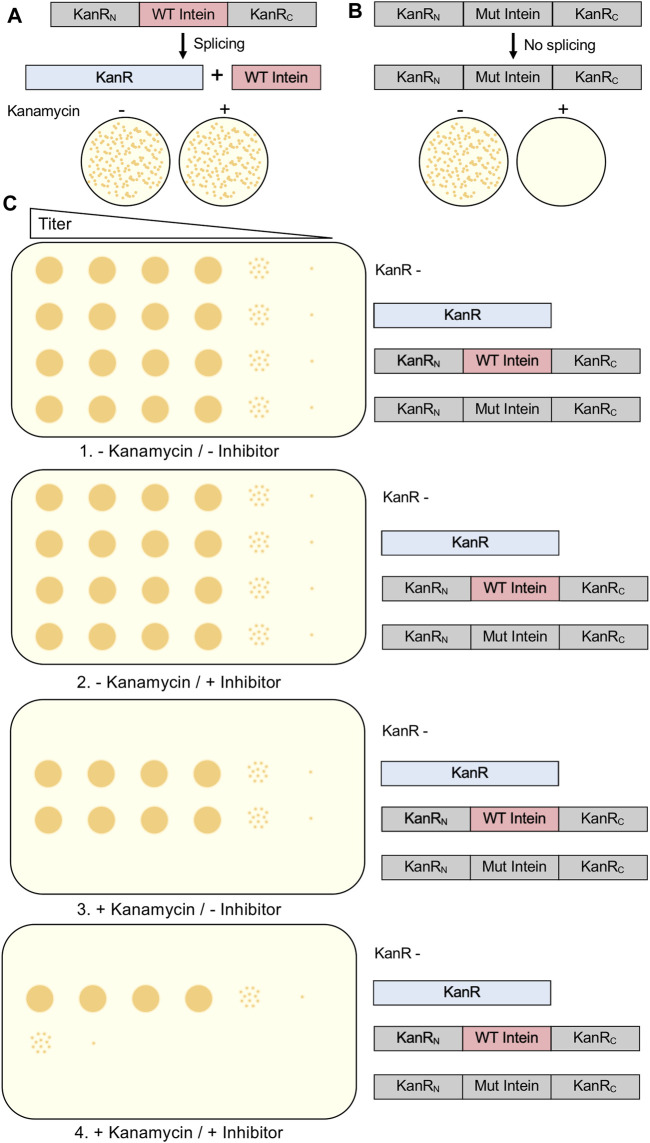
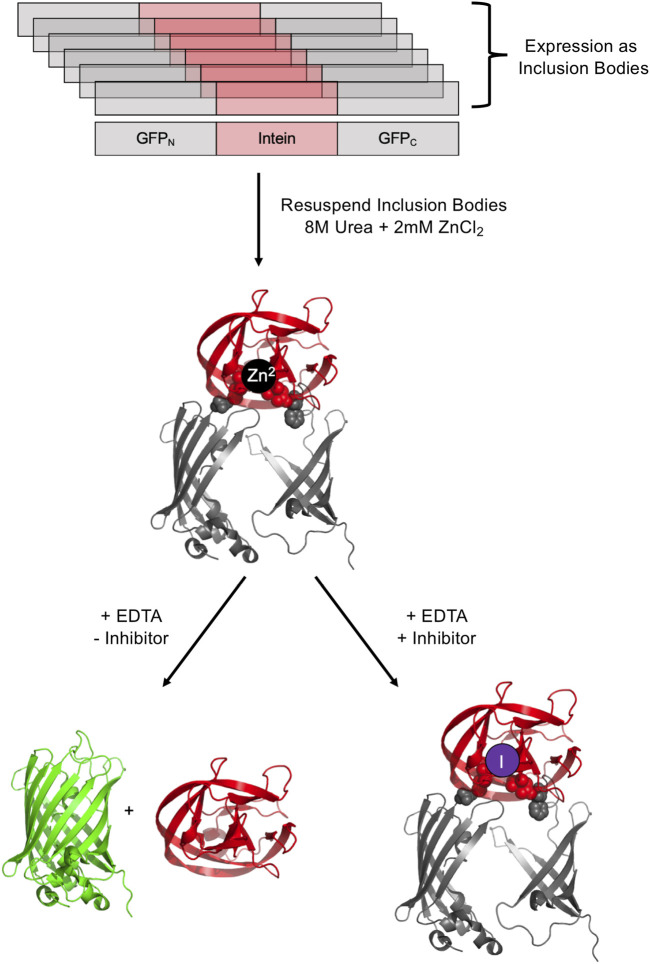
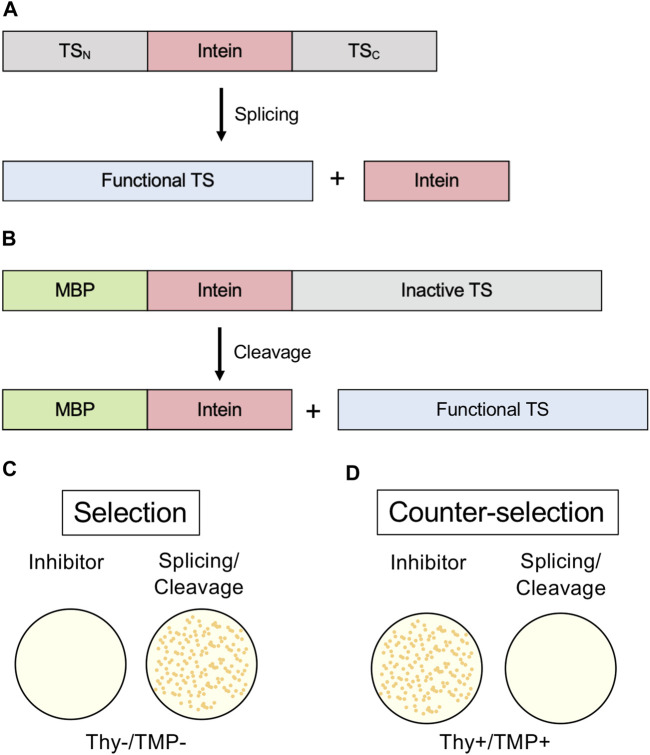
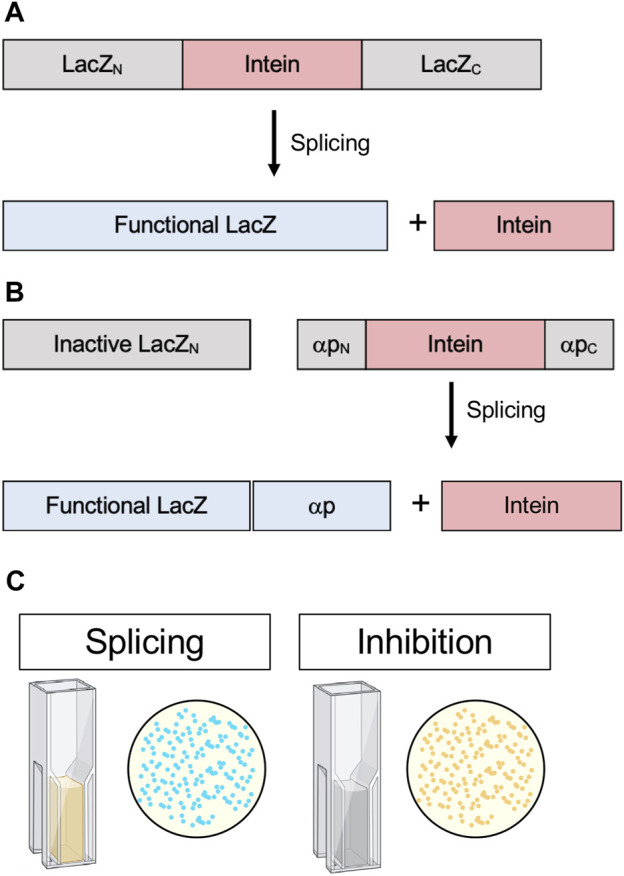
Protein splicing is a post-translational process by which an intervening polypeptide, or intein, catalyzes its own removal from the flanking polypeptides, or exteins, concomitant with extein ligation. Although inteins are highly abundant in the microbial world, including within several human pathogens, they are absent in the genomes of metazoans. As protein splicing is required to permit function of essential proteins within pathogens, inteins represent attractive antimicrobial targets. Here we review key proteins interrupted by inteins in pathogenic mycobacteria and fungi, exciting discoveries that provide proof of concept that intein activity can be inhibited and that this inhibition has an effect on the host organism's fitness, and bioanalytical methods that have been used to screen for intein activity. We also consider potential off-target inhibition of hedgehog signaling, given the similarity in structure and function of inteins and hedgehog autoprocessing domains.
蛋白质剪接是一种翻译后过程,在此过程中,一段插入的多肽(即内含肽)催化自身从侧翼多肽(即外显肽)上切除,同时进行外显肽连接。尽管内含肽在微生物界高度丰富,包括在几种人类病原体中,但在后生动物基因组中不存在。由于蛋白质剪接是病原体中必需蛋白质发挥功能所必需的,内含肽是有吸引力的抗菌靶点。在这里,我们综述了致病分枝杆菌和真菌中被内含肽中断的关键蛋白质、令人兴奋的发现,这些发现提供了内含肽活性可被抑制且这种抑制对宿主生物体健康有影响的概念证明,以及用于筛选内含肽活性的生物分析方法。鉴于内含肽与刺猬蛋白自加工结构域在结构和功能上的相似性,我们还考虑了对刺猬蛋白信号通路的潜在脱靶抑制。