Formerly of Applied Sciences, Northumbria University, Ellison Building, Newcastle-upon-Tyne NE1 8ST, United Kingdom.
Essays Biochem. 2021 Nov 2;65(5):791-811. doi: 10.1042/EBC20200059.
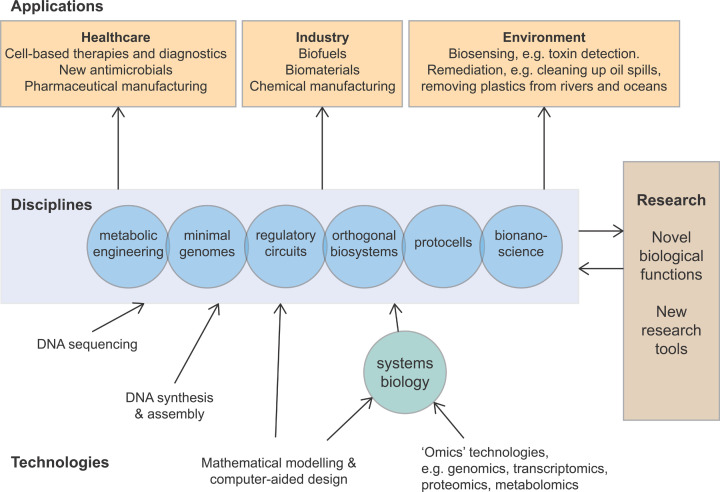
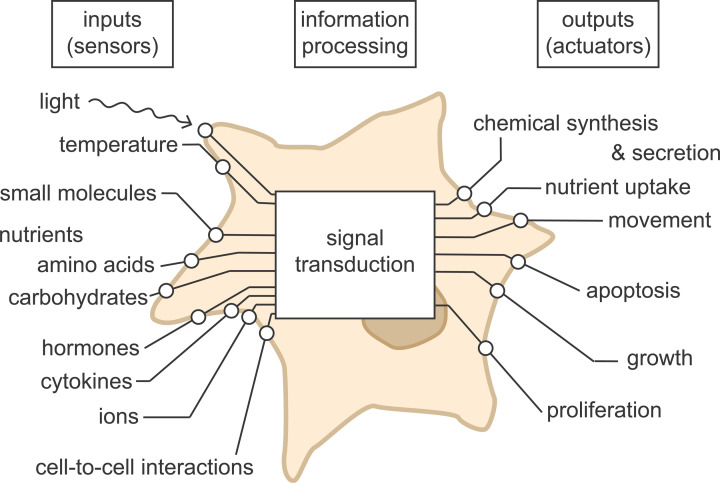
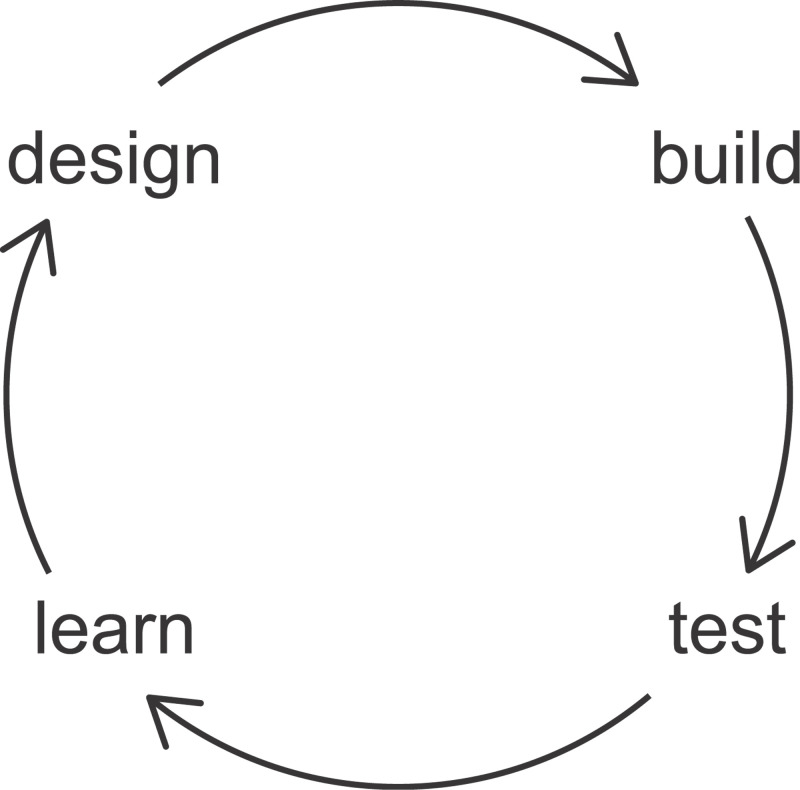
In synthetic biology, biological cells and processes are dismantled and reassembled to make novel systems that do useful things. Designs are encoded by deoxyribonucleic acid (DNA); DNA makes biological (bio-)parts; bioparts are combined to make devices; devices are built into biological systems. Computers are used at all stages of the Design-Build-Test-Learn cycle, from mathematical modelling through to the use of robots for the automation of assembly and experimentation. Synthetic biology applies engineering principles of standardisation, modularity, and abstraction, enabling fast prototyping and the ready exchange of designs between synthetic biologists working around the world. Like toy building blocks, compatible modular designs enable bioparts to be combined and optimised easily; biopart specifications are shared in open registries. Synthetic biology is made possible due to major advances in DNA sequencing and synthesis technologies, and through knowledge gleaned in the field of systems biology. Systems biology aims to understand biology across scales, from the molecular and cellular, up to tissues and organisms, and describes cells as complex information-processing systems. By contrast, synthetic biology seeks to design and build its own systems. Applications of synthetic biology are wide-ranging but include impacting healthcare to improve diagnosis and make better treatments for disease; it seeks to improve the environment by finding novel ways to clean up pollution, make industrial processes for chemical synthesis sustainable, and remove the need for damaging farming practices by making better fertilisers. Synthetic biology has the potential to change the way we live and help us to protect the future of our planet.
在合成生物学中,生物细胞和过程被分解和重新组装,以制造出具有有用功能的新型系统。设计由脱氧核糖核酸(DNA)编码;DNA 制造生物(bio-)部件;生物部件组合成器件;器件构建到生物系统中。计算机在设计-构建-测试-学习循环的所有阶段都得到应用,从数学建模到使用机器人实现装配和实验的自动化。合成生物学应用了标准化、模块化和抽象化的工程原理,使快速原型制作和世界各地的合成生物学家之间的设计交换变得容易。就像玩具积木一样,兼容的模块化设计使生物部件能够轻松组合和优化;生物部件规范在开放登记处共享。合成生物学之所以成为可能,是由于 DNA 测序和合成技术的重大进展,以及从系统生物学领域获得的知识。系统生物学旨在从分子和细胞到组织和生物体等多个尺度上理解生物学,并将细胞描述为复杂的信息处理系统。相比之下,合成生物学旨在设计和构建自己的系统。合成生物学的应用范围广泛,但包括影响医疗保健以改善诊断并为疾病提供更好的治疗方法;它寻求通过寻找新的方法来清洁污染、使化学合成的工业过程可持续发展以及通过制造更好的肥料来消除破坏性农业实践的需要来改善环境。合成生物学有可能改变我们的生活方式,并帮助我们保护我们星球的未来。