Department of Microbiology and Immunology, Columbia Universitygrid.21729.3fgrid.239585.0 Irving Medical Center, New York, New York, USA.
Infectious Disease Research Collaboration, Kampala, Uganda.
Antimicrob Agents Chemother. 2022 Jan 18;66(1):e0116321. doi: 10.1128/AAC.01163-21. Epub 2021 Oct 25.
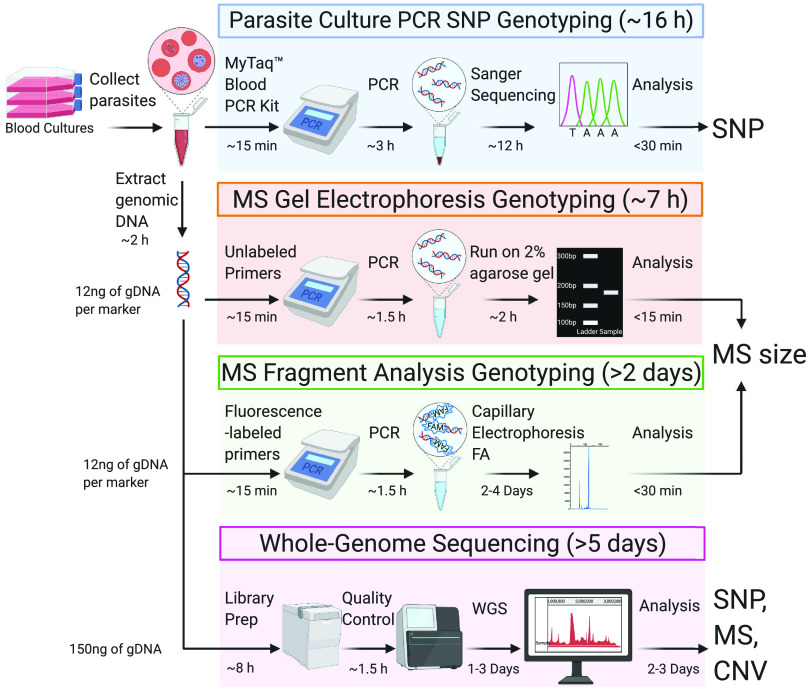
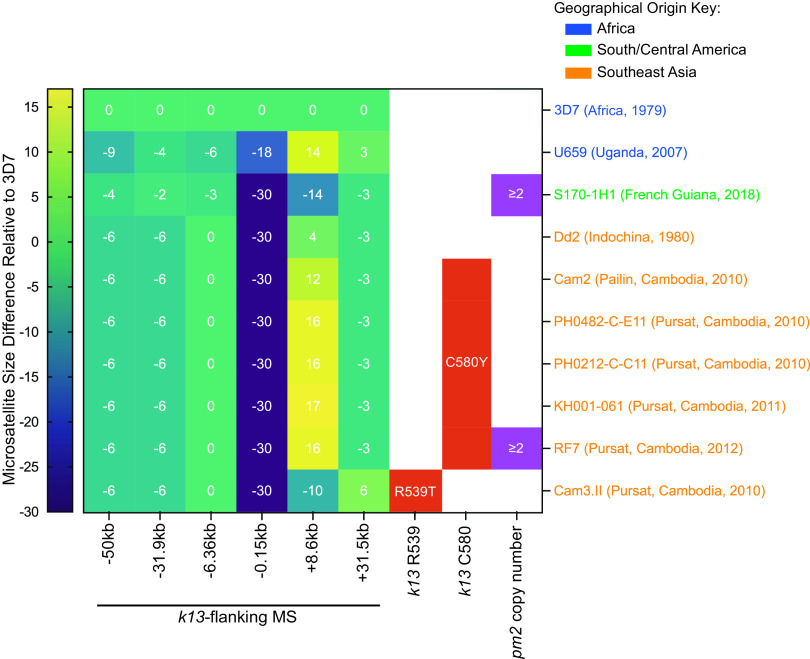
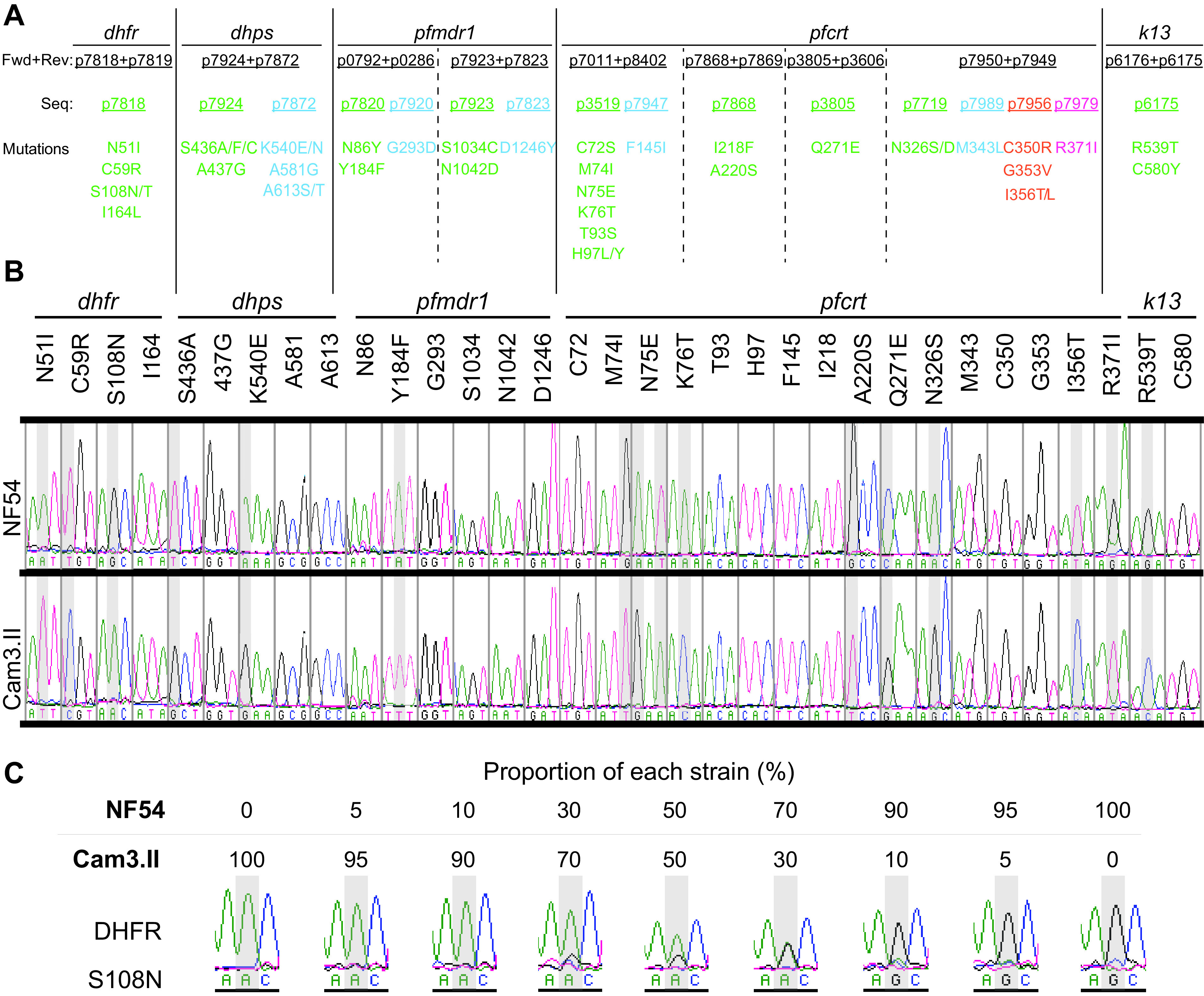
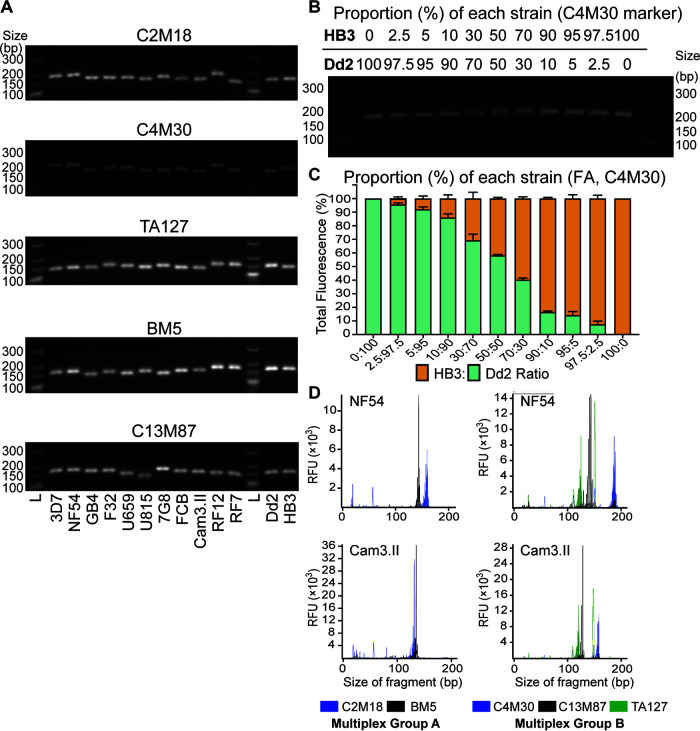
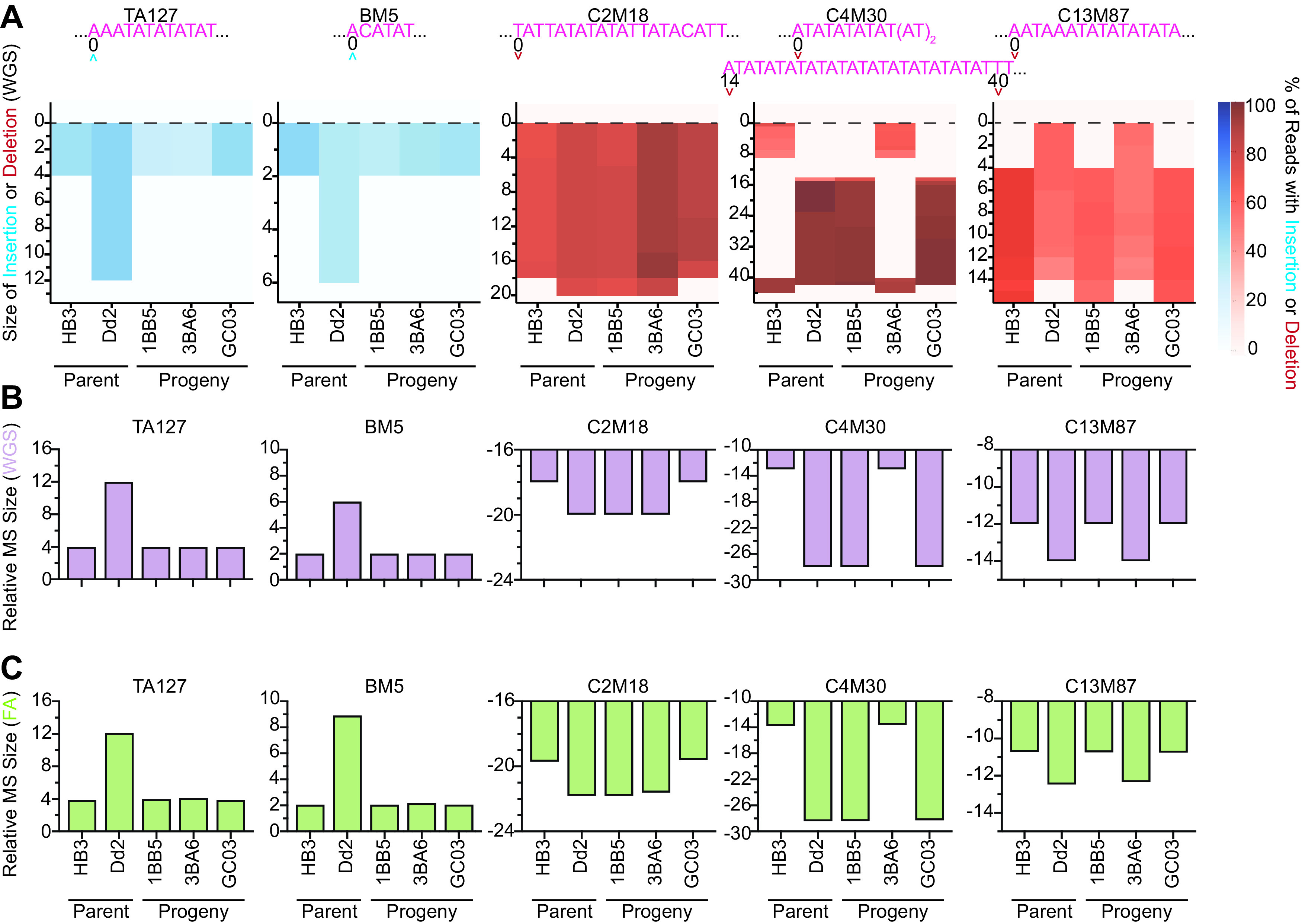
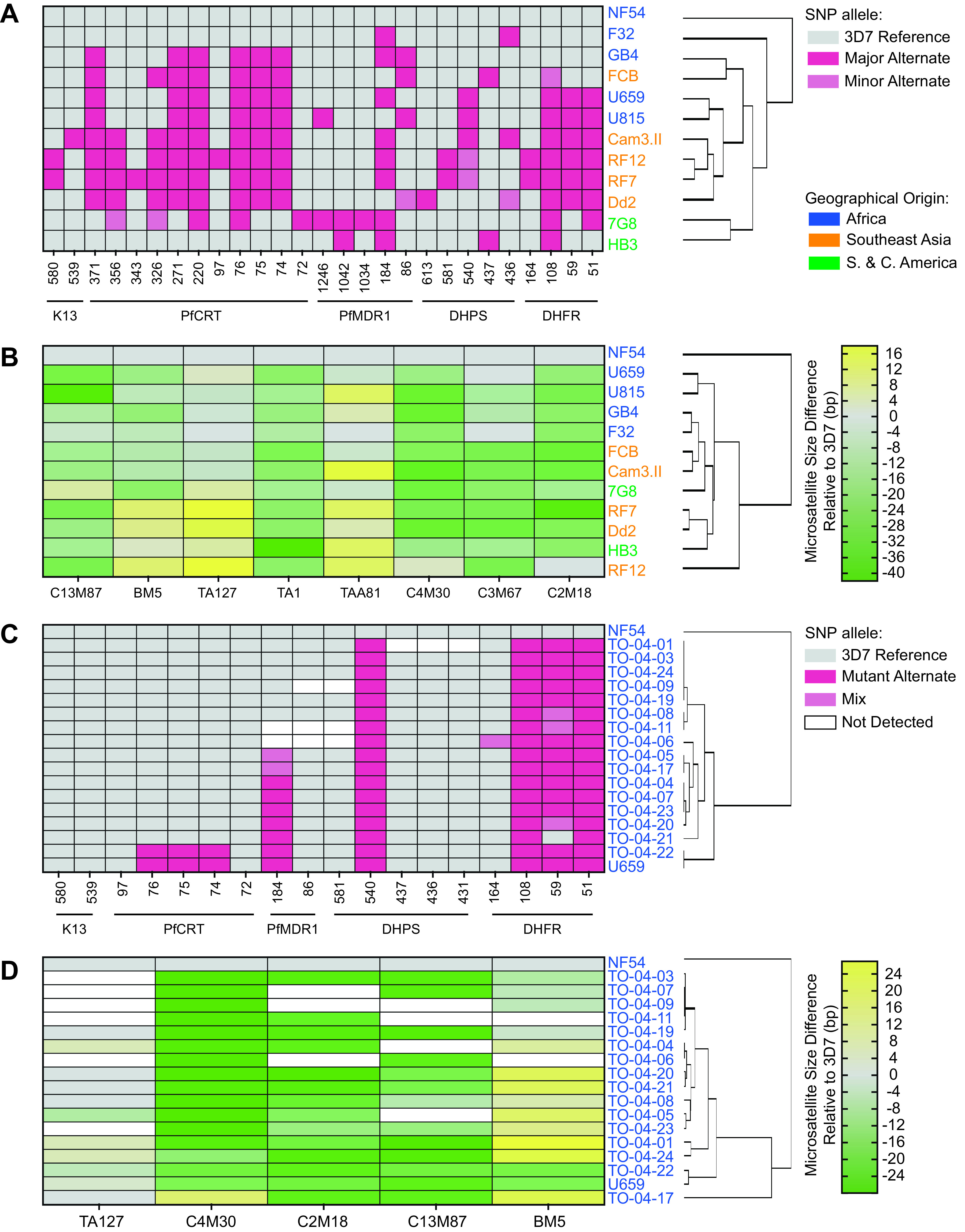
Research efforts to combat antimalarial drug resistance rely on quick, robust, and sensitive methods to genetically characterize Plasmodium falciparum parasites. We developed a single-nucleotide polymorphism (SNP)-based genotyping method that can assess 33 drug resistance-conferring SNPs in and in nine PCRs, performed directly from P. falciparum cultures or infected blood. We also optimized multiplexed fragment analysis and gel electrophoresis-based microsatellite typing methods using a set of five markers that can distinguish 12 laboratory strains of diverse geographical and temporal origin. We demonstrate how these methods can be applied to screen for the multidrug-resistant KEL1/PLA1/PfPailin (KelPP) lineage that has been sweeping across the Greater Mekong Subregion, verify parasite SNP-editing, identify novel recombinant genetic cross progeny, or cluster strains to infer their geographical origins. Results were compared with Illumina-based whole-genome sequence analysis that provides the most detailed sequence information but is cost-prohibitive. These adaptable, simple, and inexpensive methods can be easily implemented into routine genotyping of P. falciparum parasites in both laboratory and field settings.
为了对抗抗疟药物耐药性,研究工作依赖于快速、稳健和敏感的方法来对疟原虫进行基因特征分析。我们开发了一种基于单核苷酸多态性(SNP)的基因分型方法,可以在九个 PCR 中直接评估和中的 33 种耐药相关 SNP。该方法可直接从疟原虫培养物或受感染的血液中进行。我们还使用五重标记物优化了多重片段分析和基于凝胶电泳的微卫星分型方法,这些标记物可以区分来自不同地理和时间起源的 12 种实验室株。我们展示了如何将这些方法应用于筛选横扫大湄公河次区域的多药耐药性 KEL1/PLA1/PfPailin(KelPP)谱系,验证寄生虫 SNP 编辑,鉴定新的重组遗传杂交后代,或聚类菌株以推断其地理起源。结果与基于 Illumina 的全基因组序列分析进行了比较,后者提供了最详细的序列信息,但成本过高。这些适应性强、简单且廉价的方法可以很容易地在实验室和现场环境中常规进行疟原虫寄生虫的基因分型。