Department of Physiology, Development, and Neuroscience; The Barcroft Centre; Cambridge Cardiovascular British Heart Foundation Centre for Research Excellence; and Cambridge Strategic Research Initiative in Reproduction, University of Cambridge, UK.
Circulation. 2021 Oct 26;144(17):1429-1443. doi: 10.1161/CIRCULATIONAHA.121.054689. Epub 2021 Oct 25.
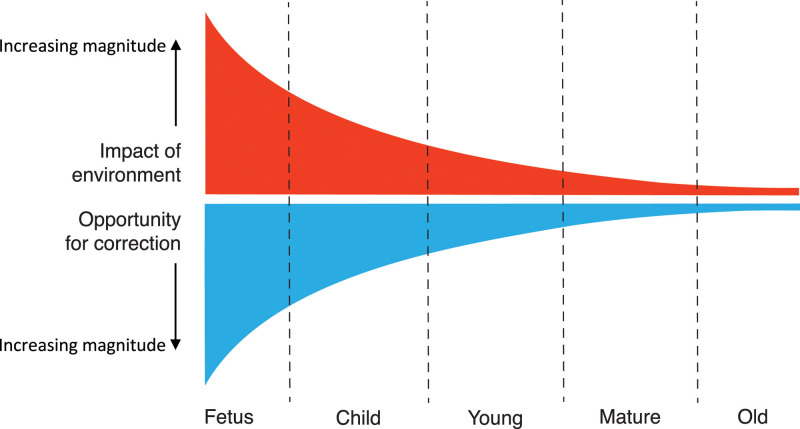
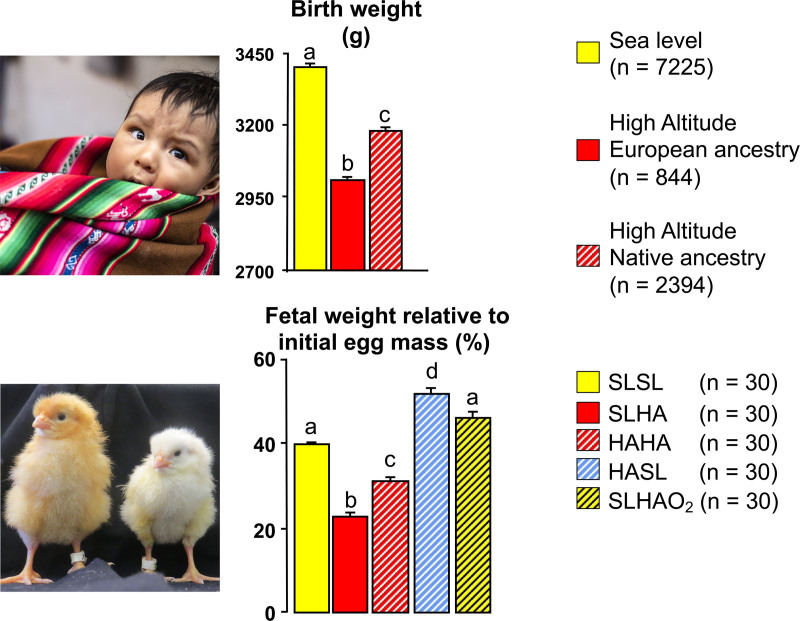
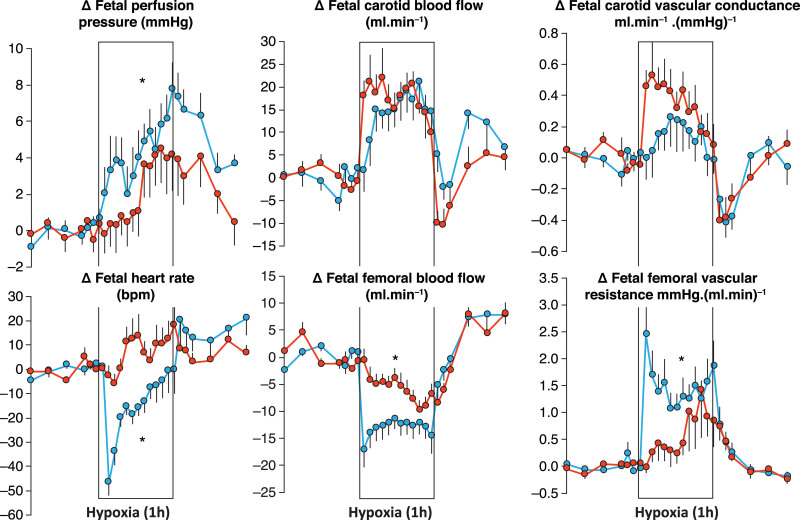
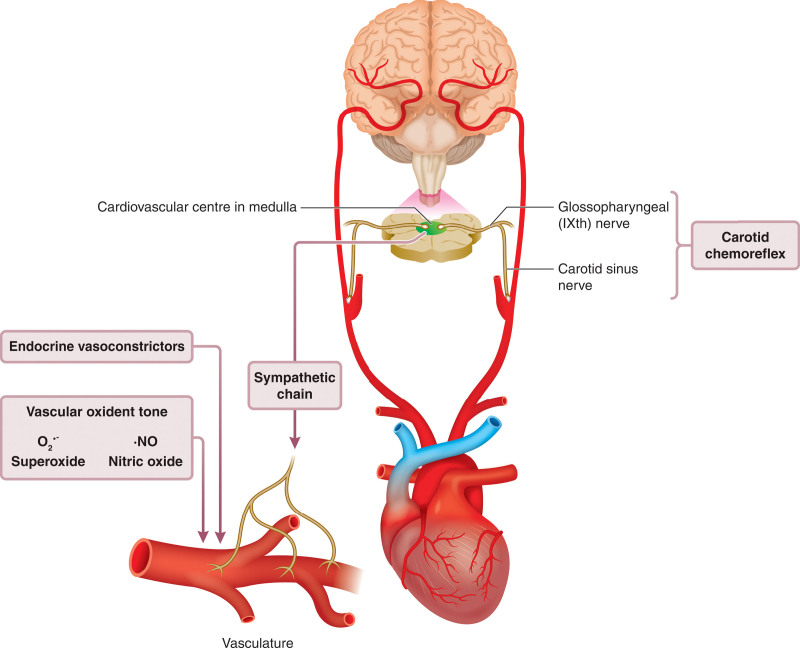
Heart disease remains one of the greatest killers. In addition to genetics and traditional lifestyle risk factors, we now understand that adverse conditions during pregnancy can also increase susceptibility to cardiovascular disease in the offspring. Therefore, the mechanisms by which this occurs and possible preventative therapies are of significant contemporary interest to the cardiovascular community. A common suboptimal pregnancy condition is a sustained reduction in fetal oxygenation. Chronic fetal hypoxia results from any pregnancy with increased placental vascular resistance, such as in preeclampsia, placental infection, or maternal obesity. Chronic fetal hypoxia may also arise during pregnancy at high altitude or because of maternal respiratory disease. This article reviews the short- and long-term effects of hypoxia on the fetal cardiovascular system, and the importance of chronic fetal hypoxia in triggering a developmental origin of future heart disease in the adult progeny. The work summarizes evidence derived from human studies as well as from rodent, avian, and ovine models. There is a focus on the discovery of the molecular link between prenatal hypoxia, oxidative stress, and increased cardiovascular risk in adult offspring. Discussion of mitochondria-targeted antioxidant therapy offers potential targets for clinical intervention in human pregnancy complicated by chronic fetal hypoxia.
心脏病仍然是最大的杀手之一。除了遗传和传统的生活方式风险因素外,我们现在还了解到,怀孕期间的不利条件也会增加后代患心血管疾病的易感性。因此,这种情况发生的机制以及可能的预防治疗方法是心血管领域当代关注的焦点。一种常见的不理想妊娠情况是胎儿供氧持续减少。慢性胎儿缺氧是由任何胎盘血管阻力增加的妊娠引起的,如子痫前期、胎盘感染或母亲肥胖。慢性胎儿缺氧也可能在高海拔地区或因母亲呼吸疾病而在怀孕期间发生。本文综述了缺氧对胎儿心血管系统的短期和长期影响,以及慢性胎儿缺氧在引发成年后代未来心脏病的发育起源中的重要性。这项工作总结了来自人类研究以及啮齿动物、禽类和绵羊模型的证据。重点是发现产前缺氧、氧化应激与成年后代心血管风险增加之间的分子联系。讨论针对线粒体的抗氧化治疗提供了针对人类妊娠中慢性胎儿缺氧复杂情况的临床干预的潜在目标。