Neuroimmunology Laboratory, Dementia Research Group, Korea Brain Research Institute, Sinseo, Daegu 41062, Korea.
Department of Brain & Cognitive Sciences, DGIST, Daegu 42988, Korea.
Viruses. 2021 Oct 8;13(10):2021. doi: 10.3390/v13102021.
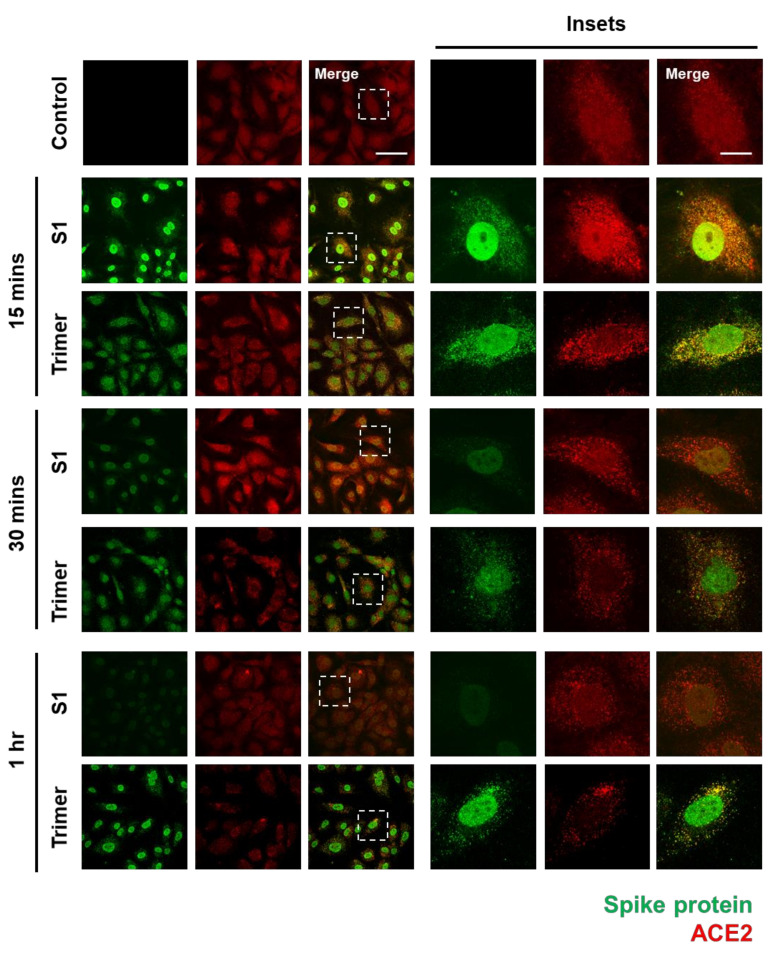
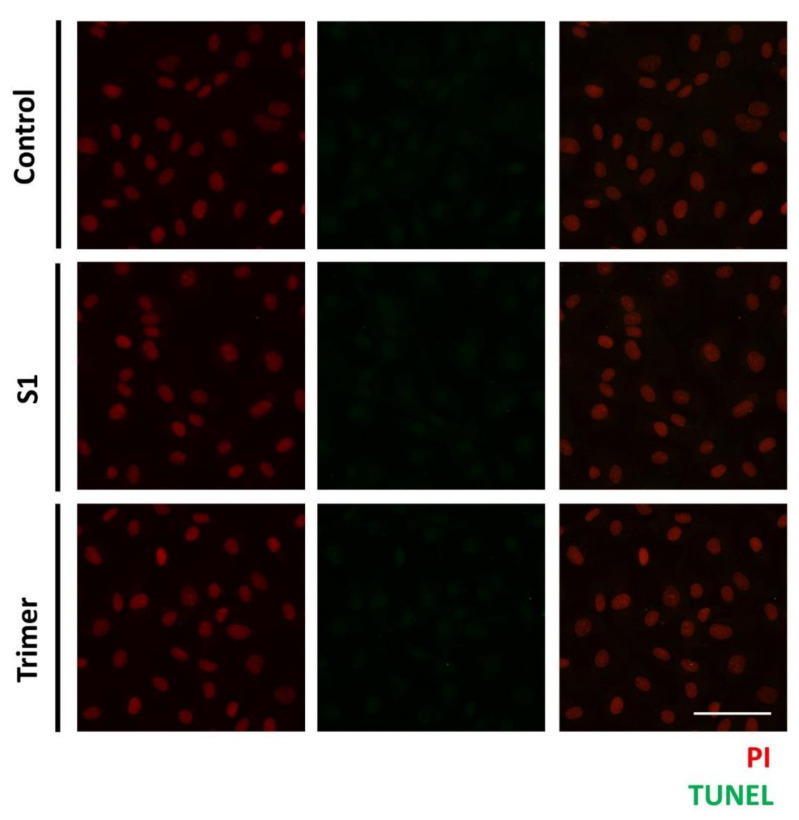
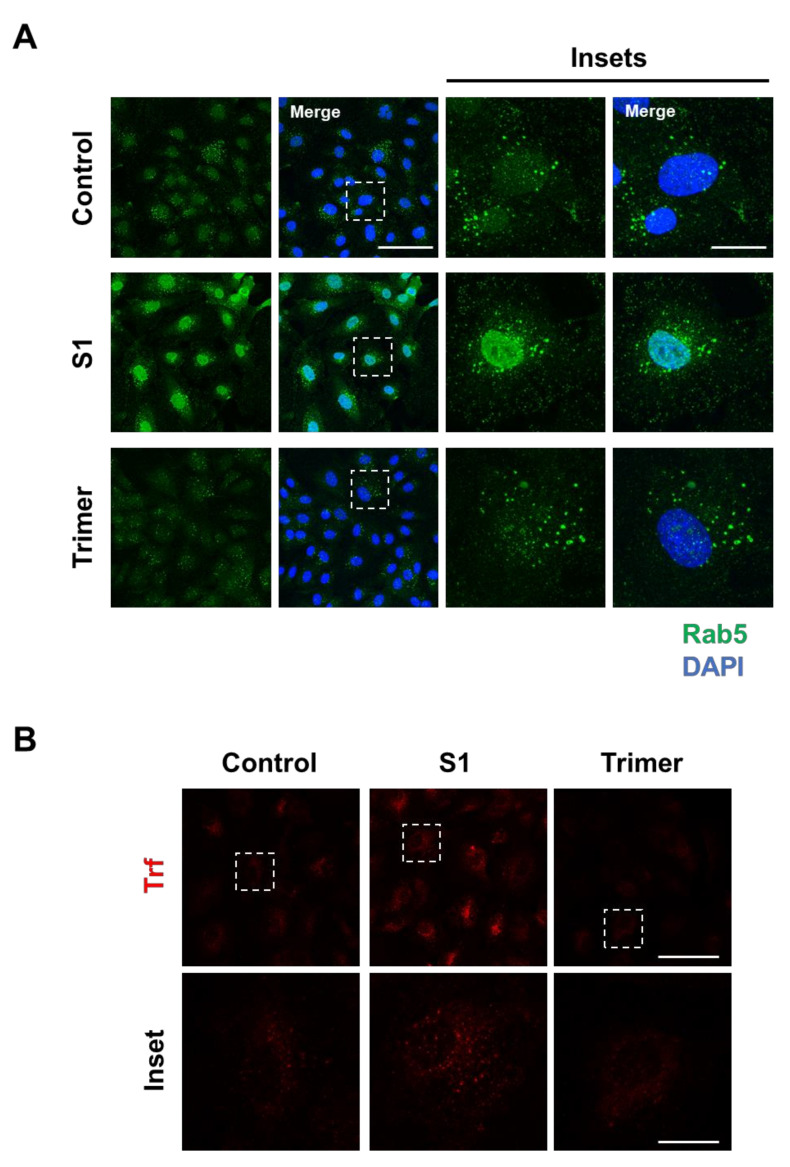
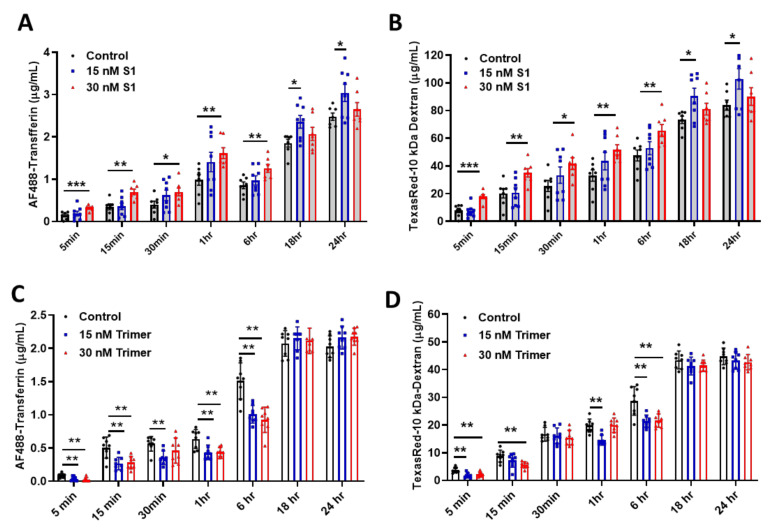
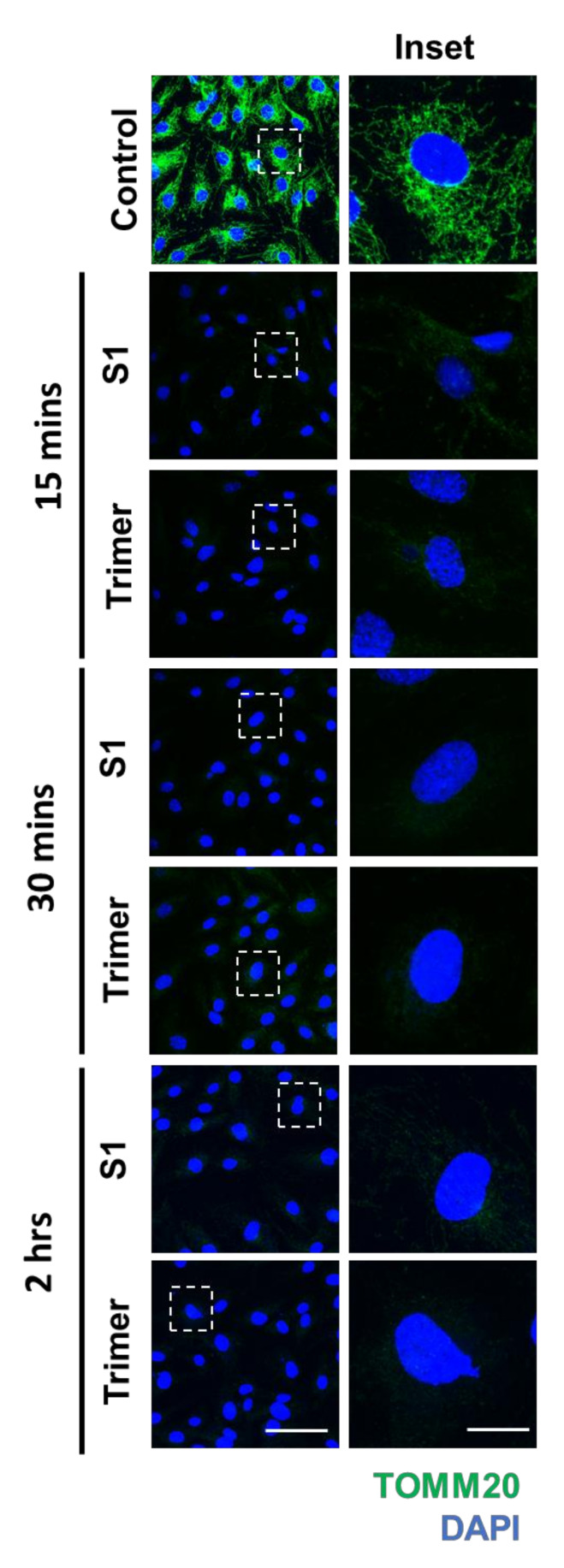
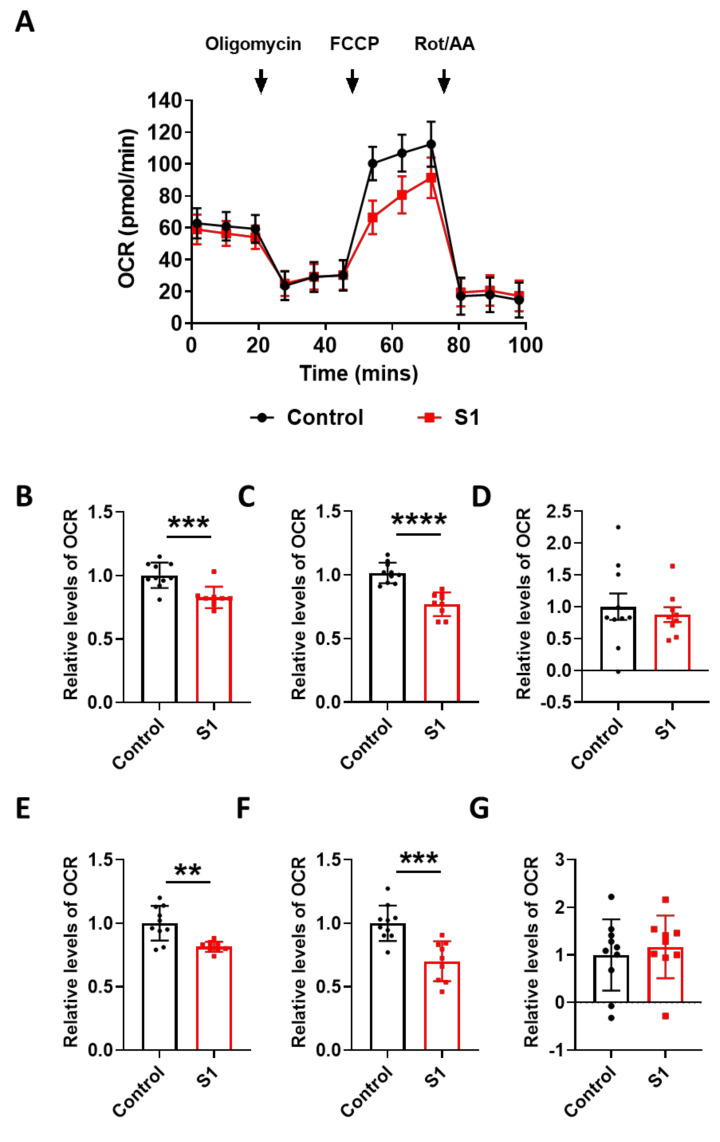
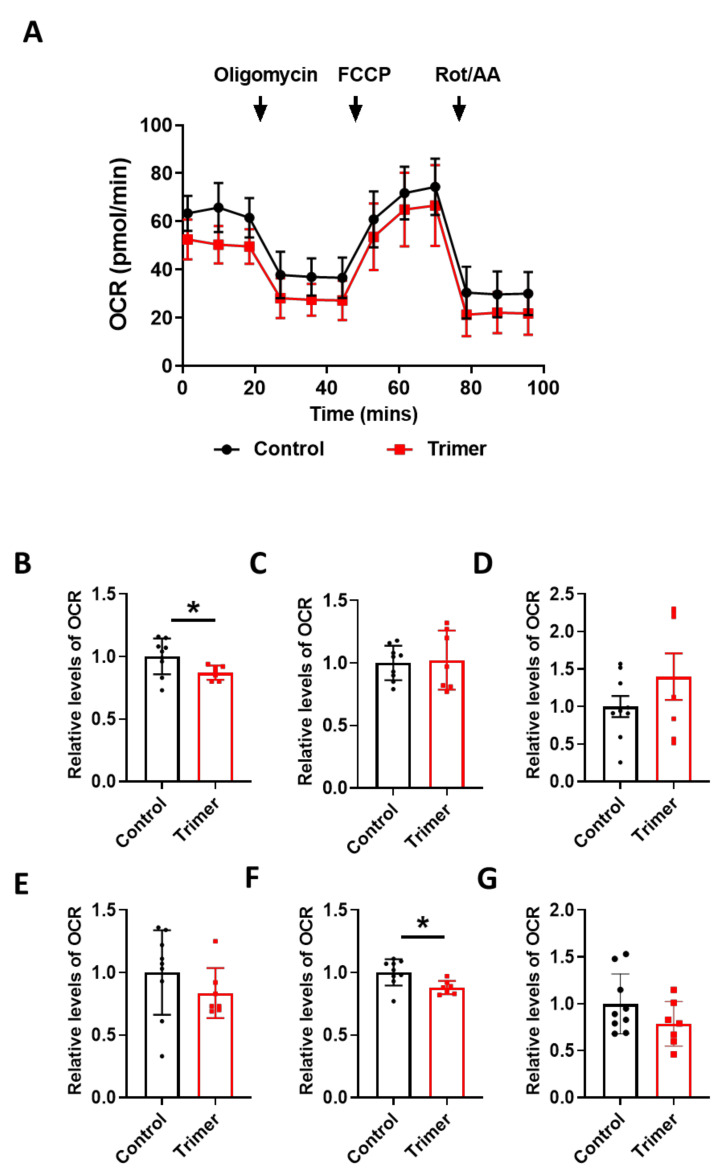
Severe acute respiratory syndrome coronavirus 2 (SARS-CoV-2), which causes the coronavirus disease (COVID-19), is currently infecting millions of people worldwide and is causing drastic changes in people's lives. Recent studies have shown that neurological symptoms are a major issue for people infected with SARS-CoV-2. However, the mechanism through which the pathological effects emerge is still unclear. Brain endothelial cells (ECs), one of the components of the blood-brain barrier, are a major hurdle for the entry of pathogenic or infectious agents into the brain. They strongly express angiotensin converting enzyme 2 (ACE2) for its normal physiological function, which is also well-known to be an opportunistic receptor for SARS-CoV-2 spike protein, facilitating their entry into host cells. First, we identified rapid internalization of the receptor-binding domain (RBD) S1 domain (S1) and active trimer (Trimer) of SARS-CoV-2 spike protein through ACE2 in brain ECs. Moreover, internalized S1 increased Rab5, an early endosomal marker while Trimer decreased Rab5 in the brain ECs. Similarly, the permeability of transferrin and dextran was increased in S1 treatment but decreased in Trimer, respectively. Furthermore, S1 and Trimer both induced mitochondrial damage including functional deficits in mitochondrial respiration. Overall, this study shows that SARS-CoV-2 itself has toxic effects on the brain ECs including defective molecular delivery and metabolic function, suggesting a potential pathological mechanism to induce neurological signs in the brain.
严重急性呼吸综合征冠状病毒 2(SARS-CoV-2)可引起冠状病毒病(COVID-19),目前正在全球范围内感染数百万人,并导致人们的生活发生巨大变化。最近的研究表明,神经系统症状是感染 SARS-CoV-2 的人的一个主要问题。然而,病理效应出现的机制仍不清楚。脑内皮细胞(ECs)是血脑屏障的组成部分之一,对于病原体或传染性物质进入大脑是一个主要障碍。它们强烈表达血管紧张素转换酶 2(ACE2)以发挥其正常的生理功能,这也众所周知是 SARS-CoV-2 刺突蛋白的机会受体,有利于它们进入宿主细胞。首先,我们通过 ACE2 在脑 ECs 中鉴定了 SARS-CoV-2 刺突蛋白的受体结合域(RBD)S1 结构域(S1)和活性三聚体(Trimer)的快速内化。此外,内化的 S1 增加了早期内体标记物 Rab5,而 Trimer 则降低了脑 ECs 中的 Rab5。同样,S1 处理可增加转铁蛋白和葡聚糖的通透性,而 Trimer 则分别降低其通透性。此外,S1 和 Trimer 均可诱导线粒体损伤,包括线粒体呼吸功能缺陷。总的来说,这项研究表明,SARS-CoV-2 本身对脑 ECs 具有毒性作用,包括分子传递和代谢功能缺陷,提示可能存在一种引起大脑中神经症状的病理机制。