Department of Medicine, University of the Philippines-Philippine General Hospital, Manila, Philippines.
Division of Gastroenterology, Department of Medicine, University of the Philippines-Philippine General Hospital, Manila, Philippines.
Asian Pac J Cancer Prev. 2021 Oct 1;22(10):3093-3099. doi: 10.31557/APJCP.2021.22.10.3093.
The aim of this systematic review and meta-analysis was to determine the efficacy of different mHealth interventions in increasing colorectal cancer (CRC) screening rates.
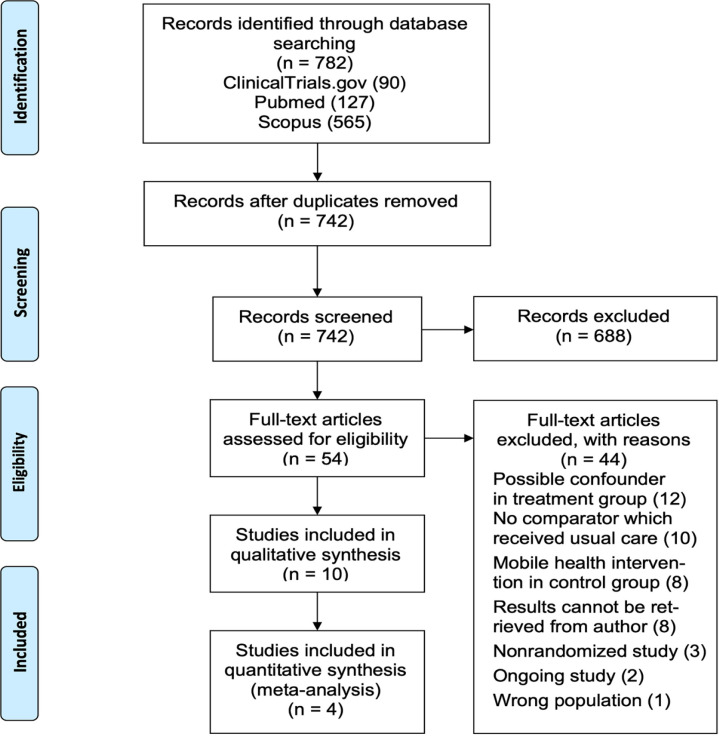
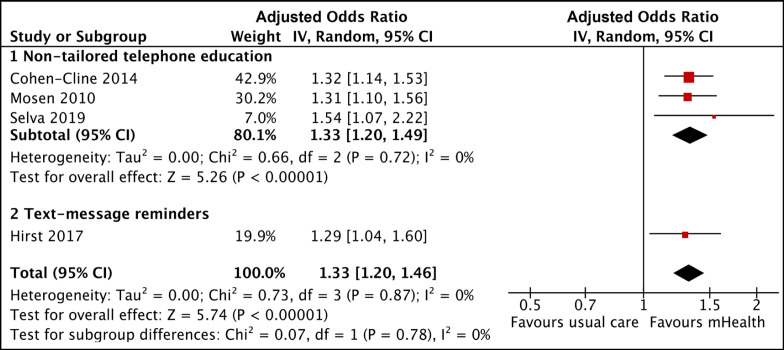
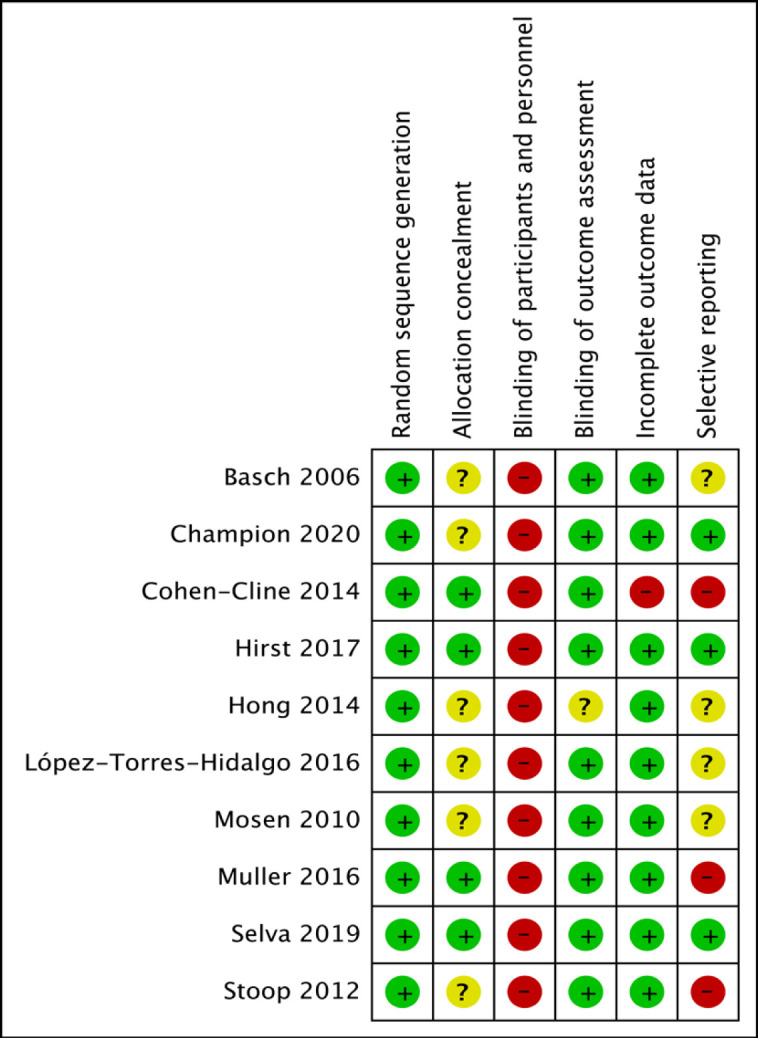
A literature search for eligible studies was done in ClinicalTrials.gov, PubMed, and Scopus in October 2020. Included studies were randomized controlled trials done on adults due for CRC screening, who received either an mHealth intervention to promote screening or usual care. The primary outcome from these studies was completion of CRC screening. Two reviewers independently worked on selecting studies, collecting data, and determining risk of bias. Adjusted odds ratios (AOR) for CRC screening rates were summarized into a Forest plot.
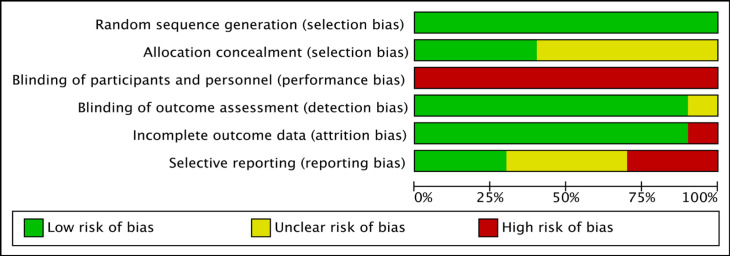
A total of ten trials from three continents were included in the qualitative analysis. Risk of bias is low in terms of randomization, but high in terms of participant blinding, due to the nature of the interventions. Meta-analysis of four trials showed low clinical and statistical heterogeneity (I2=0%). Overall, the use of mHealth interventions is associated with higher CRC screening uptake when compared to usual care (AOR 1.33; 95% CI, 1.20-1.46). This effect was seen across different types of mHealth interventions, which included automated and non-automated telephone education and text-message reminders.
This study showed that mHealth is associated with increased CRC screening participation regardless of the type of intervention used.
本系统评价和荟萃分析的目的是确定不同移动医疗干预措施在提高结直肠癌(CRC)筛查率方面的疗效。
于 2020 年 10 月在 ClinicalTrials.gov、PubMed 和 Scopus 中进行了针对合格研究的文献检索。纳入的研究为针对应接受 CRC 筛查的成年人进行的随机对照试验,这些成年人接受了促进筛查的移动医疗干预或常规护理。这些研究的主要结局是完成 CRC 筛查。两名评审员独立开展研究选择、数据收集和偏倚风险评估工作。将 CRC 筛查率的调整后优势比(AOR)汇总到森林图中。
定性分析共纳入来自三大洲的 10 项试验。从随机分组的角度来看,风险较低,但由于干预措施的性质,从参与者盲法的角度来看,风险较高。四项试验的荟萃分析显示出低临床和统计学异质性(I2=0%)。总体而言,与常规护理相比,移动医疗干预措施与更高的 CRC 筛查率相关(AOR 1.33;95%CI,1.20-1.46)。这种效果见于不同类型的移动医疗干预措施,包括自动和非自动电话教育以及短信提醒。
本研究表明,无论使用何种干预措施,移动医疗均与增加 CRC 筛查参与率相关。