Abuelezz Nermeen Z, Nasr Fayza Eid, AbdulKader Mohammad Ahmed, Bassiouny Ahmad R, Zaky Amira
Biochemistry Department, College of Pharmaceutical Sciences and Drug Manufacturing, Misr University for Science and Technology, Giza, Egypt.
Department of Biochemistry, Faculty of Science, Alexandria University, Alexandria, Egypt.
Front Aging Neurosci. 2021 Oct 12;13:743573. doi: 10.3389/fnagi.2021.743573. eCollection 2021.
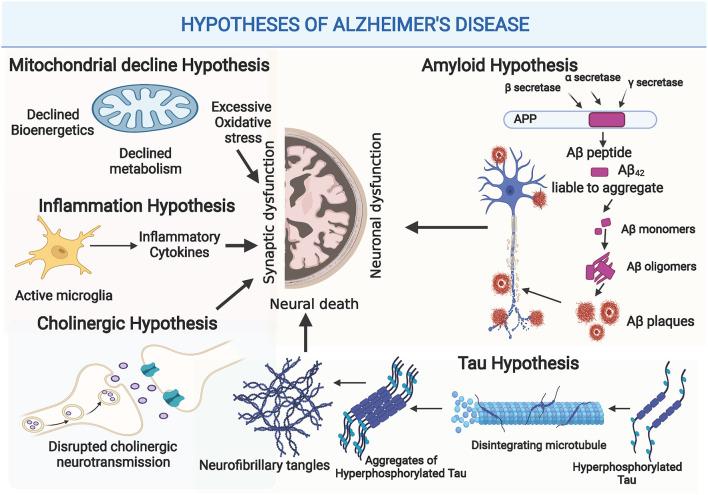
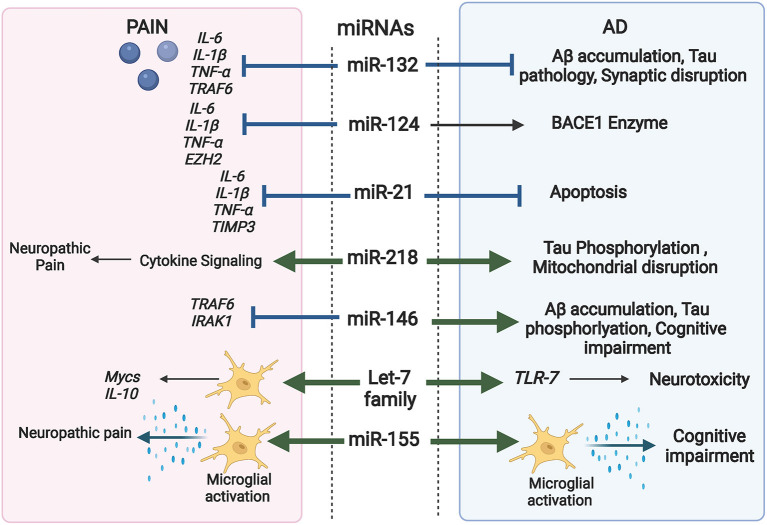
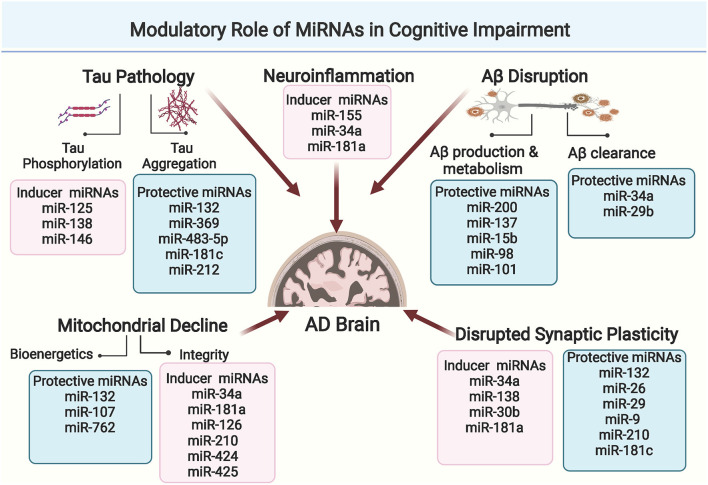
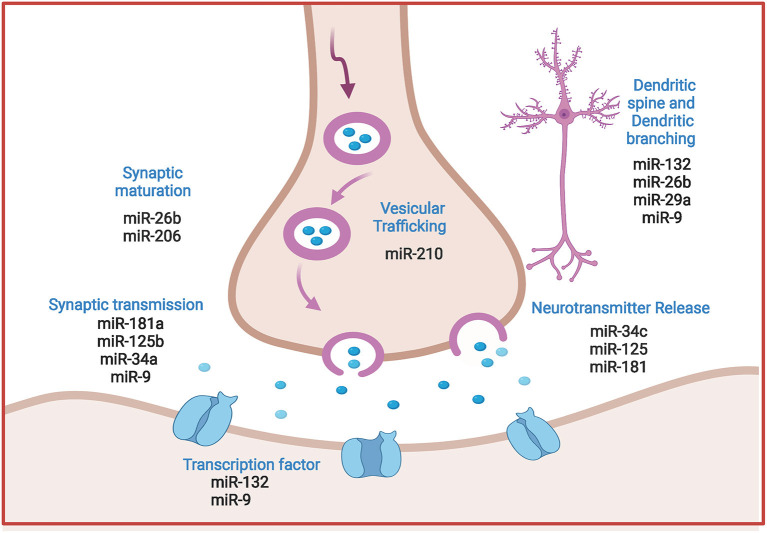
Alzheimer's disease (AD) is a progressive and deleterious neurodegenerative disease, strongly affecting the cognitive functions and memory of seniors worldwide. Around 58% of the affected patients live in low and middle-income countries, with estimates of increasing deaths caused by AD in the coming decade. AD is a multifactor pathology. Mitochondrial function declines in AD brain and is currently emerging as a hallmark of this disease. It has been considered as one of the intracellular processes severely compromised in AD. Many mitochondrial parameters decline already during aging; mitochondrial efficiency for energy production, reactive oxygen species (ROS) metabolism and the synthesis of pyrimidines, to reach an extensive functional failure, concomitant with the onset of neurodegenerative conditions. Besides its impact on cognitive functions, AD is characterized by loss of synapses, extracellular amyloid plaques composed of the amyloid-β peptide (Aβ), and intracellular aggregates of hyperphosphorylated Tau protein, accompanied by drastic sleep disorders, sensory function alterations and pain sensitization. Unfortunately, till date, effective management of AD-related disorders and early, non-invasive AD diagnostic markers are yet to be found. MicroRNAs (miRNAs) are small non-coding nucleic acids that regulate key signaling pathway(s) in various disease conditions. About 70% of experimentally detectable miRNAs are expressed in the brain where they regulate neurite outgrowth, dendritic spine morphology, and synaptic plasticity. Increasing studies suggest that miRNAs are intimately involved in synaptic function and specific signals during memory formation. This has been the pivotal key for considering miRNAs crucial molecules to be studied in AD. MicroRNAs dysfunctions are increasingly acknowledged as a pivotal contributor in AD via deregulating genes involved in AD pathogenesis. Moreover, miRNAs have been proved to control pain sensitization processes and regulate circadian clock system that affects the sleep process. Interestingly, the differential expression of miRNA panels implies their emerging potential as diagnostic AD biomarkers. In this review, we will present an updated analysis of miRNAs role in regulating signaling processes that are involved in AD-related pathologies. We will discuss the current challenges against wider use of miRNAs and the future promising capabilities of miRNAs as diagnostic and therapeutic means for better management of AD.
阿尔茨海默病(AD)是一种进行性且有害的神经退行性疾病,严重影响着全球老年人的认知功能和记忆力。约58%的AD患者生活在低收入和中等收入国家,预计在未来十年因AD导致的死亡人数将会增加。AD是一种多因素病理状态。AD大脑中的线粒体功能会下降,目前已成为这种疾病的一个标志。它被认为是AD中严重受损的细胞内过程之一。许多线粒体参数在衰老过程中就已下降;线粒体产生能量的效率、活性氧(ROS)代谢以及嘧啶的合成,直至出现广泛的功能衰竭,同时伴随着神经退行性疾病的发生。除了对认知功能的影响外,AD的特征还包括突触丧失、由淀粉样β肽(Aβ)组成的细胞外淀粉样斑块以及过度磷酸化的 Tau 蛋白的细胞内聚集,同时伴有严重的睡眠障碍、感觉功能改变和疼痛敏化。不幸的是,迄今为止,尚未找到有效的AD相关疾病管理方法以及早期、非侵入性的AD诊断标志物。微小RNA(miRNA)是小的非编码核酸,在各种疾病状态下调节关键信号通路。约70%实验可检测到的miRNA在大脑中表达,它们在大脑中调节神经突生长、树突棘形态和突触可塑性。越来越多的研究表明,miRNA在记忆形成过程中密切参与突触功能和特定信号。这已成为将miRNA视为AD中关键研究分子的关键所在。miRNA功能障碍通过失调参与AD发病机制的基因,越来越被认为是AD的关键促成因素。此外,miRNA已被证明可控制疼痛敏化过程并调节影响睡眠过程的生物钟系统。有趣的是,miRNA组的差异表达意味着它们作为AD诊断生物标志物的潜在价值正在显现。在本综述中,我们将对miRNA在调节与AD相关病理过程的信号传导中的作用进行更新分析。我们将讨论miRNA广泛应用面临的当前挑战以及miRNA作为更好管理AD的诊断和治疗手段的未来前景。