Zhang Xiaoyu, Low Yee Chen, Lawton Michael A, Simon James E, Di Rong
Department of Plant Biology, Rutgers, The State University of New Jersey, New Brunswick, NJ, United States.
Front Genome Ed. 2021 May 12;3:629769. doi: 10.3389/fgeed.2021.629769. eCollection 2021.
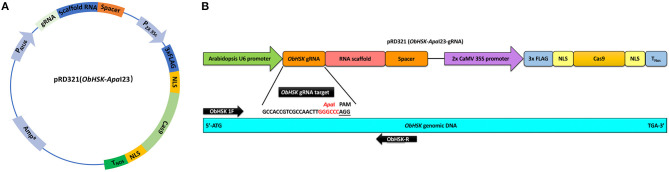
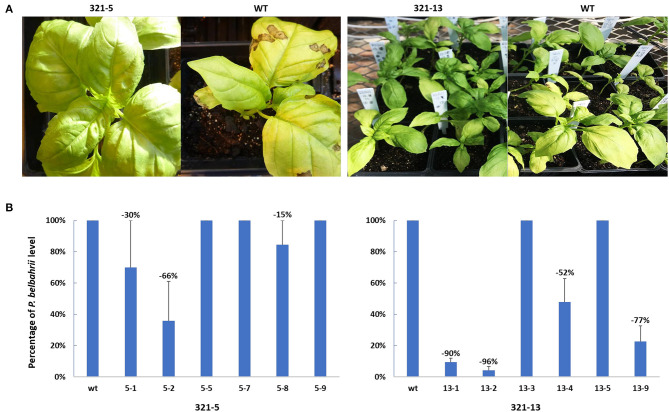
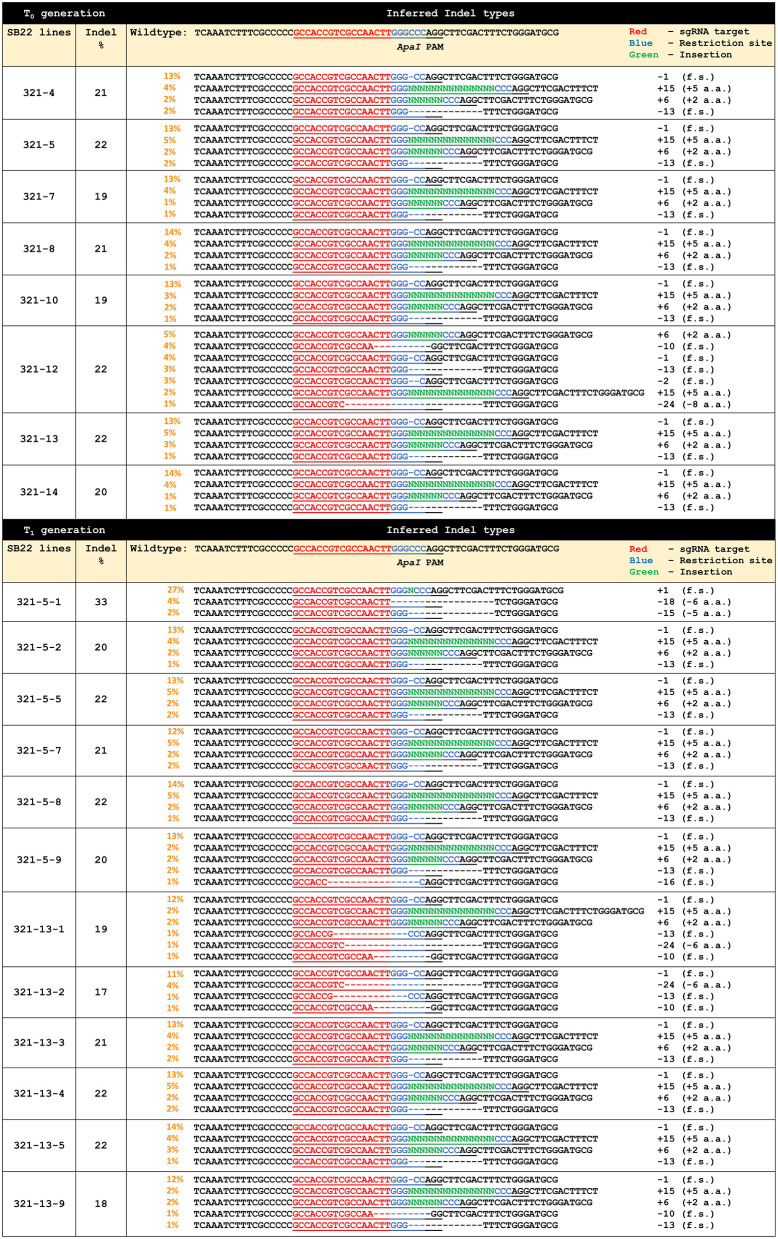
Sweet basil ( L.) downy mildew disease (DM) caused by is a worldwide threat to the basil industry due to the lack of natural genetic resistance in sweet basil germplasm collections. In this study, we used CRISPR-gene editing to modify the sweet basil DM susceptibility gene (). Gene-edited plants challenged with displayed a significantly reduced susceptibility to DM, based on phenotypic disease indices and on pathogen load. These results suggest that plays a role in conditioning DM susceptibility, similar to that observed for the gene in Arabidopsis. These results demonstrate the utility of CRISPR-gene editing in enhancing DM resistance and contributing to sweet basil breeding programs.
甜罗勒(L.)霜霉病(DM)由[病原体名称未给出]引起,由于甜罗勒种质资源库中缺乏天然遗传抗性,该病对罗勒产业构成全球性威胁。在本研究中,我们使用CRISPR基因编辑技术对甜罗勒霜霉病感病基因[基因名称未给出]进行了修饰。基于表型病害指数和病原体载量,用[病原体名称未给出]挑战基因编辑植株时,其对霜霉病的易感性显著降低。这些结果表明,[基因名称未给出]在决定对霜霉病的易感性方面发挥作用,这与在拟南芥中观察到的[相关基因名称未给出]基因的情况类似。这些结果证明了CRISPR基因编辑在增强霜霉病抗性和助力甜罗勒育种计划方面的实用性。