Department of Visceral Surgery and Medicine, lnselspital, Bern University Hospital, University of Bern, Freiburgstrasse 18, 3010, Bern, Switzerland.
Department of Emergency Medicine, lnselspital, Bern University Hospital, University of Bern, Freiburgstrasse 18, 3010, Bern, Switzerland.
BMC Med Educ. 2021 Oct 30;21(1):554. doi: 10.1186/s12909-021-02962-8.
In the fight against the Covid-19 pandemic, medical students and residents are expected to adapt and contribute in a healthcare environment characterized by ever-changing measures and policies. The aim of this narrative review is to provide a summary of the literature that addresses the challenges of students and residents of human medicine in the first 4 months of the fight against the Covid-19 pandemic in order to identify gaps and find implications for improvement within the current situation and for potential future scenarios.
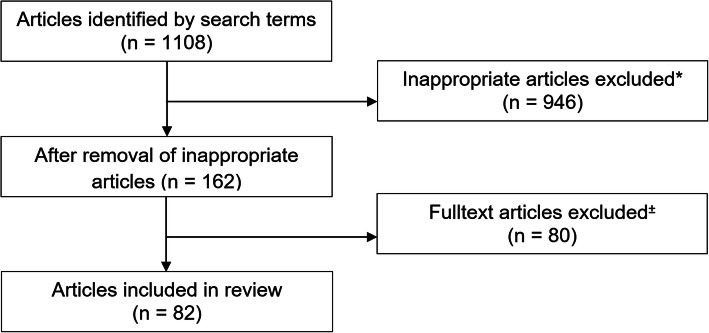
We performed a systematic literature search and content analysis (CA) of articles available in English language that address the challenges of students and residents of human medicine in the first 4 months of the fight against the Covid-19 pandemic.
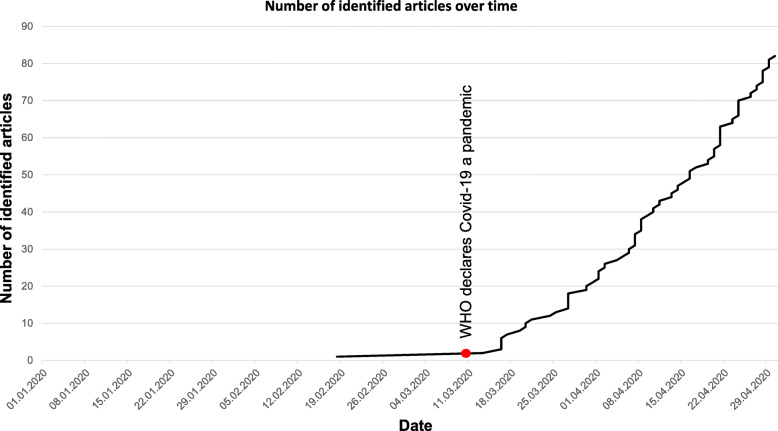
We retrieved 82 articles from a wide range of journals, professional backgrounds and countries. CA identified five recurring subgroup topics: "faculty preparation", «uncertainties and mental health», «clinical knowledge», «rights and obligations» and «(self-) support and supply». Within these subgroups the main concerns of (re-)deployment, interruption of training and career, safety issues, transmission of disease, and restricted social interaction were identified as potential stressors that hold a risk for fatigue, loss of morale and burnout.
Students and residents are willing and able to participate in the fight against Covid-19 when provided with appropriate deployment, legal guidance, safety measures, clinical knowledge, thorough supervision, social integration and mental health support. Preceding interviews to decide on reasonable voluntary deployment, the use of new technology and frequent feedback communication with faculties, educators and policymakers can further help with a successful and sustainable integration of students and residents in the fight against the pandemic.
It is critical that faculties, educators and policymakers have a thorough understanding of the needs and concerns of medical trainees during pandemic times. Leaders should facilitate close communication with students and residents, value their intrinsic creativeness and regularly evaluate their needs in regards to deployment, knowledge aspects, safety measures, legal concerns and overall well-being.
在抗击新冠疫情的战斗中,医学生和住院医师需要在一个不断变化的措施和政策的医疗环境中适应并做出贡献。本文的目的是对描述人类医学学生和住院医师在抗击新冠疫情的前 4 个月所面临的挑战的文献进行综述,以确定差距,并为当前形势和未来潜在情景中的改进提供依据。
我们对描述人类医学学生和住院医师在抗击新冠疫情的前 4 个月所面临的挑战的英文文献进行了系统的文献检索和内容分析(CA)。
我们从各种期刊、专业背景和国家检索到 82 篇文章。CA 确定了五个反复出现的亚组主题:“教师准备”、“不确定性和心理健康”、“临床知识”、“权利和义务”和“(自我)支持和供应”。在这些亚组中,重新部署、培训和职业中断、安全问题、疾病传播以及受限的社会互动等主要问题被确定为潜在的压力源,可能导致疲劳、士气低落和倦怠。
当提供适当的部署、法律指导、安全措施、临床知识、全面监督、社会融合和心理健康支持时,学生和住院医师愿意并能够参与抗击新冠疫情。在决定合理的自愿部署之前进行访谈、使用新技术以及与教师、教育者和政策制定者频繁反馈沟通,可以进一步帮助学生和住院医师成功和可持续地融入抗击疫情的工作。
了解医学生在大流行期间的需求和关注点对于教师、教育者和政策制定者来说至关重要。领导者应促进与学生和住院医师的密切沟通,重视他们内在的创造力,并定期评估他们在部署、知识方面、安全措施、法律问题和整体福祉方面的需求。