Li Peng, Lin Zhiping, Liu Qianzheng, Chen Siyuan, Gao Xiang, Guo Weixiong, Gong Fan, Wei Jinsong, Lin Hao
Stem Cell Research and Cellular Therapy Center, Affiliated Hospital of Guangdong Medical University, Zhanjiang, China.
Orthopedic Center, Affiliated Hospital of Guangdong Medical University, Zhanjiang, China.
Front Oncol. 2021 Oct 15;11:743840. doi: 10.3389/fonc.2021.743840. eCollection 2021.
Breast cancer (BRCA) is the most common cancer in women, while the bones are one of the most common sites of metastasis. Although new diagnostic methods or radiation or chemotherapies and targeted therapies have made huge advances, the occurrence of bone metastasis is also linked with poorer survival. Enhancer RNAs (eRNAs) have been demonstrated to participate in the progression of tumorigenesis and metastasis. However, the role of eRNAs in BRCA bone metastasis remains largely unclear.
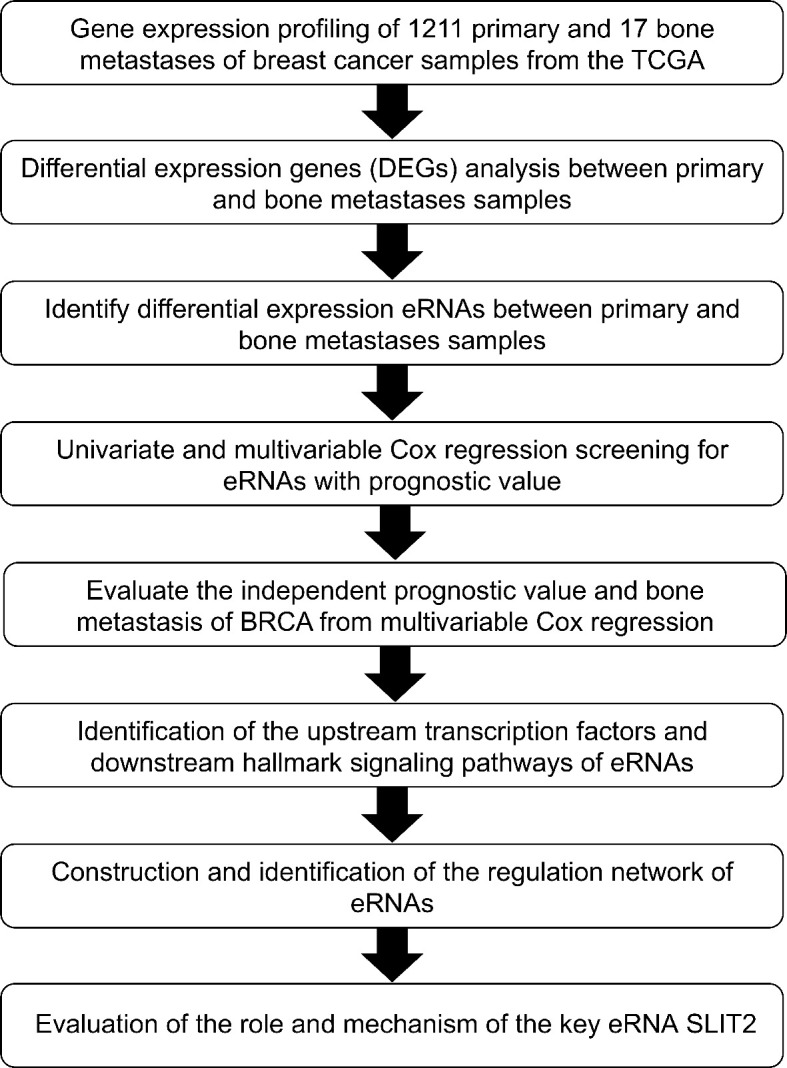
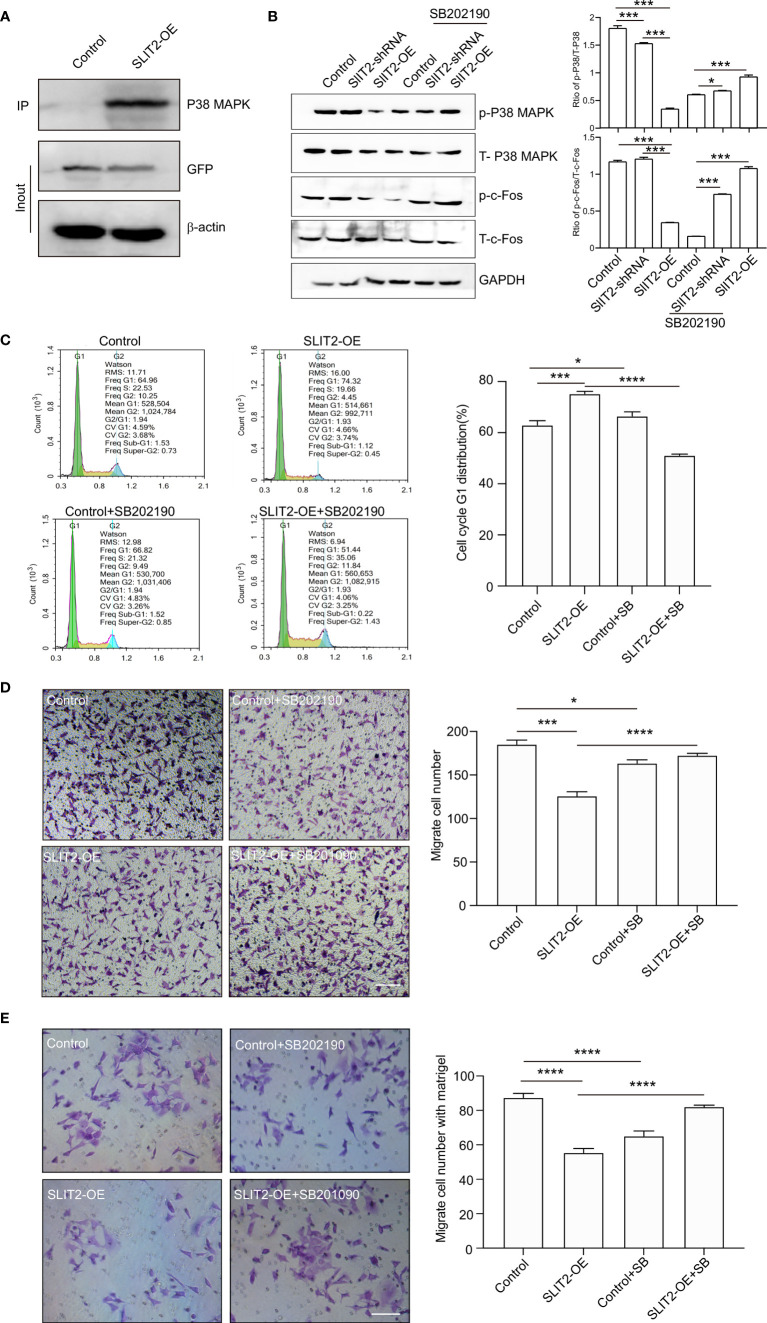
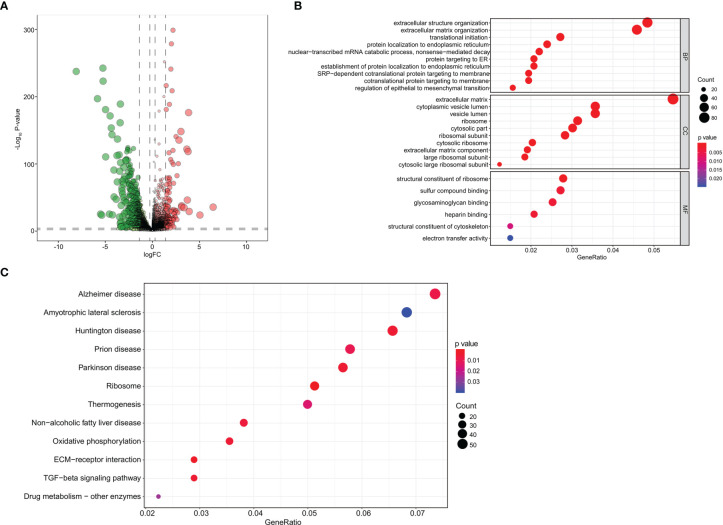
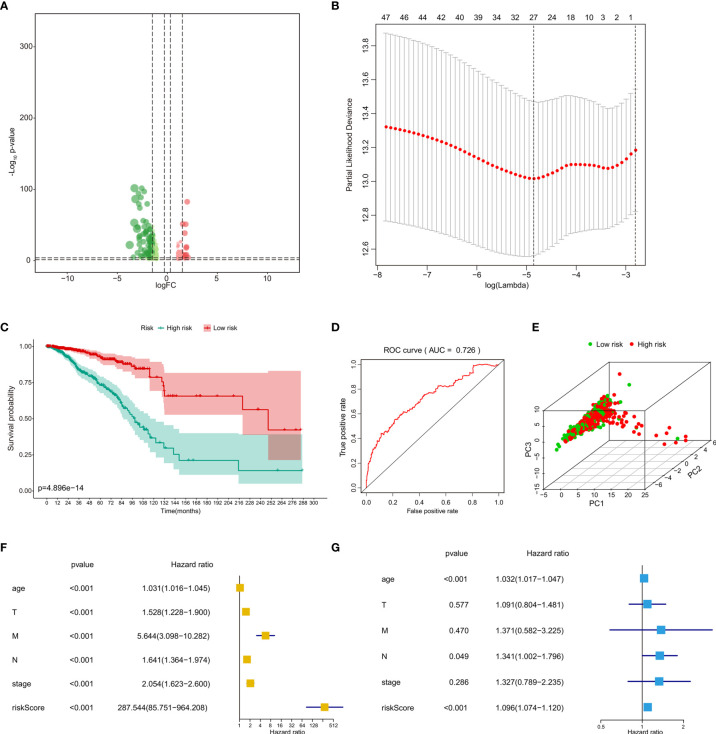
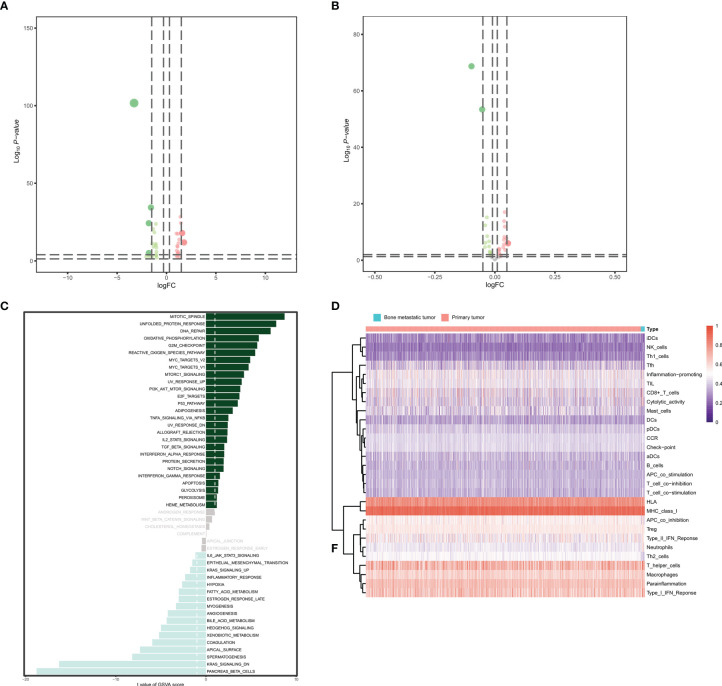
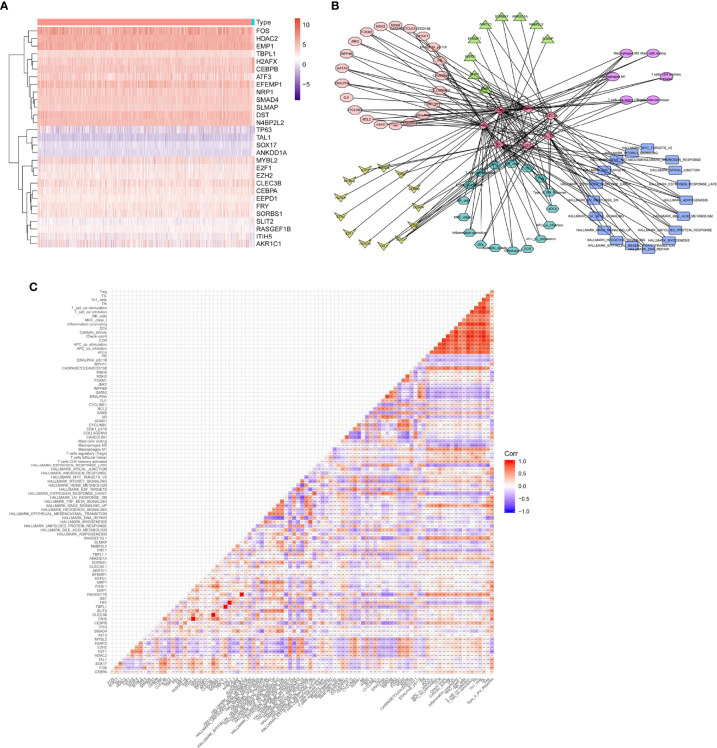
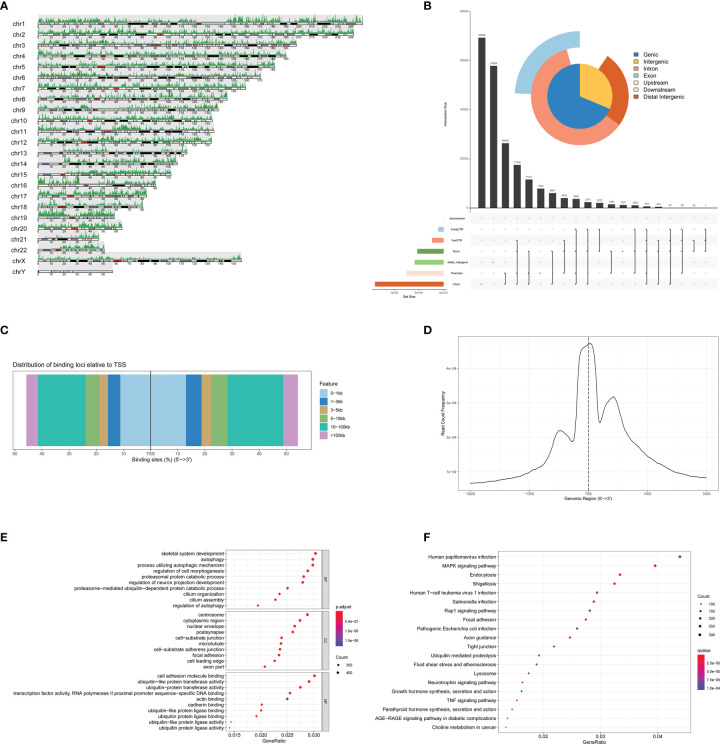
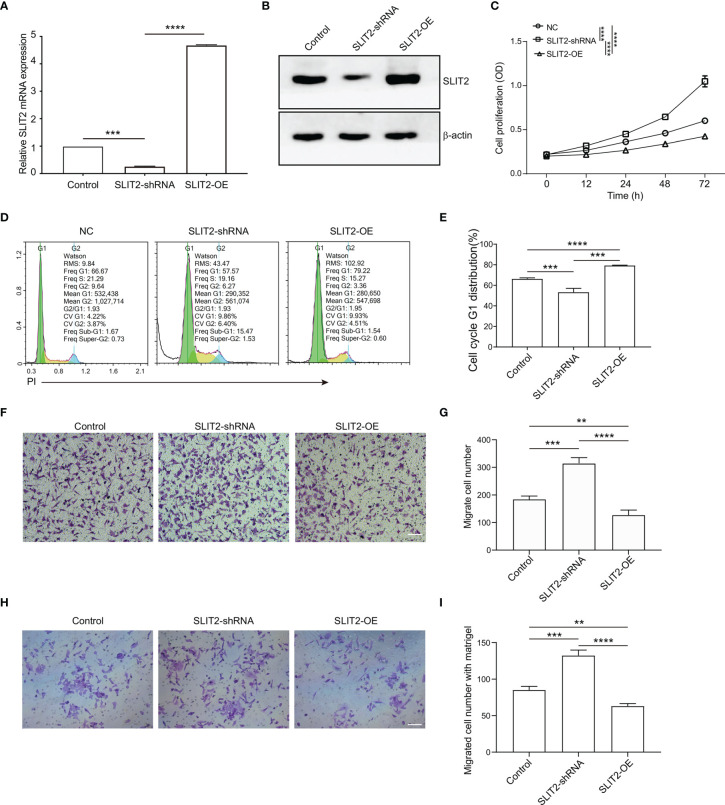
Gene expression profiling of 1,211 primary BRCA and 17 bone metastases samples were retrieved from The Cancer Genome Atlas (TCGA) database, and the significant prognostic eRNAs were identified by Cox regression and least absolute shrinkage and selection operator (LASSO) regression. The acceptable accuracy and discrimination of the nomogram were indicated by the receiver operating characteristic (ROC) and the calibration curves. Then target genes of eRNA, immune cell percentage by CIBERSORT analysis, immune genes by single-sample gene set enrichment analysis (ssGSEA), hallmark of cancer signaling pathway by gene set variation analysis (GSVA), and reverse phase protein array (RPPA) protein chip were used to build a co-expression regulation network and identified the key eRNAs in bone metastasis of BRCA. Finally, Cell Counting Kit-8 (CCK8) assay, cell cycle assay, and transwell assay were used to study changes in cell proliferation, migration, and invasiveness. Immunoprecipitation assay and Western blotting were used to test the interaction and the regulation signaling pathways.
The 27 hub eRNAs were selected, and a survival-related linear risk assessment model with a relatively high accuracy (area under curve (AUC): 0.726) was constructed. In addition, seven immune-related eRNAs (SLIT2, CLEC3B, LBPL1, FRY, RASGEF1B, DST, and ITIH5) as prognostic signatures for bone metastasis of BRCA were further confirmed by LASSO and multivariate Cox regression and CIBERSORT analysis. Finally, assay demonstrated that overexpression of SLIT2 reduced proliferation and metastasis in BRCA cells. Using high-throughput co-expression regulation network, we identified that SLIT2 may regulating P38 MAPK/c-Fos signaling pathway to promote the effects of metastasis.
Based on the co-expression network for bone metastasis of BRCA, we screened key eRNAs to explore a prognostic model in predicting the bone metastasis by bioinformatics analysis. Besides, we identified the potential regulatory signaling pathway of SLIT2 in BRCA bone metastasis, which provides a promising therapeutic strategy for metastasis of BRCA.
乳腺癌(BRCA)是女性中最常见的癌症,而骨骼是最常见的转移部位之一。尽管新的诊断方法、放疗、化疗及靶向治疗已取得巨大进展,但骨转移的发生仍与较差的生存率相关。增强子RNA(eRNAs)已被证明参与肿瘤发生和转移的进程。然而,eRNAs在BRCA骨转移中的作用仍 largely不清楚。
从癌症基因组图谱(TCGA)数据库中检索1211例原发性BRCA和17例骨转移样本的基因表达谱,通过Cox回归和最小绝对收缩和选择算子(LASSO)回归确定显著的预后eRNAs。通过受试者工作特征(ROC)曲线和校准曲线表明列线图具有可接受的准确性和区分度。然后,利用eRNA的靶基因、通过CIBERSORT分析的免疫细胞百分比、通过单样本基因集富集分析(ssGSEA)的免疫基因、通过基因集变异分析(GSVA)的癌症信号通路特征以及反相蛋白质阵列(RPPA)蛋白芯片构建共表达调控网络,并确定BRCA骨转移中的关键eRNAs。最后,使用细胞计数试剂盒-8(CCK8)检测、细胞周期检测和Transwell检测来研究细胞增殖、迁移和侵袭的变化。采用免疫沉淀检测和蛋白质印迹法检测相互作用和调控信号通路。
筛选出27个核心eRNAs,并构建了一个具有较高准确性(曲线下面积(AUC):0.726)的生存相关线性风险评估模型。此外,通过LASSO和多变量Cox回归以及CIBERSORT分析进一步证实了7个与免疫相关的eRNAs(SLIT2、CLEC3B、LBPL1、FRY、RASGEF1B、DST和ITIH5)作为BRCA骨转移的预后标志物。最后,检测表明SLIT2的过表达降低了BRCA细胞的增殖和转移。利用高通量共表达调控网络,我们确定SLIT2可能通过调节P38 MAPK/c-Fos信号通路来促进转移作用。
基于BRCA骨转移的共表达网络,我们筛选关键eRNAs,通过生物信息学分析探索预测骨转移的预后模型。此外,我们确定了SLIT2在BRCA骨转移中的潜在调控信号通路,这为BRCA转移提供了一种有前景的治疗策略。