Department of Burns and Plastic Surgery, The Fourth Medical Center of Chinese PLA General Hospital, Beijing, China.
Cell Prolif. 2021 Dec;54(12):e13155. doi: 10.1111/cpr.13155. Epub 2021 Nov 1.
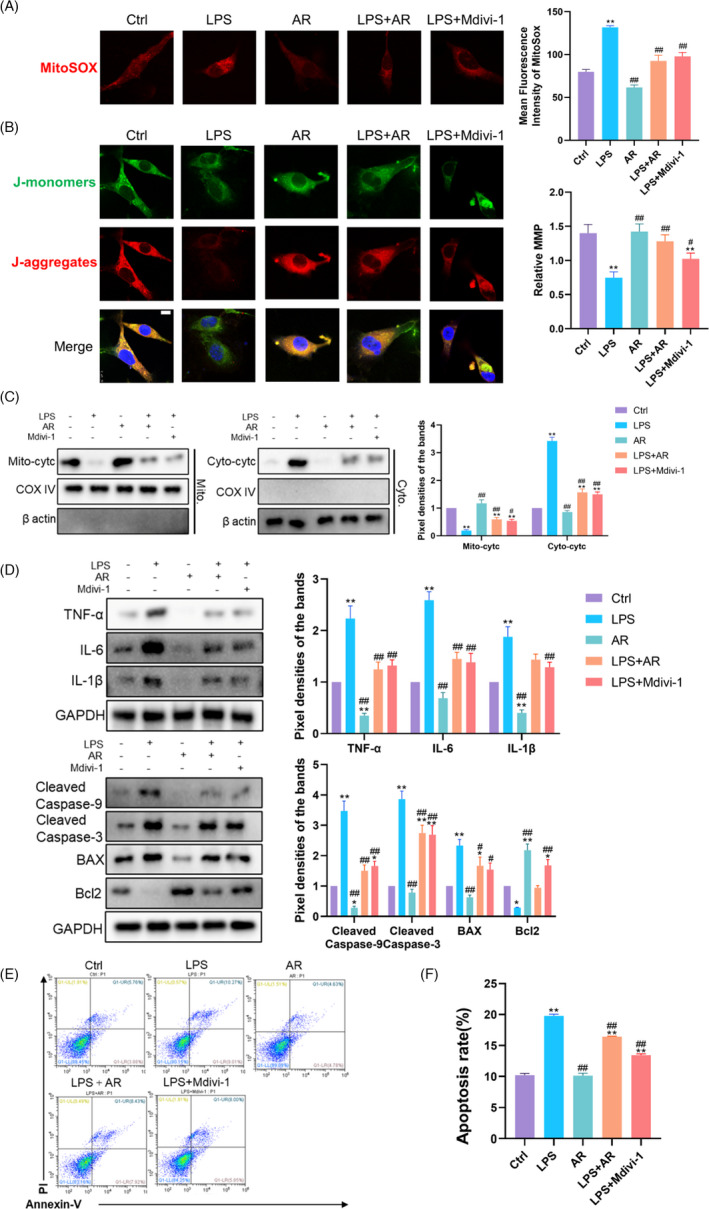
Skin is susceptible to senescence-associated secretory phenotype (SASP) and inflamm-ageing partly owing to the degeneration of mitochondria. AdipoRon (AR) has protective effects on mitochondria in metabolic diseases such as diabetes. We explored the role of AR on mitochondria damage induced by skin inflamm-ageing and its underlying mechanism.
Western blot, immunofluorescence and TUNEL staining were used to detect inflammatory factors and apoptosis during skin ageing. Transmission electron microscopy, ATP determination kit, CellLight Mitochondria GFP (Mito-GFP), mitochondrial stress test, MitoSOX and JC-1 staining were used to detect mitochondrial changes. Western blot was applied to explore the underlying mechanism. Flow cytometry, scratch test, Sulforhodamine B assay and wound healing test were used to detect the effects of AR on cell apoptosis, migration and proliferation.
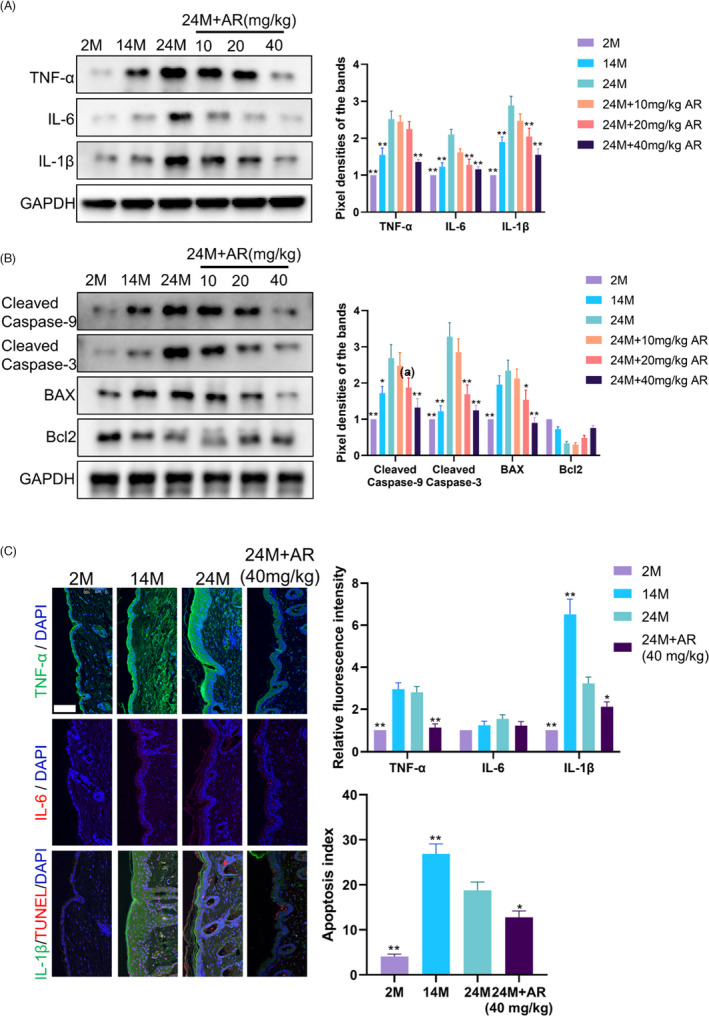
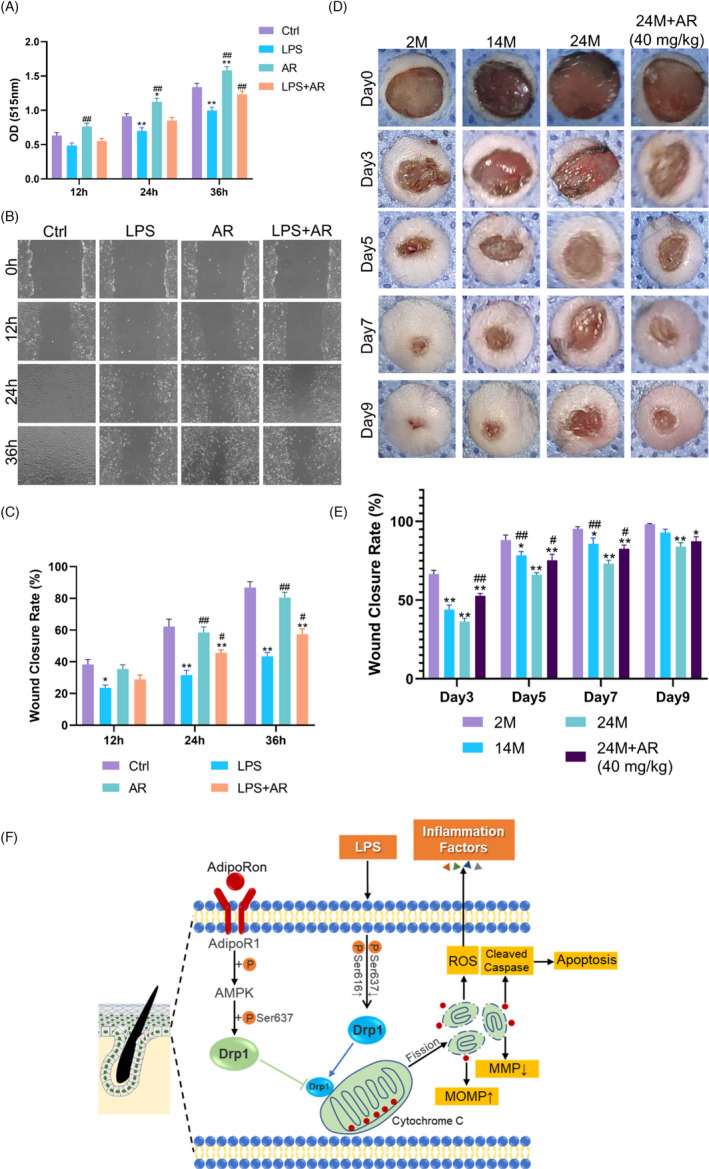
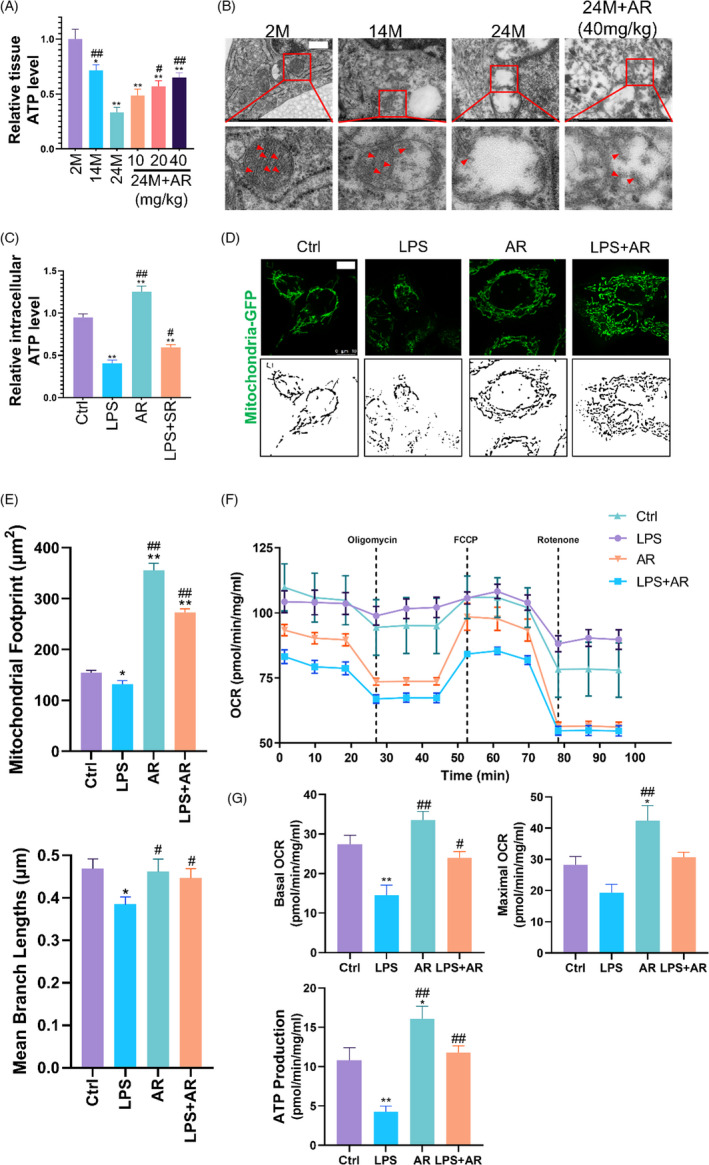
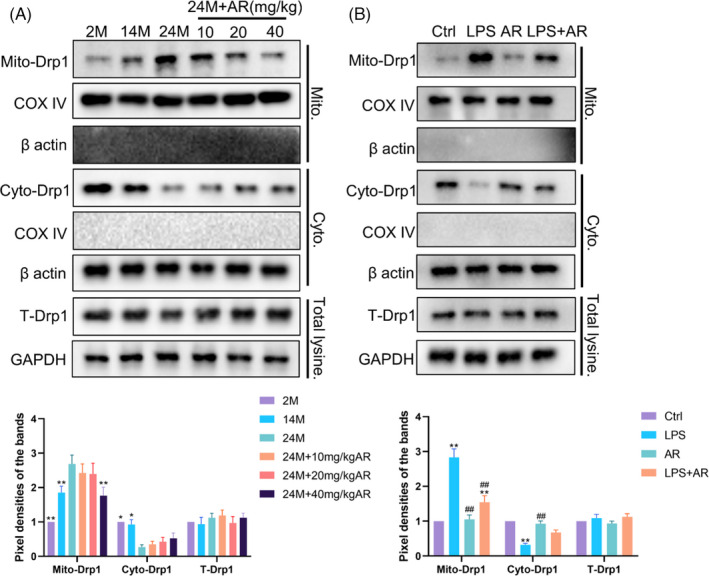
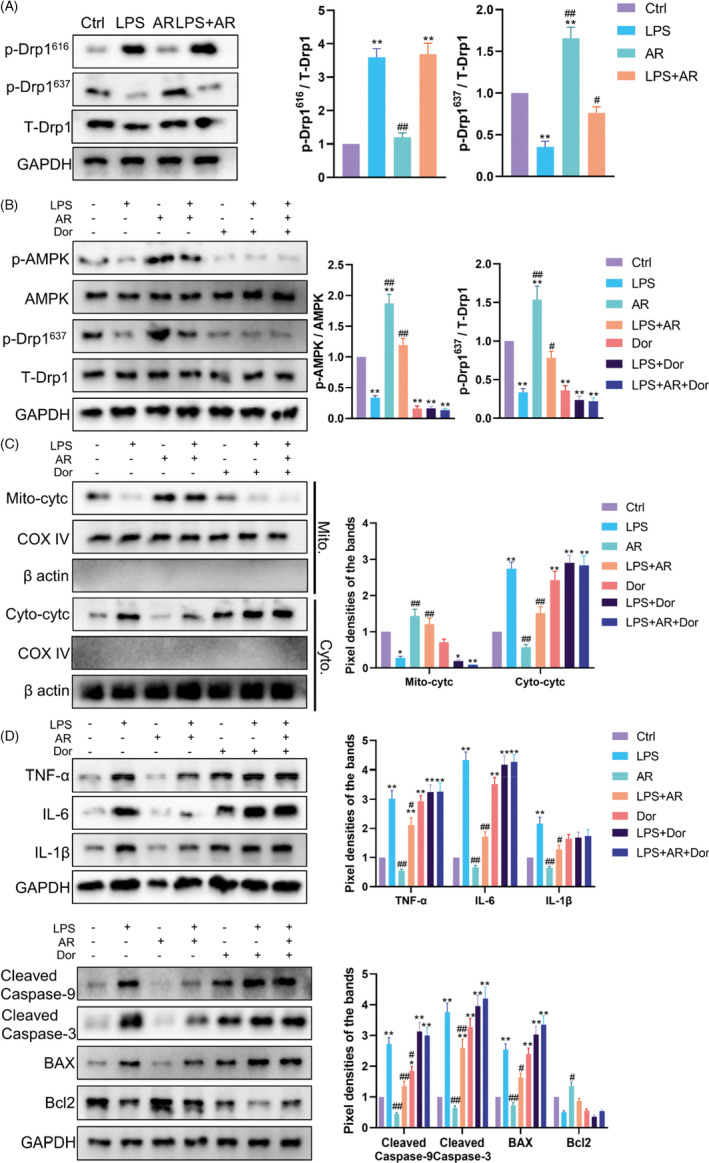
AR attenuated inflammatory factors and apoptosis that increased in aged skin, and improved mitochondrial morphology and function. This process at least partly depended on the suppression of dynamin-related protein 1 (Drp1)-mediated excessive mitochondrial division. More specifically, AR up-regulated the phosphorylation of Drp1 at Serine 637 by activating AMP-activated protein kinase (AMPK), thereby inhibiting the mitochondrial translocation of Drp1. Moreover, AR reduced mitochondrial fragmentation and the production of superoxide, preserved the membrane potential and permeability of mitochondria and accelerated wound healing in aged skin.
AR rescues the mitochondria in aged skin by suppressing its excessive division mediated by Drp1.
皮肤容易受到衰老相关分泌表型(SASP)和炎症衰老的影响,部分原因是线粒体的退化。AdipoRon(AR)在糖尿病等代谢疾病中对线粒体有保护作用。我们探讨了 AR 对皮肤炎症衰老诱导的线粒体损伤的作用及其潜在机制。
采用 Western blot、免疫荧光和 TUNEL 染色检测皮肤老化过程中的炎症因子和细胞凋亡。透射电子显微镜、ATP 测定试剂盒、CellLight Mitochondria GFP(Mito-GFP)、线粒体应激试验、MitoSOX 和 JC-1 染色用于检测线粒体变化。Western blot 用于探索潜在机制。流式细胞术、划痕试验、磺酰罗丹明 B 测定和伤口愈合试验用于检测 AR 对细胞凋亡、迁移和增殖的影响。
AR 减轻了老年皮肤中增加的炎症因子和细胞凋亡,并改善了线粒体形态和功能。这个过程至少部分依赖于抑制动力相关蛋白 1(Drp1)介导的过度线粒体分裂。更具体地说,AR 通过激活 AMP 激活的蛋白激酶(AMPK)上调 Drp1 在丝氨酸 637 的磷酸化,从而抑制 Drp1 的线粒体易位。此外,AR 减少了线粒体碎片化和超氧化物的产生,维持了线粒体的膜电位和通透性,并加速了老年皮肤的伤口愈合。
AR 通过抑制 Drp1 介导的过度分裂来挽救老年皮肤中的线粒体。