Lecocq Q, Debie P, Puttemans J, Awad R M, De Beck L, Ertveldt T, De Vlaeminck Y, Goyvaerts C, Raes G, Keyaerts M, Breckpot K, Devoogdt N
Laboratory for Molecular and Cellular Therapy, Department of Biomedical Sciences, Vrije Universiteit Brussel, Laarbeeklaan 103/E, 1090, Brussels, Belgium.
In Vivo Cellular and Molecular Imaging Laboratory, Department of Medical Imaging, Vrije Universiteit Brussel, Laarbeeklaan 103/K, 1090, Brussels, Belgium.
EJNMMI Res. 2021 Nov 2;11(1):115. doi: 10.1186/s13550-021-00857-9.
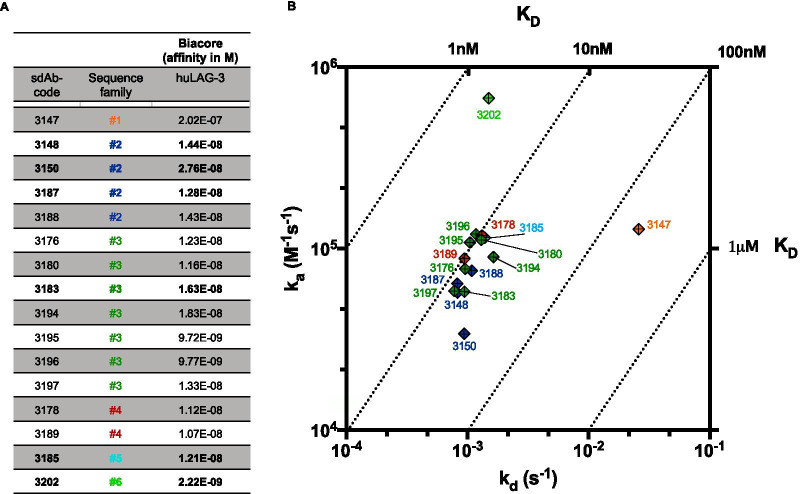
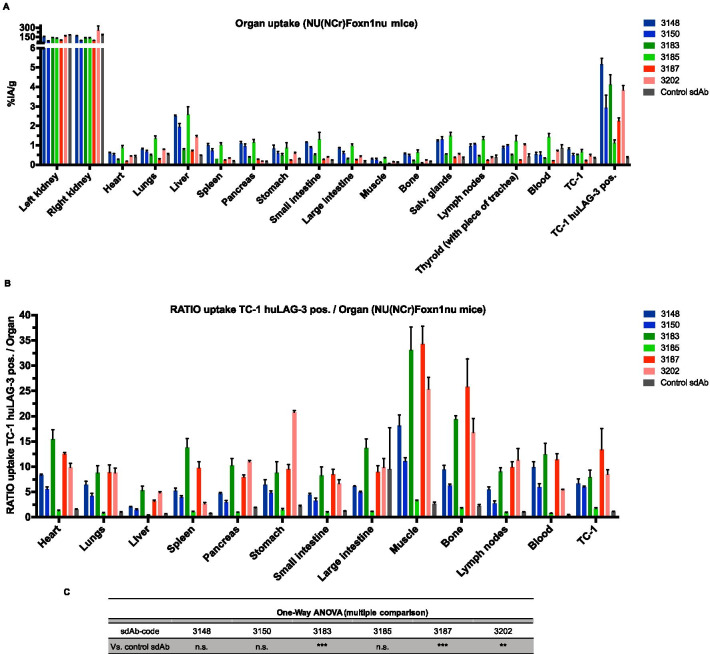
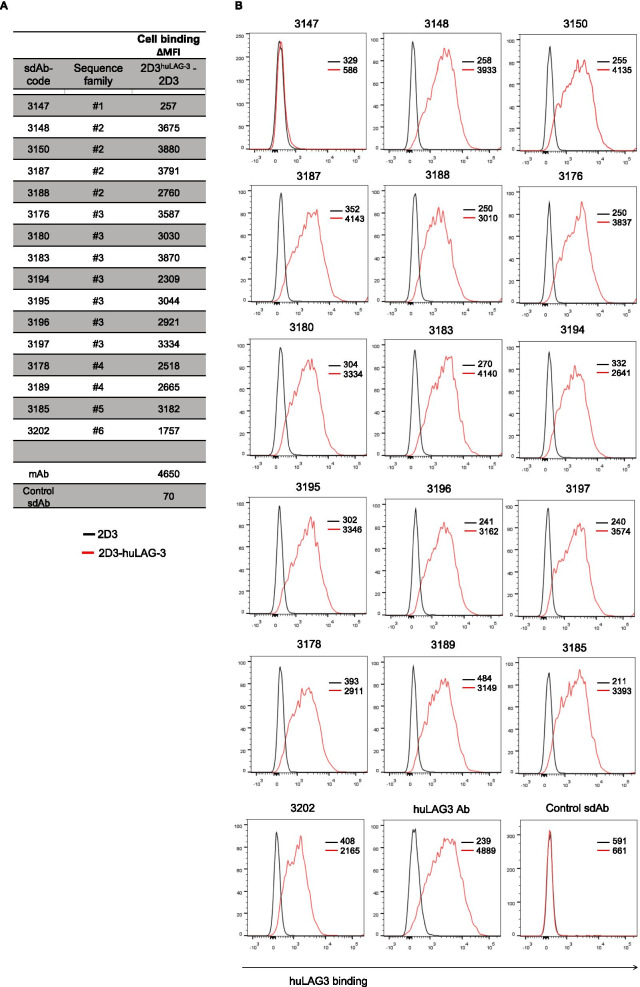
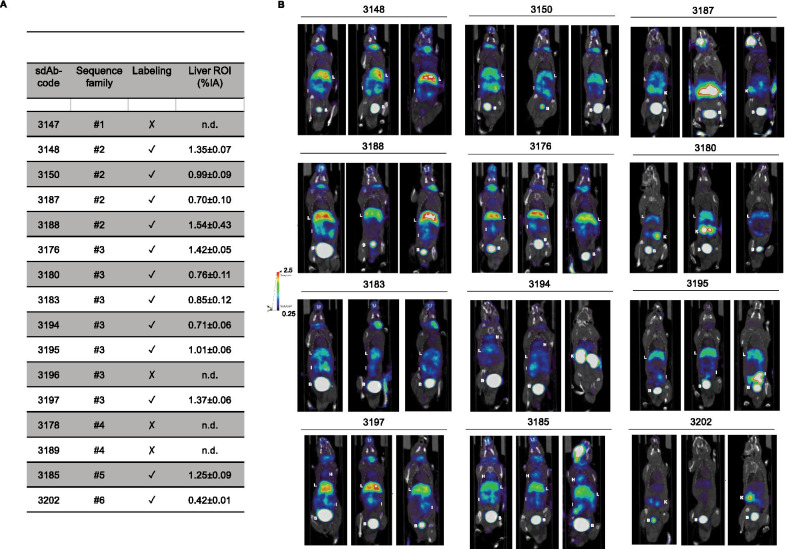
Recent advancements in the field of immune-oncology have led to a significant increase in life expectancy of patients with diverse forms of cancer, such as hematologic malignancies, melanoma and lung cancer. Unfortunately, these encouraging results are not observed in the majority of patients, who remain unresponsive and/or encounter adverse events. Currently, researchers are collecting more insight into the cellular and molecular mechanisms that underlie these variable responses. As an example, the human lymphocyte activation gene-3 (huLAG-3), an inhibitory immune checkpoint receptor, is increasingly studied as a therapeutic target in immune-oncology. Noninvasive molecular imaging of the immune checkpoint programmed death protein-1 (PD-1) or its ligand PD-L1 has shown its value as a strategy to guide and monitor PD-1/PD-L1-targeted immune checkpoint therapy. Yet, radiotracers that allow dynamic, whole body imaging of huLAG-3 expression are not yet described. We here developed single-domain antibodies (sdAbs) that bind huLAG-3 and showed that these sdAbs can image huLAG-3 in tumors, therefore representing promising tools for further development into clinically applicable radiotracers.
免疫肿瘤学领域的最新进展已使多种癌症患者的预期寿命显著延长,如血液系统恶性肿瘤、黑色素瘤和肺癌。不幸的是,大多数患者并未出现这些令人鼓舞的结果,他们对治疗无反应和/或遭遇不良事件。目前,研究人员正在更深入地了解这些不同反应背后的细胞和分子机制。例如,人类淋巴细胞激活基因3(huLAG-3)作为一种抑制性免疫检查点受体,越来越多地被作为免疫肿瘤学的治疗靶点进行研究。免疫检查点程序性死亡蛋白1(PD-1)或其配体PD-L1的非侵入性分子成像已显示出其作为指导和监测PD-1/PD-L1靶向免疫检查点治疗策略的价值。然而,尚未有能对huLAG-3表达进行动态全身成像的放射性示踪剂。我们在此开发了与huLAG-3结合的单域抗体(sdAbs),并表明这些sdAbs能够对肿瘤中的huLAG-3进行成像,因此是有希望进一步开发成临床适用放射性示踪剂的工具。