
人类乳腺癌靶向治疗与免疫治疗的进展
Advancements in Human Breast Cancer Targeted Therapy and Immunotherapy.
作者信息
Bou-Dargham Mayassa J, Draughon Sophia, Cantrell Vance, Khamis Zahraa I, Sang Qing-Xiang Amy
机构信息
Department of Chemistry and Biochemistry, Florida State University, Tallahassee, Florida, United States of America.
Department of Chemistry and Biochemistry, Faculty of Sciences-I, Lebanese University, Beirut, Lebanon.
出版信息
J Cancer. 2021 Oct 11;12(23):6949-6963. doi: 10.7150/jca.64205. eCollection 2021.
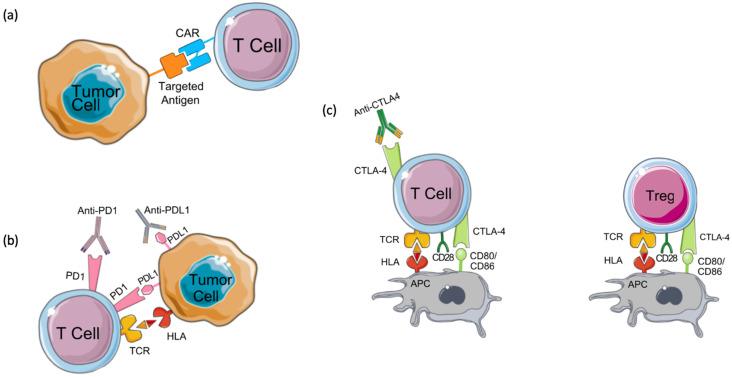
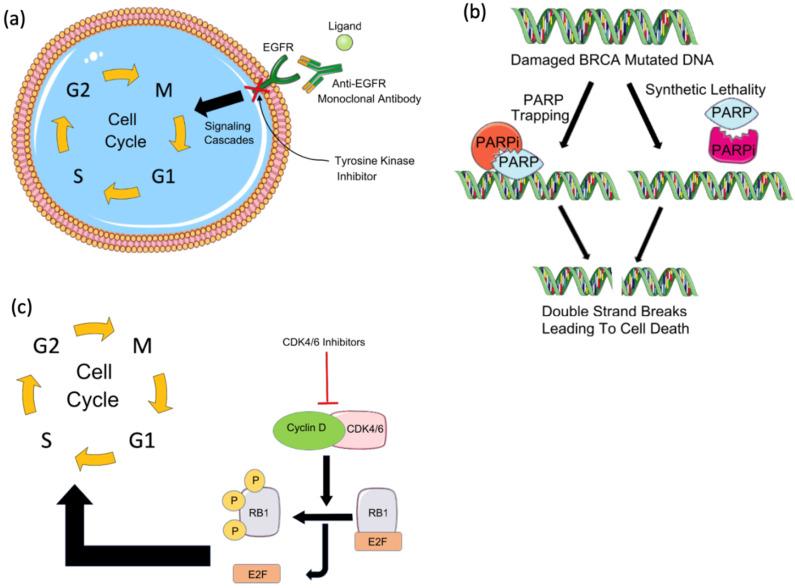
Human breast cancer treatment regimens have evolved greatly due to the significant advances in understanding the molecular mechanisms and pathways of the common subtypes of breast cancer. In this review, we discuss recent progress in breast cancer targeted therapy and immunotherapy as well as ongoing clinical trials. We also highlight the potential of combination therapies and personalized approaches to improve clinical outcomes. Targeted therapies have surpassed the hormone receptors and the human epidermal growth factor receptor 2 (HER2) to include many other molecules in targetable pathways such as the epidermal growth factor receptor (EGFR), poly (adenosine diphosphate-ribose) polymerase (PARP), and cyclin-dependent kinase 4/6 (CDK4/6). However, resistance to targeted therapy persists, underpinning the need for more efficacious therapies. Immunotherapy is considered a milestone in breast cancer treatments, including the engineered immune cells (CAR-T cell therapy) to better target the tumor cells, vaccines to stimulate the patient's immune system against tumor antigens, and checkpoint inhibitors (PD-1, PD-L1, and CTLA4) to block molecules that mediate immune inhibition. Targeted therapies and immunotherapy tested in breast cancer clinical trials are discussed here, with special emphasis on combinatorial approaches which are believed to maximize treatment efficacy and enhance patient survival.
由于在理解乳腺癌常见亚型的分子机制和信号通路方面取得了重大进展,人类乳腺癌治疗方案有了很大的发展。在这篇综述中,我们讨论了乳腺癌靶向治疗和免疫治疗的最新进展以及正在进行的临床试验。我们还强调了联合治疗和个性化方法在改善临床结果方面的潜力。靶向治疗已经超越了激素受体和人表皮生长因子受体2(HER2),涵盖了可靶向信号通路中的许多其他分子,如表皮生长因子受体(EGFR)、聚(二磷酸腺苷 - 核糖)聚合酶(PARP)和细胞周期蛋白依赖性激酶4/6(CDK4/6)。然而,对靶向治疗的耐药性仍然存在,这突出了对更有效治疗方法的需求。免疫治疗被认为是乳腺癌治疗的一个里程碑,包括经过改造的免疫细胞(CAR-T细胞疗法)以更好地靶向肿瘤细胞、刺激患者免疫系统对抗肿瘤抗原的疫苗以及阻断介导免疫抑制的分子的检查点抑制剂(PD-1、PD-L1和CTLA4)。本文讨论了在乳腺癌临床试验中测试的靶向治疗和免疫治疗,特别强调了联合治疗方法,据信这种方法可以最大限度地提高治疗效果并延长患者生存期。
 Zotero 插件