Department of Surgery, Duke Universitygrid.471396.egrid.26009.3d, Durham, North Carolina, USA.
Statistical Center for HIV/AIDS Research and Prevention, Fred Hutchinson Cancer Research Centergrid.270240.3, Seattle, Washington, USA.
J Virol. 2022 Jan 26;96(2):e0164321. doi: 10.1128/JVI.01643-21. Epub 2021 Nov 3.
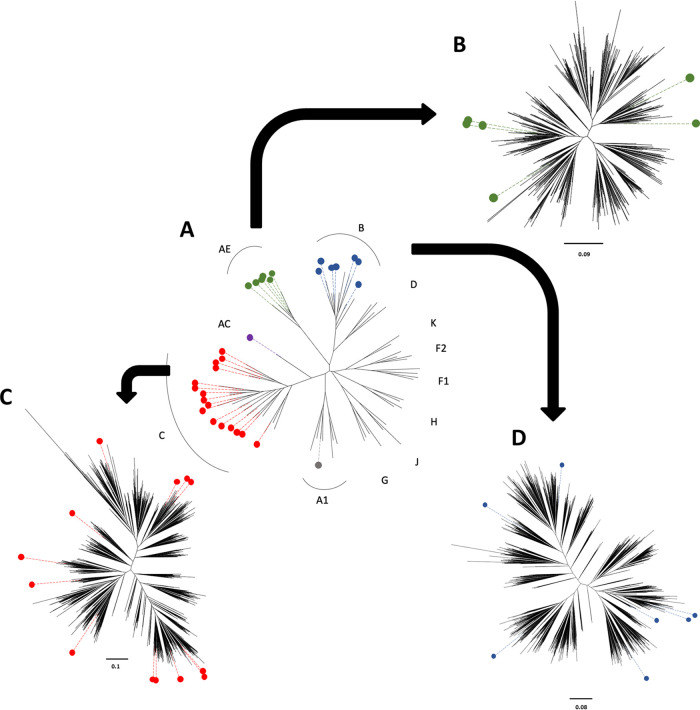
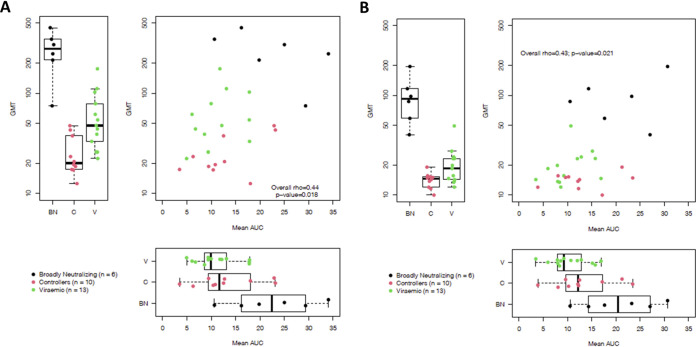
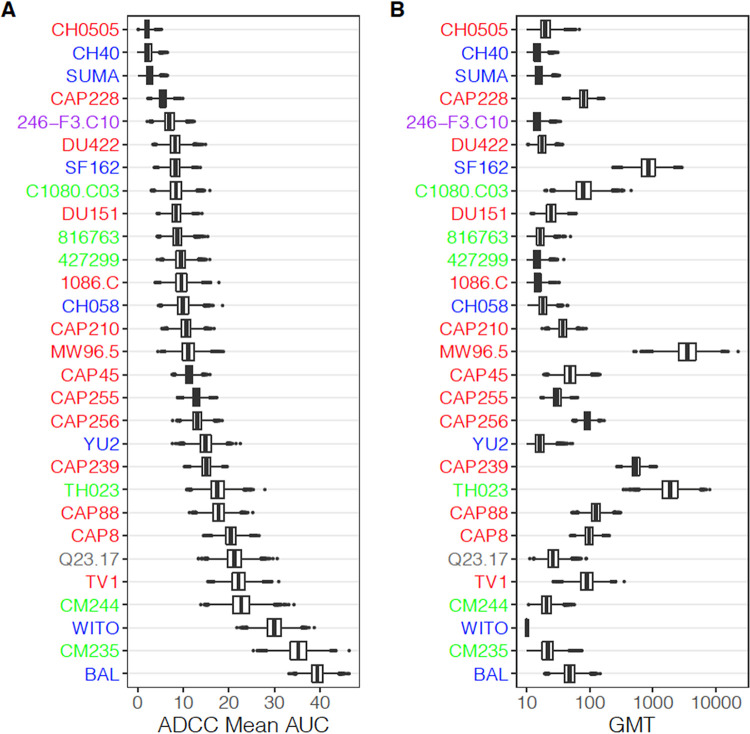
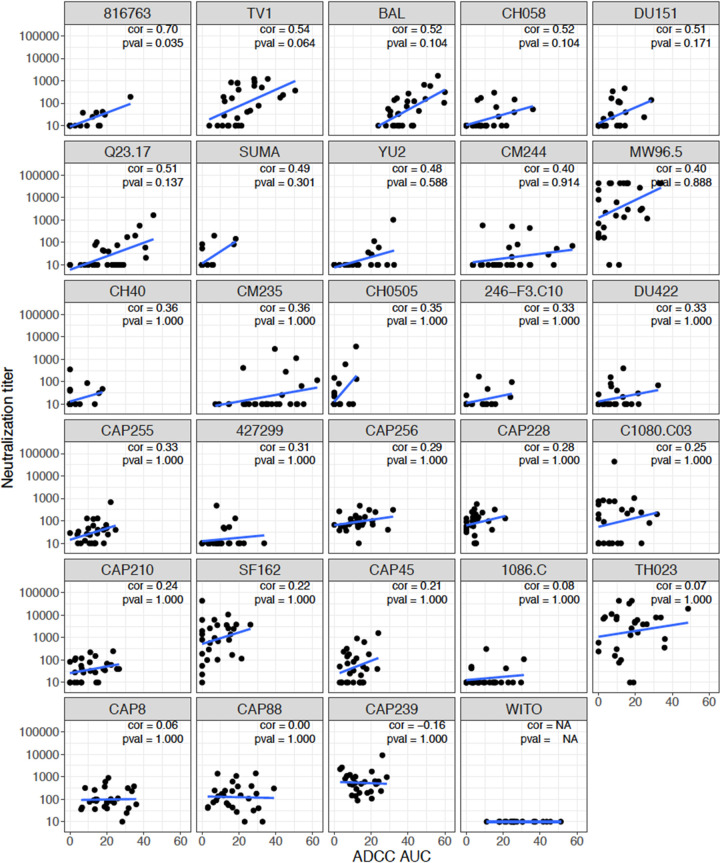
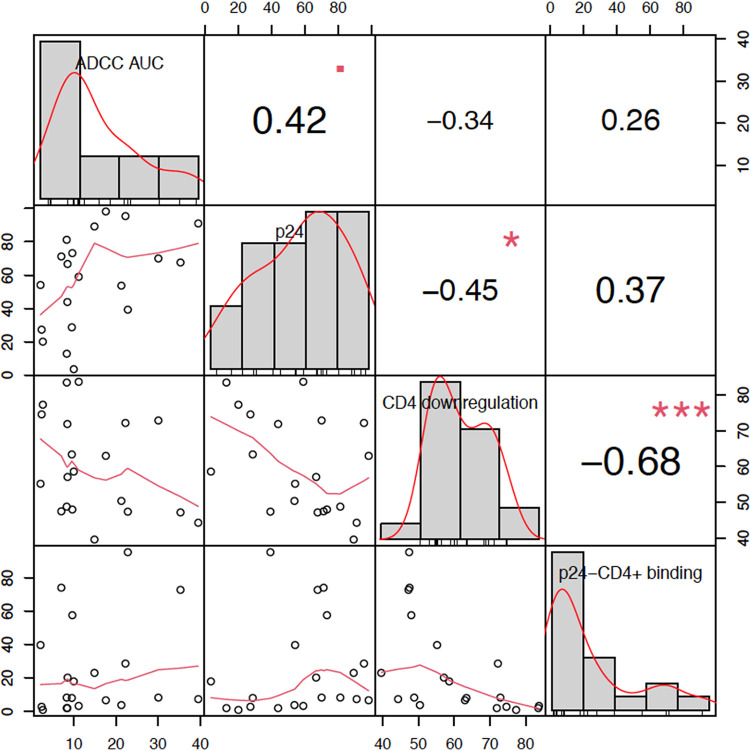
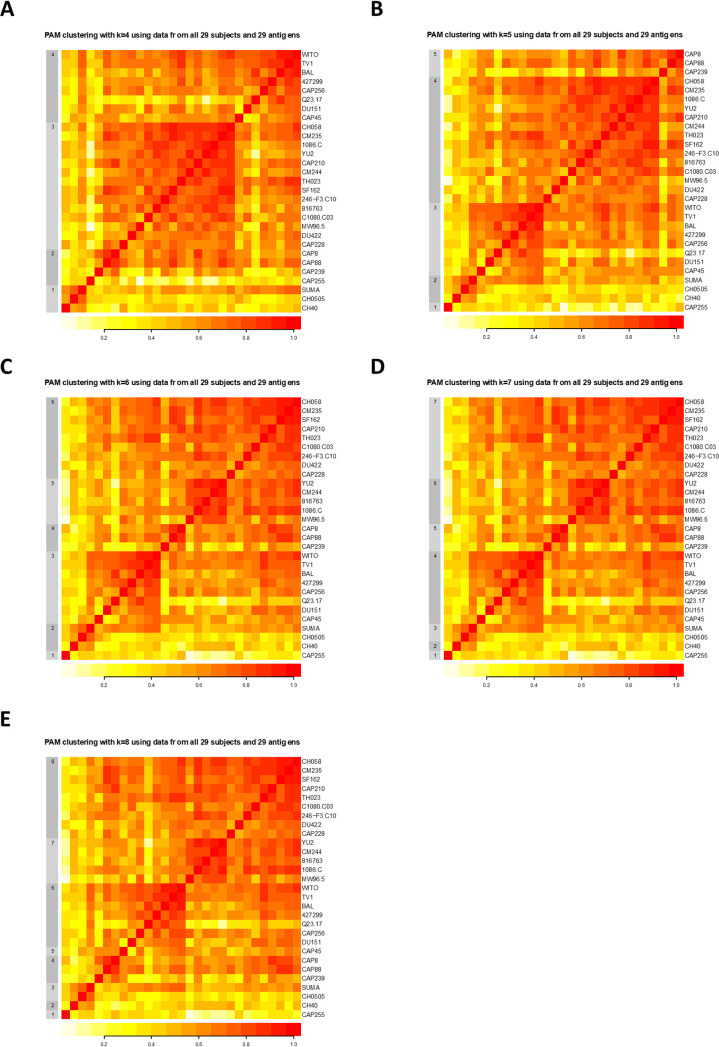
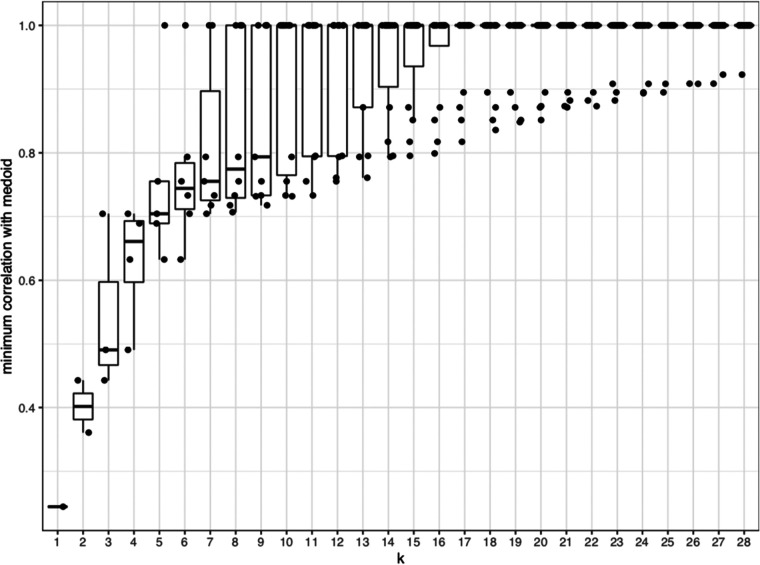
Antibody-dependent cellular cytotoxicity (ADCC) has been correlated with reduced risk of human immunodeficiency virus type 1 (HIV-1) infection in several preclinical vaccine trials and in the RV144 clinical trial, indicating that this is a relevant antibody function to study. Given the diversity of HIV-1, the breadth of vaccine-induced antibody responses is a critical parameter to understand if a universal vaccine is to be realized. Moreover, the breadth of ADCC responses can be influenced by different vaccine strategies and regimens, including adjuvants. Therefore, to accurately evaluate ADCC and to compare vaccine regimens, it is important to understand the range of HIV Envelope (Env) susceptibility to these responses. These evaluations have been limited because of the complexity of the assay and the lack of a comprehensive panel of viruses for the assessment of these humoral responses. Here, we used 29 HIV-1 infectious molecular clones (IMCs) representing different Envelope subtypes and circulating recombinant forms to characterize susceptibility to ADCC from antibodies in plasma from infected individuals, including 13 viremic individuals, 10 controllers, and six with broadly neutralizing antibody responses. We found in our panel that ADCC susceptibility of the IMCs in our panel did not cluster by subtype, infectivity, level of CD4 downregulation, level of shedding, or neutralization sensitivity. Using partitioning around medoids (PAM) clustering to distinguish smaller groups of IMCs with similar ADCC susceptibility, we identified nested panels of four to eight IMCs that broadly represent the ADCC susceptibility of the entire 29-IMC panel. These panels, together with reagents developed to specifically accommodate circulating viruses at the geographical sites of vaccine trials, will provide a powerful tool to harmonize ADCC data generated across different studies and to detect common themes of ADCC responses elicited by various vaccines. Antibody-dependent cellular cytotoxicity (ADCC) responses were found to correlate with reduced risk of infection in the RV144 trial of the only human HIV-1 vaccine to show any efficacy to date. However, reagents to understand the breadth and magnitude of these responses across preclinical and clinical vaccine trials remain underdeveloped. In this study, we characterize HIV-1 infectious molecular clones encoding 29 distinct Envelope strains (Env-IMCs) to understand factors that impact virus susceptibility to ADCC and use statistical methods to identify smaller nested panels of four to eight Env-IMCs that accurately represent the full set. These reagents can be used as standardized reagents across studies to fully understand how ADCC may affect efficacy of future vaccine studies and how studies differ in the breadth of responses developed.
抗体依赖的细胞细胞毒性(ADCC)与几种临床前疫苗试验和 RV144 临床试验中人类免疫缺陷病毒 1 型(HIV-1)感染风险降低相关,这表明这是一个值得研究的相关抗体功能。鉴于 HIV-1 的多样性,疫苗诱导的抗体反应的广度是理解是否能够实现通用疫苗的关键参数。此外,ADCC 反应的广度可以受到不同疫苗策略和方案的影响,包括佐剂。因此,为了准确评估 ADCC 并比较疫苗方案,了解这些反应对 HIV 包膜(Env)的敏感性范围非常重要。由于测定的复杂性以及缺乏用于评估这些体液反应的全面病毒组,这些评估受到限制。在这里,我们使用 29 种代表不同 Env 亚型和循环重组形式的 HIV-1 感染性分子克隆(IMC)来描述来自感染个体血浆中抗体对 ADCC 的敏感性,包括 13 名病毒血症个体、10 名控制器和 6 名具有广泛中和抗体反应的个体。我们在我们的研究小组中发现,我们研究小组中 IMC 的 ADCC 敏感性并没有按亚型、传染性、CD4 下调水平、脱落水平或中和敏感性聚类。使用中位数分区(PAM)聚类来区分具有相似 ADCC 敏感性的较小 IMC 组,我们确定了四个到八个 IMC 的嵌套面板,这些 IMC 广泛代表整个 29-IMC 面板的 ADCC 敏感性。这些面板以及为适应疫苗试验地理区域的循环病毒专门开发的试剂,将为跨不同研究协调 ADCC 数据并检测各种疫苗引发的 ADCC 反应的共同主题提供有力工具。在迄今为止唯一显示出任何疗效的人类 HIV-1 疫苗的 RV144 试验中,抗体依赖的细胞细胞毒性(ADCC)反应被发现与感染风险降低相关。然而,用于了解临床前和临床疫苗试验中这些反应的广度和幅度的试剂仍在开发中。在这项研究中,我们对编码 29 种不同 Env 株的 HIV-1 感染性分子克隆(Env-IMC)进行了特征描述,以了解影响病毒对 ADCC 敏感性的因素,并使用统计方法识别出四个到八个 Env-IMC 的较小嵌套面板,这些面板准确代表了整个集合。这些试剂可以在研究中用作标准化试剂,以充分了解 ADCC 如何影响未来疫苗研究的疗效,以及研究在开发的反应广度方面的差异。