Department of Cell and Molecular Biology, St. Jude Children's Research Hospital, Memphis, TN 38105, USA.
Department of Structural Biology, St. Jude Children's Research Hospital, Memphis, TN 38105, USA.
Science. 2021 Jun 25;372(6549):eabc3593. doi: 10.1126/science.abc3593. Epub 2021 Aug 5.
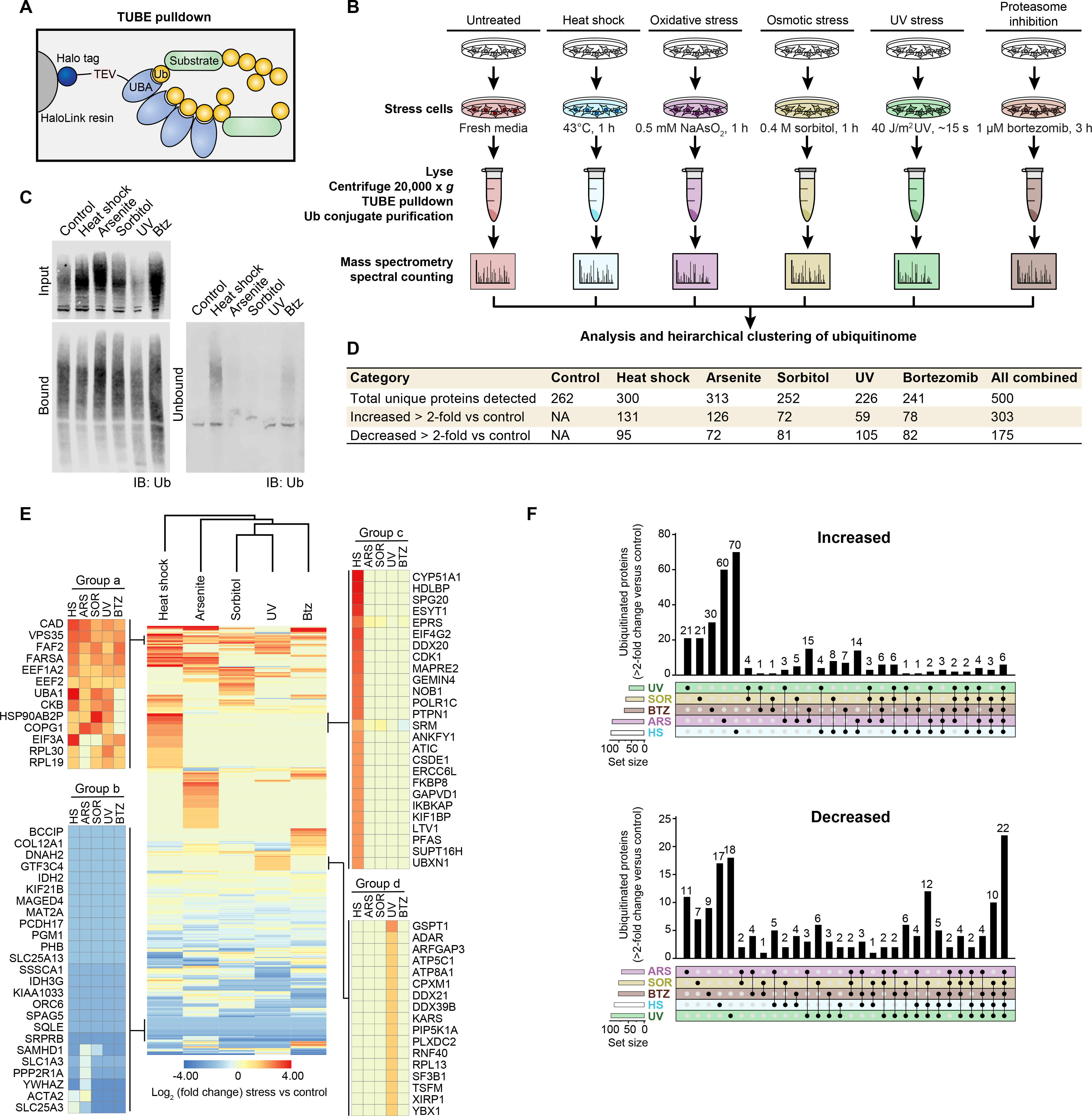
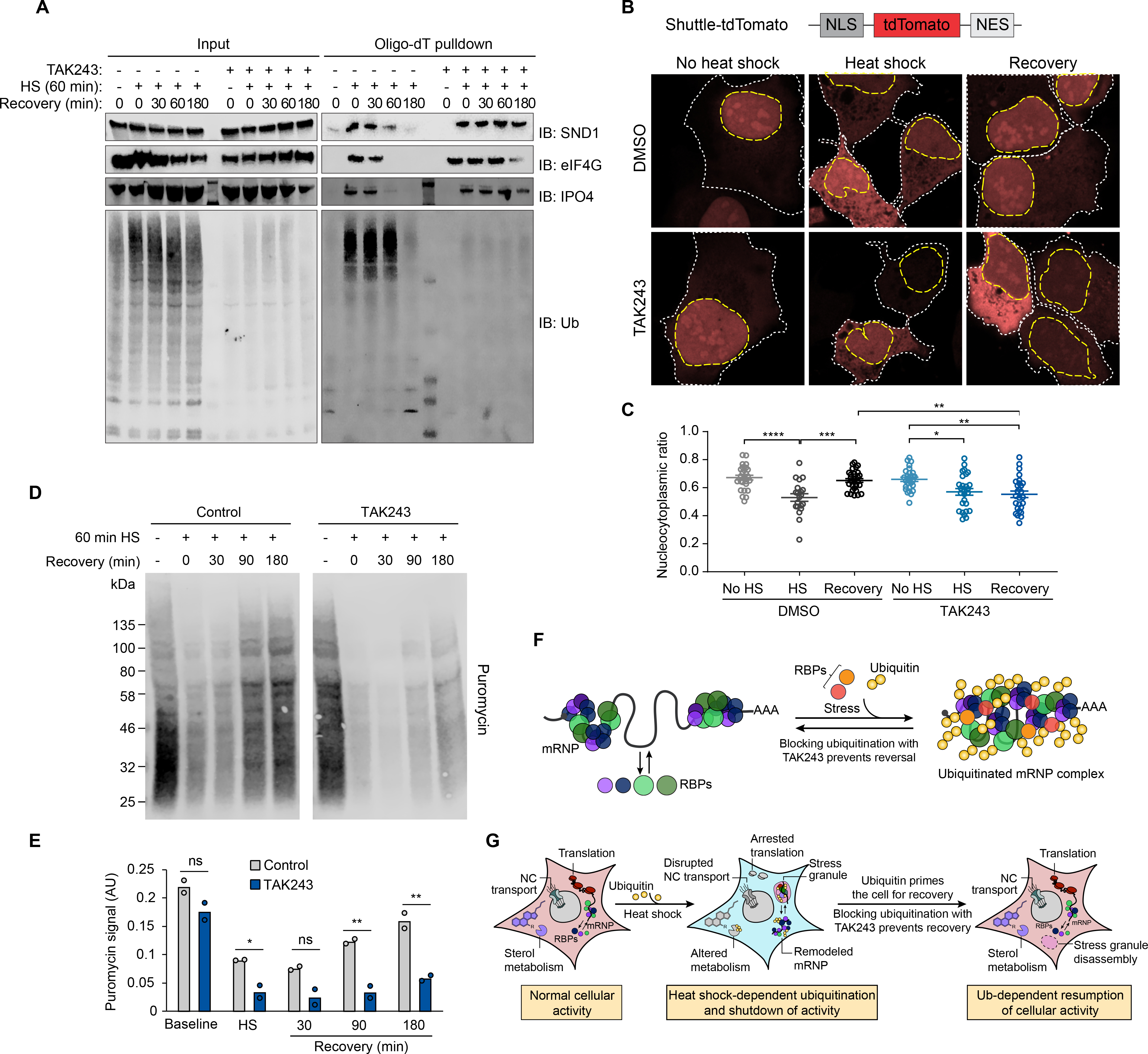
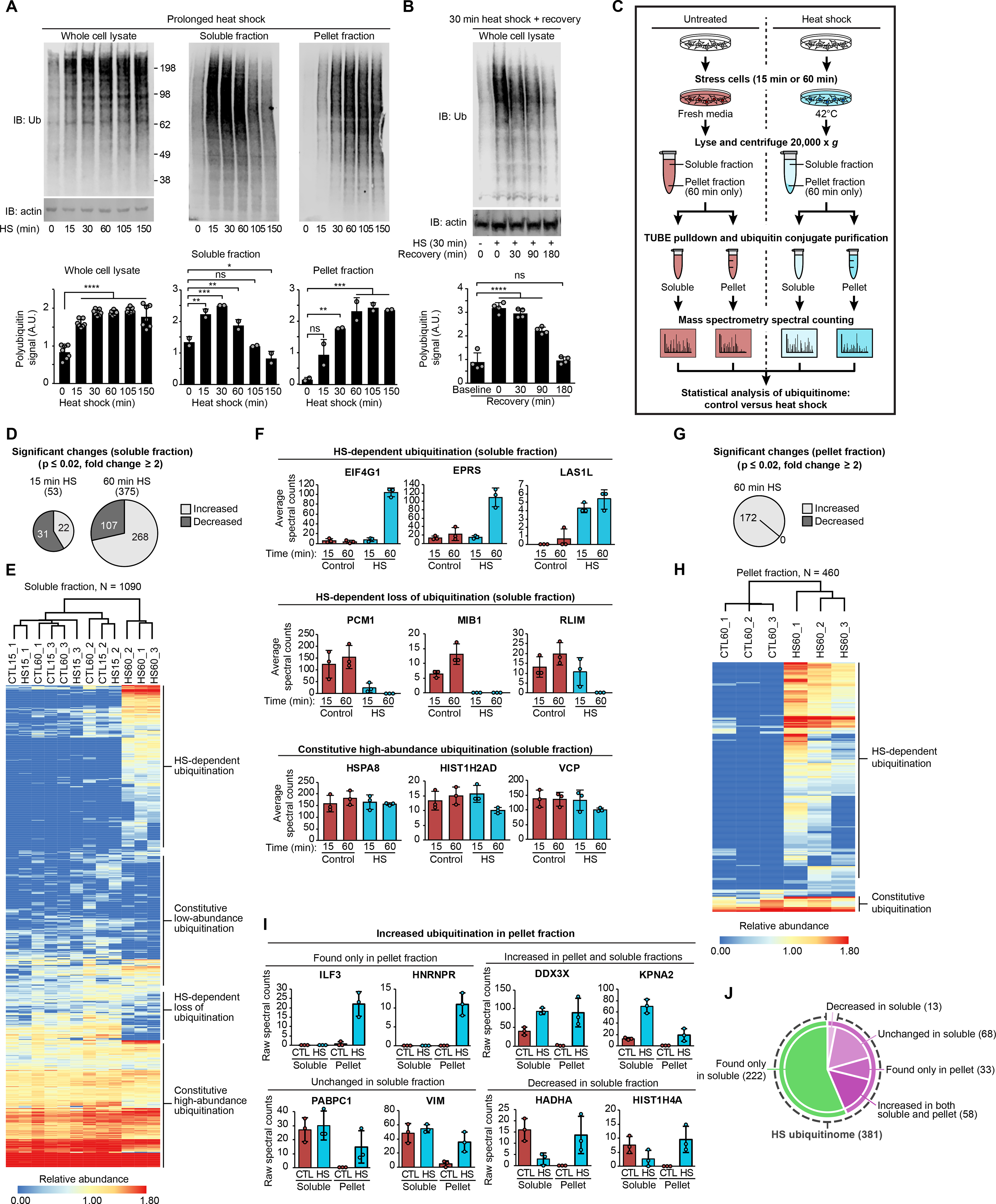
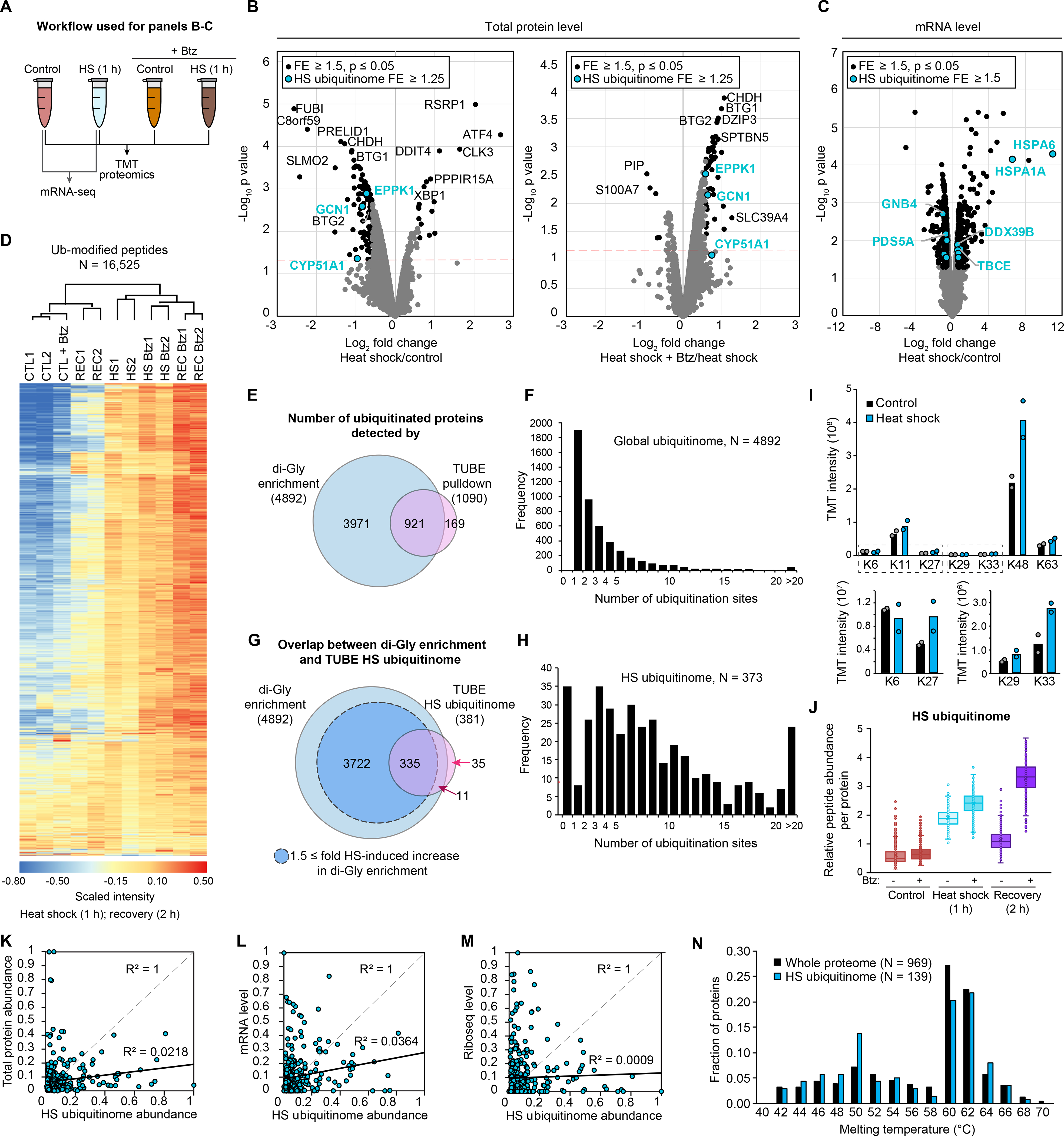
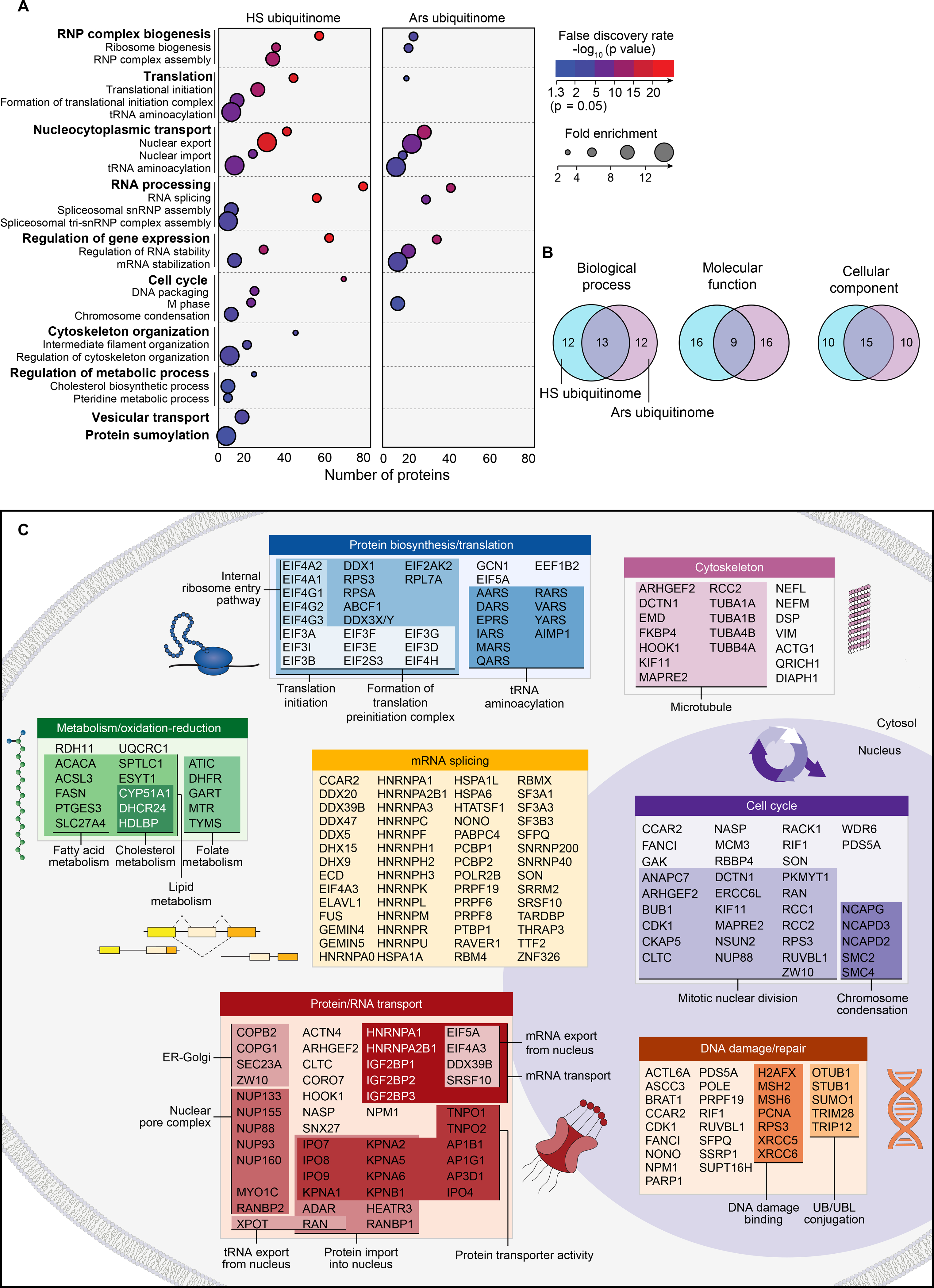
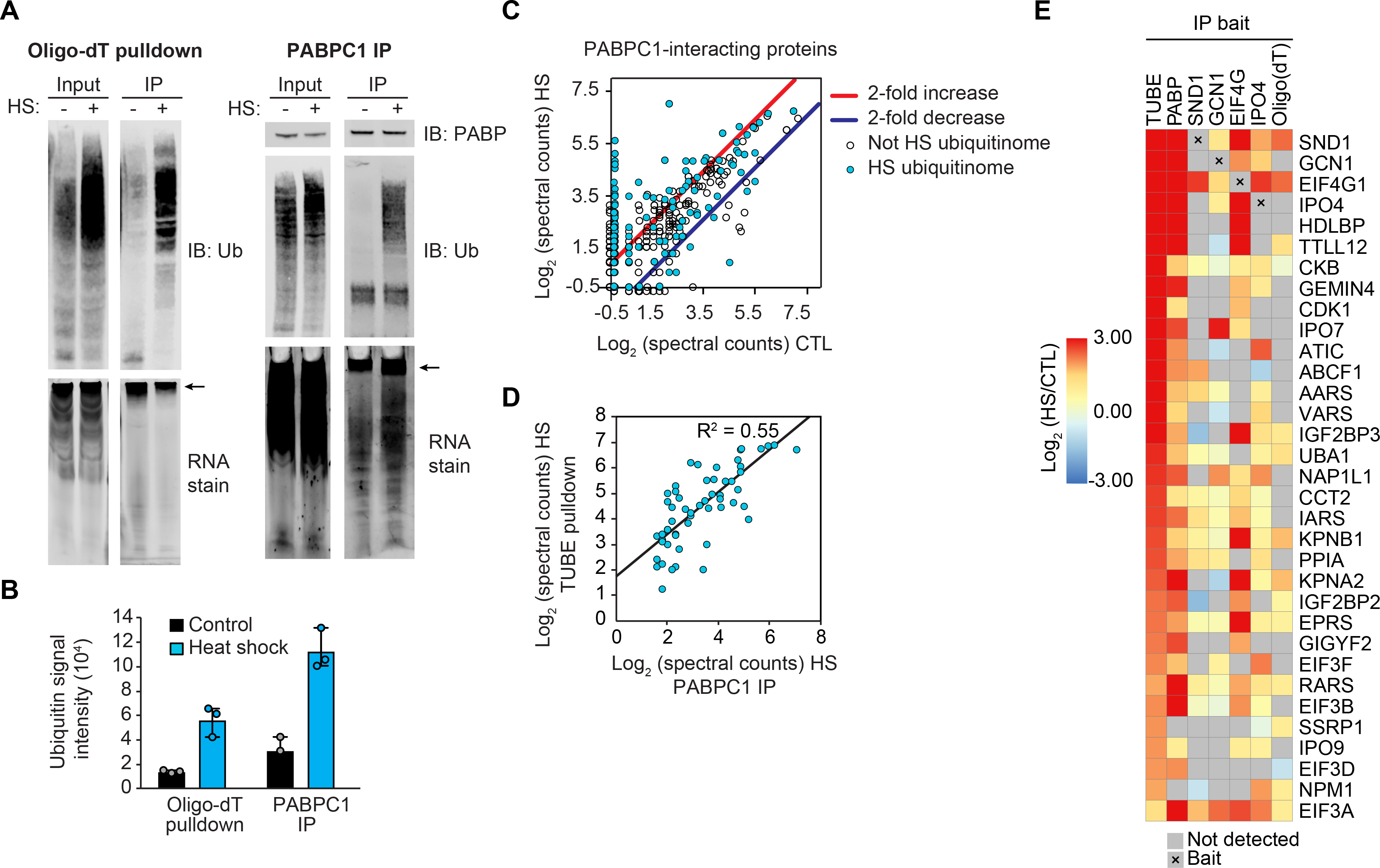
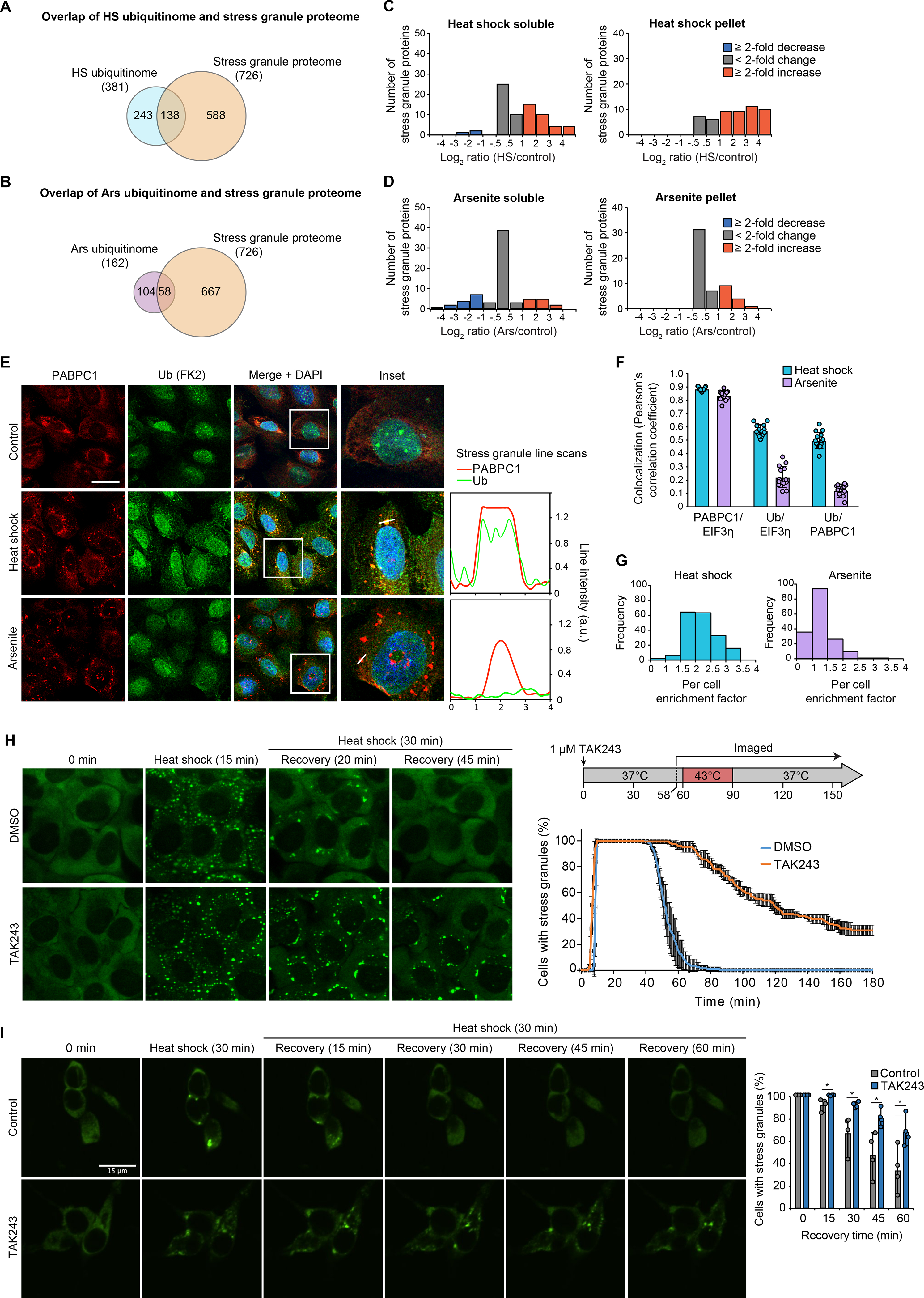
Eukaryotic cells respond to stress through adaptive programs that include reversible shutdown of key cellular processes, the formation of stress granules, and a global increase in ubiquitination. The primary function of this ubiquitination is thought to be for tagging damaged or misfolded proteins for degradation. Here, working in mammalian cultured cells, we found that different stresses elicited distinct ubiquitination patterns. For heat stress, ubiquitination targeted specific proteins associated with cellular activities that are down-regulated during stress, including nucleocytoplasmic transport and translation, as well as stress granule constituents. Ubiquitination was not required for the shutdown of these processes or for stress granule formation but was essential for the resumption of cellular activities and for stress granule disassembly. Thus, stress-induced ubiquitination primes the cell for recovery after heat stress.
真核细胞通过适应性程序对压力做出反应,其中包括关键细胞过程的可逆关闭、应激颗粒的形成以及泛素化的整体增加。这种泛素化的主要功能被认为是标记受损或错误折叠的蛋白质以进行降解。在这里,我们在哺乳动物培养细胞中发现,不同的应激会引起不同的泛素化模式。对于热应激,泛素化靶向与应激期间下调的细胞活动相关的特定蛋白质,包括核质转运和翻译,以及应激颗粒成分。这些过程的关闭或应激颗粒的形成并不需要泛素化,但对于细胞活动的恢复和应激颗粒的解体是必不可少的。因此,应激诱导的泛素化使细胞在热应激后做好恢复的准备。