Department of Systems Biology, Columbia University, New York, NY, USA.
Department of Systems Biology, Columbia University, New York, NY, USA; Department of Pathology and Cell Biology, Columbia University, New York, NY, USA.
Curr Opin Microbiol. 2022 Feb;65:47-55. doi: 10.1016/j.mib.2021.10.009. Epub 2021 Oct 30.
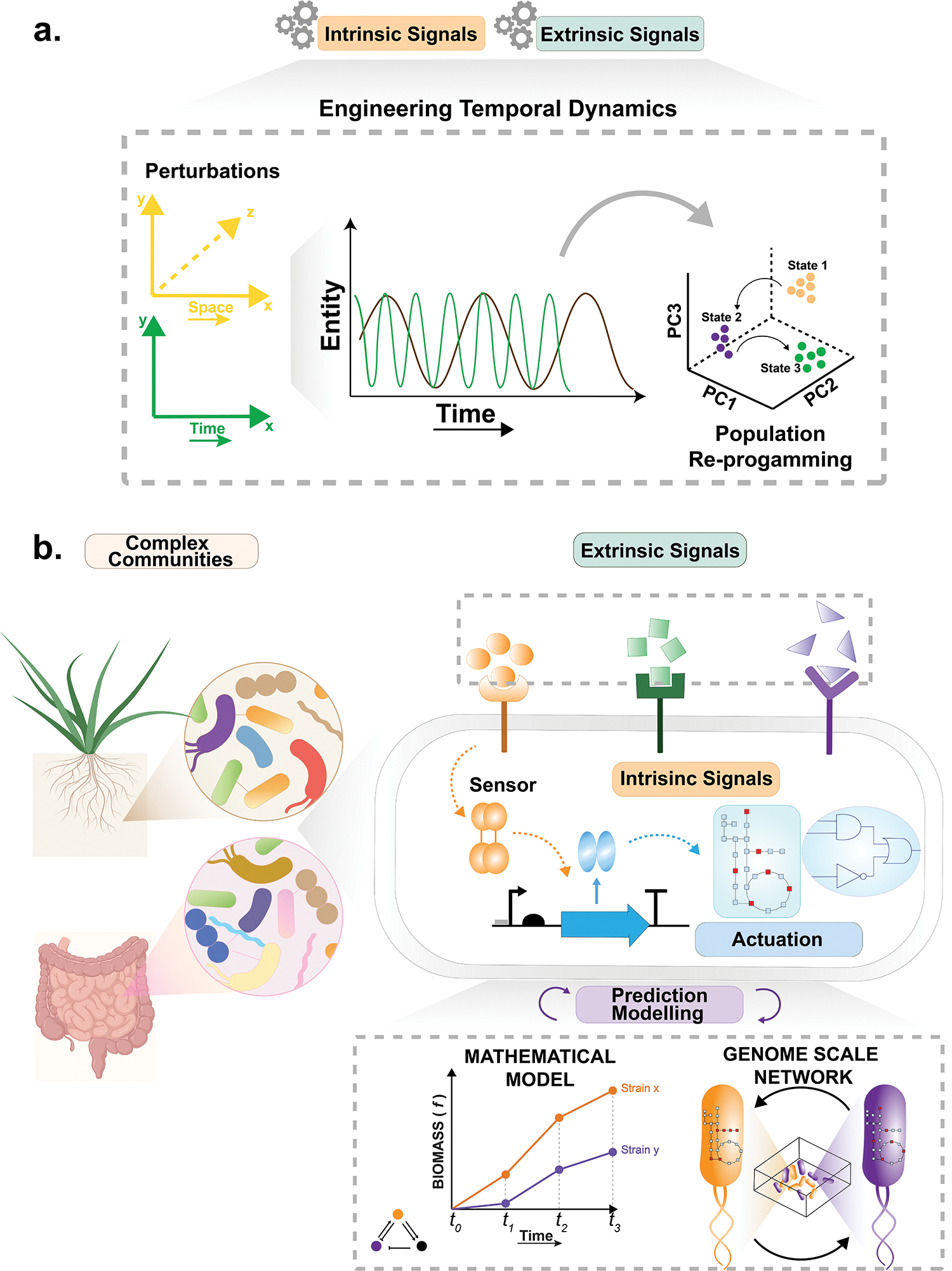
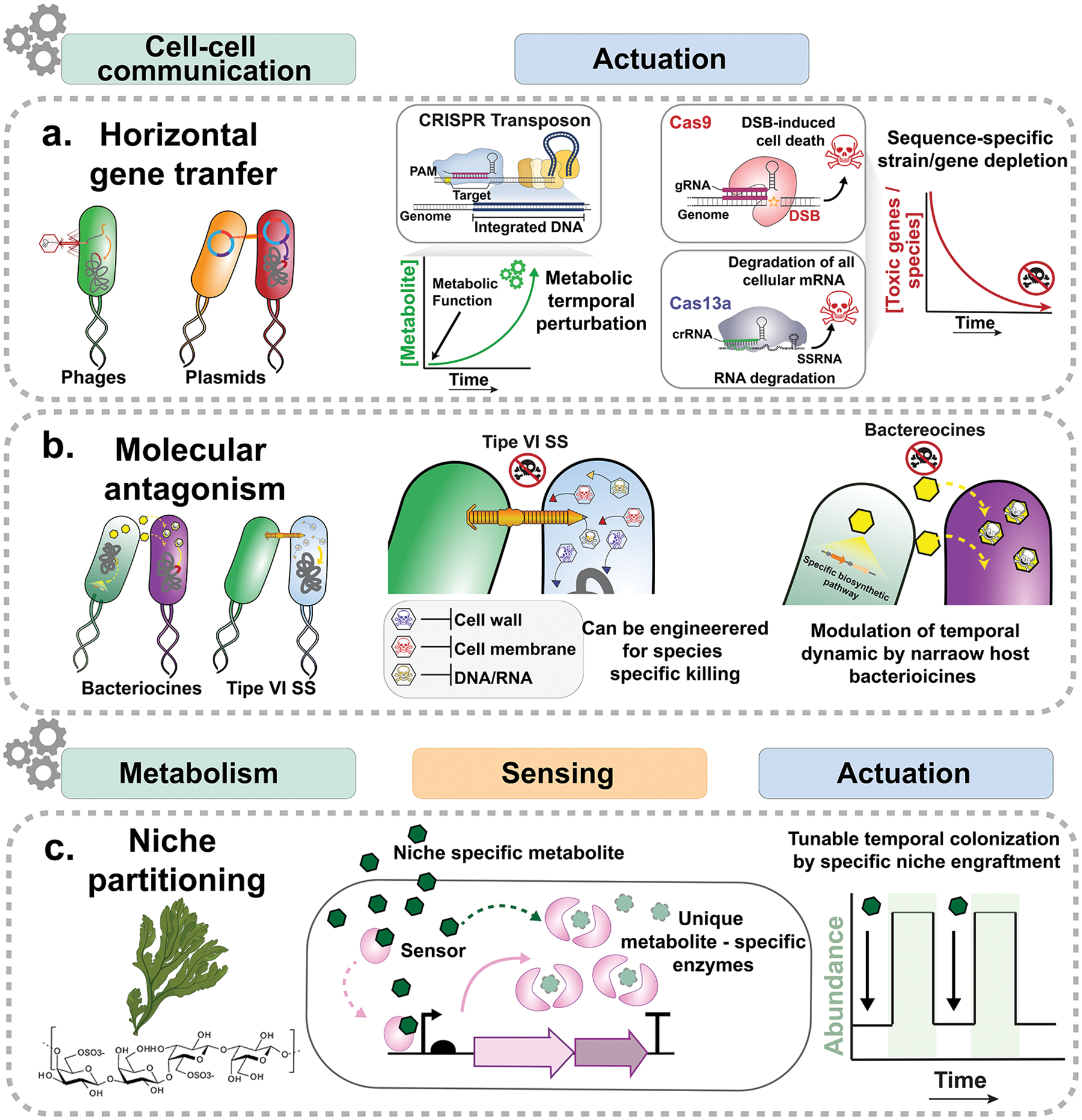
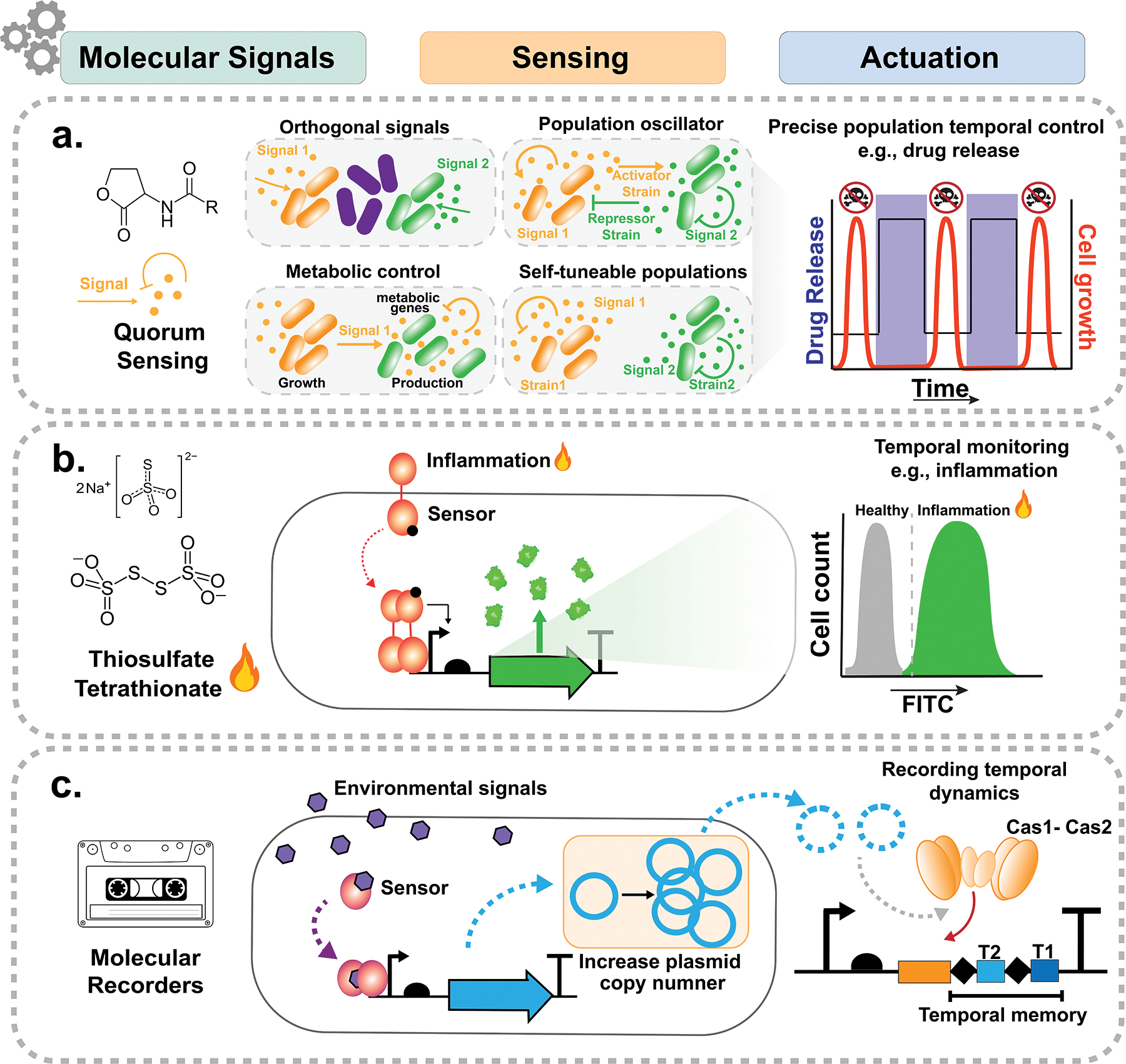
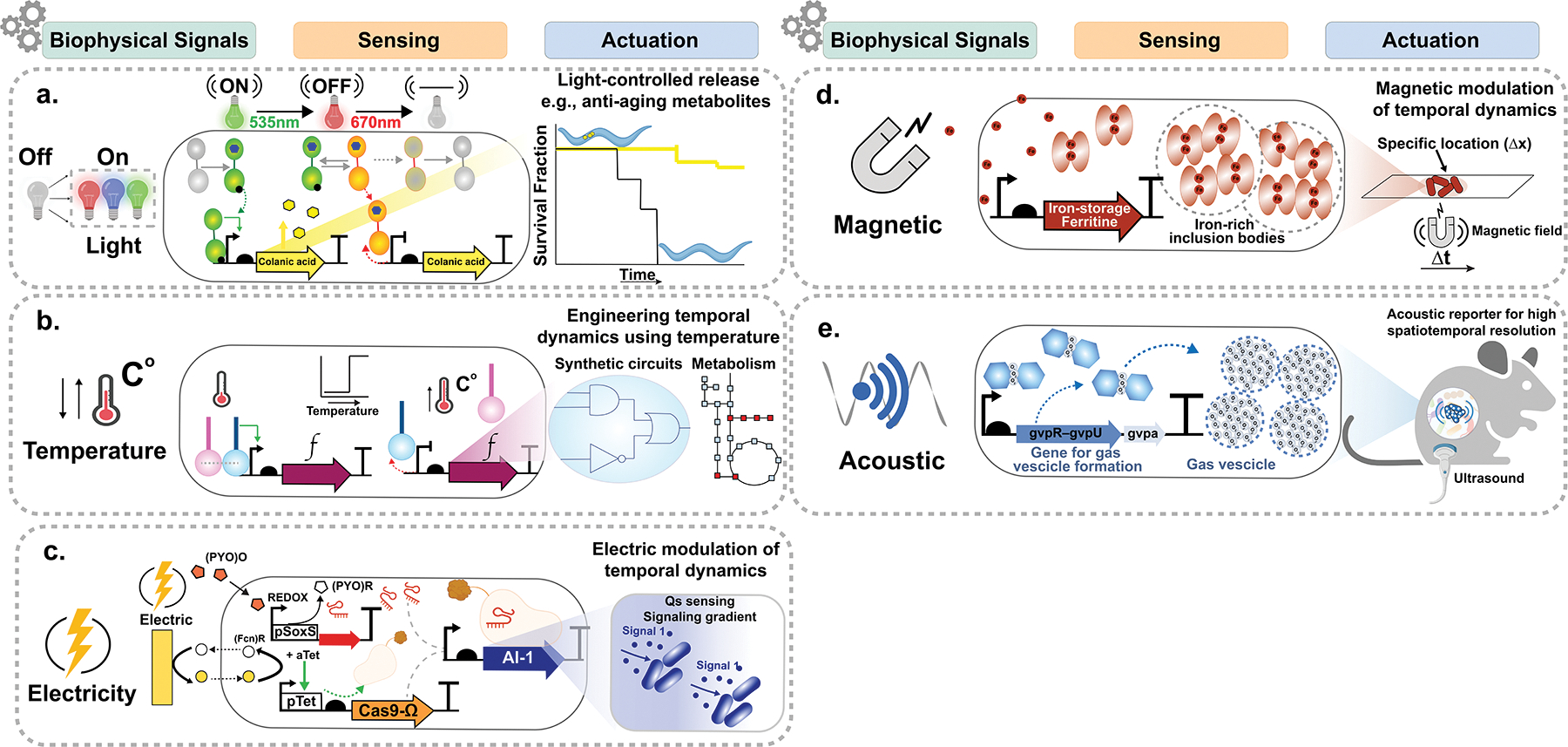
Microbial communities are a key part to tackling global challenges in human health, environmental conservation, and sustainable agriculture in the coming decade. Recent advances in synthetic biology to study and modify microbial communities have led to important insights into their physiology and ecology. Understanding how targeted changes to microbial communities result in reproducible alterations of the community's intrinsic fluctuations and function is important for mechanistic reconstruction of microbiomes. Studies of synthetic microbial consortia and comparative analysis of communities in normal and disrupted states have revealed ecological principles that can be leveraged to engineer communities towards desired functions. Tools enabling temporal modulation and sensing of the community dynamics offer precise spatiotemporal control of functions, help to dissect microbial interaction networks, and improve predictions of population temporal dynamics. Here we discuss recent advances to manipulate microbiome dynamics through control of specific strain engraftment and abundance, modulation of cell-cell signaling for tuning population dynamics, infiltration of new functions in the existing community with in situ engineering, and in silico modeling of microbial consortia to predict community function and ecology.
微生物群落是未来十年解决人类健康、环境保护和可持续农业领域全球挑战的关键因素。近年来,合成生物学在研究和改造微生物群落方面取得了进展,使我们对其生理学和生态学有了更深入的了解。了解针对微生物群落的靶向改变如何导致群落内在波动和功能的可重复改变,对于微生物组的机制重建很重要。合成微生物联合体的研究和正常及失调状态下群落的比较分析揭示了可用于将群落工程设计为期望功能的生态原则。能够对群落动态进行时间调制和感应的工具提供了对功能的精确时空控制,有助于剖析微生物相互作用网络,并提高对种群时间动态的预测。在这里,我们讨论了通过控制特定菌株的定植和丰度来操纵微生物组动态、通过调节细胞间信号传递来调节种群动态、利用原位工程在现有群落中渗透新功能以及通过计算模型对微生物联合体进行模拟以预测群落功能和生态的最新进展。