Changchun University of Chinese Medicine, Changchun 130021, Jilin Province, P.R. China.
Shenzhen Hospital, Guangzhou University of Chinese Medicine (Futian), Shenzhen 518000, Guangdong Province, P.R. China.
Aging (Albany NY). 2021 Nov 5;13(21):24290-24312. doi: 10.18632/aging.203679.
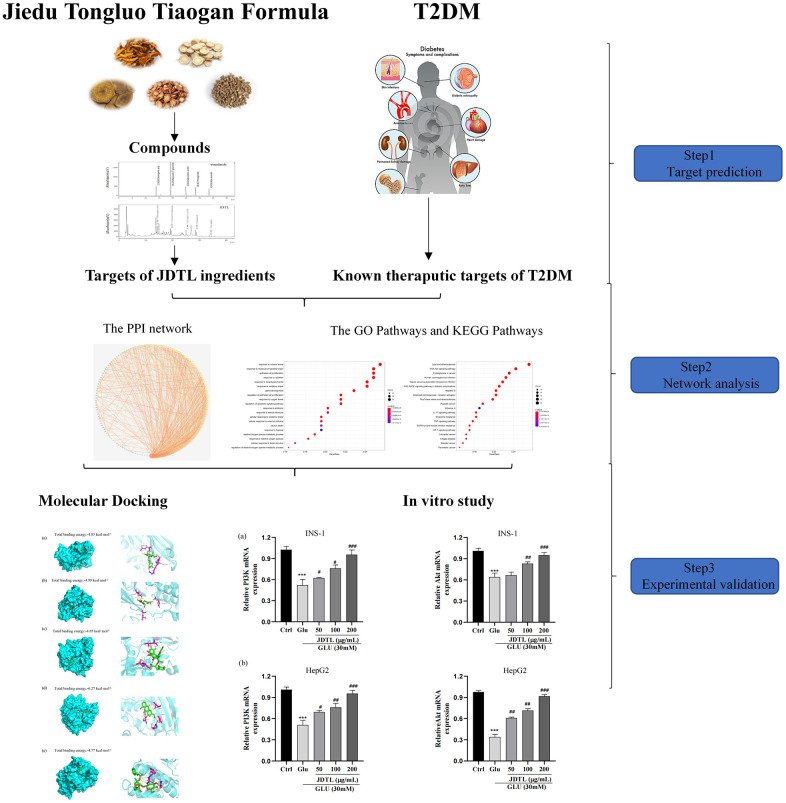
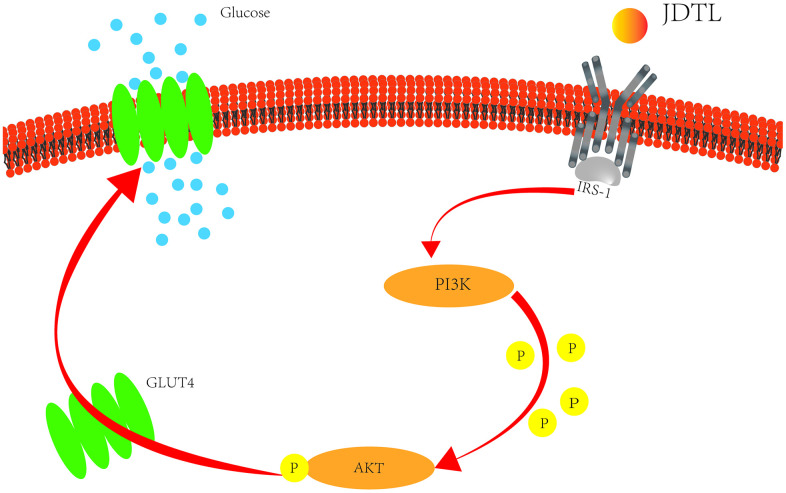
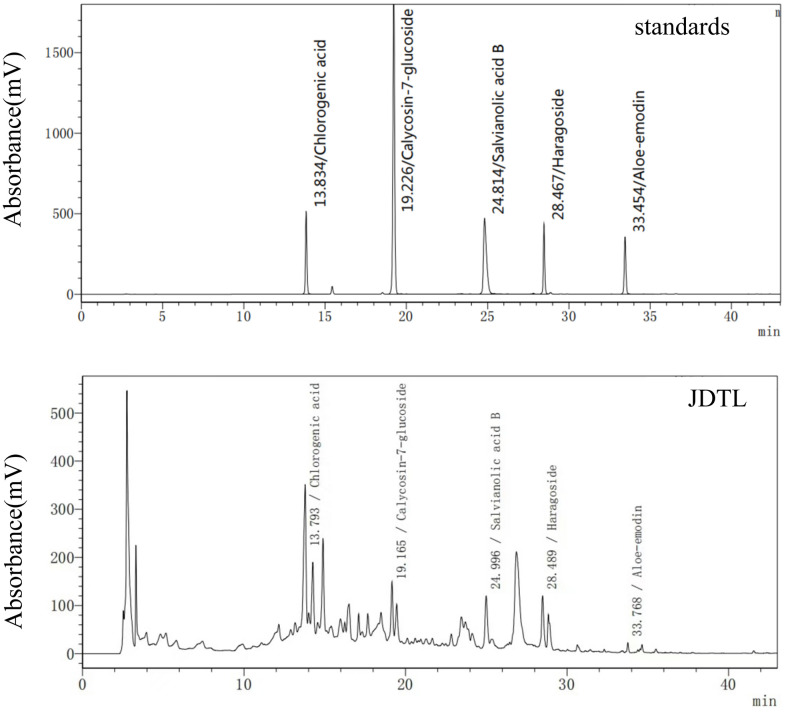
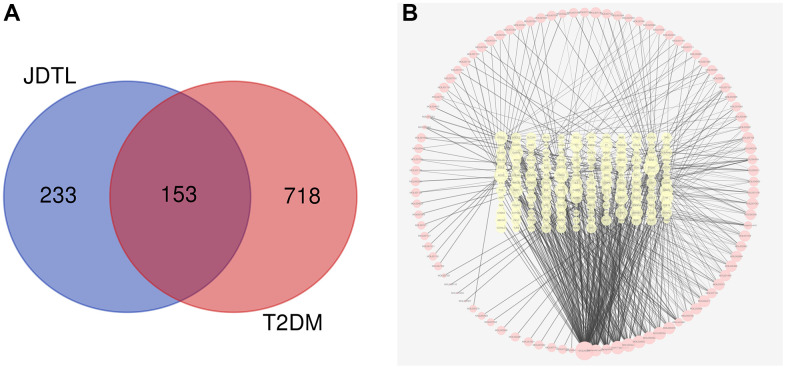
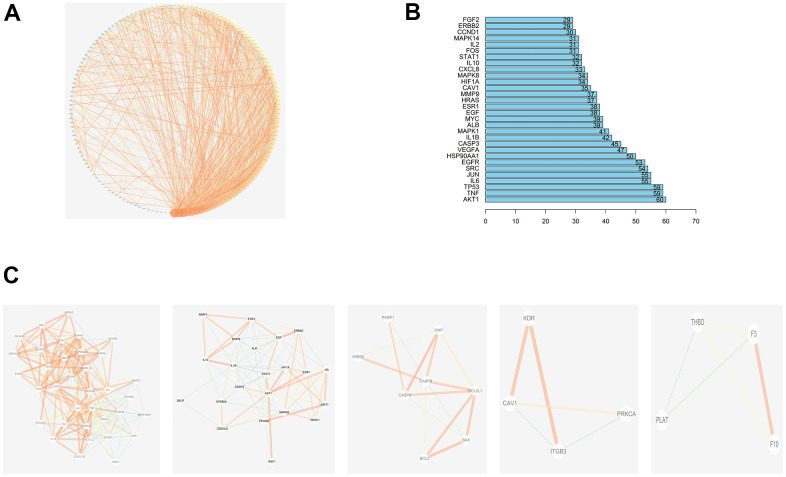
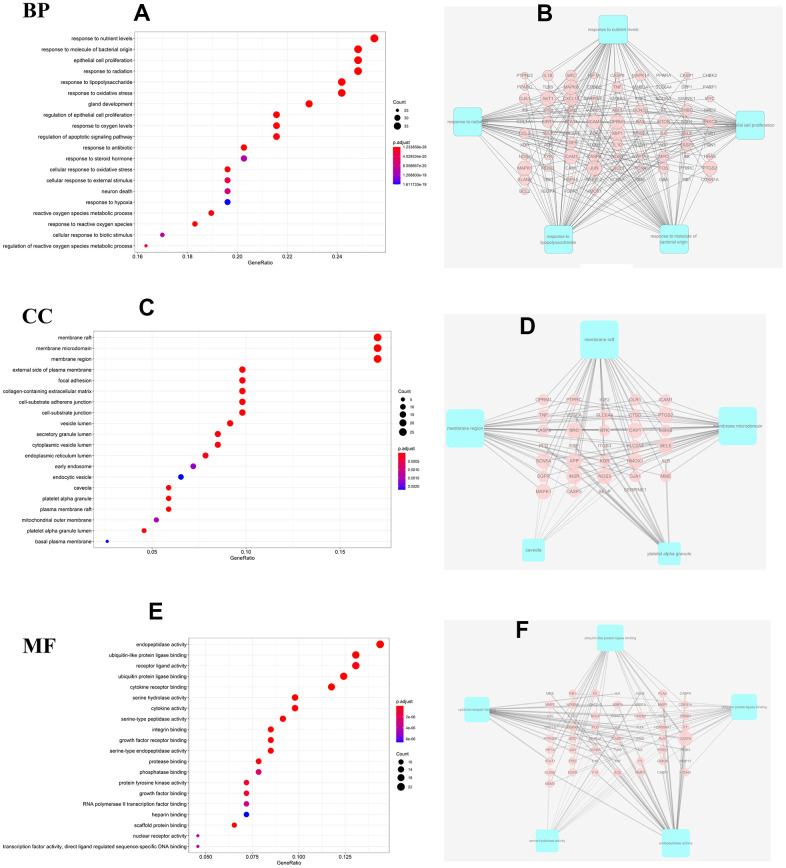
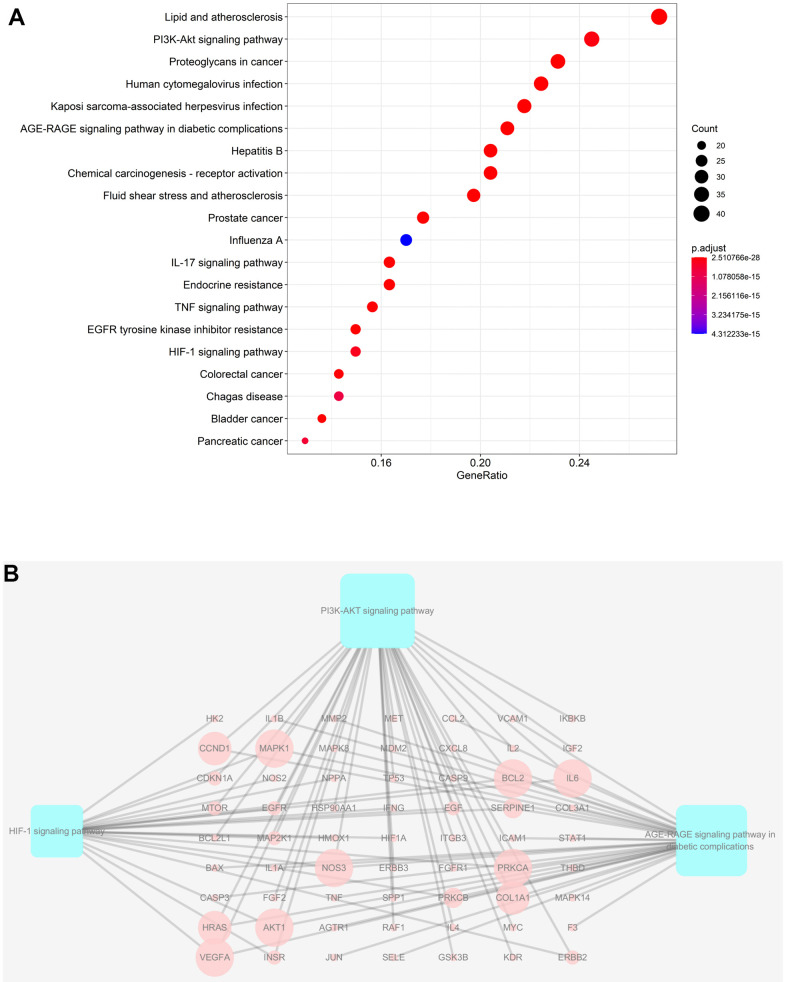
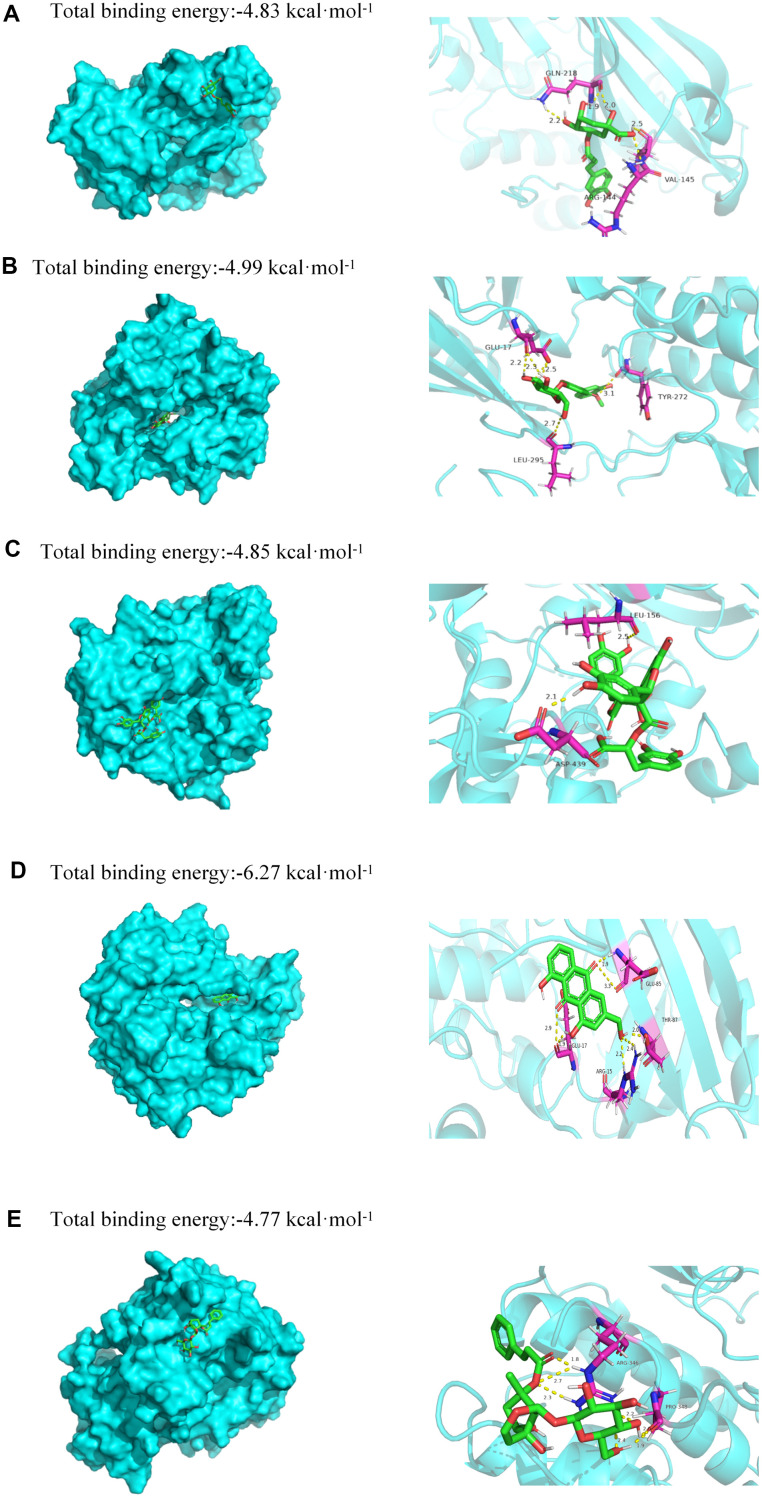
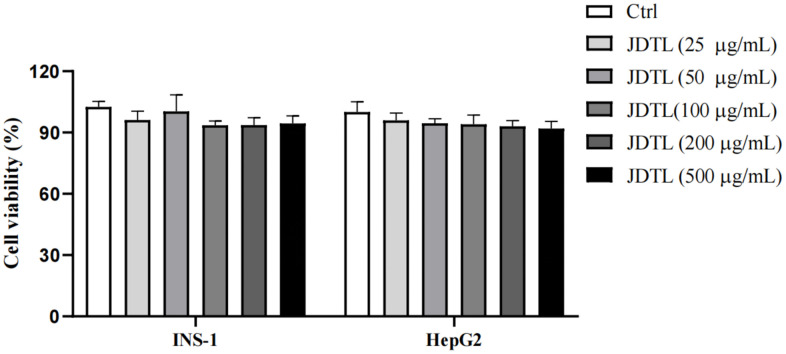
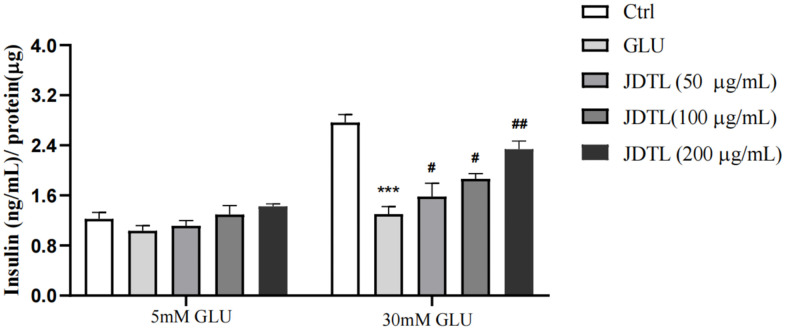
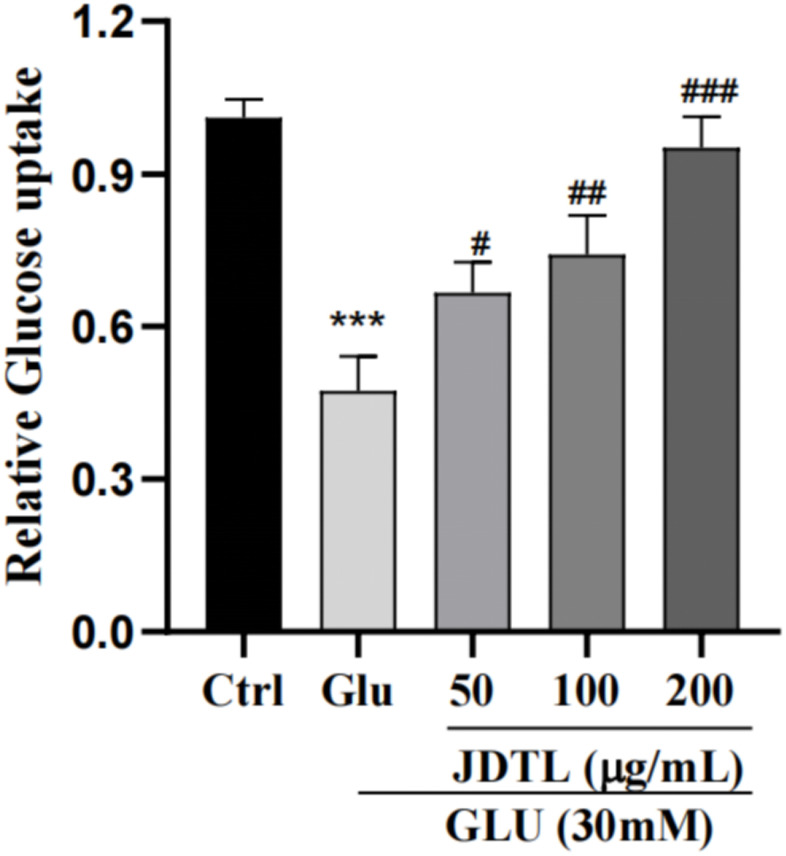
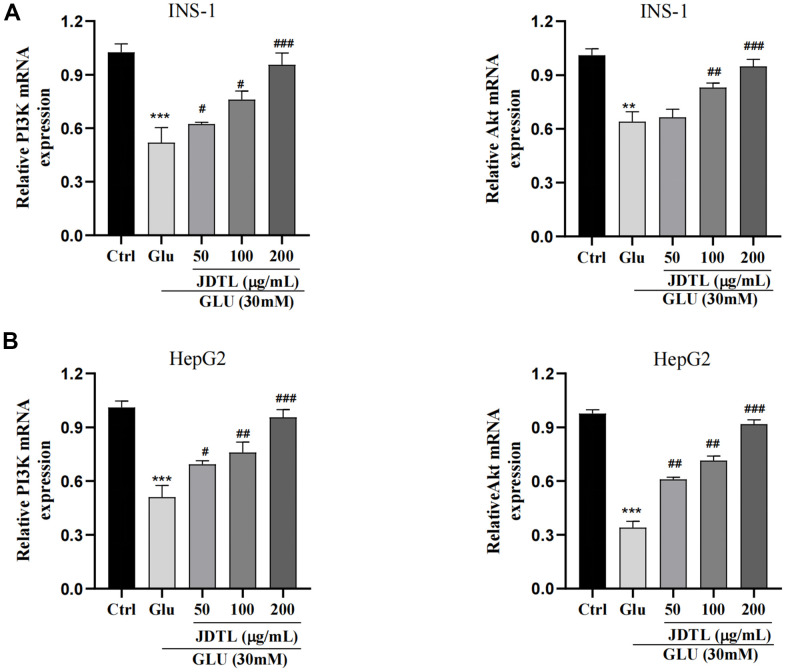
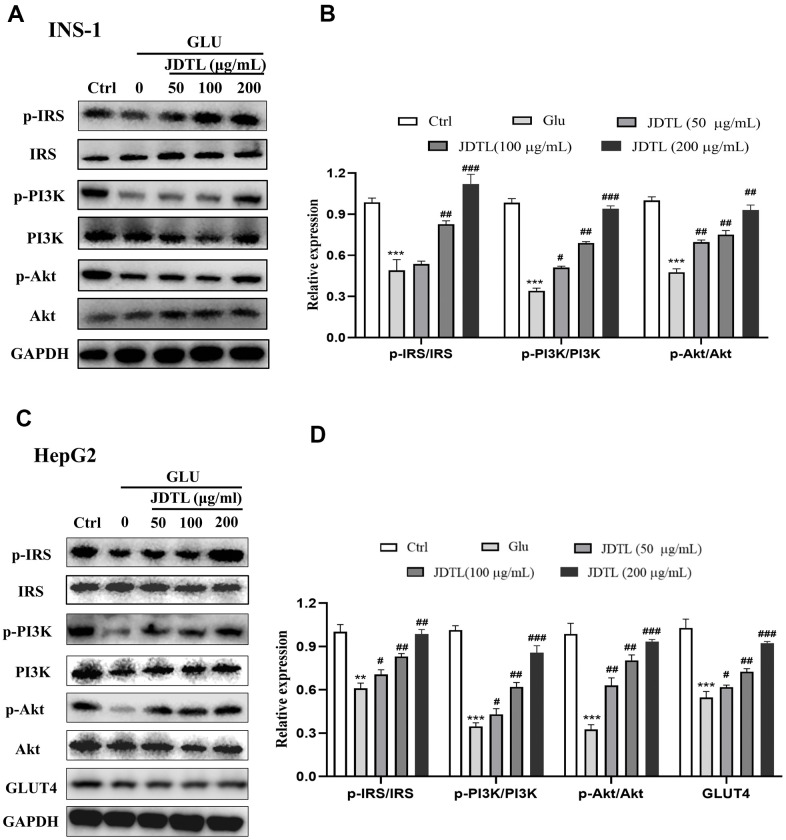
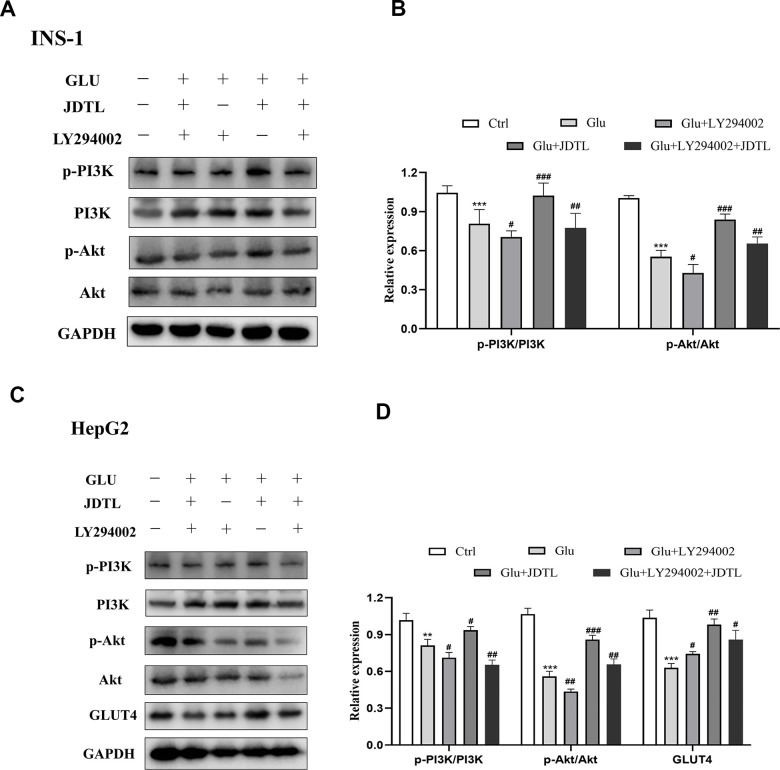
Type 2 diabetes mellitus (T2DM), a chronic low-grade inflammatory disease with high morbidity and mortality, is a serious threat to public health. Previously we demonstrated that a traditional Chinese medicine formulation, Jiedu Tongluo Tiaogan Formula (JDTL), exerted a favorable hypoglycemic effect due to unknown molecular mechanisms involving interactions among JDTL compounds and various cellular components. This study aimed to explore JDTL mechanisms for alleviating hyperglycemia using an integrated strategy incorporating system pharmacology, bioinformatics analysis, and experimental verification. This strategy entailed initial elucidation of JDTL chemical composition using fingerprint analysis via high performance liquid chromatography (HPLC). Next, functions of putative shared target genes and associated pathways were deduced using GO and KEGG pathway enrichment and molecular docking analyses. Ultimately, targets associated with JTDL anti-T2DM effects were found to be functionally associated with biological functions related to lipopolysaccharide and cytokine receptor binding. These results implicated PI3K-Akt signaling pathway involvement in JDTL anti-T2DM effects, as this pathway had been previously shown to play significant roles in glucose and lipid metabolism-related diseases. Furthermore, addition of JDTL to INS-1 and HepG2 cell cultures stimulated cellular mRNA-level and protein-level expression leading to enhanced production of IRS1, Akt, and PI3K. In summary, here JDTL bioactive ingredients, potential targets, and molecular mechanisms underlying JDTL anti-T2DM effects were identified using a multi-component, multi-target, and multi-channel analytical approach, thus providing an important scientific foundation to facilitate development of new drugs mechanistic strategies for preventing and treating T2DM.
2 型糖尿病(T2DM)是一种慢性低度炎症性疾病,具有高发病率和死亡率,严重威胁着公众健康。我们之前的研究表明,一种中药配方解毒通络调肝方(JDTL)由于其涉及 JDTL 化合物与各种细胞成分相互作用的未知分子机制,具有良好的降血糖作用。本研究旨在采用整合系统药理学、生物信息学分析和实验验证的策略,探索 JDTL 缓解高血糖的机制。该策略首先通过高效液相色谱法(HPLC)指纹分析初步阐明 JDTL 的化学成分。接下来,使用 GO 和 KEGG 途径富集和分子对接分析推断潜在共享靶基因和相关途径的功能。最终,与 JTDL 抗 T2DM 作用相关的靶标被发现与与脂多糖和细胞因子受体结合相关的生物学功能相关。这些结果表明 PI3K-Akt 信号通路参与 JDTL 抗 T2DM 作用,因为该通路先前已被证明在葡萄糖和脂质代谢相关疾病中发挥重要作用。此外,在 INS-1 和 HepG2 细胞培养物中加入 JDTL 可刺激细胞 mRNA 水平和蛋白水平的表达,从而增强 IRS1、Akt 和 PI3K 的产生。总之,本研究采用多成分、多靶点、多通道分析方法,鉴定了 JDTL 的生物活性成分、潜在靶点和分子机制,为开发预防和治疗 T2DM 的新药物机制策略提供了重要的科学依据。