Zhao Chengwen, Liu Yonghui, Ju Shaoqing, Wang Xudong
Department of Laboratory Medicine, Affiliated Hospital of Nantong University, Nantong, Jiangsu, People's Republic of China.
Department of Public Health, Nantong University, Nantong, Jiangsu, People's Republic of China.
Int J Gen Med. 2021 Oct 29;14:7411-7422. doi: 10.2147/IJGM.S331752. eCollection 2021.
Fat mass and obesity-associated protein (FTO) is a critical N6-methyladenosine (m6A) demethylase that participates in tumorigenesis and is associated with the prognosis of patients in some cancers. However, the key roles of FTO in pan-cancer are still largely obscure.
FTO expression levels in pan-cancer were estimated via the Genotype-Tissue Expression (GTEx), Cancer Cell Line Encyclopedia (CCLE), and The Cancer Genome Atlas (TCGA) databases. Univariate survival analysis was used to estimate the effects of FTO on prognosis. In addition, we used the Tumor Immune Evaluation Resource (TIMER) to assess the immune cell infiltration of FTO gene across cancers. The association of FTO expression with immune checkpoint genes expression, DNA mismatch repair (MMR) gene mutation, DNA methyltransferases, microsatellite instability (MSI), and tumor mutational burden (TMB) was investigated using Spearman's correlation analysis. Moreover, Gene Set Enrichment Analysis (GSEA) was utilized to identify critical pathways in cancers. The STRING website was used to reveal the protein-protein interaction (PPI) network of FTO.
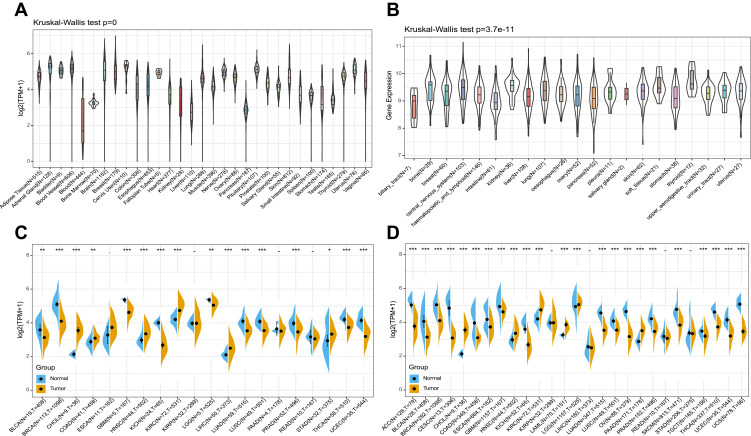
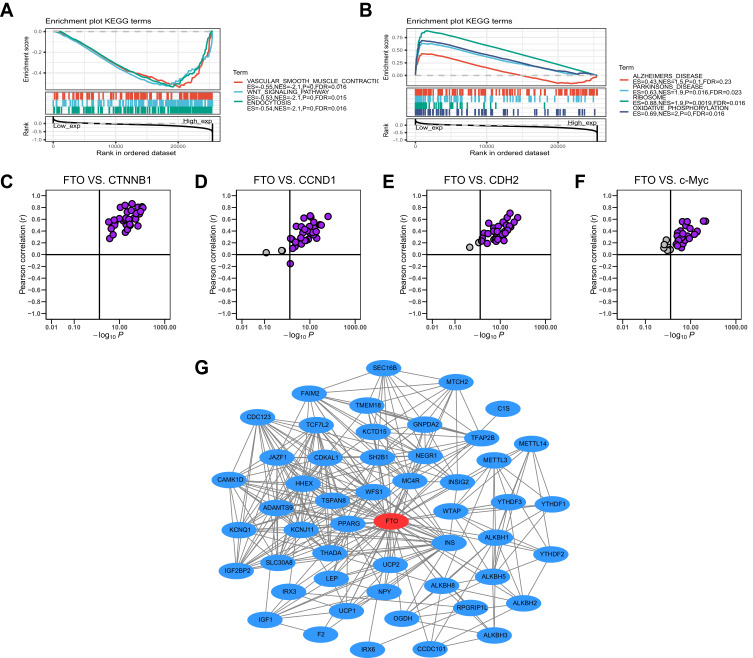
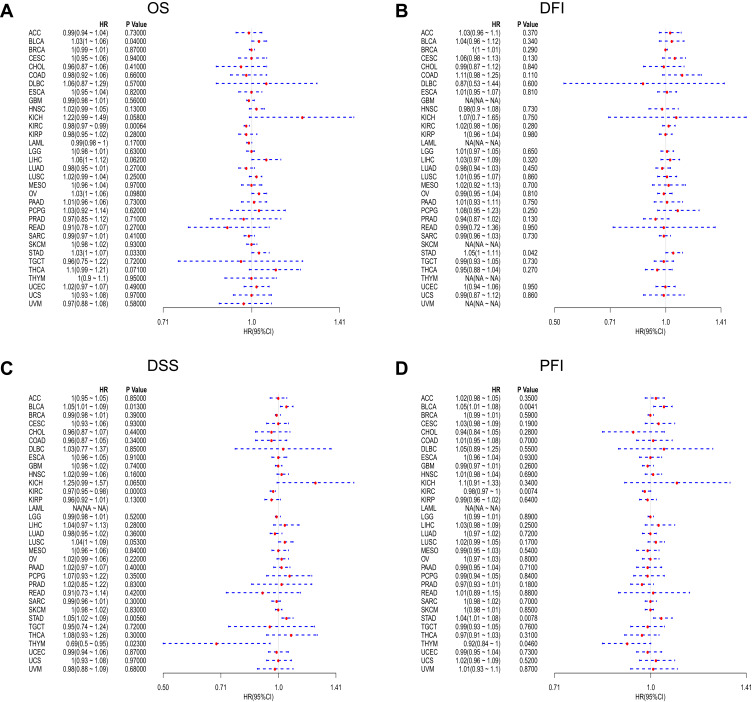
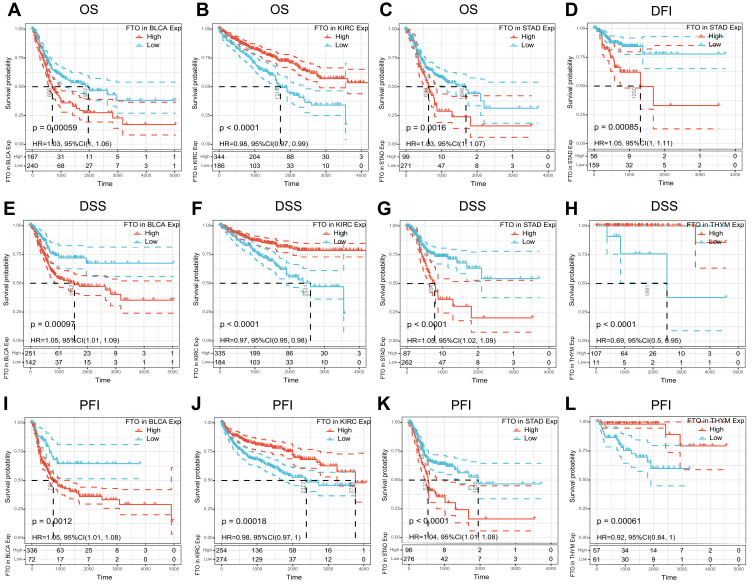
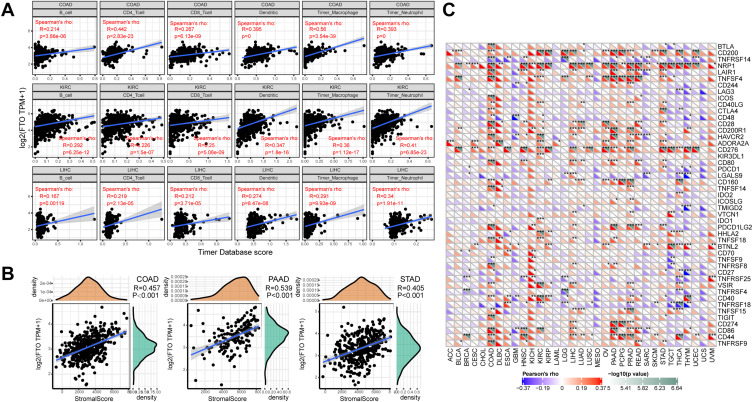
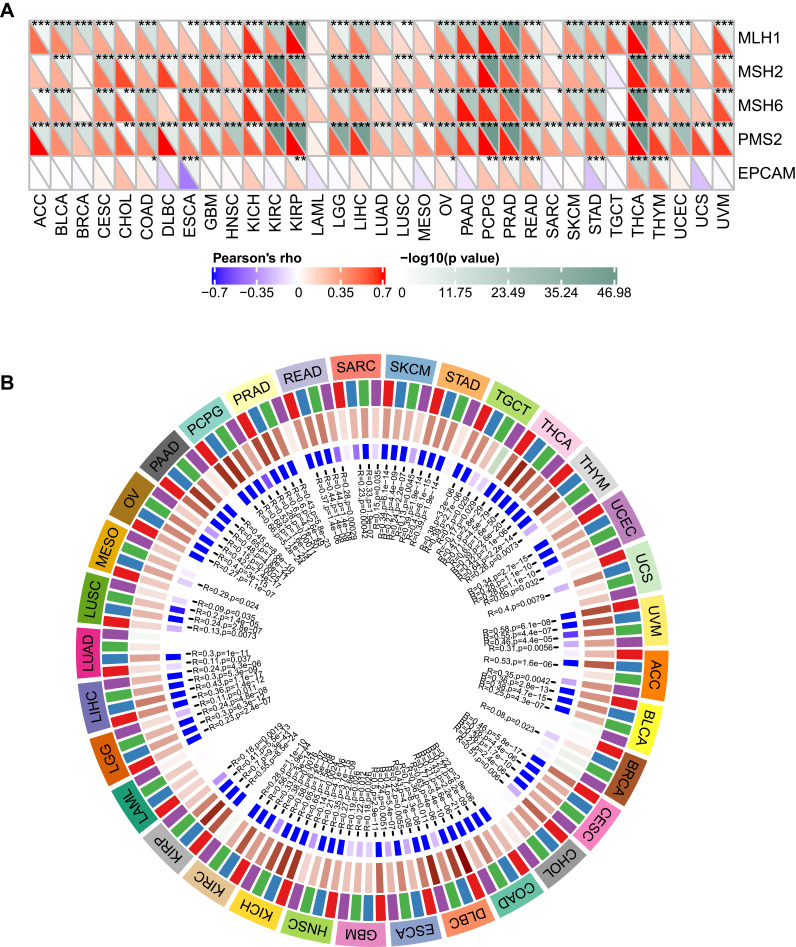
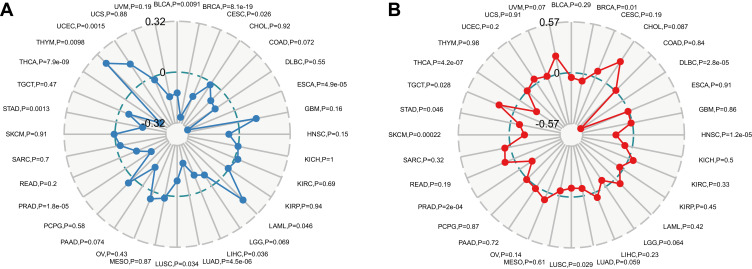
FTO was aberrantly expressed across cancers and survival analysis demonstrated that its expression was associated with clinical prognosis of many cancer patients. Specifically, FTO expression was significantly associated with immune infiltrating cells in colon adenocarcinoma, kidney renal clear cell carcinoma, and liver hepatocellular carcinoma. In addition, FTO expression was significantly associated with immune checkpoint genes expression, MMR, DNA methyltransferases levels, TMB, and MSI in multiple cancers. Moreover, the GSEA unveiled that FTO was involved in the regulation of tumors and immune-related signaling pathways. In addition, several m6A related genes were implicated in the PPI network of FTO.
FTO was related to patients' prognosis and tumor immune infiltrates in various cancers, and may serve as a novel and potential prognostic and immune biomarker in human pan-cancer.
脂肪量与肥胖相关蛋白(FTO)是一种关键的N6-甲基腺苷(m6A)去甲基化酶,参与肿瘤发生,且在某些癌症中与患者预后相关。然而,FTO在泛癌中的关键作用仍 largely obscure。
通过基因型-组织表达(GTEx)、癌细胞系百科全书(CCLE)和癌症基因组图谱(TCGA)数据库评估泛癌中FTO的表达水平。单因素生存分析用于评估FTO对预后的影响。此外,我们使用肿瘤免疫评估资源(TIMER)来评估FTO基因在各种癌症中的免疫细胞浸润情况。使用Spearman相关分析研究FTO表达与免疫检查点基因表达、DNA错配修复(MMR)基因突变、DNA甲基转移酶、微卫星不稳定性(MSI)和肿瘤突变负荷(TMB)之间的关联。此外,利用基因集富集分析(GSEA)来识别癌症中的关键通路。使用STRING网站揭示FTO的蛋白质-蛋白质相互作用(PPI)网络。
FTO在各种癌症中异常表达,生存分析表明其表达与许多癌症患者的临床预后相关。具体而言,FTO表达与结肠腺癌、肾透明细胞癌和肝细胞癌中的免疫浸润细胞显著相关。此外,FTO表达与多种癌症中的免疫检查点基因表达、MMR、DNA甲基转移酶水平、TMB和MSI显著相关。此外,GSEA揭示FTO参与肿瘤和免疫相关信号通路的调节。此外,几个m6A相关基因参与了FTO的PPI网络。
FTO与多种癌症患者的预后和肿瘤免疫浸润相关,可能作为人类泛癌中一种新的潜在预后和免疫生物标志物。