Jiang Peizhou, Gan Ming, Yen Shu-Hui, Dickson Dennis W
Department of Neuroscience, Mayo Clinic, Jacksonville, FL, United States.
Department of Laboratory Medicine and Pathology, Mayo Clinic, Jacksonville, FL, United States.
Front Mol Neurosci. 2021 Oct 20;14:738535. doi: 10.3389/fnmol.2021.738535. eCollection 2021.
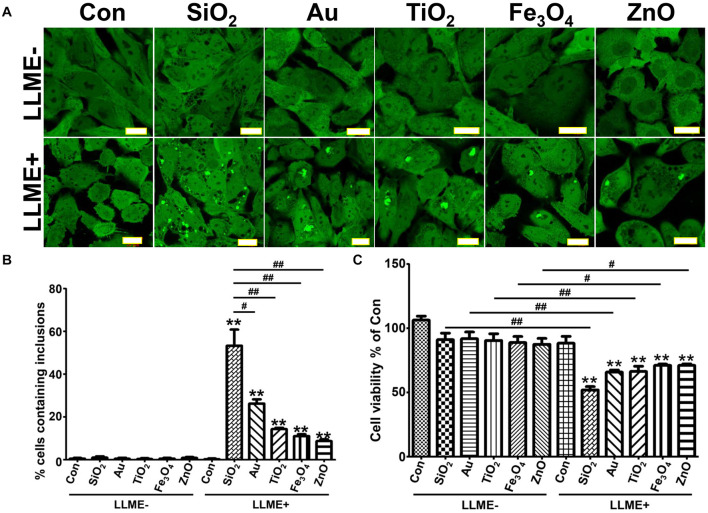
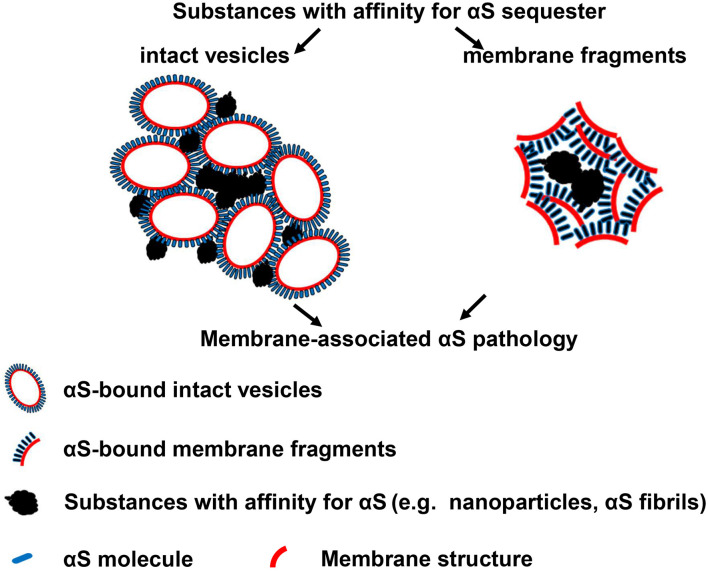
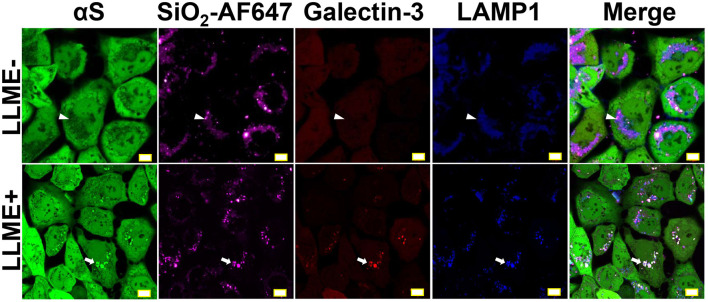
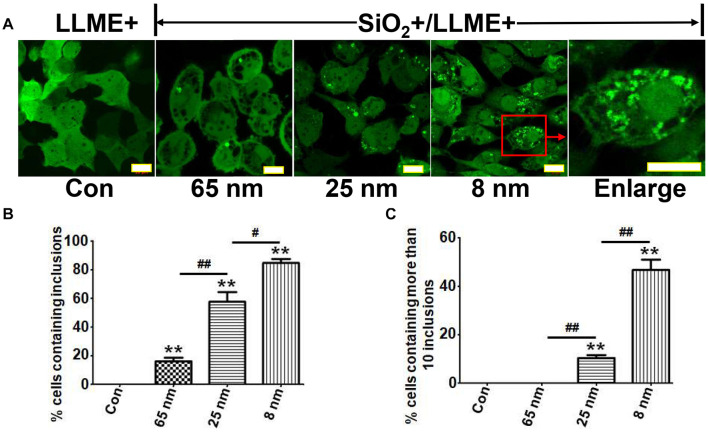
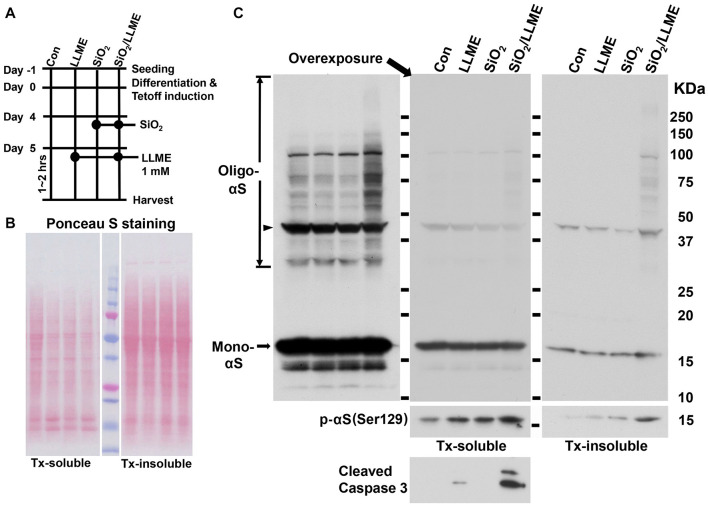
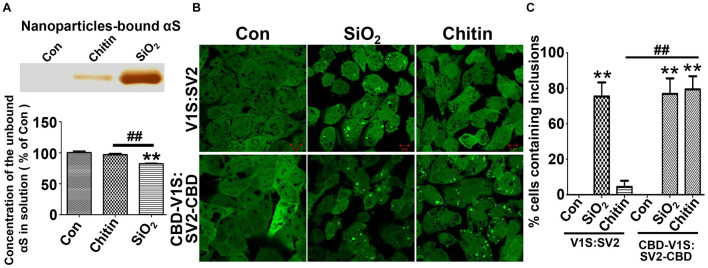
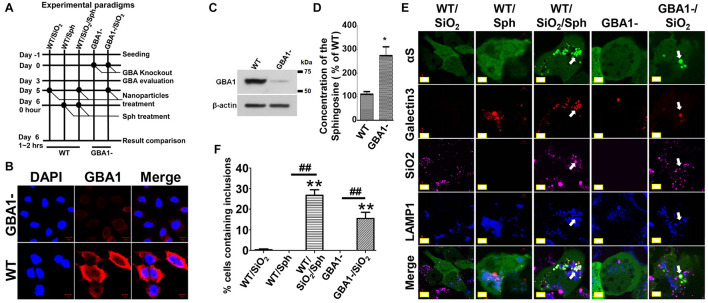
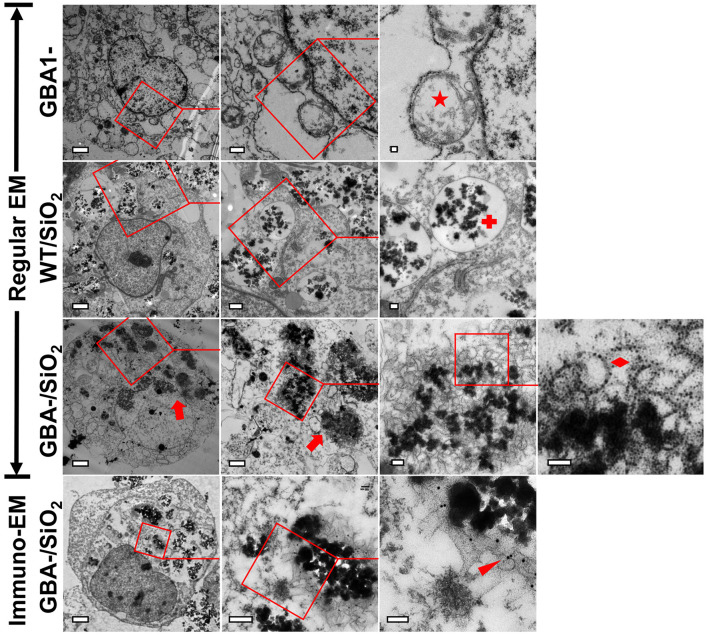
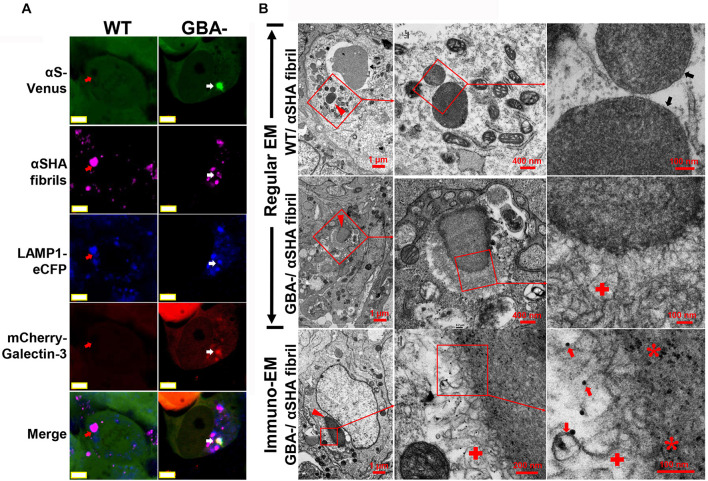
Parkinson's disease (PD) is one of the most common neurodegenerative diseases. It is characterized pathologically by the aggregation of α-synuclein (αS) in the form of Lewy bodies and Lewy neurites. A major challenge in PD therapy is poor efficiency of drug delivery to the brain due to the blood-brain barrier (BBB). For this reason, nanomaterials, with significant advantages in drug delivery, have gained attention. On the other hand, recent studies have shown that nanoparticles can promote αS aggregation in salt solution. Therefore, we tested if nanoparticles could have the same effect in cell models. We found that nanoparticle can induce cells to form αS inclusions as shown in immunocytochemistry, and detergent-resistant αS aggregates as shown in biochemical analysis; and nanoparticles of smaller size can induce more αS inclusions. Moreover, the induction of αS inclusions is in part dependent on endolysosomal impairment and the affinity of αS to nanoparticles. More importantly, we found that the abnormally high level of endogenous lysosomotropic biomolecules (e.g., sphingosine), due to impairing the integrity of endolysosomes could be a determinant factor for the susceptibility of cells to nanoparticle-induced αS aggregation; and deletion of GBA1 gene to increase the level of intracellular sphingosine can render cultured cells more susceptible to the formation of αS inclusions in response to nanoparticle treatment. Ultrastructural examination of nanoparticle-treated cells revealed that the induced inclusions contained αS-immunopositive membranous structures, which were also observed in inclusions seeded by αS fibrils. These results suggest caution in the use of nanoparticles in PD therapy. Moreover, this study further supports the role of endolysosomal impairment in PD pathogenesis and suggests a possible mechanism underlying the formation of membrane-associated αS pathology.
帕金森病(PD)是最常见的神经退行性疾病之一。其病理特征是α-突触核蛋白(αS)以路易小体和路易神经突的形式聚集。由于血脑屏障(BBB)的存在,PD治疗中的一个主要挑战是药物向大脑的递送效率低下。因此,在药物递送方面具有显著优势的纳米材料受到了关注。另一方面,最近的研究表明,纳米颗粒可以促进盐溶液中αS的聚集。因此,我们测试了纳米颗粒在细胞模型中是否具有相同的作用。我们发现,纳米颗粒可以诱导细胞形成免疫细胞化学所示的αS包涵体,以及生化分析所示的抗去污剂αS聚集体;较小尺寸的纳米颗粒可以诱导更多的αS包涵体。此外,αS包涵体的诱导部分取决于内溶酶体损伤以及αS与纳米颗粒的亲和力。更重要的是,我们发现,由于内溶酶体完整性受损导致的内源性溶酶体亲和性生物分子(如鞘氨醇)异常高水平可能是细胞对纳米颗粒诱导的αS聚集敏感性的决定因素;敲除GBA1基因以增加细胞内鞘氨醇水平可使培养细胞在纳米颗粒处理后更易形成αS包涵体。对纳米颗粒处理的细胞进行超微结构检查发现,诱导的包涵体含有αS免疫阳性膜结构,这在由αS原纤维接种的包涵体中也有观察到。这些结果表明在PD治疗中使用纳米颗粒时要谨慎。此外,本研究进一步支持了内溶酶体损伤在PD发病机制中的作用,并提出了膜相关αS病理学形成的可能机制。