Department of Integrated Traditional Chinese & Western Medicine, The Second Xiangya Hospital, Central South University, Changsha, Hunan 410011, China.
Regenerative Medicine Institute (REMEDI), CURAM, National University of Ireland Galway, H91TK33, Galway, Ireland.
J Immunol Res. 2021 Nov 1;2021:2048833. doi: 10.1155/2021/2048833. eCollection 2021.
Increasing evidence suggests that microRNAs (miRNAs) are involved in genome instability (GI) and drive the occurrence of tumors. However, the role of GI-related miRNAs in gastric cancer (GC) remains largely unknown. Herein, we developed a novel GI-related miRNA signature (GIMiSig) and further investigated its role in prognosis, the immune landscape, and immunotherapy responses in GC patients.
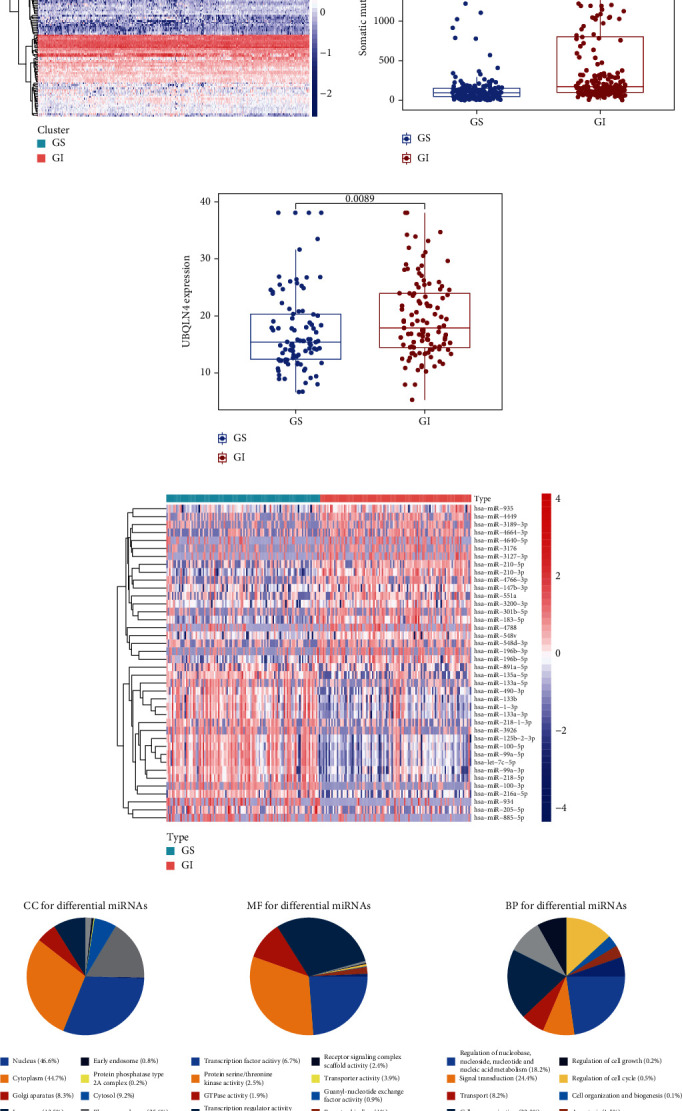
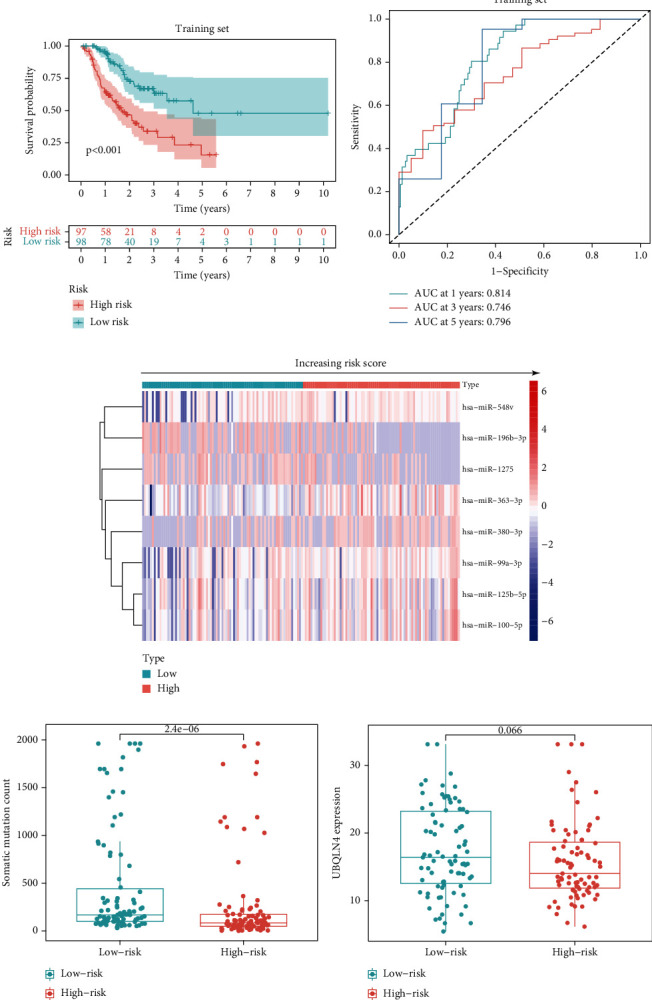
An analysis of somatic mutation data on 434 gastric cancer cases from The Cancer Genome Atlas (TCGA) database was performed, thereby generating genome stability (GS) and GI groups. By detecting differentially expressed miRNAs between the GS and GI groups that were associated with overall survival, 8 miRNAs were identified and used to construct the GIMiSig.
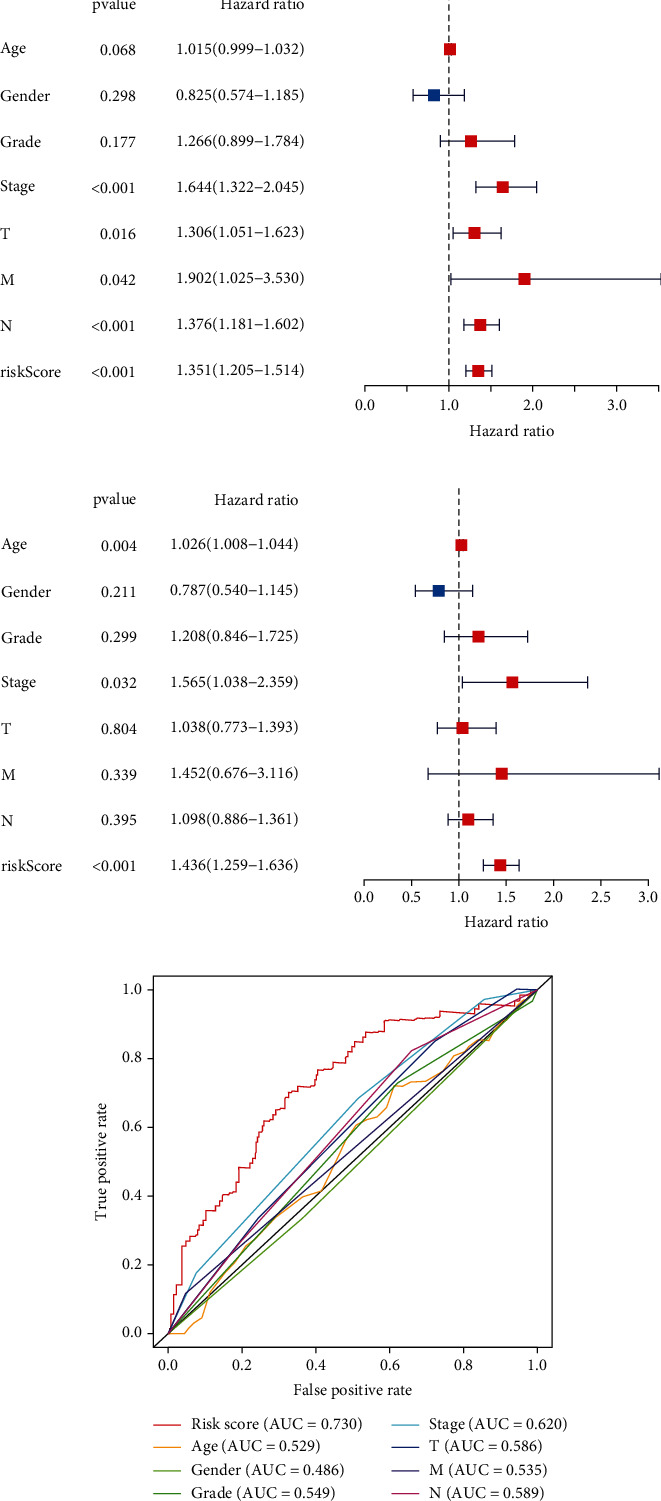
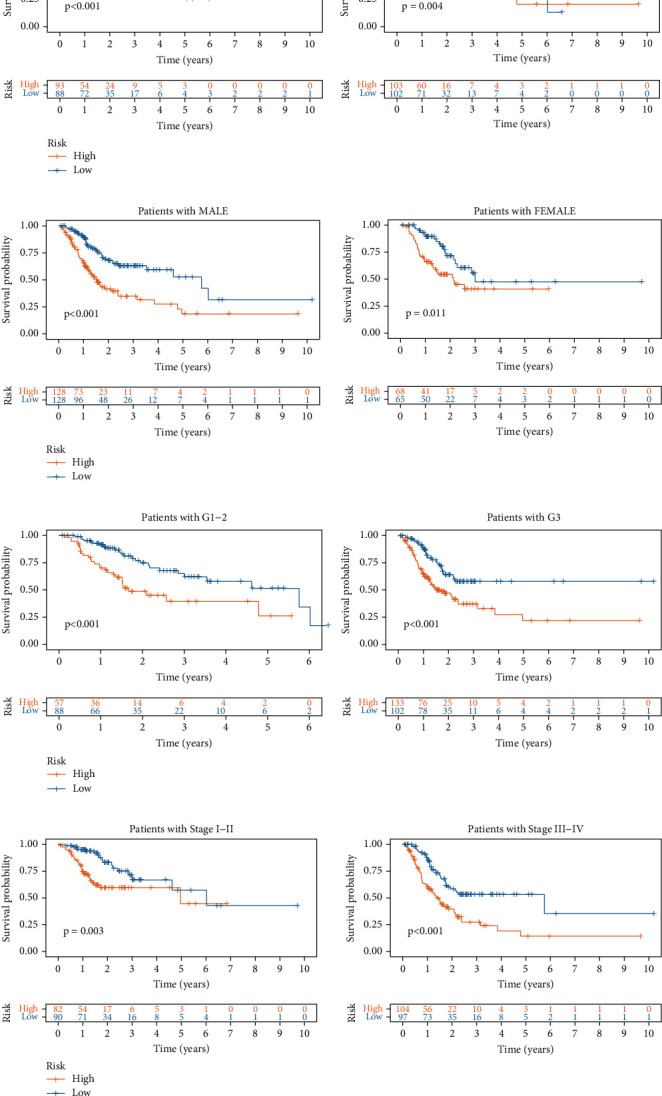
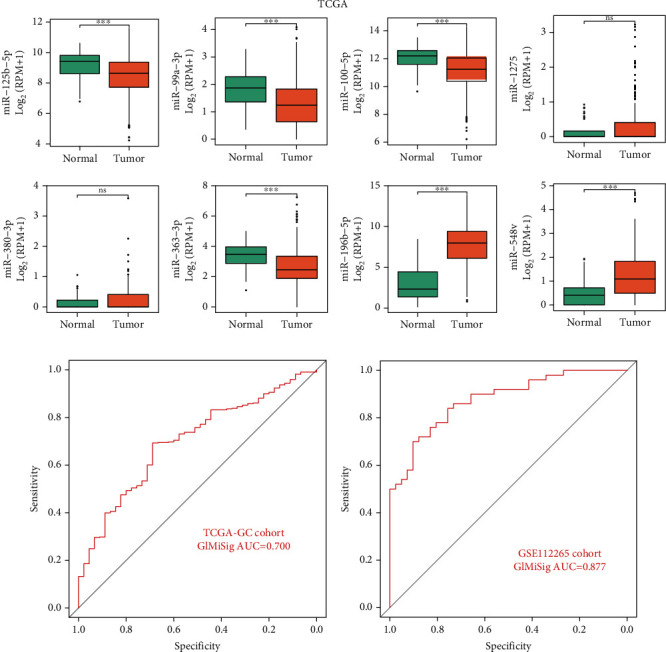
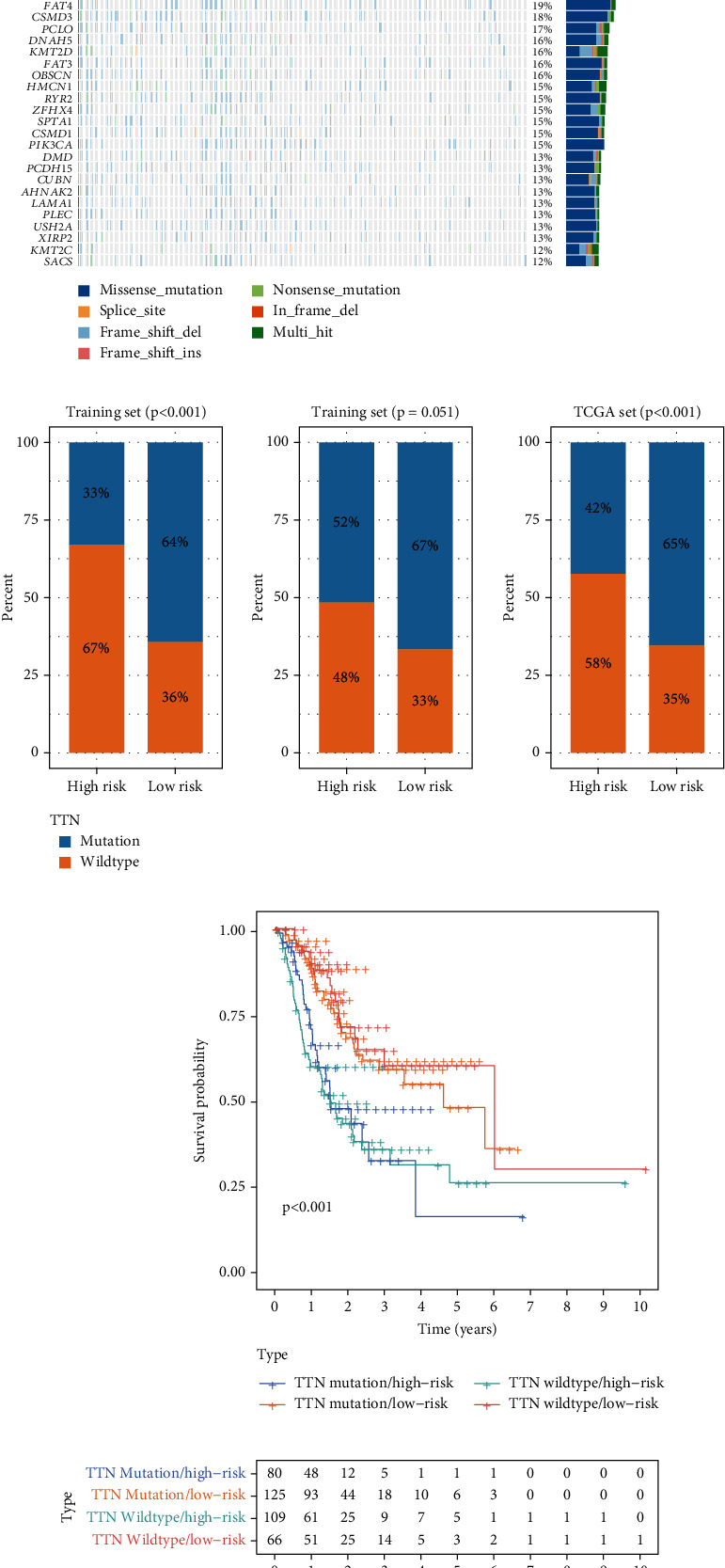
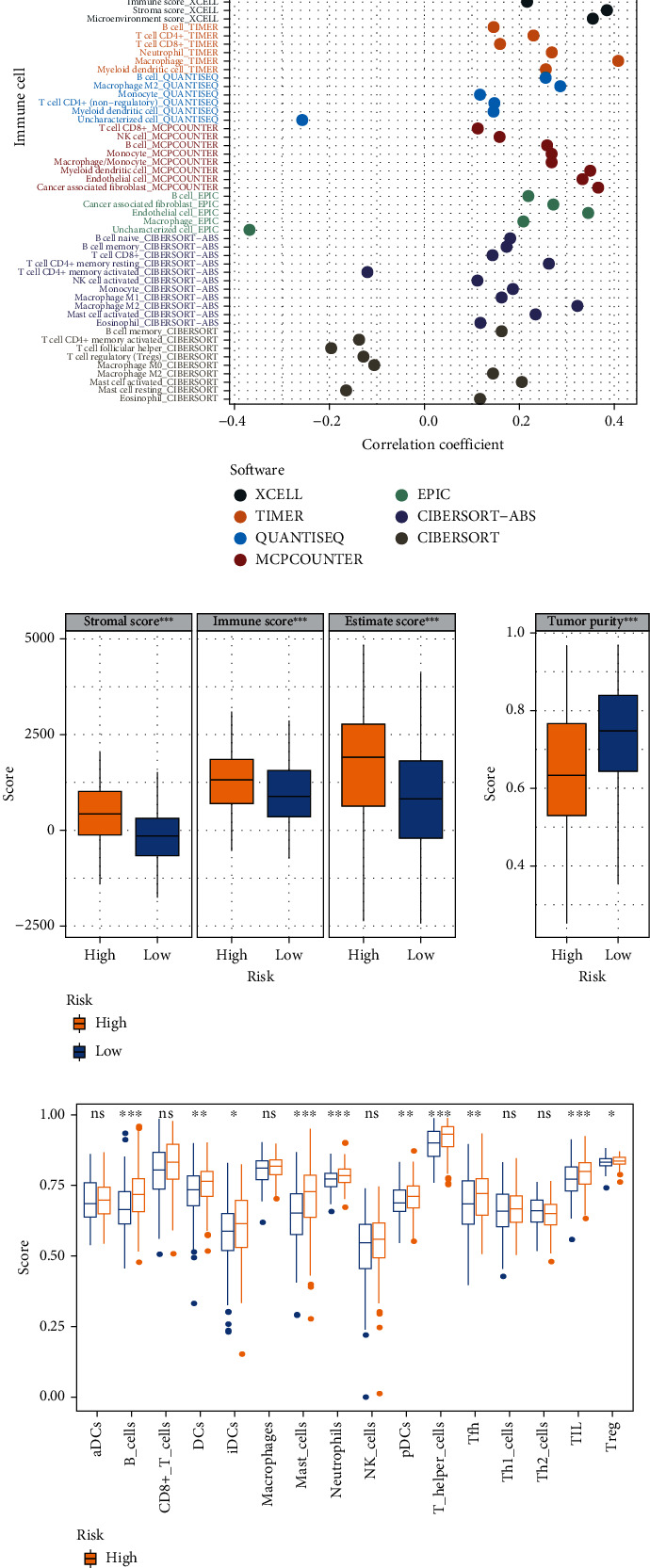
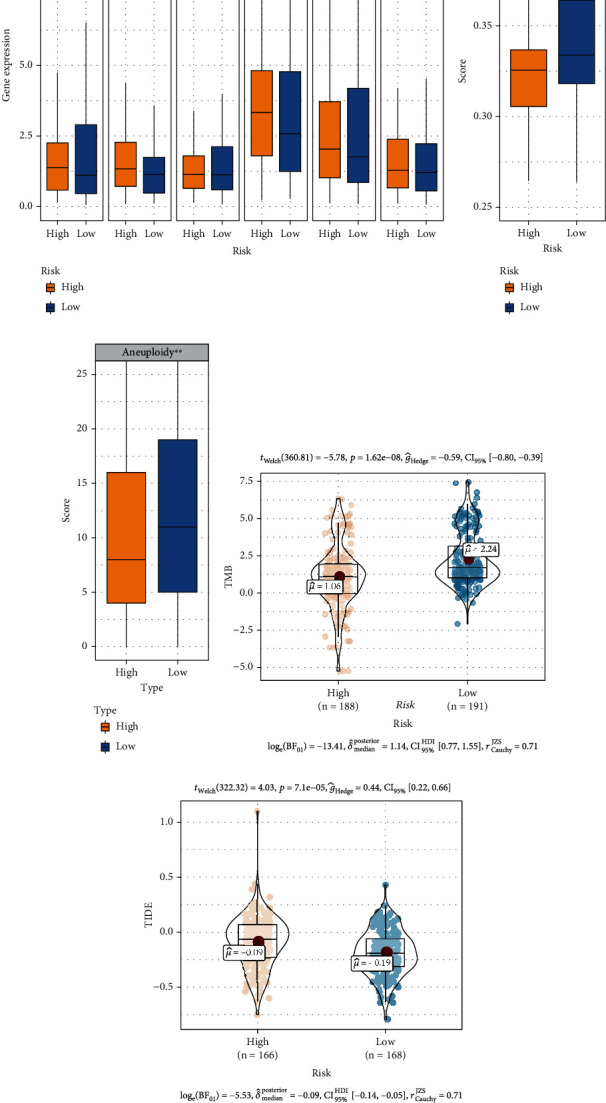
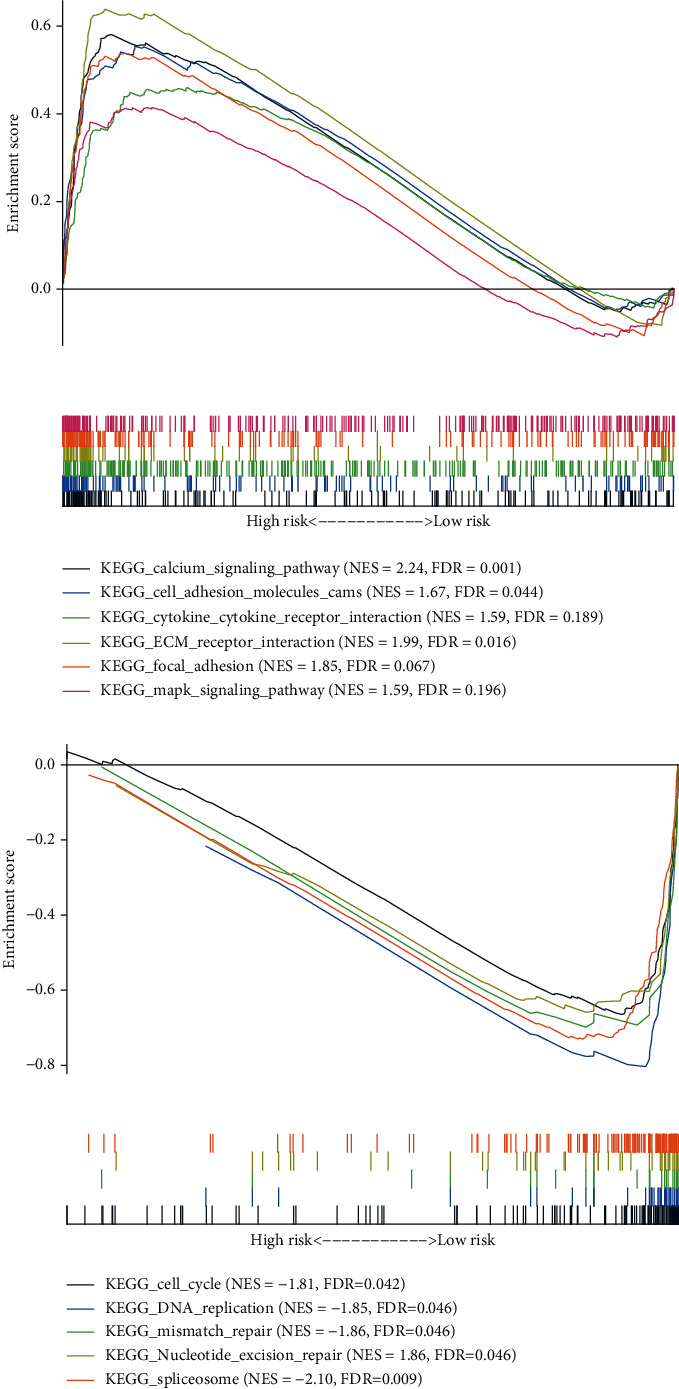
The GIMiSig showed high accuracy in detecting GC patients. Using GIMiSig to stratify the patients into the high- and low-risk subgroups to predict survival outperformed the use of regular clinical features such as age, gender, or disease stage. Patients with low risk had a more favorable survival time than those with high risk. More importantly, the high-risk patients were associated with decreased UBQLN4 expression, higher accumulation of immune cells, lower Titin (TTN) mutation frequency, worse immunotherapy efficacy, and cancer-associated pathways. Conversely, the low-risk patients were characterized by UBQLN4 overexpression, lower fraction of immune cells, higher TTN mutation frequency, better response to immunotherapy, and GI-related pathways.
In summary, we constructed a novel GIMiSig that could stratify GC patients into distinct risk groups that have different survival outcomes and immunotherapy efficacy. The results may provide new clues for improving GC outcomes.
越来越多的证据表明,微小 RNA(miRNA)参与基因组不稳定(GI)并驱动肿瘤的发生。然而,GI 相关 miRNA 在胃癌(GC)中的作用在很大程度上尚不清楚。在此,我们开发了一种新型的 GI 相关 miRNA 特征(GIMiSig),并进一步研究了其在 GC 患者预后、免疫景观和免疫治疗反应中的作用。
对来自癌症基因组图谱(TCGA)数据库的 434 例胃癌病例的体细胞突变数据进行分析,从而产生基因组稳定性(GS)和 GI 组。通过检测与总生存期相关的 GS 和 GI 组之间差异表达的 miRNA,确定了 8 个 miRNA,并用于构建 GIMiSig。
GIMiSig 在检测 GC 患者方面具有很高的准确性。使用 GIMiSig 将患者分为高风险和低风险亚组来预测生存,优于使用年龄、性别或疾病阶段等常规临床特征。低风险患者的生存时间比高风险患者更有利。更重要的是,高风险患者与 UBQLN4 表达降低、免疫细胞积累增加、Titin(TTN)突变频率降低、免疫治疗效果差和癌症相关途径有关。相反,低风险患者的特点是 UBQLN4 过表达、免疫细胞分数较低、TTN 突变频率较高、对免疫治疗反应更好和 GI 相关途径。
总之,我们构建了一种新型的 GIMiSig,可将 GC 患者分为具有不同生存结果和免疫治疗效果的不同风险组。研究结果可能为改善 GC 结局提供新的线索。